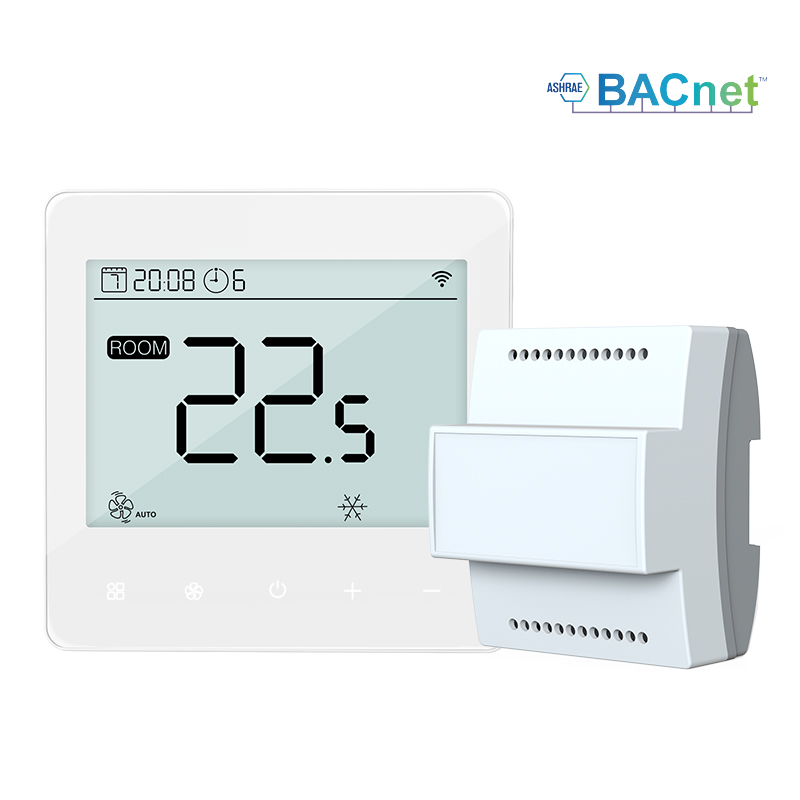
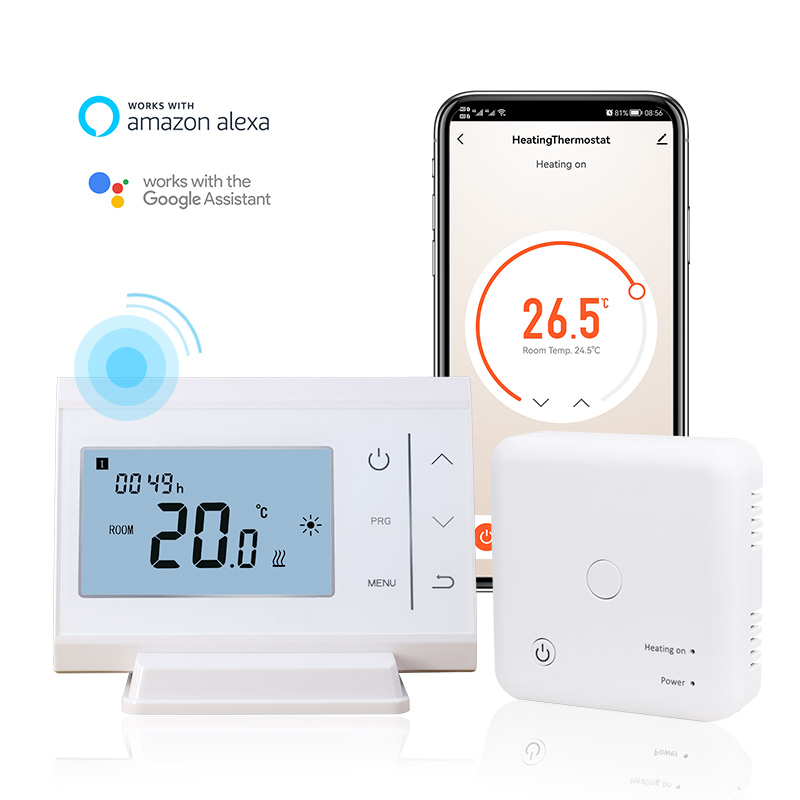
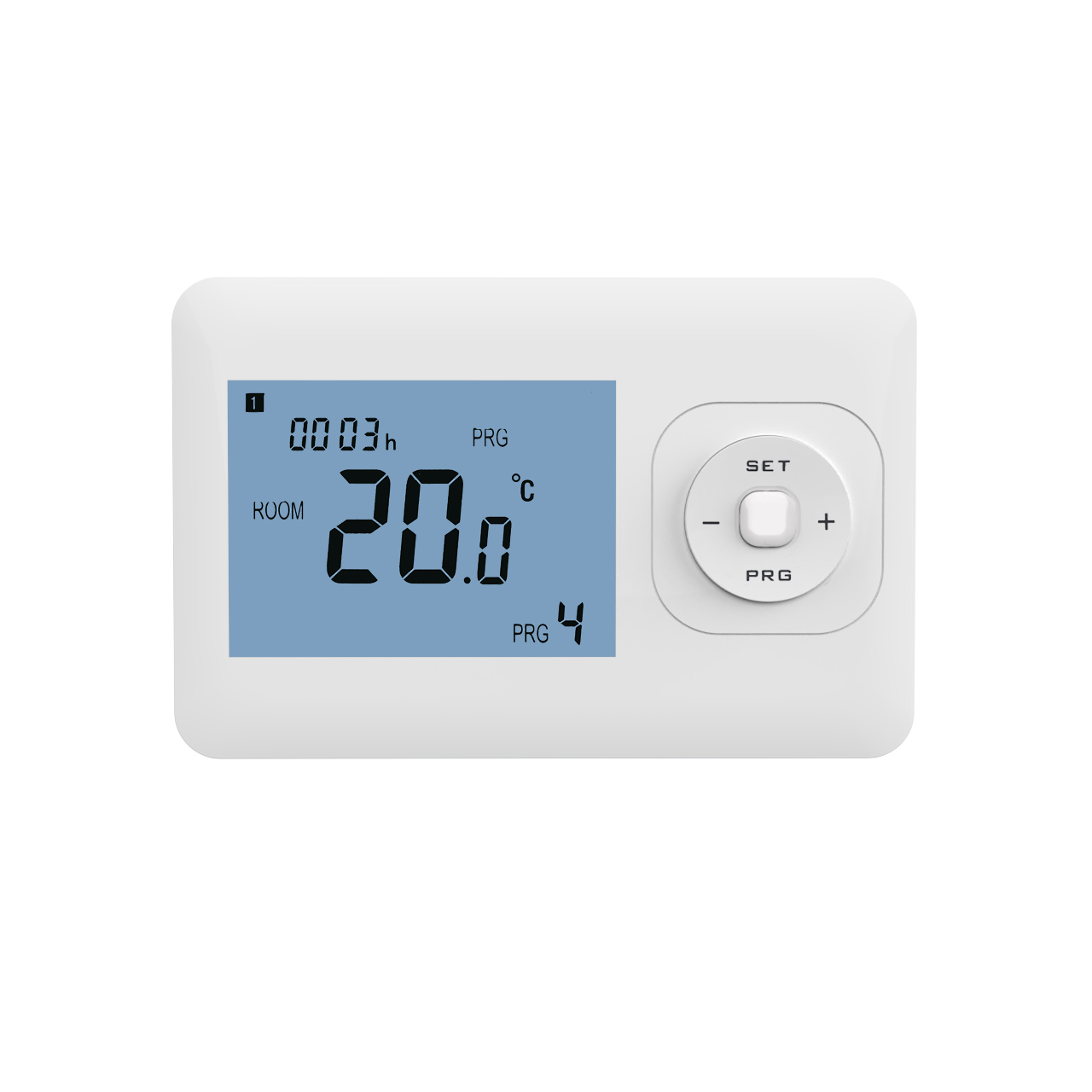
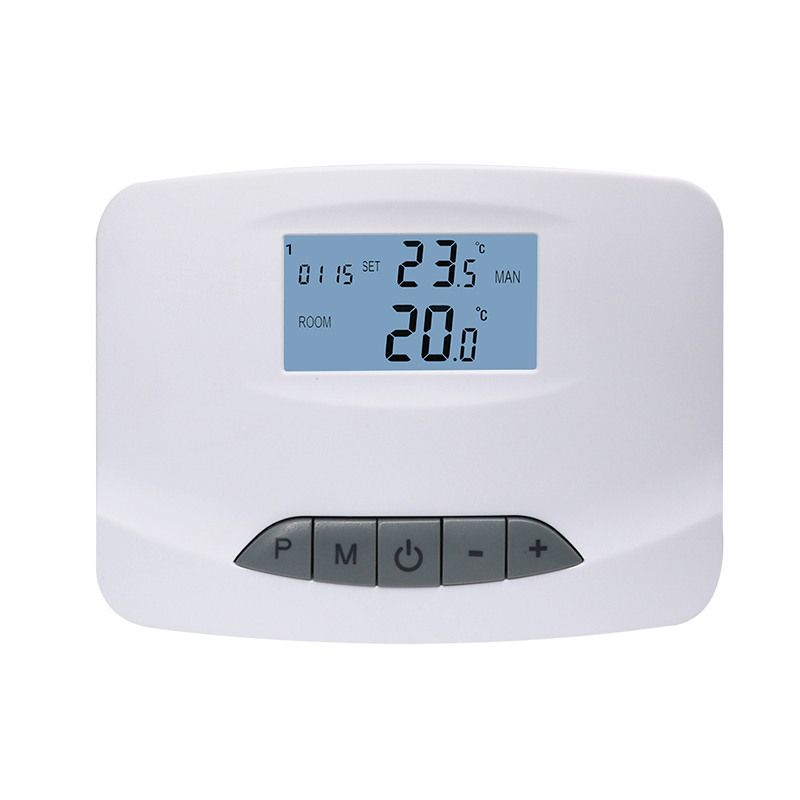
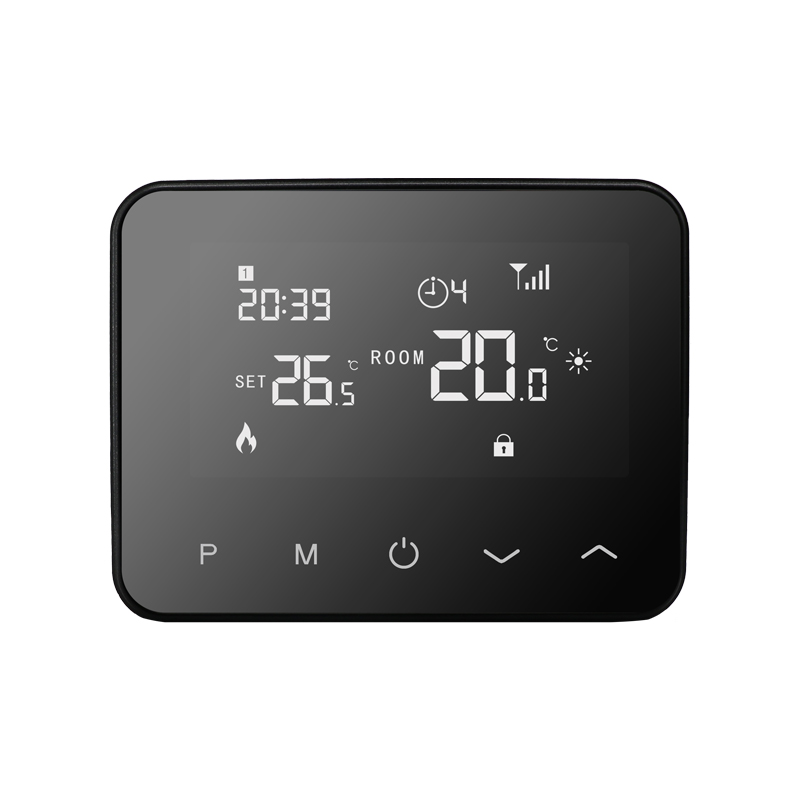
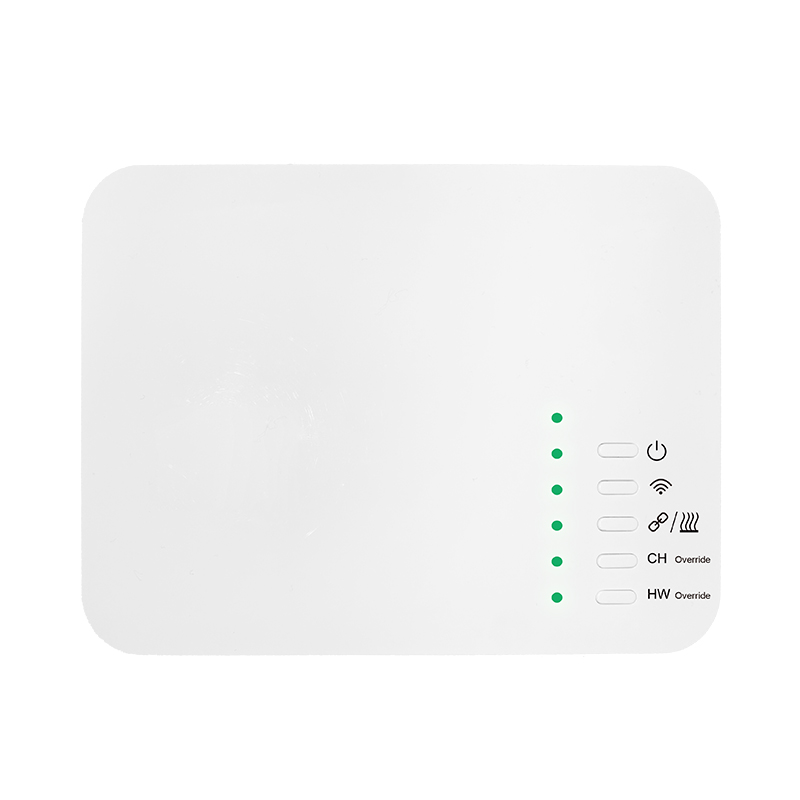
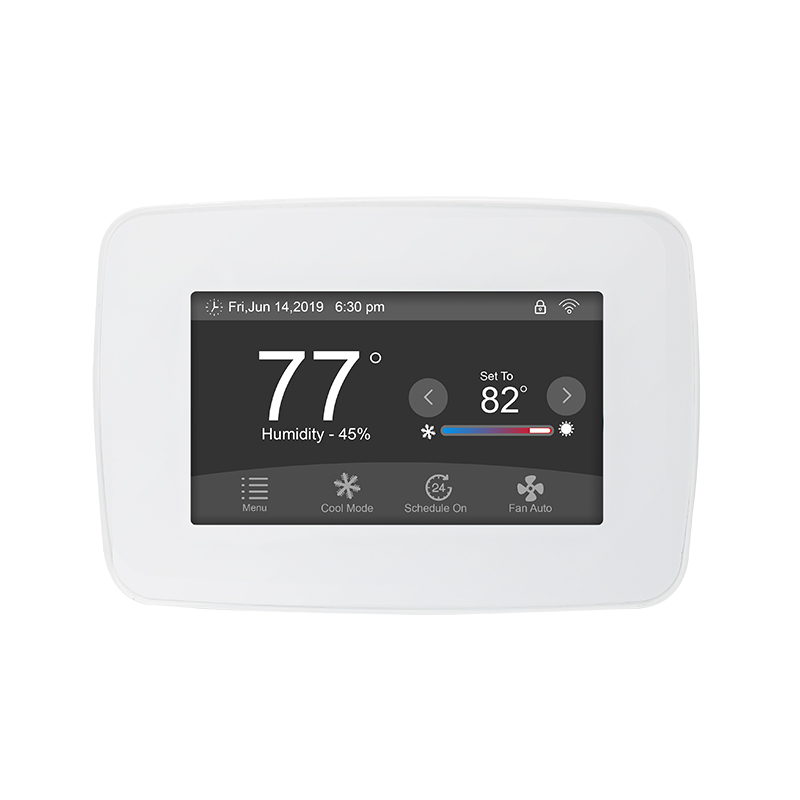
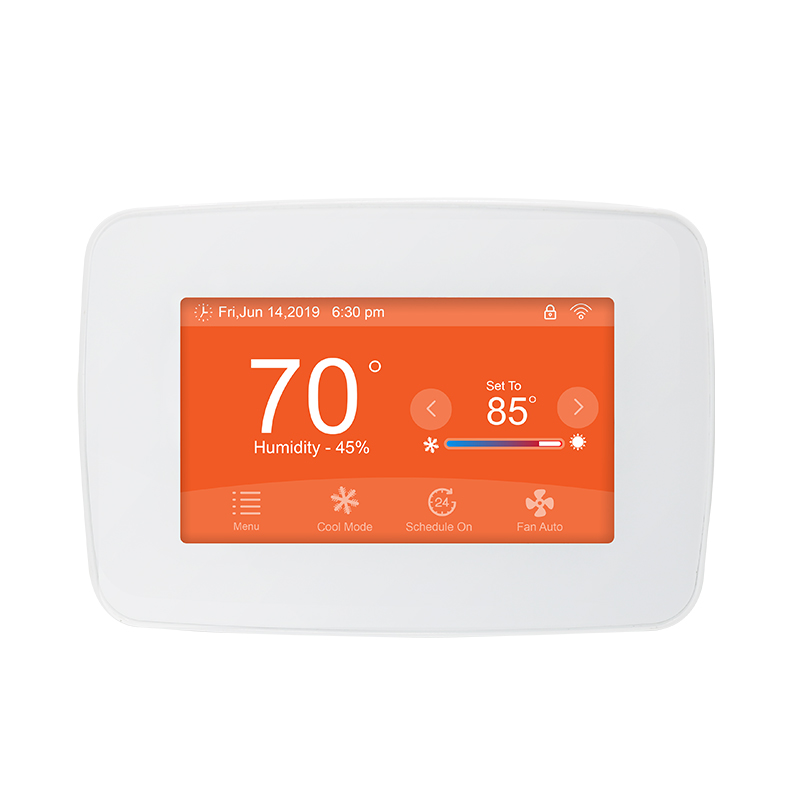
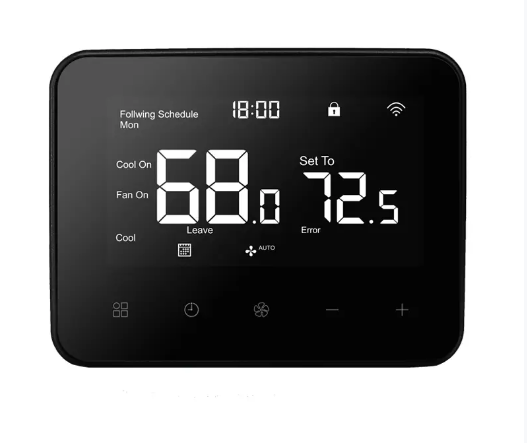
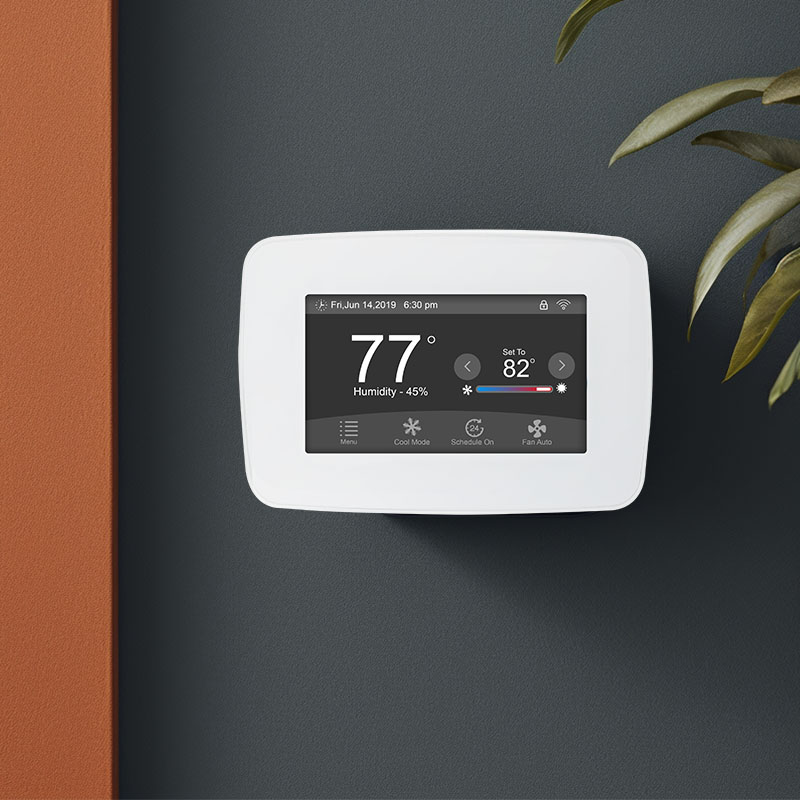
With the development of smart homes and industrial automation, 2-in-1 systems, with their integrated control and remote management functions, are gradually becoming a focus of user attention. These systems not only simplify operation processes but also enable centralized equipment management and remote monitoring, providing users with higher efficiency and convenience. Understanding the functional characteristics and application value of 2-in-1 system intelligent control and remote management helps in assessing its investment and usage potential.
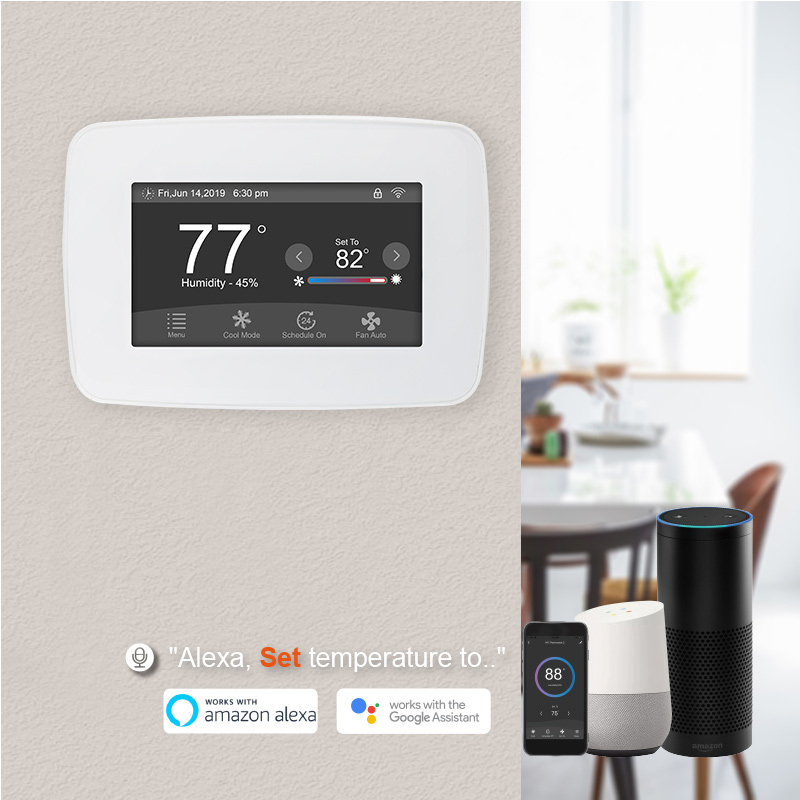
Advantages of Integrated Intelligent Control
The core advantage of 2-in-1 systems lies in their intelligent control function. By integrating different devices and sensors, the system can collect data in real time and automatically adjust according to preset programs or environmental changes. Whether it’s industrial production equipment or home heating, air conditioning, and lighting systems, unified control can be achieved, improving operational efficiency. Integrated intelligent control can also reduce manual operation and human error, making equipment operation more stable and efficient, extending equipment lifespan, and optimizing energy consumption.
Convenience of Remote Management Functions
Remote management is another major highlight of 2-in-1 systems, allowing users to remotely monitor and operate equipment via mobile phones, tablets, or computers.
- Real-time monitoring of equipment status allows for timely handling of any abnormalities.
- Support for remote switching and parameter adjustment enhances operational flexibility.
- Provision of historical data recording and analysis facilitates optimization of equipment operation strategies.
Compatibility with smart home or enterprise management systems enables unified management. Remote management not only facilitates daily operations but also ensures system operation even when the user is not present, improving overall management efficiency.
Installation and Usage Costs
While the 2-in-1 system offers functional advantages, initial investment costs and installation requirements must be considered. System installation may require professional technicians, and some high-end models are relatively expensive. However, in the long term, integrated intelligent control and remote management functions reduce manual intervention, lower equipment failure rates, and reduce energy consumption, resulting in a high long-term return on investment. In industrial or commercial scenarios, the energy-saving effects and management convenience of the system further contribute to cost recovery.
Application Scope and Performance Reliability
The 2-in-1 system has a wide range of applications, including home intelligent control, office energy management, and industrial automation. The system’s low-latency response and high-precision sensors ensure reliable control and remote management. Choosing certified, high-quality products ensures long-term stable operation and reduces maintenance and update frequency. System compatibility and scalability are also crucial, facilitating future equipment upgrades or the addition of new modules without large-scale modifications.
Investment Value and Long-Term Benefits
A comprehensive evaluation of the investment value of a 2-in-1 system should focus on equipment functionality, energy-saving potential, ease of use, and long-term cost recovery. Intelligent control and remote management functions can significantly improve efficiency, reduce maintenance costs, and optimize energy use. Proper configuration and scientific use can maximize the system’s benefits, improve the comfort of the work or living environment, and extend equipment lifespan.
The intelligent control and remote management of the 2-in-1 system, with its integrated operation, remote monitoring, and data analysis functions, possesses high practical value and investment potential. Through proper installation, scientific configuration, and long-term maintenance, efficient management can be achieved in home, office, and industrial settings, optimizing energy consumption and improving equipment operational stability and safety.