
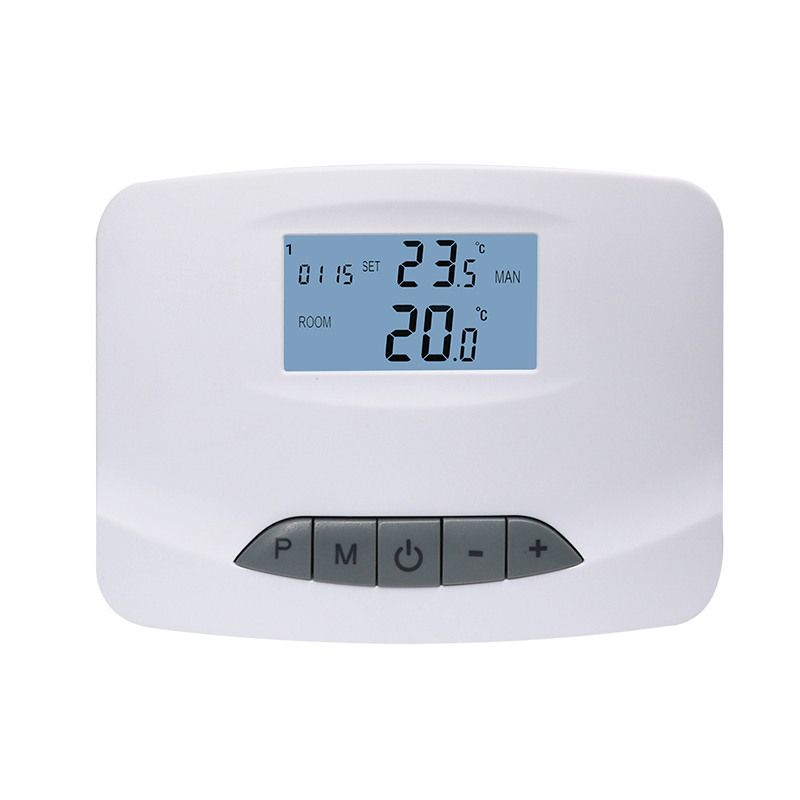
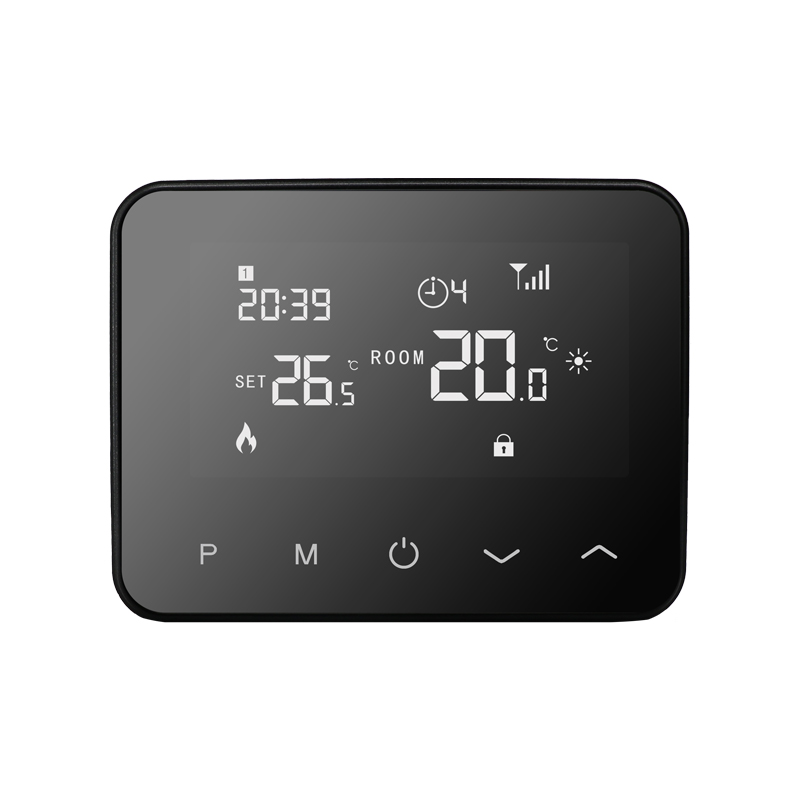


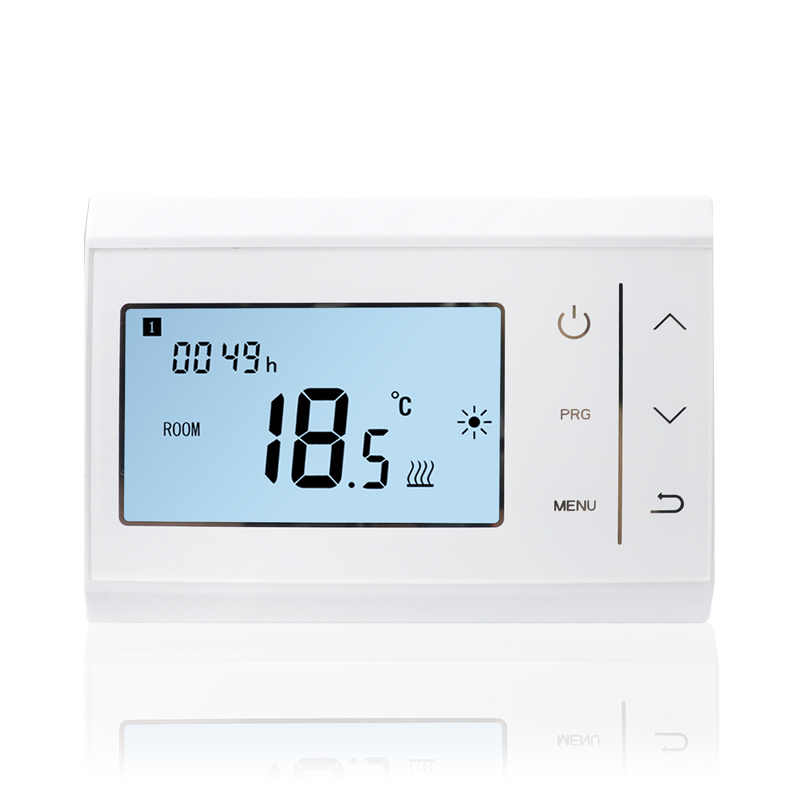
Driven by both rising energy costs and the push for “dual carbon” goals, energy-saving retrofitting of boilers has become a focal point for households and communities. As the core control unit in a boiler system, the thermostat, through precise temperature parameter control, not only directly reduces energy consumption but also demonstrates comprehensive value in improving user experience and extending equipment lifespan. Its energy-saving effect is not an abstract concept but is verified through data accumulation and technological iteration in real-world scenarios, becoming an “invisible engine” for energy conservation and consumption reduction.

From a technical perspective, the thermostat’s energy-saving advantage stems from its precise control of temperature fluctuations. Traditional boilers, lacking intelligent control, often experience “temperature overshoot” or “frequent start-stop” phenomena, leading to energy waste. For example, during winter heating, the boiler may operate at high load continuously due to an excessively high temperature setting, continuing to heat even when the indoor temperature has reached a comfortable level; during summer hot water supply, water temperature fluctuations may cause users to repeatedly adjust the temperature, further increasing energy consumption. Thermostats, through built-in temperature sensors and intelligent algorithms, can monitor indoor or outlet water temperatures in real time, automatically reducing power or pausing operation when the set value is reached, avoiding overheating. Taking a household gas boiler as an example, installing a thermostat can reduce gas consumption by 10%-20% during the heating season and reduce energy consumption for hot water supply by about 15% in summer. This data has been widely verified in both centralized heating communities in the north and individual heating households in the south.
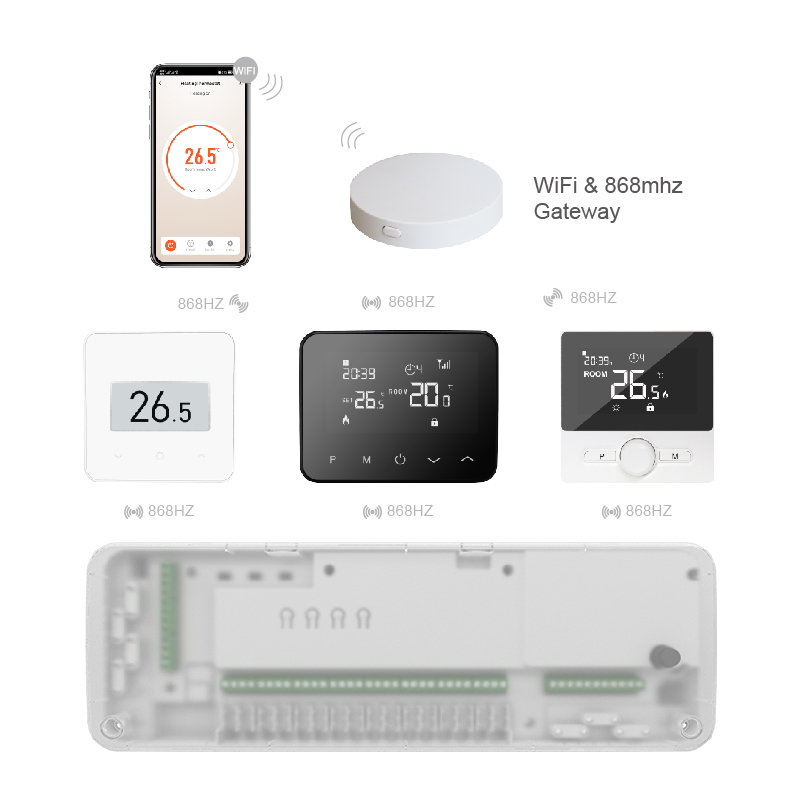
The diverse needs of different user groups further highlight the energy-saving adaptability of thermostats. For elderly users, the thermostat’s constant temperature function can prevent health problems caused by sudden temperature changes. The timer function allows for lowering the temperature before bedtime and raising it before waking up, ensuring sleep quality while saving energy. Working professionals can remotely control their boilers via a mobile app, turning off the device on their way to work and turning it on before leaving work to avoid “unattended energy consumption.” Families with children rely on the thermostat’s temperature warning function; when the indoor temperature is too high or too low, the system sends a reminder to parents’ phones to prevent health risks caused by uncontrolled temperature. Fitness enthusiasts can use the thermostat to lower the indoor temperature during exercise and restore it to a comfortable temperature afterward, enhancing the exercise experience while avoiding energy waste. These scenario-based energy-saving practices demonstrate that thermostats have evolved from simple temperature control tools into “intelligent energy-saving stewards” that meet diverse needs.
Practical application cases provide strong support for the energy-saving effects of thermostats. A large residential community in a provincial capital city in northern China, with a total building area of 500,000 square meters, is equipped with two 10-ton/hour gas-fired hot water boilers. Previously, the boiler exhaust temperature was approximately 180℃, with a thermal efficiency of only 85%. During the winter heating season (150 days), approximately 1.8 million cubic meters of natural gas were consumed, costing over 6.3 million yuan. Before the 2024 heating season, the community property management installed condensing boiler economizers and a smart thermostat system on the boilers. By monitoring indoor temperature and boiler operating parameters in real time, the heating intensity was dynamically adjusted. After the upgrade, the boiler exhaust temperature dropped below 80℃, the thermal efficiency increased to 96%, and while maintaining an indoor temperature of 18-20℃, natural gas consumption decreased to 1.53 million cubic meters, and costs dropped to 5.355 million yuan, directly saving 945,000 yuan. More importantly, the thermostatic system has solved the problem of “overheating at the near end and insufficient heating at the far end” in traditional heating systems. User complaint rates have dropped from 12% before the upgrade to below 3%, achieving a dual improvement in energy saving and user experience.
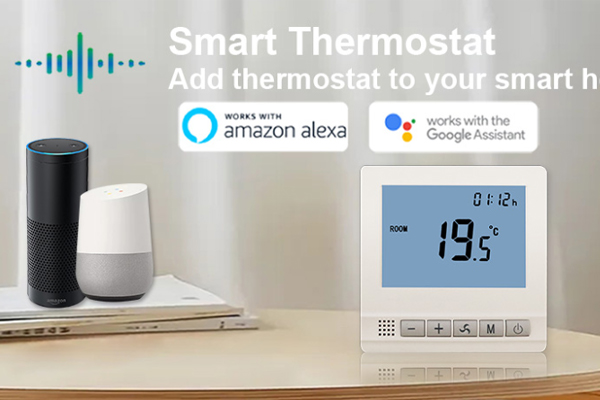
From the perspective of technological iteration trends, the energy-saving potential of thermostats continues to be released. The new generation of intelligent thermostats integrates the Internet of Things, big data, and AI algorithms, enabling them to learn user habits and automatically generate personalized energy-saving plans. For example, the system can predict temperature needs in advance based on family members’ schedules and seasonal changes, avoiding energy fluctuations caused by temporary adjustments. Through linkage with smart curtains, door and window sensors, it automatically reduces boiler power when sufficient indoor light or open doors and windows are detected, further reducing ineffective energy consumption. In addition, some high-end thermostats also have fault warning functions, which can detect abnormal boiler operation in advance, avoiding energy waste and maintenance costs caused by equipment failure.
The energy-saving effect of boiler thermostats has been transformed from theoretical deduction into tangible practical results. Based on precise temperature control, it achieves dynamic energy saving by meeting the differentiated needs of different user groups and integrating intelligent technologies, demonstrating comprehensive value in reducing energy costs, improving user experience, and extending equipment life. With the deepening of the “dual carbon” goal and the improvement of the smart home ecosystem, thermostats will become a core component of energy-saving retrofitting of civil boilers, providing continuous impetus for the green transformation of homes and communities.