
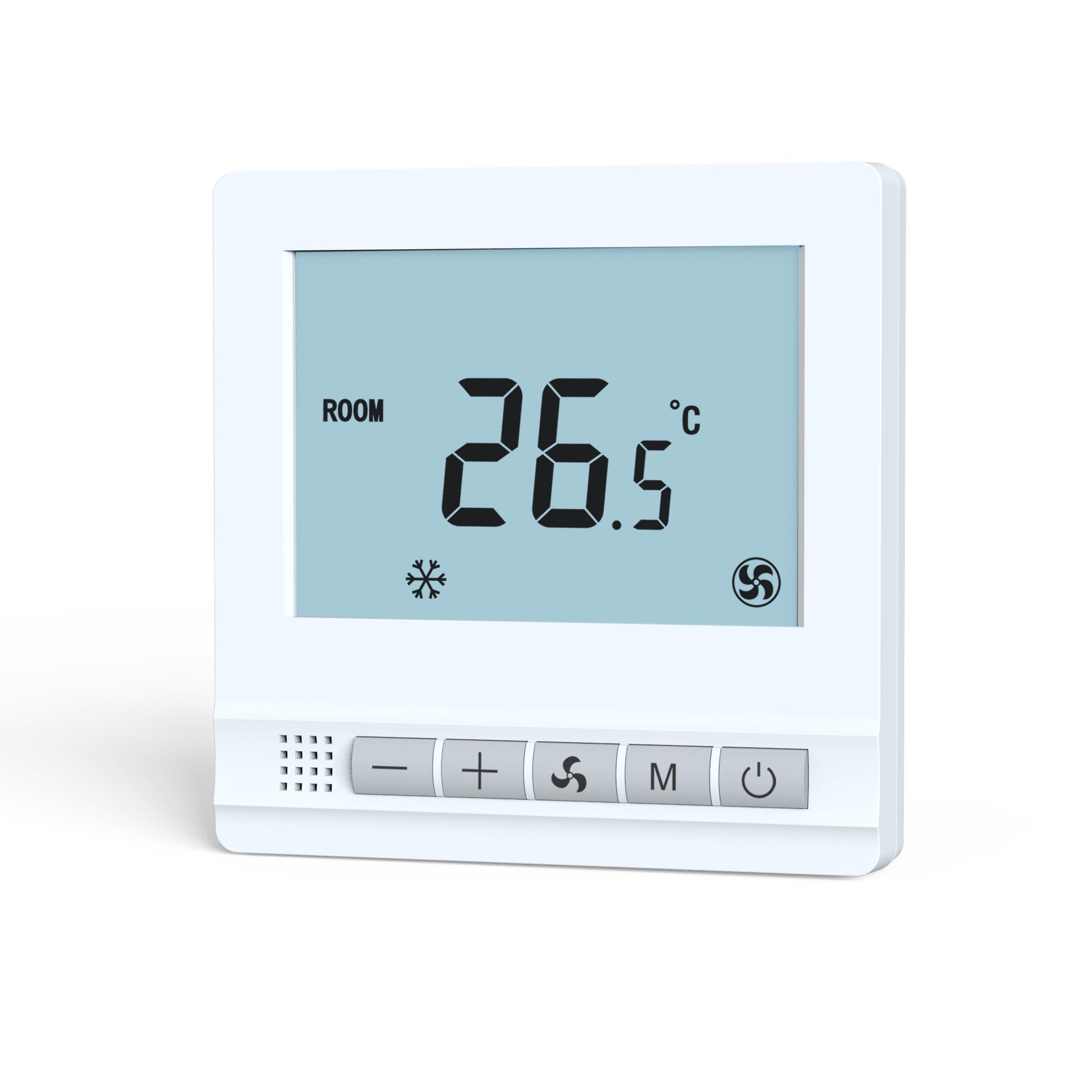

In the design and installation of underfloor heating systems, the control box is often considered an “invisible yet crucial” device. Compared to underfloor heating pipes, manifolds, or thermostats, the control box does not directly generate heat or affect the appearance of the space, but it undertakes the important tasks of signal centralization, zone control, actuator management, and boiler and circulation pump linkage. It can be said that the appropriateness of the control box selection directly affects the stability, comfort, and long-term operating performance of the entire underfloor heating system. However, in the actual selection process, many users or contractors easily fall into some misconceptions. Some people excessively pursue low cost, neglecting functional matching; others blindly pursue “the more functions the better,” ignoring the actual needs of the system; still others confuse the control logic of electric and water-based underfloor heating, leading to inappropriate equipment selection.
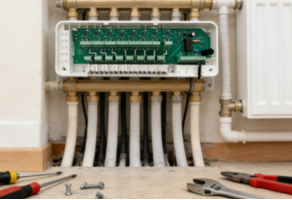
Focusing Only on Price, Ignoring System Compatibility
Underfloor heating control boxes are typically designed for water-based underfloor heating systems. Some users focus solely on price when selecting a box, ignoring whether it’s truly suitable for their system structure, easily leading to functional incompatibility. Lower-priced control boxes may have limitations in the number of zones, actuator support capabilities, or linkage functions, increasing adjustment and maintenance costs in the long run.
Insufficient Zone Layout:
Many people only consider the existing number of rooms when selecting a control box, without reserving expansion space. If zones are added or functions adjusted later, the number of control box interfaces will be limited.The number of thermal actuators that each zone can support is equally important. If this isn’t adequately considered during selection, insufficient zone load can easily occur.
Neglecting the Interlocking Capability of Boiler and Circulating Pump
In reality, the water-based underfloor heating control box not only manages temperature control signals but also bears the important responsibility of boiler start-up and shutdown and circulating pump control.If the control box lacks corresponding output interfaces, the system can only rely on independent control methods, affecting the overall coordinated operation.
Mixing Electric and Water-based Underfloor Heating Control Boxes
Electric underfloor heating uses an electric heating circuit as its core, while water-based underfloor heating relies on actuators and hot water circulation; the two have fundamentally different control methods.Not all control boxes are suitable for both systems; blindly using one may lead to safety hazards or wasted functionality.
Neglecting Thermostat Compatibility
Failing to Confirm the Types of Thermostats Supported by the Control Box
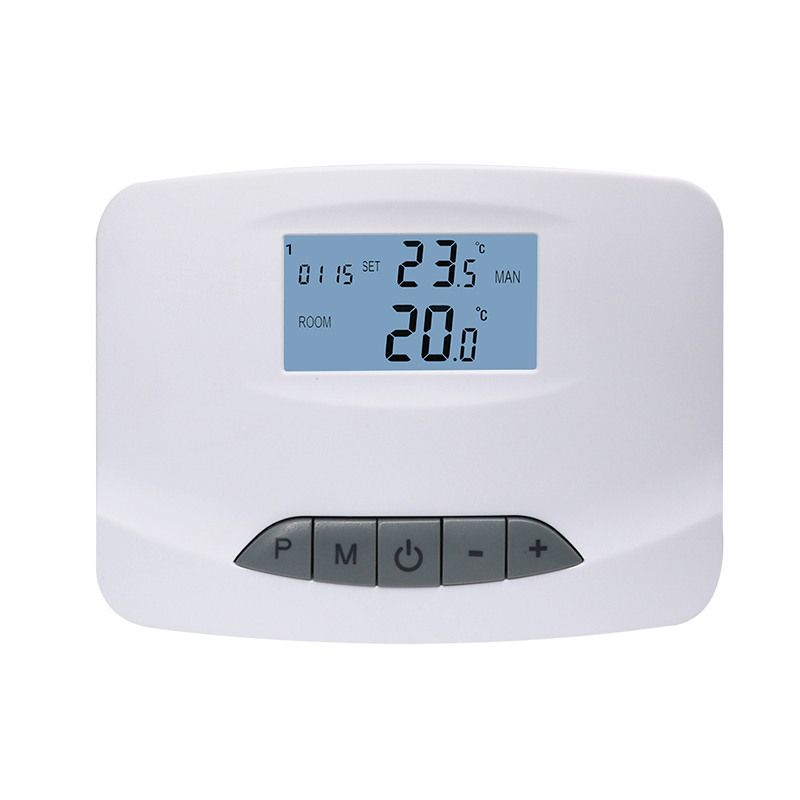
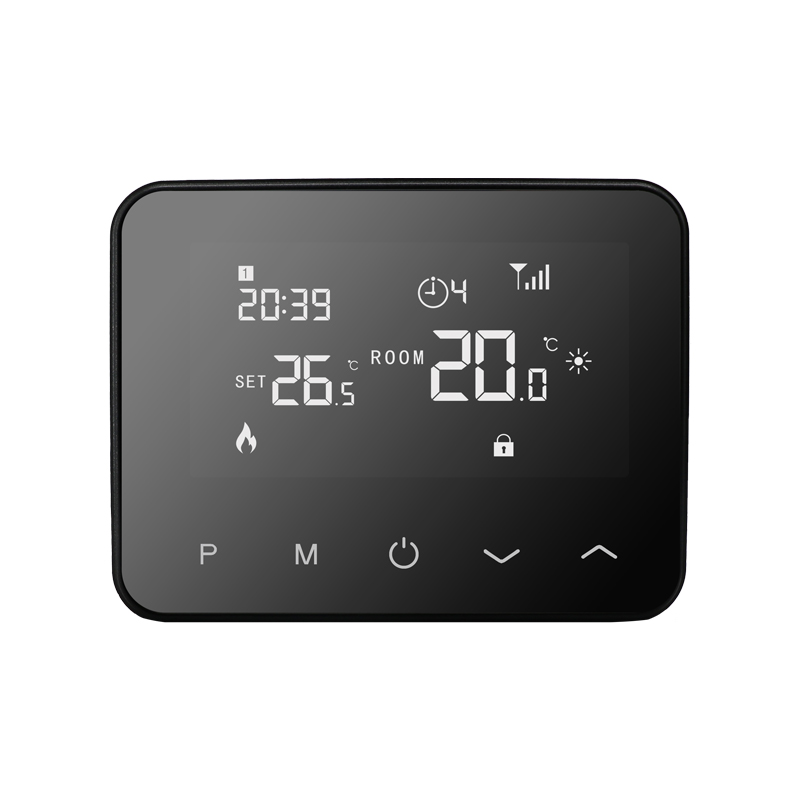
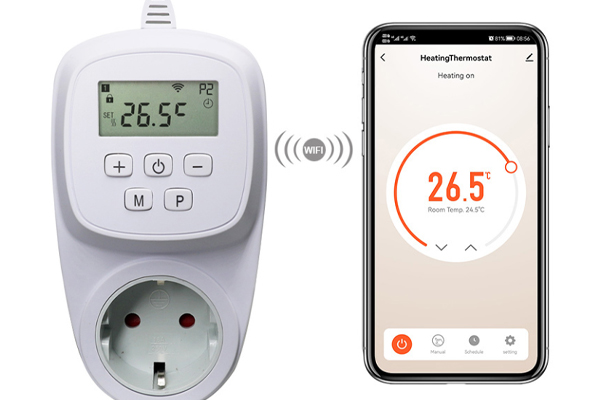
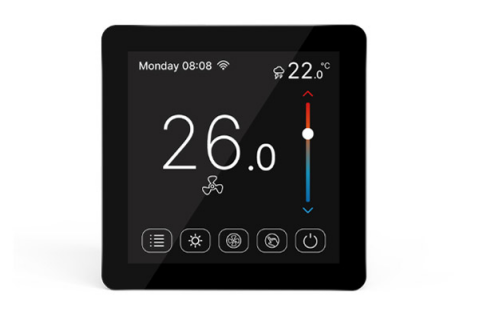
Different control boxes are often designed for specific models or signal methods of thermostats. Ignoring compatibility during selection can easily lead to communication failures.If the control box has low compatibility with the thermostat, future upgrades or replacements will be significantly limited.
Neglecting Installation Environment and Wiring Conditions
Control Box Size and Installation Space Mismatch
The size of the control box, heat dissipation requirements, and installation location are closely related. Ignoring this during selection can easily lead to installation difficulties.
Wiring Port Layout Affects Construction Efficiency
A control box with an unreasonable port layout may increase wiring complexity and affect the overall construction quality.
Believing More Functions Are Always Better
Some advanced functions are not frequently used in actual operation, yet they increase system complexity.Overly complex control logic increases the difficulty of debugging and maintenance, which is not conducive to long-term stable operation.
Ignoring Long-Term Maintenance and Expansion Needs
Control box interfaces that are too compact or poorly labeled will make later maintenance and troubleshooting more difficult.Insufficient Expandability Control boxes lacking pre-installed expansion interfaces often require complete replacement during system upgrades, increasing costs.
While the underfloor heating control box doesn’t directly participate in heating, it serves as the “command center” of the entire system. Ignoring key factors such as system type, zoning requirements, linkage capabilities, and compatibility during the selection process can easily lead to various common pitfalls, affecting the stable operation and user experience of the underfloor heating system. Many problems stem not from the equipment’s quality itself, but from insufficient understanding or misjudgment during the selection phase. Therefore, scientific selection should be based on a thorough understanding of the underfloor heating system’s structure and actual needs, avoiding blindly pursuing low prices or excessive features. Only by choosing a control box that is highly compatible with the system, possesses reasonable expandability, and is easy to install and maintain can the advantages of zoning control, energy-saving operation, and stable management be truly realized.