
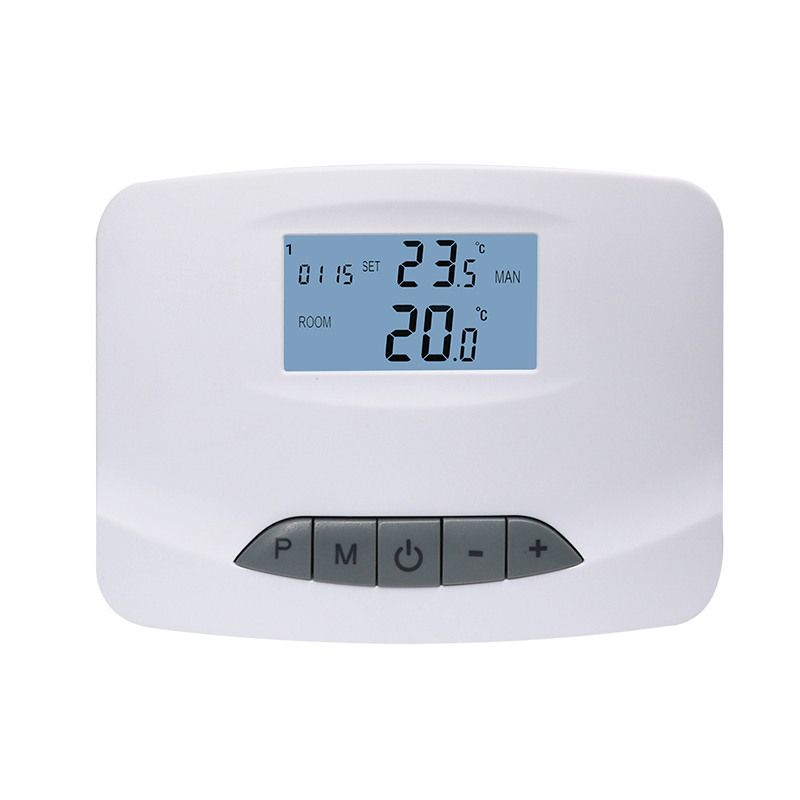
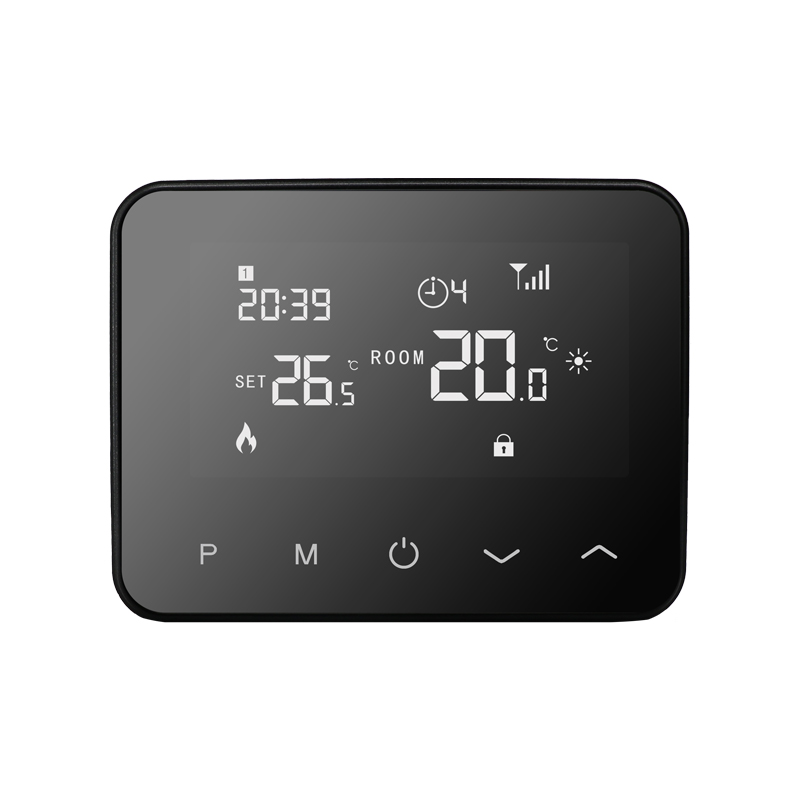
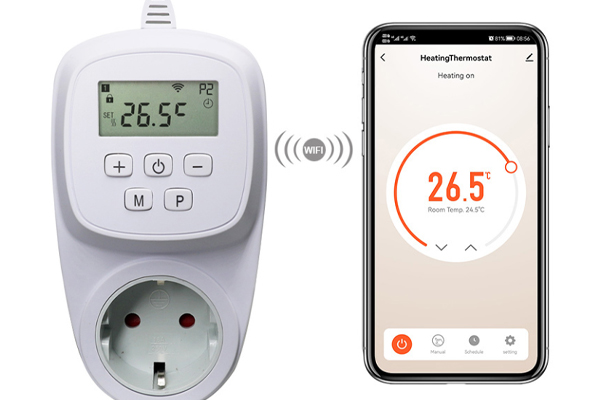
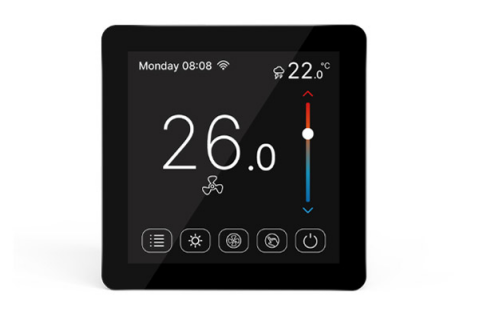
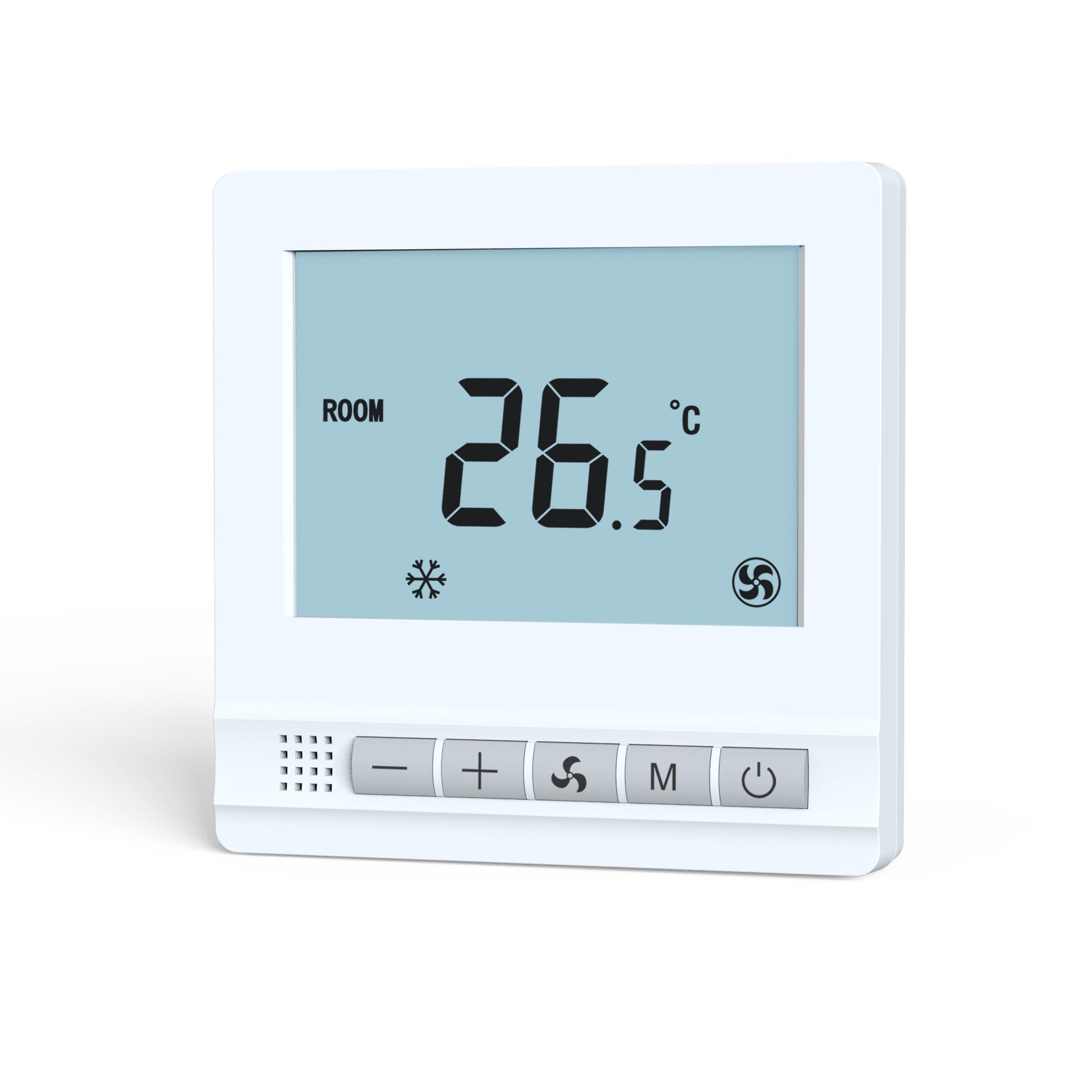

When winter cold waves hit, the temperature setting of the boiler thermostat directly affects home comfort and energy consumption. Many users often find themselves in a dilemma: “too high, they worry about spending money; too low, they worry about getting cold.” In reality, setting the temperature reasonably requires a comprehensive scientific consideration of the heating terminal equipment, usage scenarios, and human perception. By analyzing industry data and practical cases, a temperature control strategy that balances comfort and energy efficiency can be summarized.

The temperature setting of underfloor heating systems should follow the principle of “low temperature, long supply.” Since underfloor heating dissipates heat through floor radiation, its water supply temperature should not exceed 60℃, otherwise it will accelerate pipe aging and increase the risk of scale buildup. Professional tests show that when the boiler water temperature is set between 45℃ and 55℃, the indoor temperature can be stably maintained within a comfortable range of 18℃ to 22℃, and energy consumption is reduced by about 30% compared to a setting of 60℃. Taking a user’s test in Hefei as an example, after lowering the boiler water temperature from 65℃ to 50℃, the monthly gas bill dropped from 420 yuan to 290 yuan. Simultaneously, the indoor temperature fluctuation range decreased to ±0.5℃, completely resolving the previous issue of “warmer nearby, colder far away.” It’s worth noting that underfloor heating users should avoid frequent boiler starts and stops. It’s recommended to set the room temperature at 18℃-20℃ using a thermostat to achieve long-term energy savings through continuous low-temperature heating.
Temperature regulation of radiator systems needs to balance heating efficiency and equipment lifespan. Radiators dissipate heat through air convection, and their supply water temperature usually needs to be higher than that of underfloor heating. However, exceeding 70℃ can exacerbate metal thermal fatigue. Industry standards recommend that radiator users set the boiler water temperature at 60℃-65℃ and the room temperature at 20℃-22℃. A test in a Beijing household showed that when the boiler water temperature dropped from 70℃ to 63℃, the time required to reach 20℃ only increased by 3 minutes, but the average daily gas consumption decreased by 1.8 cubic meters. For older radiators without thermostats, flow can be controlled by adjusting the valve opening. It’s recommended to turn the valve to 4/5 of its maximum position to ensure efficient heat dissipation while preventing localized overheating.
Temperature settings need flexible adjustment in special scenarios. At night, lowering the room temperature by 2-3°C can save approximately 10% of energy and meets the metabolic needs of the body during sleep. For short trips (≤5 days), there’s no need to shut down the boiler; setting the room temperature to 15°C maintains pipe freeze protection and avoids high energy consumption during restart. For long trips (≥7 days), it’s recommended to completely shut down the system. When using the boiler for domestic hot water in summer, a temperature setting of 40-45°C is sufficient for washing and personal hygiene. Excessively high temperatures not only waste energy but can also cause equipment malfunctions due to repeated start-stop cycles—tests of an imported boiler showed that at a water temperature setting of 44°C, the burner started and stopped 8 times per hour, while at 38°C, the number dropped to 3 times, significantly extending the equipment’s lifespan.
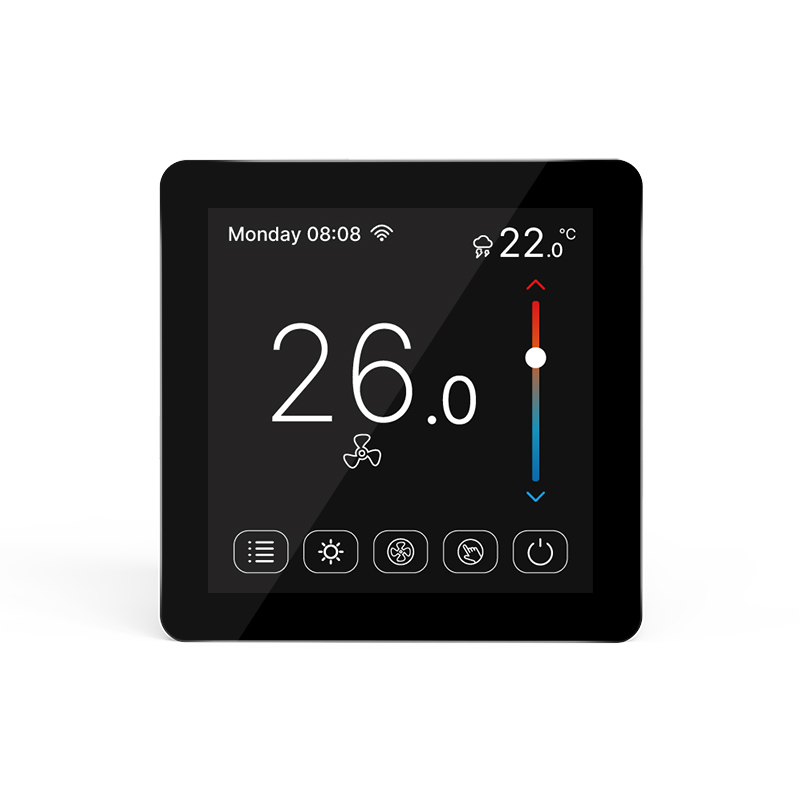
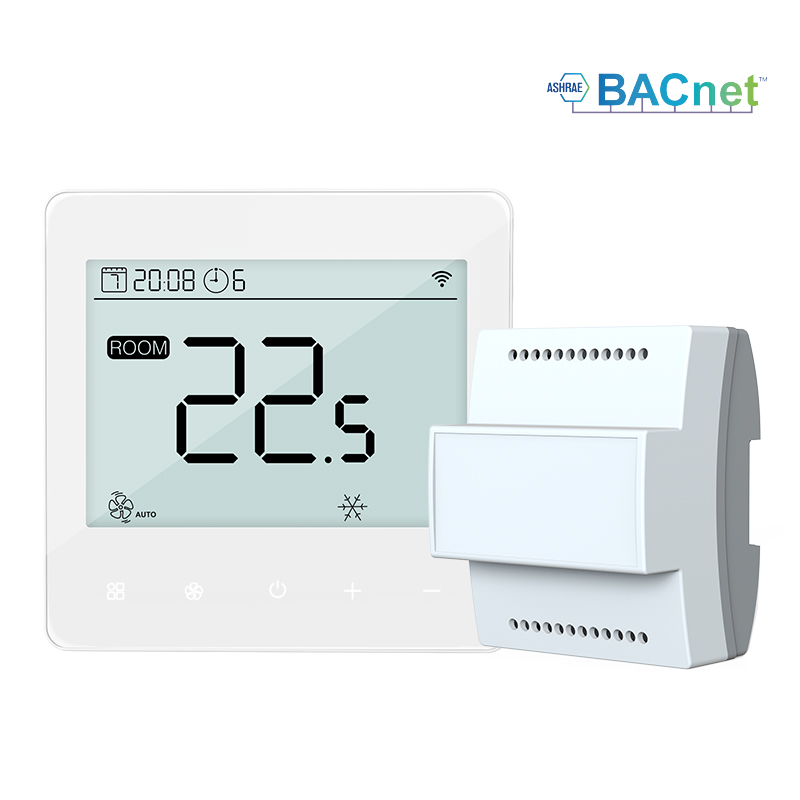
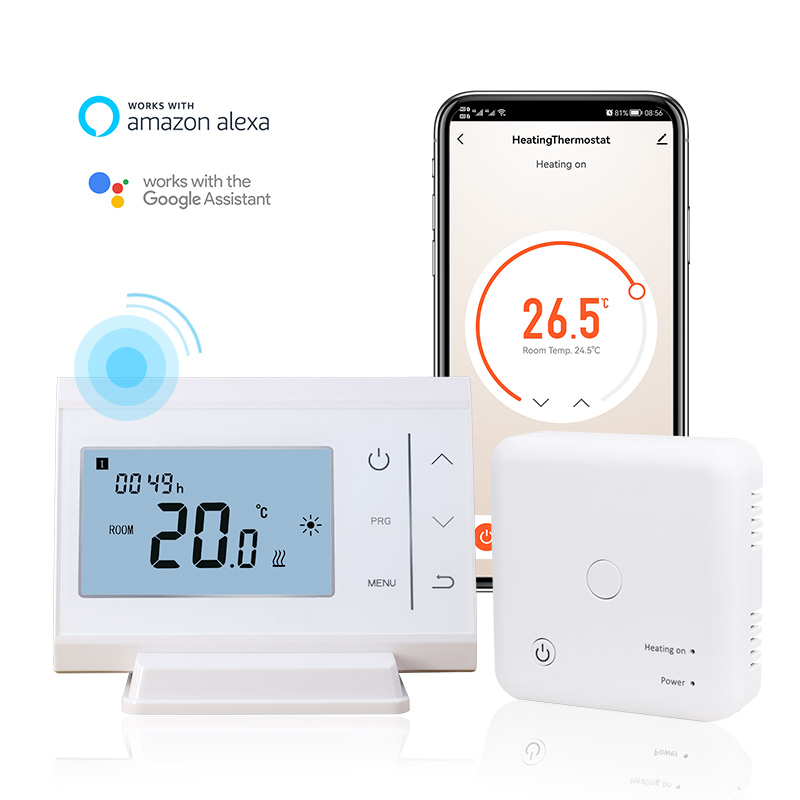
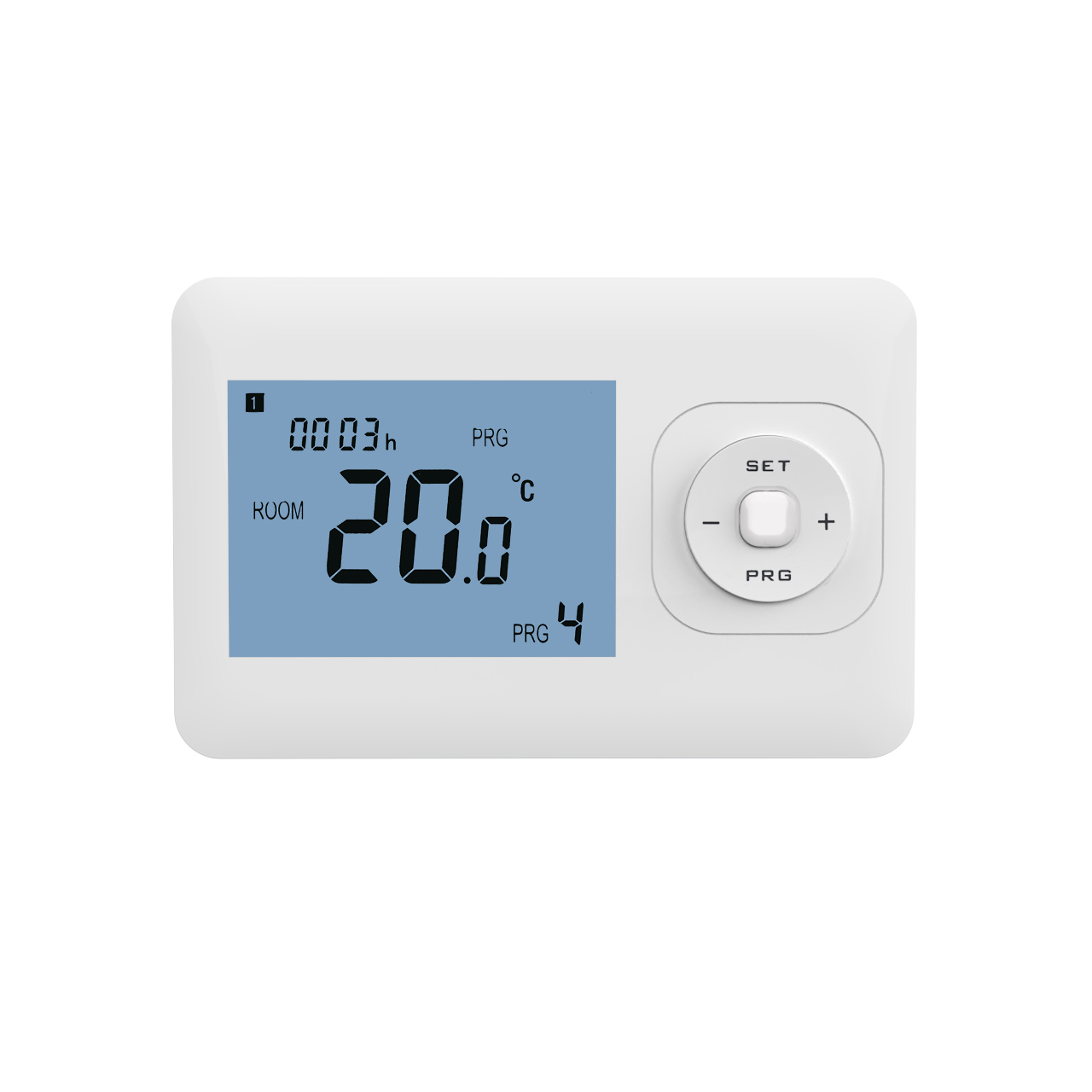
Achieving precise temperature control requires both hardware upgrades and optimized usage habits. Electronic thermostats, with their 0.5℃ precision adjustment and time-segmented programming capabilities, save 15%-20% more energy than mechanical thermostats. During installation, pay attention to the sensor location to avoid misjudgments due to proximity to doors, windows, or heating equipment. Regular maintenance is equally crucial: quarterly cleaning of heating element scale can improve thermal efficiency by 10%, adding water softener can extend the equipment’s lifespan, and adjusting the circulation pump speed can stabilize the temperature difference within the ideal range of 10℃-15℃.
From the “low-temperature, long-term supply” of underfloor heating to the “efficient convection” of radiators, from nighttime energy-saving modes to time-segmented programming control, setting the temperature of a boiler thermostat is far more than a simple numerical selection; it involves a comprehensive study of thermodynamics, ergonomics, and behavioral economics. By matching the characteristics of the terminal equipment, combining usage scenario needs, and leveraging intelligent temperature control technology, users can achieve a perfect balance between warmth and energy efficiency within the golden comfort range of 20℃-22℃. When technology empowers traditional heating equipment, every temperature adjustment becomes a precise control over the quality of life.