
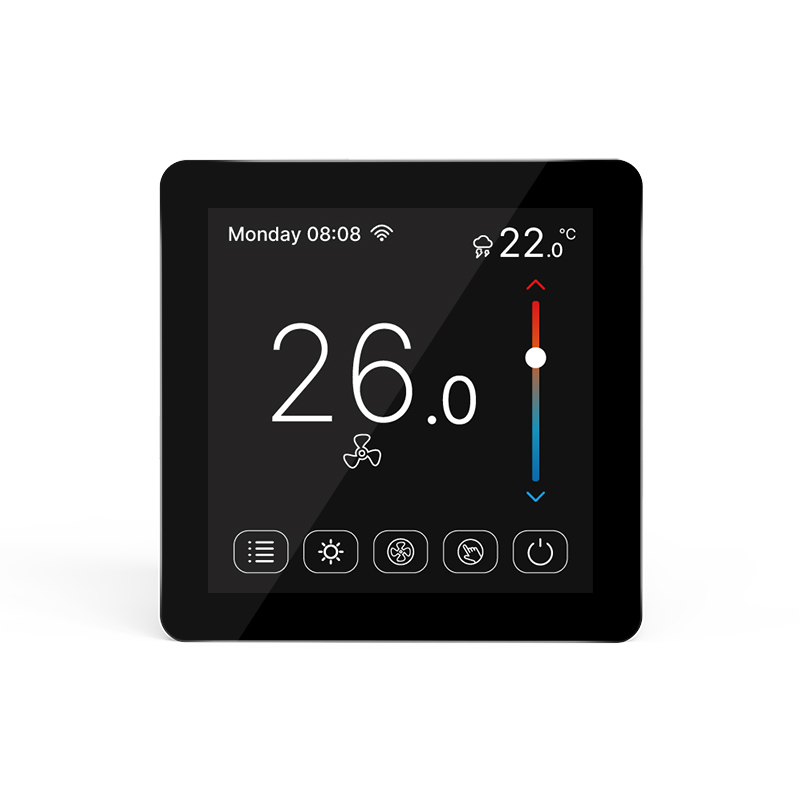
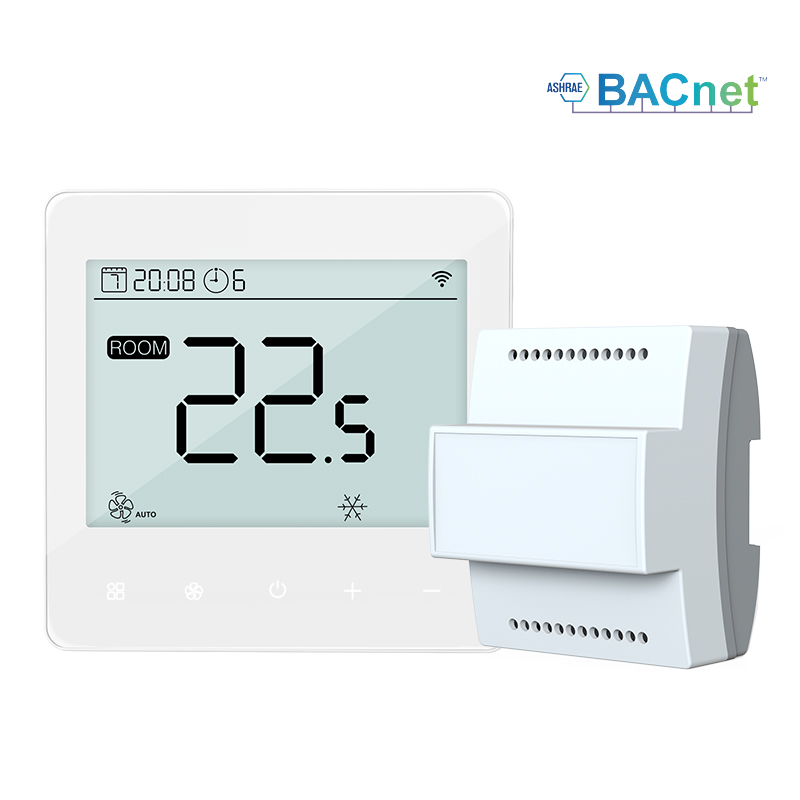
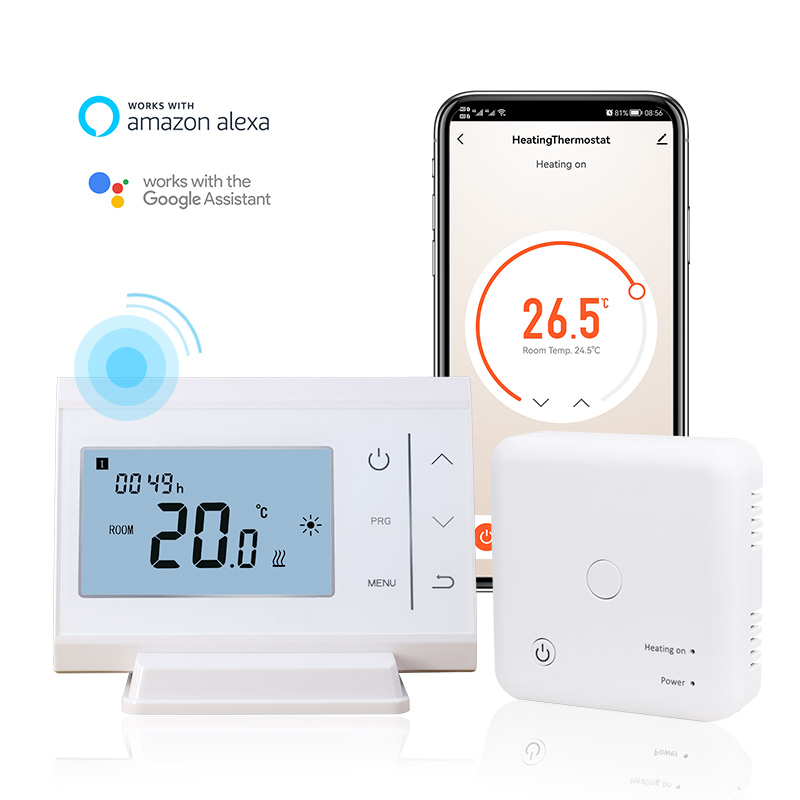
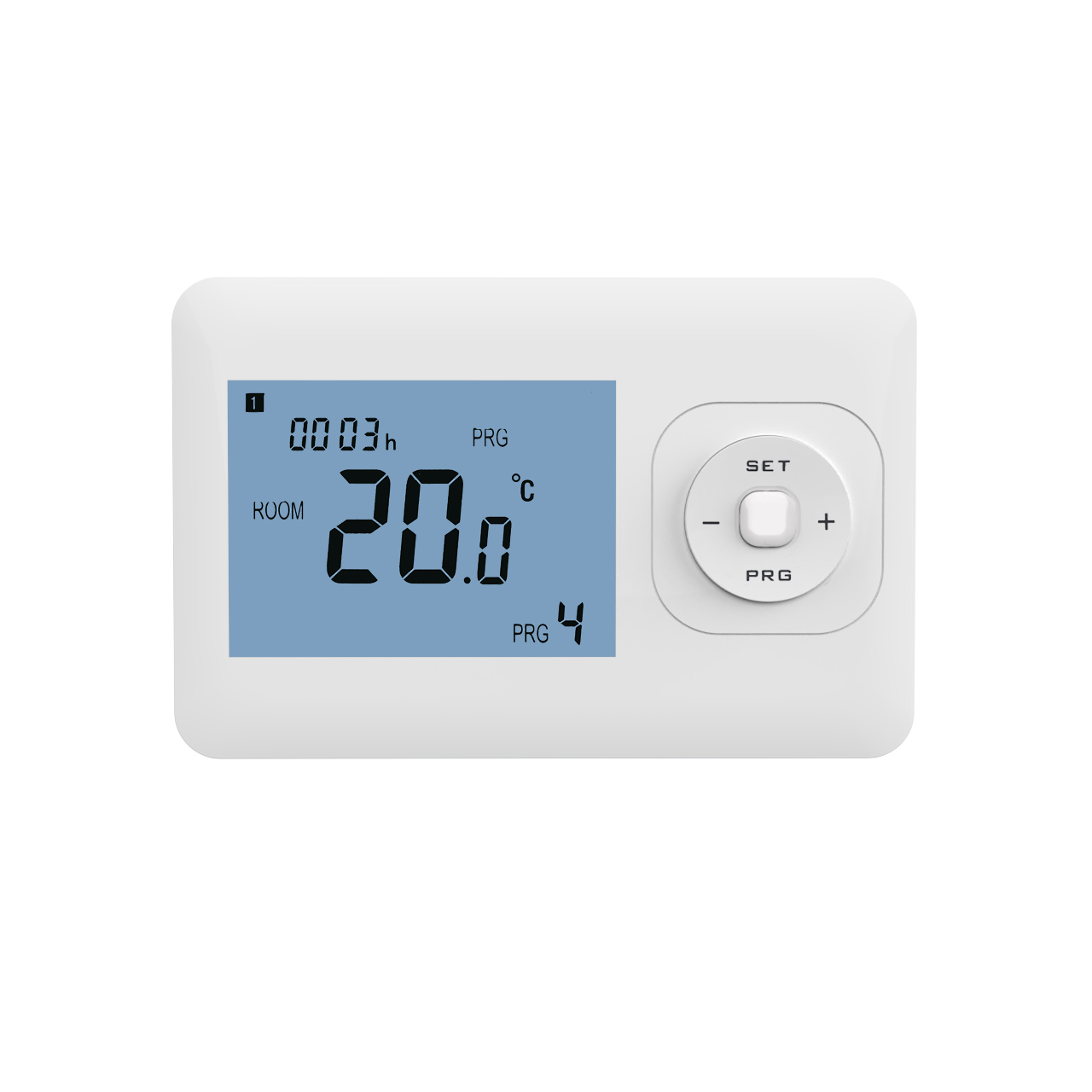
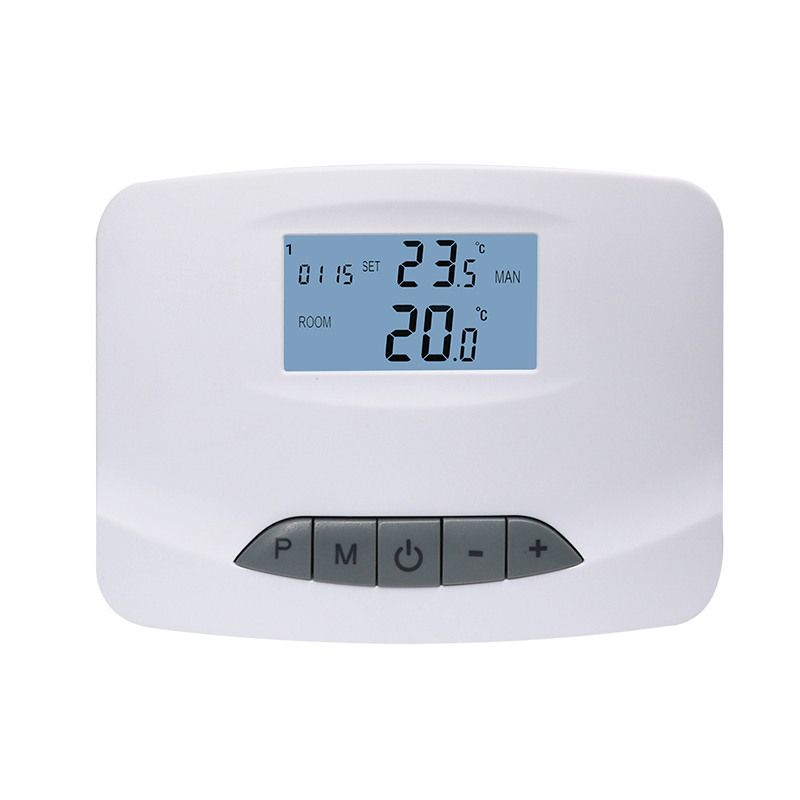
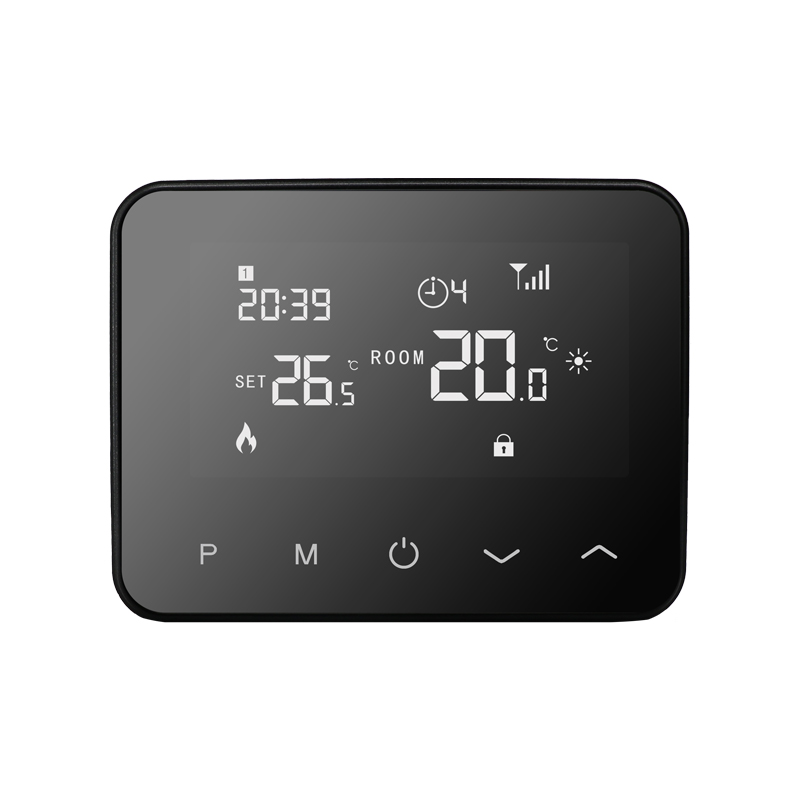
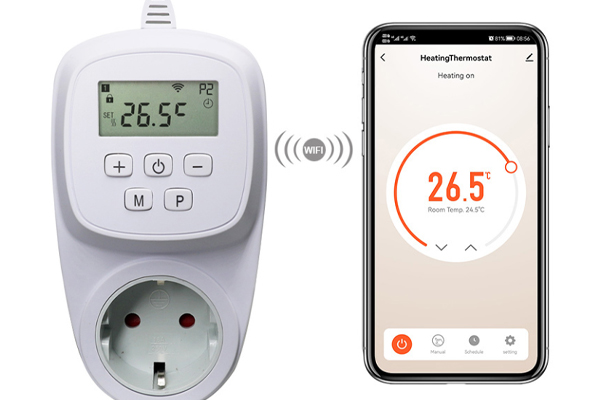
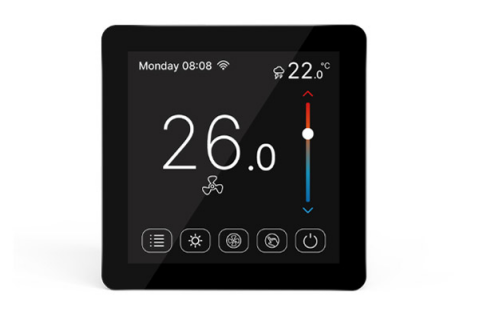
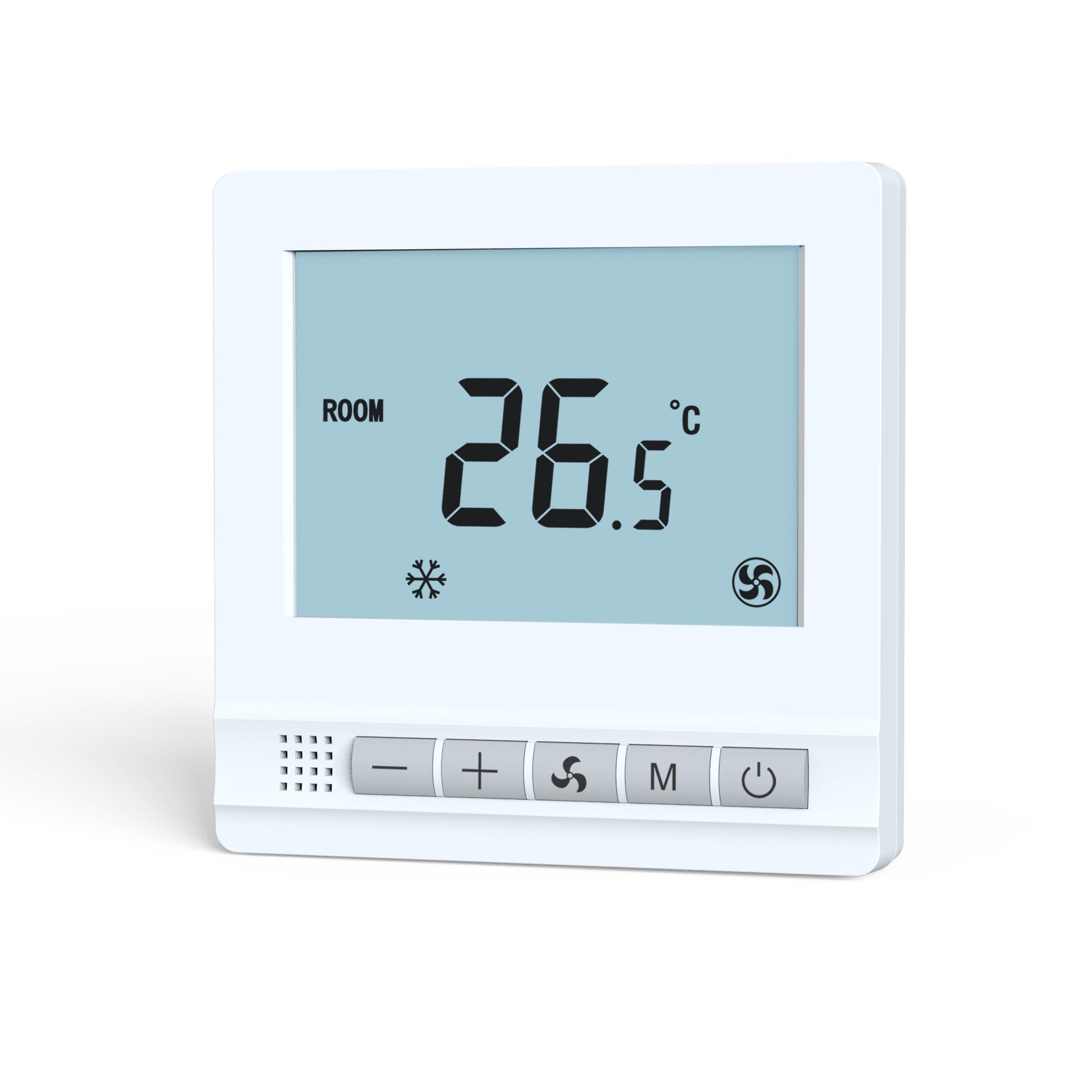


In the actual installation of underfloor heating systems, electrical control systems, or smart home systems, the installation location of the control box is often overlooked. Compared to equipment models, functional configurations, and the number of zones, the installation environment is often simply understood as “as long as it can fit.” However, as a core component integrating power supply, electrical control, and signal management, the installation location of the control box directly affects the system’s safety, stability, and lifespan. One very representative question is whether a control box can be installed in the bathroom. Bathrooms, due to their limited space and often proximity to pipe shafts or concentrated equipment areas, do offer certain conveniences in terms of wiring and space utilization. However, bathrooms are also among the areas with the highest humidity and highest concentration of moisture in a home or building, constantly experiencing moisture, condensation, and splashing water. If these conditions are not fully understood, blindly installing the control box in the bathroom may create hidden dangers for later operation and maintenance.
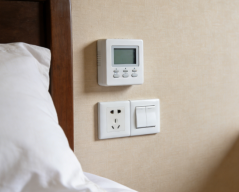
Installation environment requirements of control box
The Control Box is an Electrical Equipment
Whether it’s an underfloor heating control box or another system control box, it contains power modules, relays, control circuits, and wiring terminals, requiring a high degree of environmental stability.
Humidity and Protection Requirements
Most control boxes are better suited for installation in dry, well-ventilated environments. Prolonged exposure to high humidity can lead to moisture absorption, oxidation, or decreased insulation performance.
Typical characteristics of a bathroom environment
High Humidity Over Time
Bathrooms frequently generate moisture during daily use, especially after showering or washing, significantly increasing humidity. This is detrimental to electrical equipment.
Condensation and Splash Risks
即使控制箱没有直接接触水,由于温差,空气中的水分仍然会在设备上或设备内部凝结。
安全注意事项
Basic Principles of Electrical Safety
Electrical equipment should be kept away from water sources as much as possible. This is a fundamental safety principle, especially for control equipment that operates for extended periods.
Prevention of Electric Shock and Leakage Risks
In humid environments, the risk of electric shock and leakage is amplified if insulation aging or wiring problems occur.
Under What Conditions Is Installation “Possible” in the Bathroom?
Clear Protective Measures
If the control box has a high protection rating, coupled with a waterproof enclosure, sealing treatment, and reliable grounding, the risk can be reduced under certain conditions.
Reasonable Installation Location
避免安装在淋浴区、水槽附近或容易被水溅到的地方。最好选择相对干燥且隐蔽的区域。
不建议安装浴室的常见原因
Inconvenient Maintenance
Limited bathroom space restricts operation during maintenance and repair, increasing the difficulty of maintenance.
Unstable Operating Environment
湿度和温度的频繁变化不利于控制箱的长期稳定运行。
推荐的替代安装位置
Near Equipment Rooms or Pipe Shafts
These areas are usually dry, well-ventilated, and facilitate centralized wiring and maintenance.
Corridors, Storage Rooms, or Inside Cabinets
这些选址既保证了环境条件,又兼顾了美观和易用性。
从系统长期运行角度选择安装方案
Stability Over Convenience
Short-term installation convenience should not be a reason to sacrifice system safety and lifespan.
Standardized Installation Reduces Later Risks
合适的安装环境有助于降低故障率,提高整体用户体验。
Bathrooms, due to their high humidity and moisture content, are not ideal installation environments for control boxes, posing certain safety and stability risks in the long term. Therefore, when conditions permit, control boxes should be avoided in bathrooms. If bathroom installation is necessary due to space or structural limitations, thorough planning is essential regarding protection levels, installation location, moisture-proofing measures, and electrical safety, ensuring ease of future maintenance. However, from the perspective of long-term stable system operation, choosing a dry, well-ventilated, and easily maintainable area is always a more prudent and reasonable solution. A suitable installation location not only affects the equipment itself but also directly impacts the safety and user experience of the entire system.