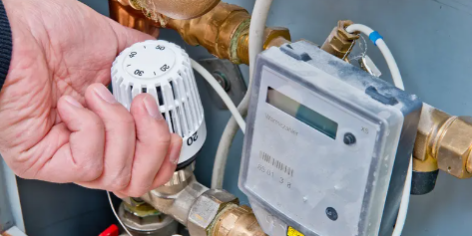
Electric floor heating has become an important heating solution in modern homes, valued for its comfort and energy efficiency. However, in cold regions or during winter low-temperature conditions, the proper operation of electric floor heating thermostats directly affects both heating performance and electrical safety. This article explains key precautions for using electric floor heating thermostats in low-temperature environments, covering safe use, temperature control, environmental adaptation, and maintenance.
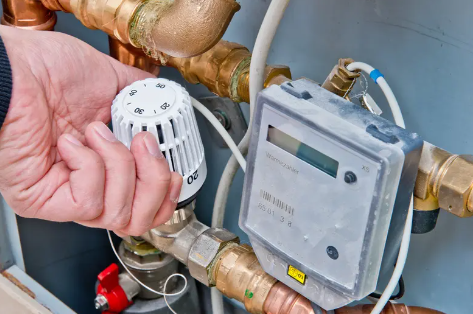
Ensure Proper Ventilation Around the Thermostat
Electric floor heating thermostats generate heat during operation. If installed in a confined space or too close to heavy furniture, heat dissipation may be insufficient. In low-temperature environments, thermostats may cycle more frequently, and poor ventilation can damage electronic components. Therefore, it is recommended to provide enough space around the thermostat for airflow and avoid covering it or placing it directly near other heat sources.
Set Temperature Parameters Reasonably
In low-temperature conditions, users often want the room to heat up quickly. However, setting the thermostat too high or frequently adjusting it increases electrical load. Recommended practices include:
Set an appropriate room temperature, typically 18–22°C for home heating.
Avoid frequent manual adjustments; use the thermostat’s timing and constant temperature functions for automatic control.
For programmable thermostats, enable low-temperature protection modes to prevent pipe freezing when room temperature drops too low.
Proper temperature settings not only ensure comfort but also extend the lifespan of the thermostat and the floor heating system while reducing energy waste.
Prevent Moisture and Condensation Damage
Low-temperature environments with large temperature differences may cause condensation on the thermostat surface. Moisture entering internal circuits can lead to short circuits or malfunctions. Install thermostats away from windows, doors, or damp walls, and consider using protective covers or sealing solutions if necessary. If condensation forms, wipe it off with a dry cloth and keep the environment dry.
Regular Inspection and Maintenance
Low temperatures can affect electronic devices over time, so regular inspections are important:
Check power cords and wiring terminals for secure connections, as low temperatures may cause contraction and loosening.
Ensure the thermostat display and temperature sensors function properly to prevent heating irregularities.
Clean surface dust to maintain heat dissipation and prolong the life of electronic components.
Regular maintenance effectively reduces the risk of thermostat malfunctions in cold conditions.
Emergency Handling and Safety Tips
In extreme low-temperature situations, if the thermostat shows abnormalities such as unresponsive displays or tripping circuits, immediately turn off the power and contact a professional technician. Avoid disassembling or using water to clean the internal components to prevent electric shock or damage. For areas left unused during winter, maintaining a low-temperature protection mode can prevent pipe freezing while keeping the thermostat safe.
Conclusion
Using electric floor heating thermostats in low-temperature environments requires attention to installation location, temperature settings, moisture protection, and regular maintenance. Ensuring proper ventilation, setting reasonable temperatures, preventing moisture intrusion, and performing routine checks can effectively enhance heating performance and electrical safety. Proper and scientific use of electric floor heating thermostats not only guarantees comfort during winter but also extends the lifespan of the system, providing reliable energy efficiency and safety for the household.