

In the installation of underfloor heating systems, wiring is often considered one of the most time-consuming and unseen steps. Compared to laying pipes or installing manifolds, wiring involves multiple steps, including route planning, zone mapping, actuator connection, and boiler-pump linkage. Improper design or operation can not only prolong the construction period but also easily lead to wiring errors, creating hidden dangers for later debugging and use. Especially in residential or commercial projects with many zones and complex system structures, traditional decentralized wiring methods often require a large amount of manual verification, resulting in low efficiency. As underfloor heating systems develop towards intelligence and modularity, underfloor heating wiring centers are gradually becoming an important solution for optimizing the installation process. With “centralized wiring and unified management” as the core concept, wiring centers integrate key components such as actuators, boilers, and pumps into a central hub, significantly reducing the complexity of on-site wiring and making the originally tedious wiring work clear and orderly. Wiring centers like the HR-02, specifically designed for wireless temperature control systems, demonstrate significant advantages in flexibility and efficiency.
Why is Traditional Underfloor Heating Wiring Time-Consuming?
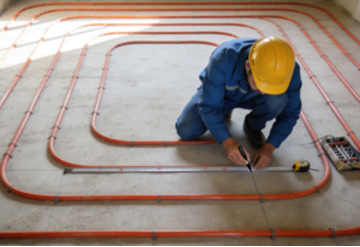
In traditional underfloor heating systems, wiring is often distributed. Each room’s thermostat, each actuator, boiler, and circulation pump requires separate wiring, resulting in complex routing and numerous nodes. Installers need to verify the wiring correspondences on-site, which is both time-consuming and requires experience. In this approach, if a single wire is connected incorrectly or is not clearly labeled, it can hinder the entire system’s commissioning, requiring rework and troubleshooting. Especially in multi-zone systems, the wiring complexity increases exponentially, naturally hindering installation efficiency.
Centralized Wiring Center
The core value of an underfloor heating wiring center lies in centralizing the previously dispersed connections into a clear control hub. Installers only need to connect all actuators, boilers, pumps, and other key components to the wiring center, which then manages signal and power distribution. This centralized structure directly reduces the number of lines and intersections that need to be handled on-site. The complex network that originally required multiple connections is simplified into a single “terminal-wiring center” logic, significantly reducing construction difficulty. For installers, the cabling process is more standardized and easier to replicate, significantly reducing overall installation time.
Standard Interface Design
Modern products, such as the HR-02 cabling center, typically employ clear and standardized interface designs. Each zone and each functional output is clearly labeled, and actuators, boilers, and circulation pumps can be directly connected via dedicated ports. This design reduces on-site “judgment” and “trial and error” time. Installers no longer need to repeatedly consult wiring diagrams or test interfaces one by one; instead, they can perform modular installation according to established logic. Even less experienced installers can quickly get started, avoiding efficiency fluctuations caused by human error.
One-Time Installation Covers More Space
Another advantage of cabling centers in reducing installation time lies in their efficient support for multi-zone systems. Cabling centers like the HR-02 support dual-capacity configurations of 8 or 16 zones, covering different needs from small residential areas to large commercial spaces. In traditional solutions, the more zones there are, the more complex the cabling becomes, and the significantly longer the installation time increases. By centrally managing multiple areas through a single cabling center, installers can complete core wiring work in one go, avoiding repetitive construction. This “centralized one-time completion” approach is a key factor in improving overall efficiency.
Centralized Actuator Access Reduces Repetitive Operations
In underfloor heating systems, the number of actuators often far exceeds that of other devices. The cabling center allows for the connection of up to multiple thermal actuators per area, enabling unified access and control of actuators within the same area. This centralized access method reduces the workload of repetitive wiring and scattered installation. Actuators no longer need to be individually connected to control lines; instead, unified management through the cabling center makes the installation process smoother and the construction rhythm more consistent.
Wireless Thermostat Collaboration Further Reduces Construction Time
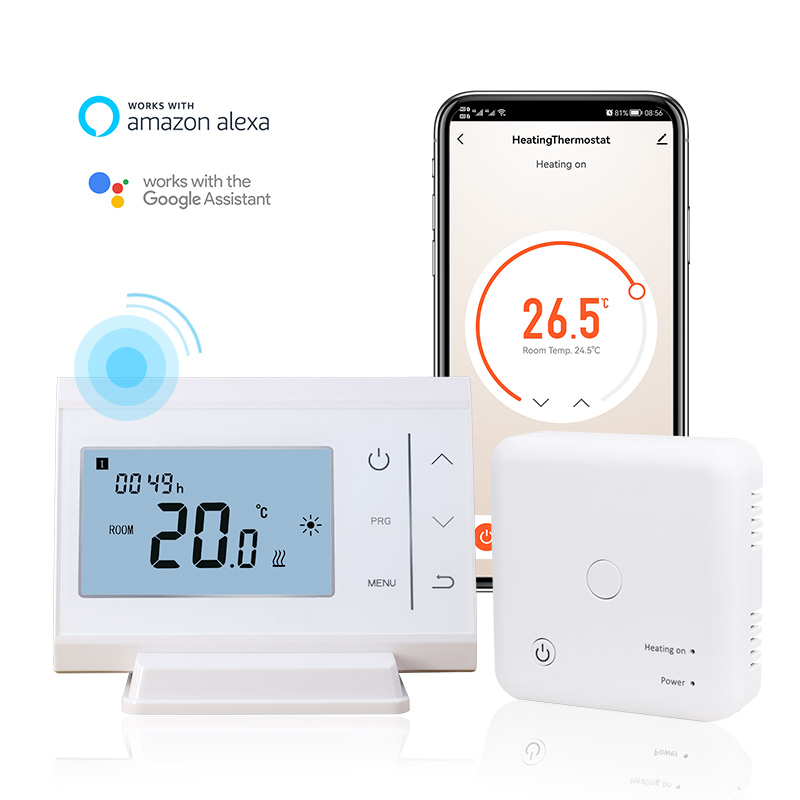
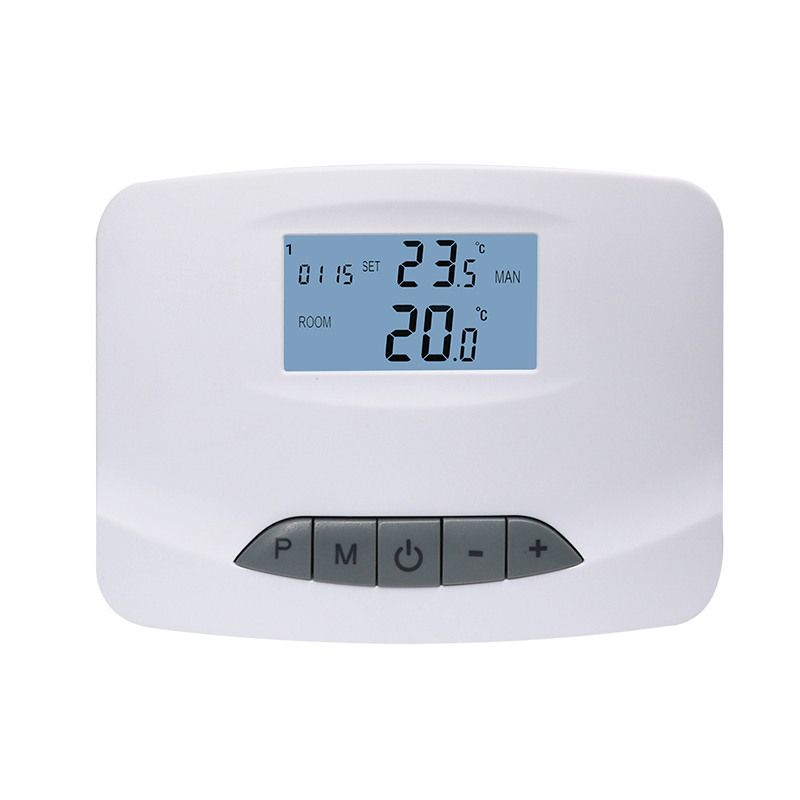
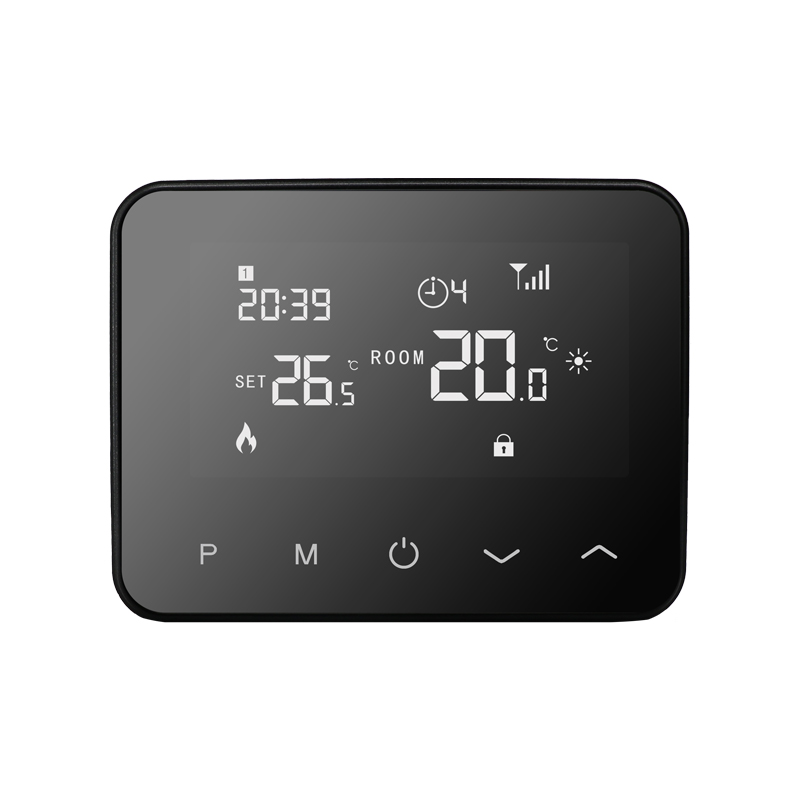
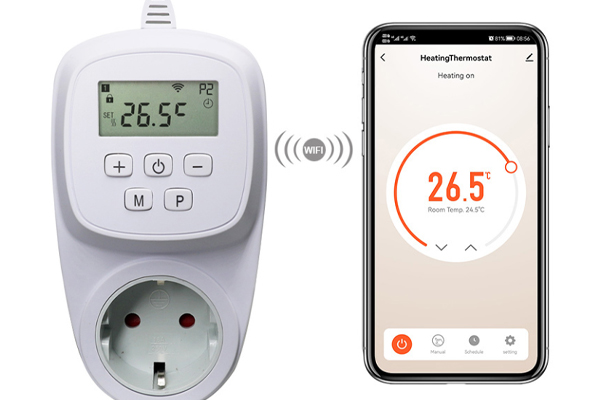
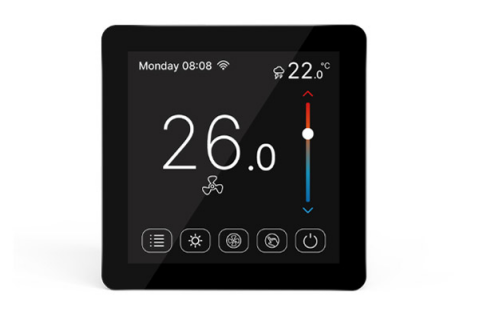
When the cabling center and wireless thermostats work together, the effect of shortening installation time is even more significant. Wireless thermostats reduce the steps of wall trenching and signal cable laying, while the cabling center is responsible for centralized back-end management. Less front-end cabling and better back-end management, combined, allow the underfloor heating system to significantly reduce on-site construction time while maintaining control accuracy. This clearly defined front-end and back-end architecture is a key trend in the efficient installation of modern underfloor heating systems.
Reducing Wiring Error Rates and Avoiding Rework Waste
Installation time depends not only on construction speed but also on the need for rework. The wiring center, with its clear structure and well-defined interfaces, significantly reduces the probability of wiring errors. Fewer errors mean smoother debugging, naturally avoiding a significant amount of unnecessary time wastage. From this perspective, the wiring center not only “speeds up installation” but also “prevents slowdowns.”
The key to significantly shortening installation time for underfloor heating wiring lies in the restructuring of the system structure by the wiring center. By centrally managing actuators, boilers, and circulation pumps, the complex and dispersed connections are integrated into a clear central hub, transforming underfloor heating wiring from “cumbersome manual operation” to “modular rapid installation.” Underfloor heating wiring centers, exemplified by the HR-02, with their multi-area support, standardized interfaces, and seamless collaboration with wireless thermostats, not only reduce the amount of on-site wiring but also lower the risk of wiring errors, making the installation process more efficient and controllable. Whether building a new underfloor heating system or upgrading an existing one, this centralized cabling solution significantly improves construction efficiency while ensuring system performance. The underfloor heating cabling center is not just an “accessory,” but a crucial tool driving the upgrade of underfloor heating installation methods. Through scientific cabling structure design, installation time is shortened, construction quality is improved, and ultimately, users experience a more efficient and reliable heating system.