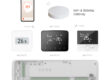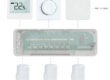
In modern underfloor heating systems, the wiring center, as the core control hub for thermostats, thermal actuators, boilers, and water pumps, undertakes the important tasks of signal aggregation, command forwarding, and equipment coordination. With the increasing popularity of multi-zone, intelligent underfloor heating systems, many residential and commercial users are paying attention to the performance of the wiring center during operation, with “noise” being a particularly prominent issue. The wiring center emits a slight sound during operation, leading some users to wonder: is this noise normal, or a sign of equipment malfunction? Noise perception not only affects living comfort but also impacts users’ trust in equipment quality and system stability. In fact, a certain amount of mechanical or electronic noise from the wiring center during operation is normal, but the source, magnitude, and duration of the noise are closely related to equipment design, operating status, and installation environment.
Working Principle of a Wiring Center
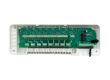
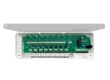
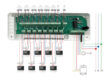
The core function of the wiring center is to aggregate and coordinate the signals from thermostats, thermal actuator status, and boiler and water pump operation information from various zones within the underfloor heating system. Internally, it mainly includes control circuits, relay modules, interface ports, and circuit boards for signal transmission and power distribution. In multi-zone cabling centers, such as HR-02 or HR-02C, the cabling center needs to manage multiple thermostats and actuators simultaneously, process various switching signals in real time, and drive the operation of boilers and circulating pumps. This centralized management method places a relatively high electrical and logical load on the cabling center, which may result in slight noise during operation.
Main Sources of Noise
Noise from cabling centers typically originates from the following sources:
Relay clicking sound: Relays, as circuit switching elements, emit a slight “click” sound when switching current on and off. This is a typical mechanical sound, and the noise becomes more noticeable, especially when multiple circuits are operated simultaneously in multiple zones, as the relay clicking frequency increases.
Slight vibrations from current passing through circuit boards: Circuit boards and electronic components may generate minute vibrations or magnetic fields when powered on, resulting in a slight humming sound.
Fans or heat sinks (if any): Some cabling centers are equipped with small fans or heat sinks for long-term stable operation. The slight knocking sound caused by fan rotation or the thermal expansion of metal heat sinks may also be perceived as noise by users.
External Equipment Interaction Noise: When the wiring center drives a boiler or water pump, the vibrations or mechanical noise generated by these devices can be transmitted to the surrounding environment through the wiring center’s casing, and may be mistaken for noise from the wiring center itself.
Is the Noise Normal?
Generally, the slight clicking sound of relays or humming of electronic components produced by the wiring center is normal. This noise is low-amplitude, intermittent, and does not affect equipment function or safety. Especially during multi-zone operation or initial startup, frequent relay operation leading to short-term noise increases is a manifestation of normal system adjustment and response. However, if the noise is abnormally significant, lasts for a long time, or is accompanied by abnormal current, overheating, or odors, it may indicate poor electrical contact, component aging, or loose installation, requiring timely inspection and maintenance.
Impact of Noise on User Experience
Although slight noise is normal, continuous or sharp mechanical noise in a bedroom or quiet office environment can still affect the user experience. Users have different sensitivities to noise; some people can ignore faint relay sounds, while others may find them disturbing. Therefore, when designing the installation location of the wiring center, choosing a location away from living and resting areas or implementing soundproofing measures is crucial for improving comfort.
Installation and Usage Recommendations for Reducing Noise
Reasonable Installation Location: Install the wiring center inside a cabinet, wall-mounted cabinet, or equipment room, avoiding direct exposure in bedrooms or office areas.
Secure Fixing: Ensure the wiring center and its internal components are securely fixed to reduce resonance caused by vibration.
Use Soundproofing Materials: Adding sound-absorbing pads or foam materials to the back panel of the equipment or the installation box can effectively reduce noise caused by vibration transmission.
Regular Maintenance: Clean relays and interfaces, and check the tightness of wire connections to prevent abnormal noise caused by loosening or oxidation.
Reasonable Operation and Scheduling: Properly configure boiler and water pump delayed start or zone control logic to reduce the frequency of relay engagement, reducing noise at the source.
The wiring center produces slight noise during operation, which is part of the normal operation of the underfloor heating system. Noise primarily originates from factors such as relay activation, electronic component vibration, heat dissipation components, or external device linkage. It is typically low-amplitude, intermittent, and does not affect equipment functionality or safety. This type of noise is more noticeable in multi-area, high-frequency operation scenarios and is a natural manifestation of the system executing commands and adjusting its state. However, if the noise significantly increases, persists, or is accompanied by other abnormal signals, it may indicate a potential equipment malfunction requiring timely troubleshooting. By selecting appropriate installation locations, securing equipment, using sound insulation materials, and performing regular maintenance, users can minimize noise impact and ensure a comfortable user experience.