

When home heating systems experience inaccurate temperatures or malfunctions, many people are unsure whether the problem lies with the thermostat or the boiler itself. In fact, these two types of faults are clearly distinct, and mastering simple troubleshooting methods can quickly pinpoint the problem and avoid unnecessary expenses.

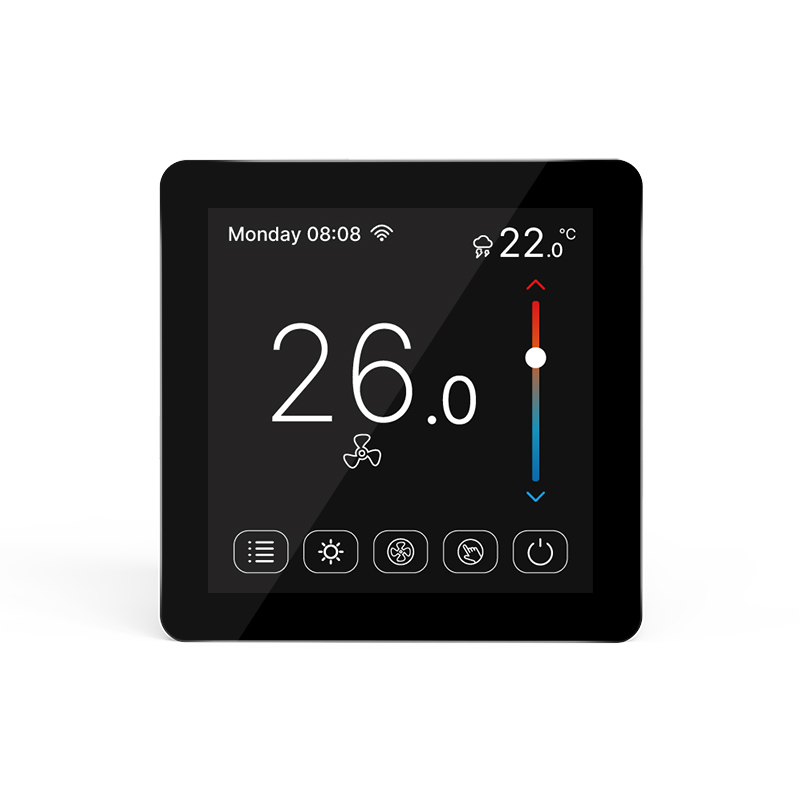
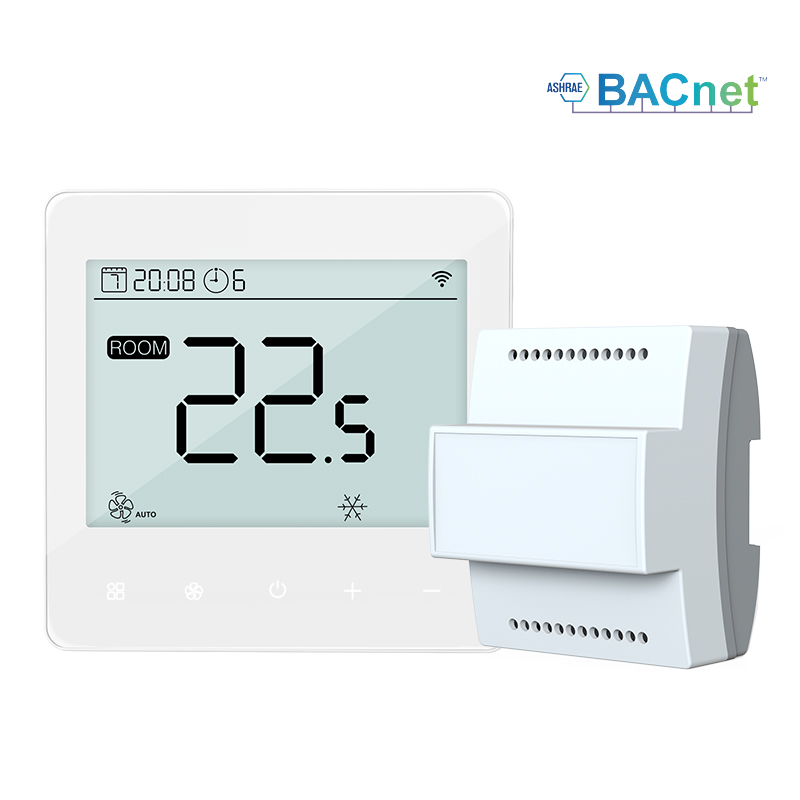
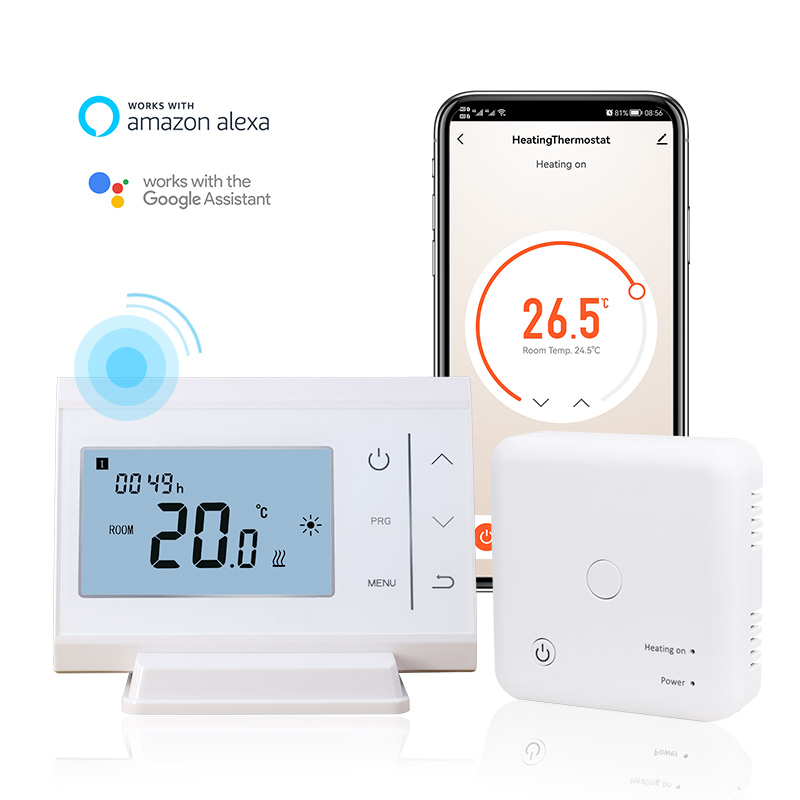
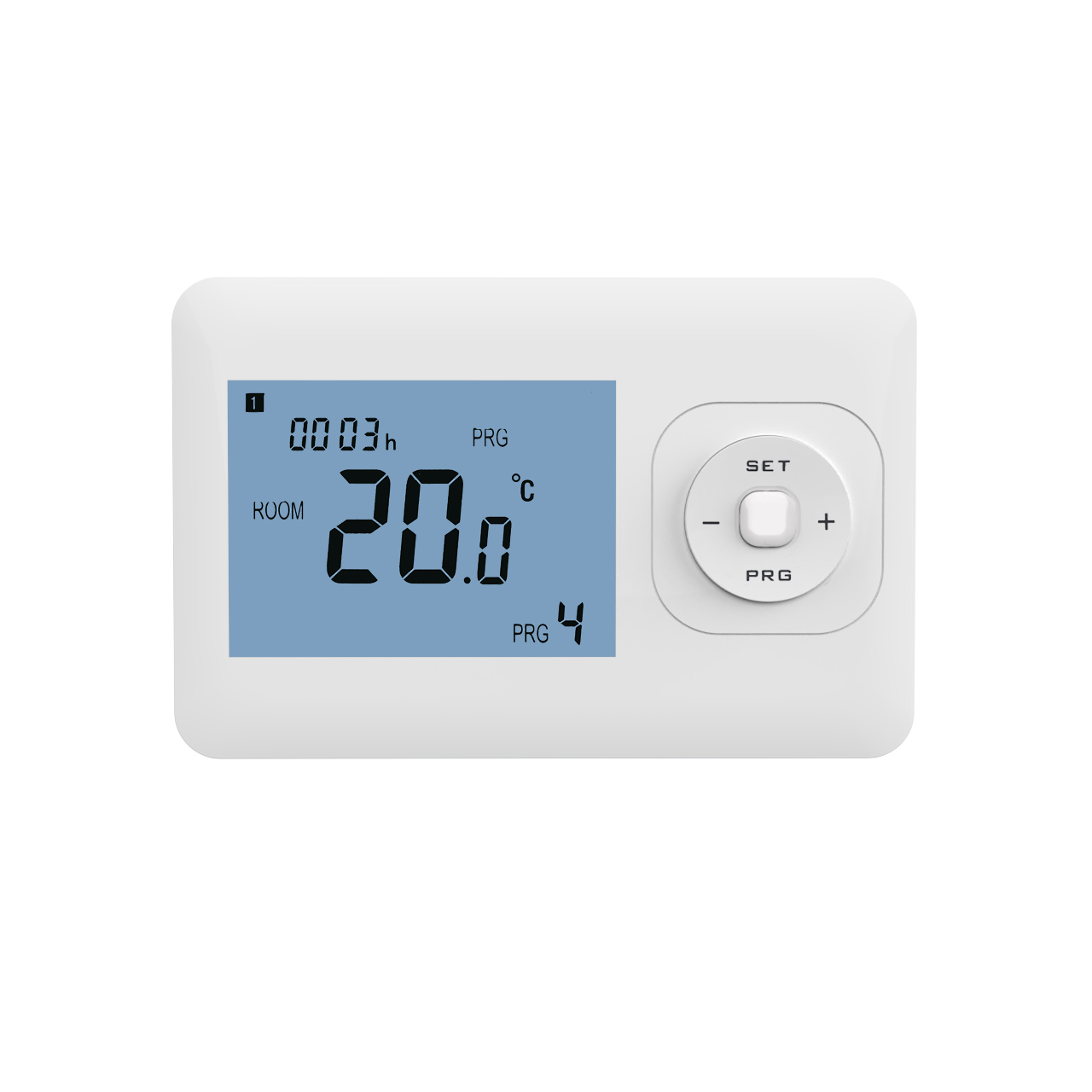
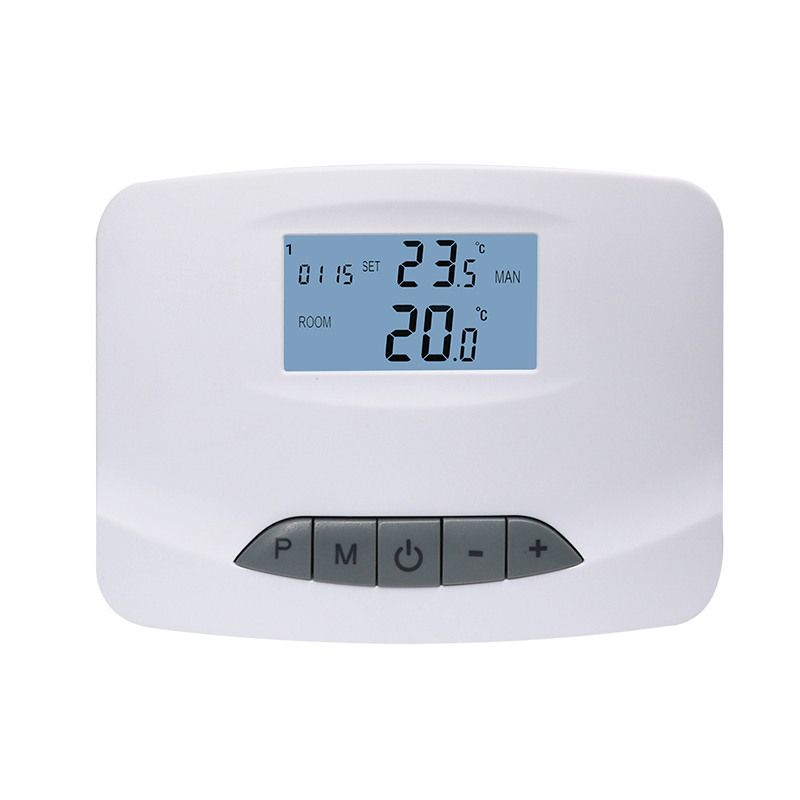
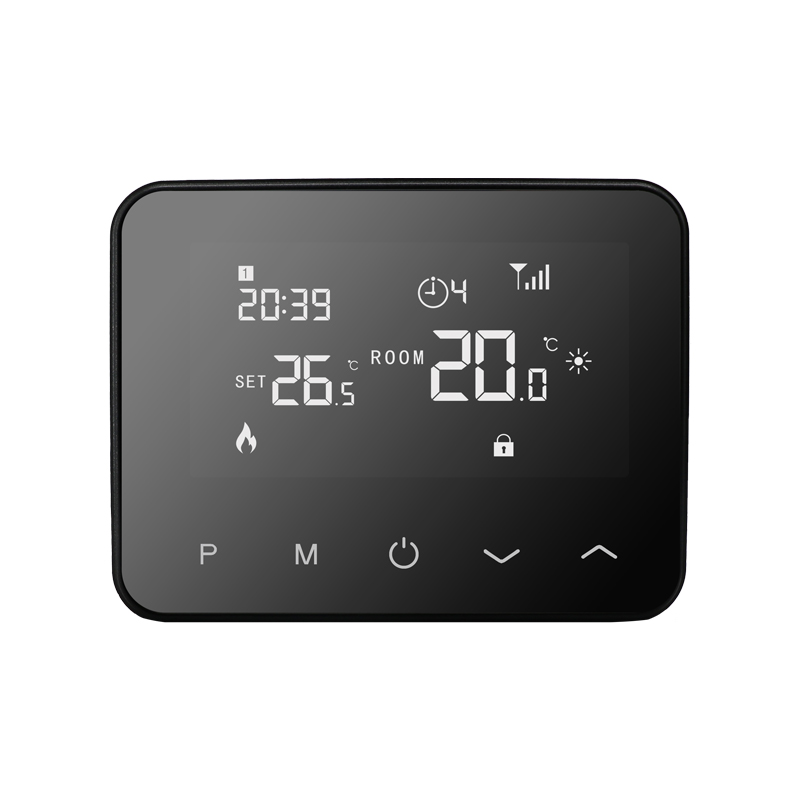
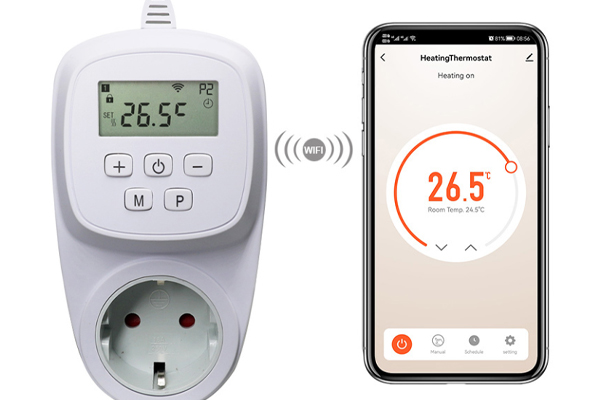
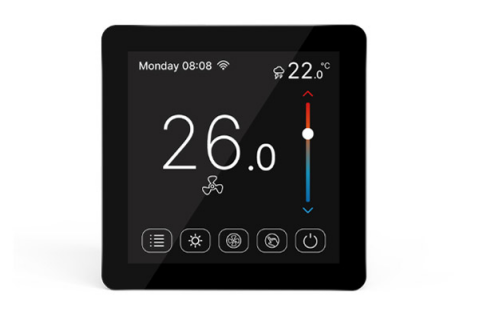
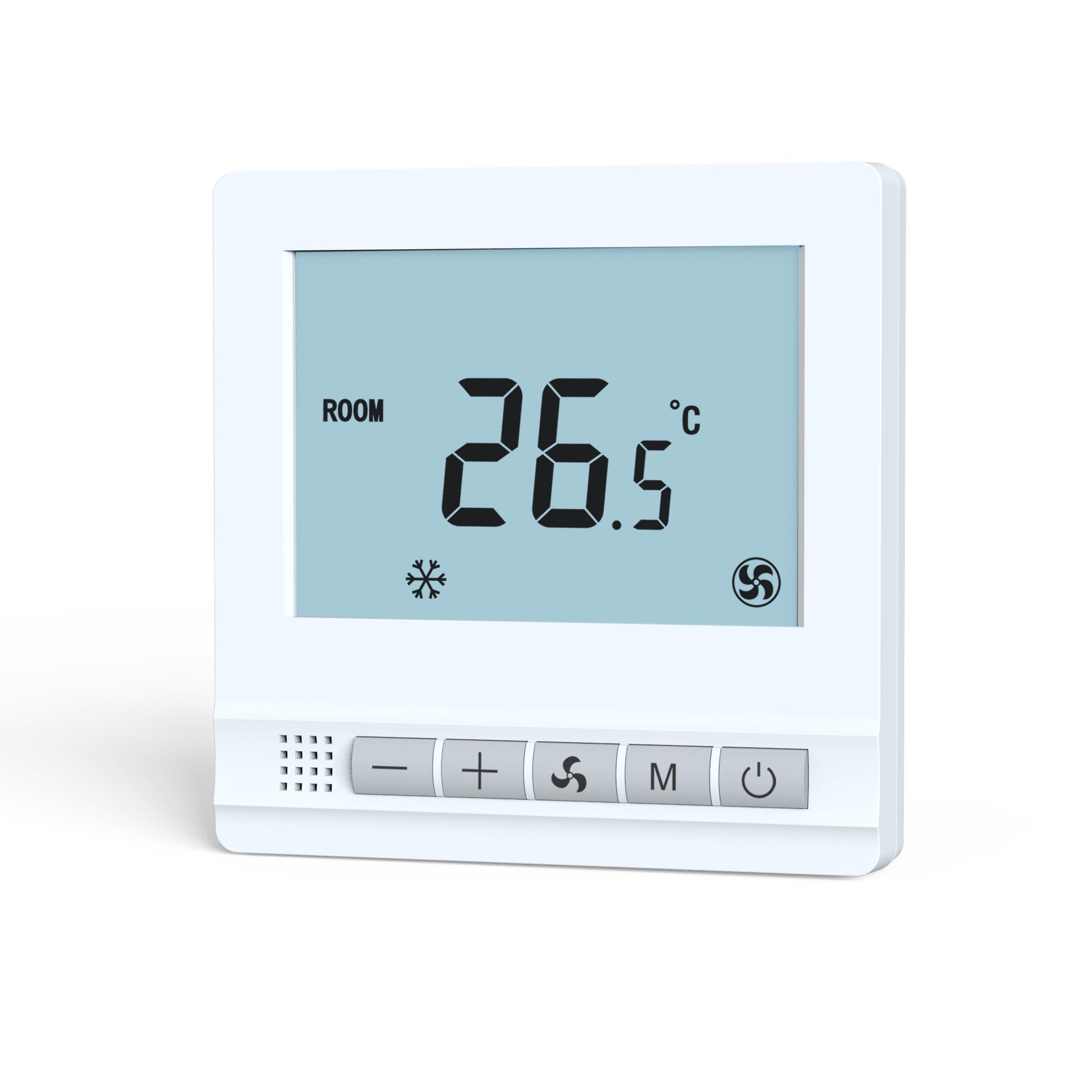
The most obvious signs of a thermostat malfunction are related to the display and control functions. If the thermostat screen is black, displays garbled characters, or the temperature reading fluctuates unstablely, it’s likely a problem with the power supply or display module. First, check if the thermostat is powered, check for loose connections, and ensure the fuse is blown. Some older thermostats are battery-powered; insufficient battery power can also cause display errors. Try replacing the batteries. If the displayed temperature differs significantly from the actual perceived temperature—for example, setting it to 25°C but the room feels like 10°C—the temperature sensor may be faulty. Sensors are usually located inside the thermostat or connected to a probe; over time, they may age or shift, leading to inaccurate temperature readings.
Boiler malfunctions, on the other hand, are more directly related to the heating function. If the boiler won’t start at all, first listen for an ignition sound—if you hear a “click” but it won’t ignite, there might be a problem with the gas supply. Check if the gas valve is open, if the gas meter is on hold, or if the gas pipes are blocked by foreign objects. If the boiler ignites but quickly goes out, combustion might be incomplete, such as low gas pressure or insufficient air intake. You’ll need to clean carbon deposits in the combustion chamber or adjust the air damper. If the boiler keeps burning but the room isn’t warm, there might be a problem with the water circulation, such as a non-functioning circulation pump, air blockage in the pipes, or radiators being clogged with dirt. You’ll need to bleed the air or clean the pipes.
Some malfunctions are caused by the thermostat and boiler being “linked,” which can be confusing. For example, if the boiler doesn’t start after setting the temperature, the thermostat might not be sending a signal to the boiler. You can try increasing the thermostat temperature and observing if the boiler responds; or temporarily disconnect the thermostat and operate the boiler directly to see if it runs. If the boiler works independently, the problem lies with the thermostat. Conversely, if the thermostat displays normally but the boiler is unresponsive, the boiler’s main control board may be faulty, or the signal receiving line may be broken.
Routine maintenance can reduce the occurrence of these two types of malfunctions. Thermostats should be kept away from direct sunlight and damp areas, and dust should be wiped clean with a soft cloth regularly to prevent poor contact. The boiler should ideally undergo a comprehensive inspection before the annual heating season, including cleaning the combustion chamber, inspecting gas pipelines, testing the circulation pump, and descaling the pipes in areas with hard water. If you are still unable to resolve the issue after troubleshooting, do not blindly disassemble the equipment; it is safer to seek professional repair.
Thermostats and boilers are like the “brain” and “heart” of the heating system; one issues commands, and the other executes them. When the system malfunctions, first observe whether the fault is concentrated in the display control or the heating function. Then, combining this with simple troubleshooting steps, you can quickly determine the source of the problem. Mastering these methods will not only save repair time but also prevent you from being misled by unscrupulous vendors into replacing unnecessary parts, making your home’s heating system more stable and cost-effective.