With the growing popularity of electric floor heating systems in residential applications, the electric floor heating thermostat has become one of the most frequently used control devices in daily life. Whether the interface is intuitive and whether its functions are easy to understand directly affect heating performance and user experience. For many users, the icons and parameters on the interface may look simple, yet their meanings are not always fully understood. This article provides a comprehensive explanation of electric floor heating thermostat interfaces to help users operate and configure them correctly.
Basic Structure of the Thermostat Interface
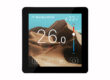
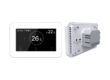
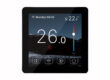
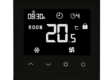
A typical electric floor heating thermostat interface consists of two main parts: the display area and the control area. The display area shows key information such as current temperature, set temperature, operating status, and time, while the control area allows users to adjust settings via buttons or a touch screen.
Among all displayed information, the current room temperature and the set temperature are the most important. The current temperature reflects the actual indoor condition, while the set temperature represents the target heating level. The comparison between these two values determines whether the heating system is actively running.
Temperature Display and Adjustment Interface
Temperature adjustment is the most basic and frequently used function of an electric floor heating thermostat. The interface usually includes “+” and “–” buttons or a sliding control for setting the desired temperature.
Some thermostats support switching between floor temperature display and room temperature display. Floor temperature control helps protect the heating system by preventing overheating, while room temperature control better aligns with human comfort. Clear icons or text prompts on the interface help users identify the current control mode and avoid incorrect settings.
Operating Modes and Status Indicators
The thermostat interface typically shows multiple operating modes, such as manual mode, automatic mode, and energy-saving mode. In manual mode, the system maintains a fixed temperature set by the user. Automatic mode adjusts the temperature according to predefined time schedules, while energy-saving mode is commonly used at night or during unoccupied periods to reduce power consumption.
In addition, heating status indicators are displayed on the interface. When the heating icon is illuminated, the system is actively heating; when it turns off, the set temperature has been reached. These indicators allow users to quickly understand the operating status of the system.
Time and Program Setting Interface
Thermostats with scheduling functions include time displays and program-setting menus. Users can set different temperature levels for different time periods, enabling automatic temperature control throughout the day.
Correctly understanding the time-setting interface is crucial. The system clock must be accurately set to ensure that scheduled programs match actual daily routines. Program interfaces are usually displayed in time segments, allowing users to follow step-by-step instructions to complete the setup easily.
Auxiliary Functions and Interface Notifications
Some electric floor heating thermostats also display auxiliary information such as lock status, fault alerts, or sensor conditions. For example, when the child lock is activated, a lock icon appears on the screen to prevent accidental operation. If a temperature sensor malfunctions, the interface may display a warning symbol or error code.
Understanding these notifications helps users identify issues promptly and take appropriate action, ensuring both safety and heating performance.
Conclusion
Although electric floor heating thermostat interfaces may appear simple, they integrate multiple functions including temperature control, mode selection, scheduling, and status indication. By fully understanding each display element and its operating logic, users can improve comfort, enhance energy efficiency, and ensure stable system operation. Proper use of the thermostat interface is essential for maximizing the performance of an electric floor heating system.