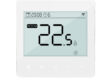
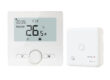
The thermostat sensor is a key component of a temperature control system, responsible for detecting ambient temperature. Its operating condition directly affects temperature accuracy and overall system stability. When a sensor becomes inaccurate or fails, problems such as abnormal temperature display, frequent on-off cycling, or failure to reach the set temperature may occur. By using standardized testing methods, it is possible to determine whether a thermostat sensor is functioning correctly and provide a basis for further maintenance or adjustment.

Compare Displayed Temperature with Actual Temperature
Testing can begin with the most intuitive method: comparing the thermostat’s displayed temperature with the actual ambient temperature. Place the thermostat in a stable environment and use a calibrated thermometer to measure the same location. If the displayed temperature consistently differs from the actual reading by a noticeable margin and does not return to normal under stable conditions, the sensor may be inaccurate. Minor short-term fluctuations are usually acceptable, but persistent deviation indicates a potential issue.
Check the Response Speed to Temperature Changes
A properly functioning sensor should respond reasonably quickly to changes in ambient temperature. A simple test can be performed by briefly exposing the thermostat to a warmer or cooler area and observing how the displayed temperature changes. If the surrounding temperature changes clearly but the display reacts very slowly or shows little to no change, the sensor may be aging or experiencing internal contact problems.
Measure Sensor Resistance to Evaluate Performance
When conditions allow, measuring the sensor’s resistance with a multimeter provides a more detailed assessment. Different sensor types have specific resistance ranges at given temperatures. By comparing the measured value with the manufacturer’s specifications, it is possible to determine whether the sensor is operating within a normal range. Irregular resistance behavior or values that do not change predictably with temperature often indicate degraded sensor performance.
During this test, attention is usually given to the following points:
Ensure power is disconnected before measurement
Keep the measurement environment temperature stable
Refer to the correct specifications for the sensor model
These steps help improve the reliability of the test results.
Inspect Installation Position and External Influences
Sensor performance is also influenced by its installation position. If the sensor is installed too close to heat sources, cold drafts, or strong airflow, temperature readings may be distorted. Testing should include checking whether the sensor is securely installed and free from obstruction or external interference. Eliminating installation-related factors before evaluating the sensor itself helps avoid misjudgment.
Evaluate Overall System Operation Behavior
Abnormal thermostat sensor behavior often becomes evident through system operation. Symptoms may include frequent cycling, unstable temperature control, or inconsistent response to setpoint changes. By observing how the system responds to temperature changes relative to the set value, it is possible to make an overall judgment about sensor condition. When the set temperature is reasonable but system performance remains irregular, the sensor is often a primary component to inspect.
Conclusion
Testing whether a thermostat sensor is functioning properly involves comparing displayed and actual temperatures, checking response speed, measuring resistance, reviewing installation conditions, and observing system operation. A step-by-step evaluation helps identify potential issues and supports stable temperature control performance. Using a systematic testing approach reduces the risk of misdiagnosis and contributes to reliable long-term operation of the thermostat system.