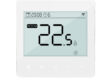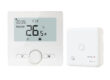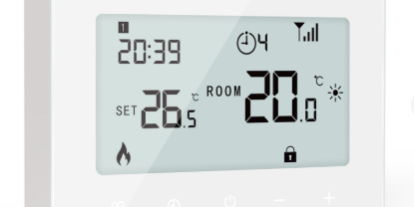
A home thermostat plays an important role in regulating indoor temperature, and the right model directly affects living comfort and energy efficiency. Different households vary in building layout, heating or cooling systems, and daily usage habits, so selecting a suitable thermostat model should be based on actual needs. Understanding key selection factors helps avoid inappropriate choices and allows the thermostat to perform more reliably in a residential environment.
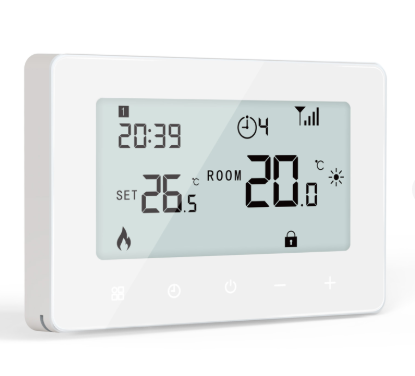
Identify the Type of Home Temperature Control System
Before selecting a thermostat, it is essential to confirm the type of temperature control system used in the home, such as underfloor heating, radiator heating, central air conditioning, or split air-conditioning systems. Different systems have different control methods, voltage requirements, and output configurations. If the thermostat model is incompatible, inaccurate control or malfunction may occur. Clarifying the system type helps narrow down suitable options efficiently.
Match the Thermostat to Home Size and Layout
Home size and layout are also key considerations when choosing a thermostat. Smaller homes with centralized spaces usually have more basic control requirements, while larger homes or those with complex room layouts benefit from models that support zoning or more precise temperature management. Proper matching with the home’s structure helps reduce uneven heating or cooling and improves overall comfort.
Focus on Temperature Control Accuracy and Responsiveness
The primary function of a thermostat lies in its ability to sense and regulate temperature accurately. Models with higher control precision and faster response help maintain a stable indoor environment and reduce frequent system cycling. When comparing options, attention can be paid to the stated temperature accuracy range and the type of sensor used, as these factors directly influence everyday user experience.
During comparison, it is useful to observe:
Whether the temperature display is clear and stable
Whether temperature adjustment steps are sufficiently fine
How quickly the thermostat responds to temperature changes
These details provide insight into long-term household suitability.
Choose Based on Operating Style and User Habits
Household members may have different preferences regarding operational complexity. Some thermostats feature physical buttons that offer straightforward control and suit users who value simplicity. Other models include touchscreens or remote control functions for more flexible temperature management. Selecting a thermostat with intuitive operation that matches user habits helps ensure consistent and convenient daily use.
Consider Installation Conditions and Maintenance Needs
Installation conditions within the home can influence thermostat selection. Wall structure, available wiring, and mounting height all affect which models are suitable. Maintenance and replacement convenience should also be considered. Choosing a thermostat with a mature design and straightforward maintenance requirements can help reduce long-term usage costs and support stable operation.
Conclusion
Choosing the right thermostat model for a home involves considering system compatibility, house layout, temperature control accuracy, operating style, and installation conditions. By clearly identifying household needs and matching them with appropriate thermostat features, it is possible to improve temperature control performance and living comfort. A well-chosen thermostat supports reliable daily operation and contributes to a more comfortable home environment.