

With the rapid development of energy-efficient buildings and smart HVAC systems, EC fans (Electronically Commutated fans) are increasingly used in Fan Coil Unit (FCU) applications. Compared with traditional AC fans, EC fans offer clear advantages in energy efficiency, noise reduction, and speed control accuracy. However, to fully realize these benefits, selecting a thermostat that truly supports EC fan control is essential. This article focuses on key selection criteria and provides a performance review of a recommended digital FCU thermostat with Modbus and BACnet support.
Why EC Fans Require a Compatible Thermostat
EC fans use electronically commutated motors that allow continuous speed modulation and high-efficiency operation. If a conventional thermostat with only three-speed AC fan outputs is used, the advantages of EC fans cannot be fully utilized, and control instability may even occur.
Thermostats designed for EC fans typically support 0–10V analog control, PWM signals, or digital communication protocols, enabling dynamic fan speed adjustment based on real-time room temperature. This results in smoother airflow, reduced energy consumption, and lower operating noise. Such thermostats are especially suitable for commercial buildings, hotels, and office spaces where comfort and efficiency are high priorities.
Key Selection Criteria for EC Fan Thermostats
When selecting a thermostat that supports EC fans, several factors should be carefully evaluated.
First, compatibility with EC fan control interfaces is fundamental. Common control methods include 0–10V speed control and digital communication, and broader compatibility allows the thermostat to work with a wider range of EC fan models.
Second, temperature and fan speed control accuracy plays a crucial role. A high-quality thermostat can adjust fan speed smoothly according to temperature deviation, reducing frequent start-stop cycles and extending equipment lifespan.
System integration capability is another important consideration. Thermostats that support Modbus RTU or BACnet protocols can easily integrate into Building Management Systems (BMS), enabling centralized monitoring, remote control, and energy analysis.
Product Recommendation: Digital FCU Thermostat with Modbus/BACnet Support
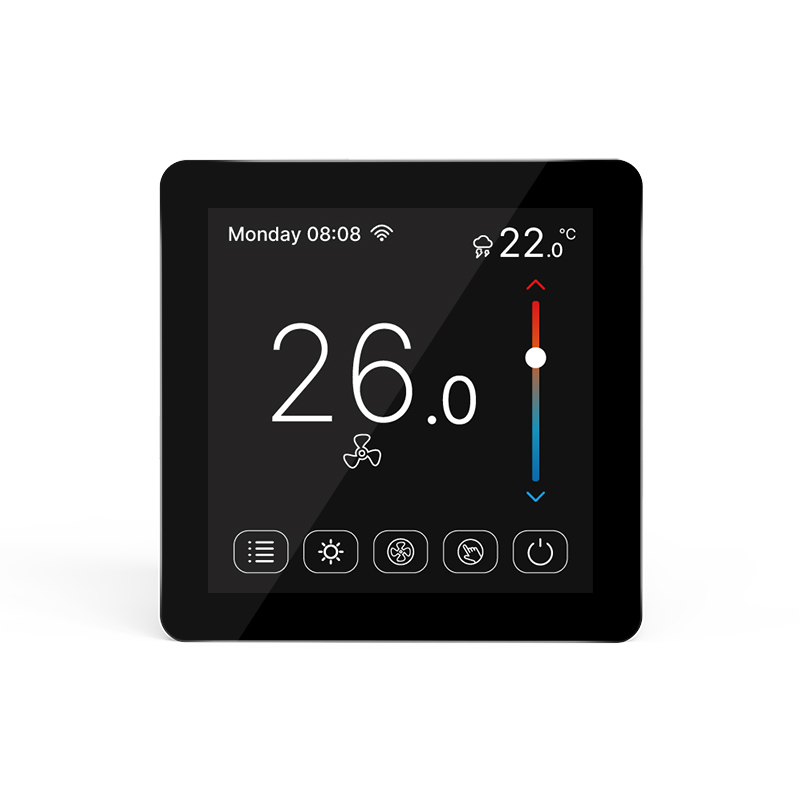
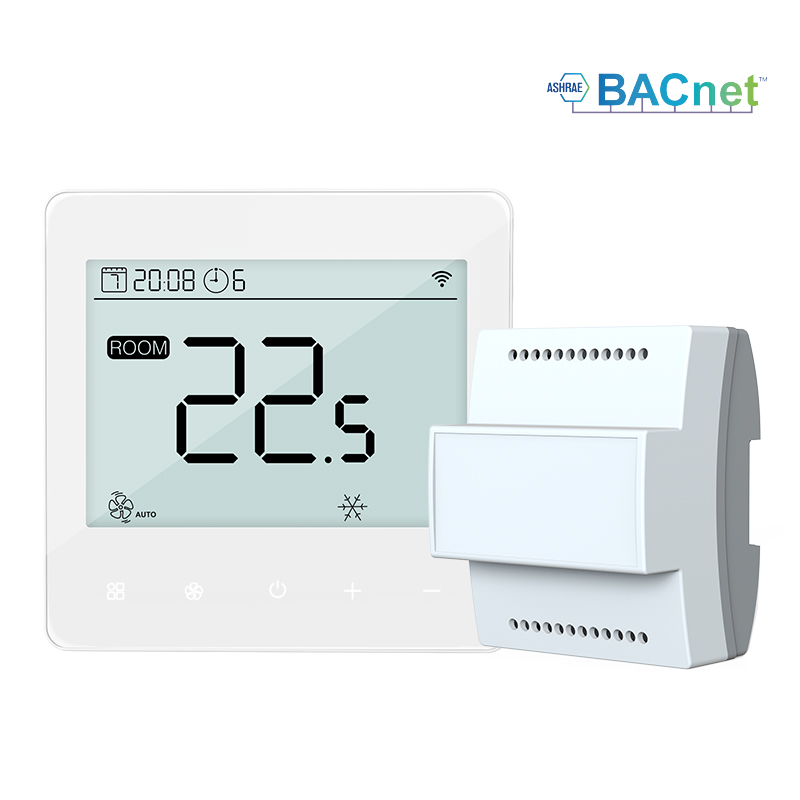
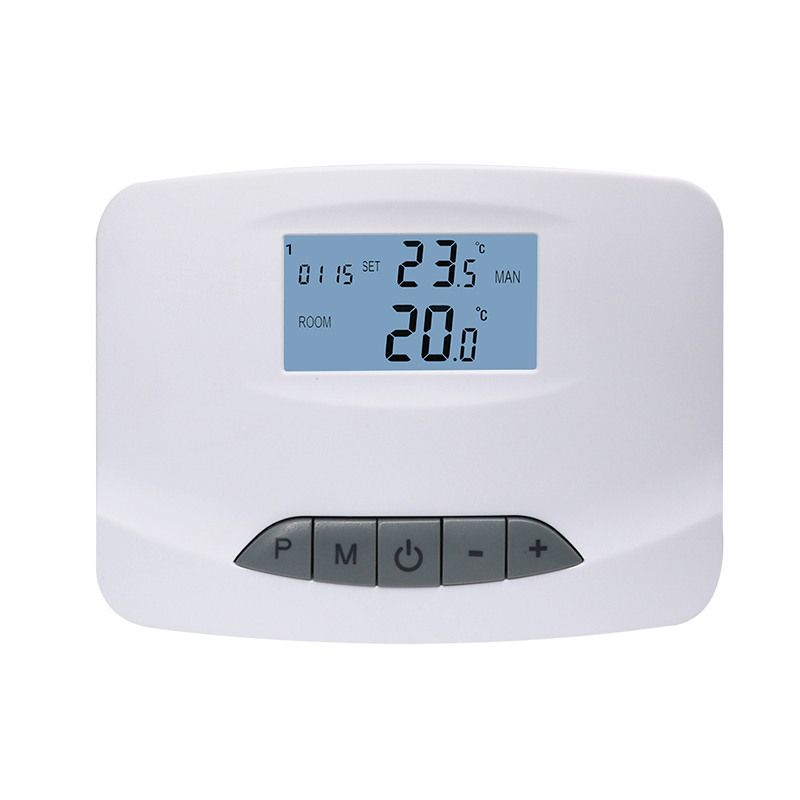
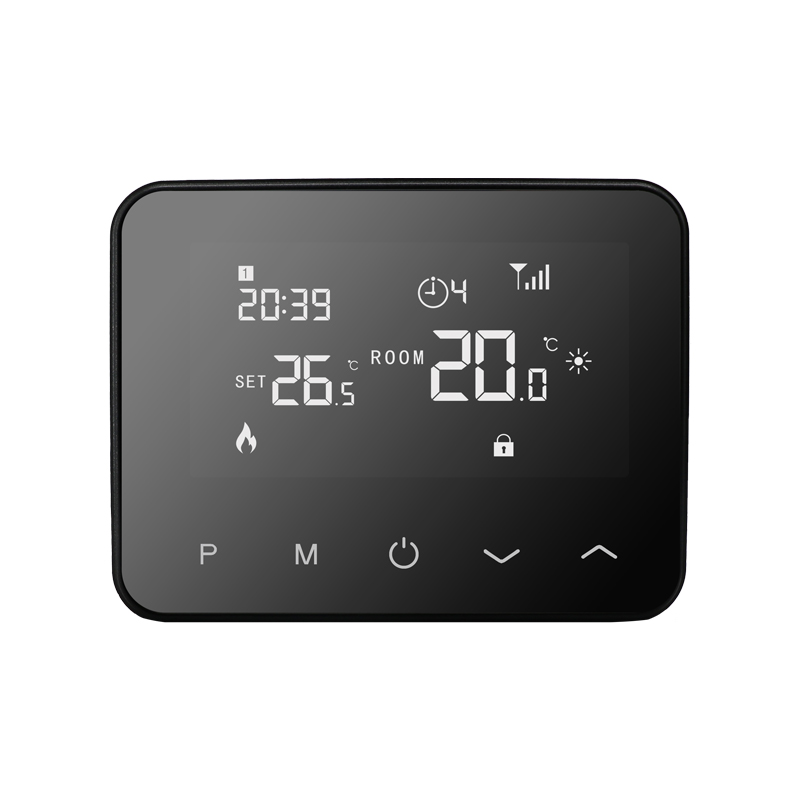
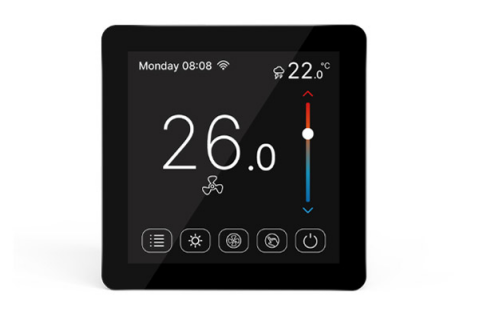
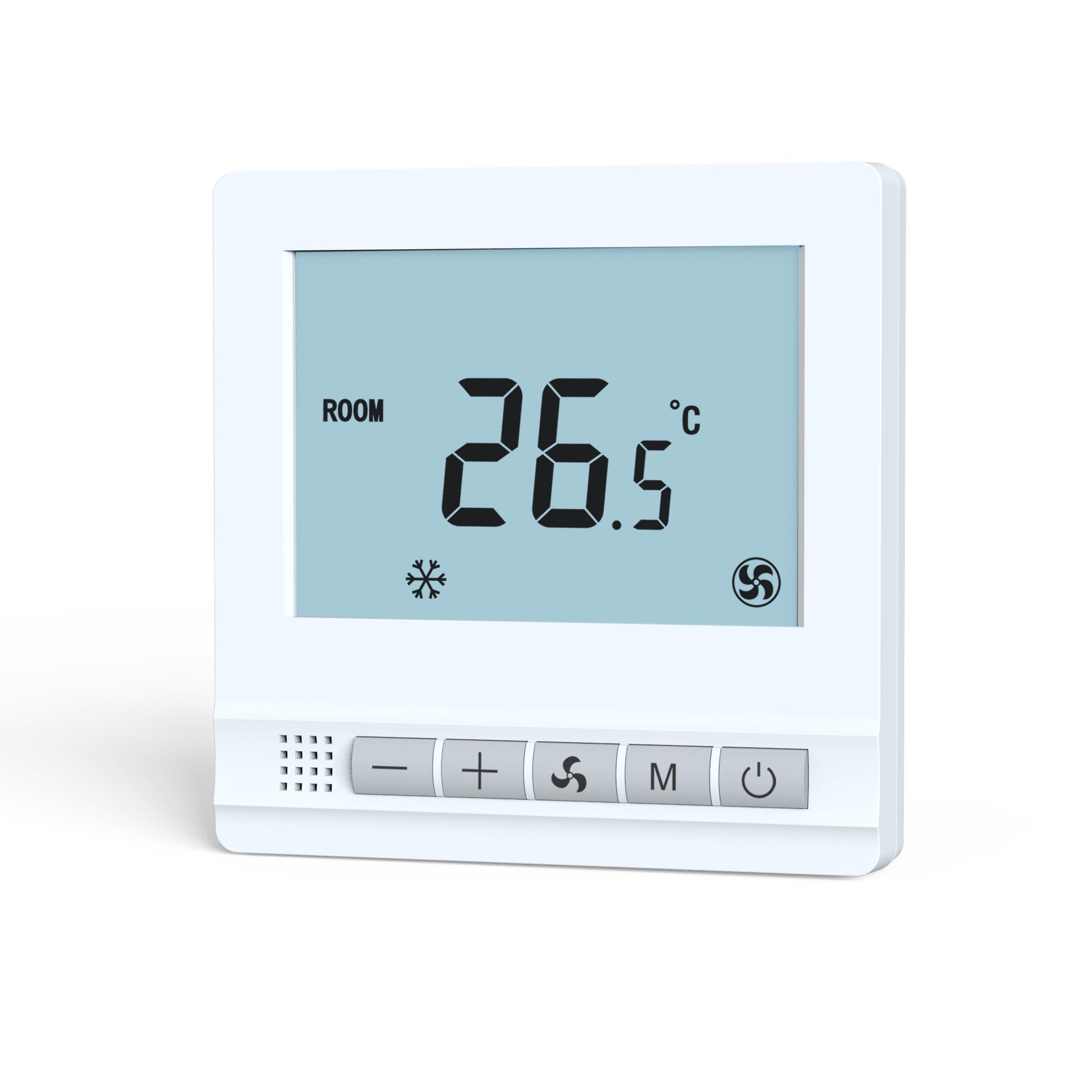
Among available solutions, the Digital FCU Thermostat for Modbus/BACnet BMS stands out as a reliable option for EC fan applications. This thermostat is designed to support a wide range of fan coil systems and offers strong compatibility with modern HVAC control requirements.
The thermostat supports both 2-pipe and 4-pipe FCU systems, making it suitable for different heating and cooling configurations. In EC fan applications, it enables precise fan speed control through analog or communication-based methods, ensuring an optimal balance between comfort and energy efficiency.
In terms of communication, the thermostat supports Modbus RTU and optional BACnet, allowing seamless integration with mainstream building automation systems. This makes it particularly suitable for hotels, office buildings, hospitals, and large commercial projects that require centralized HVAC control.
Performance Evaluation and Real-World Operation
In practical applications, this thermostat demonstrates fast response and stable control logic. When room temperature deviates from the setpoint, the system prioritizes fan speed adjustment to fine-tune comfort levels, while valve control is activated only when necessary. This control strategy effectively reduces energy waste.
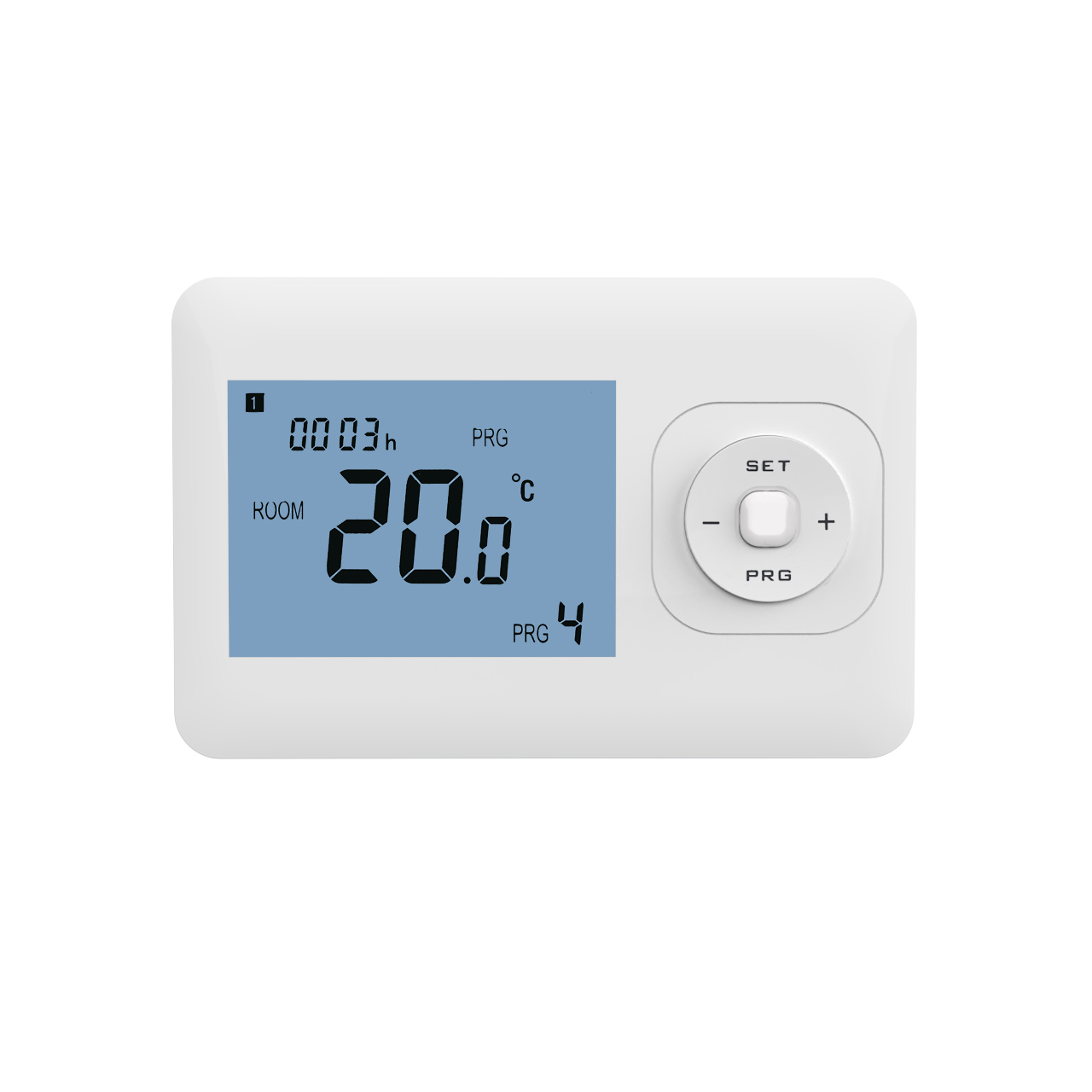
The thermostat supports 7-day, 4-time-period programming, allowing different temperature strategies to be set based on occupancy patterns. In hotel rooms and office environments, this feature significantly improves energy efficiency during unoccupied periods.
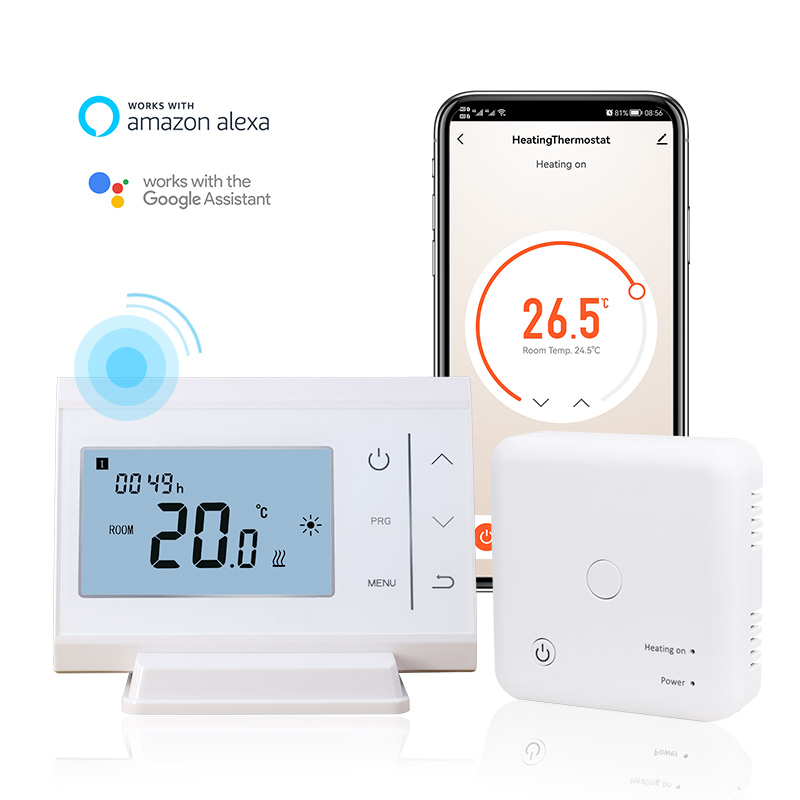
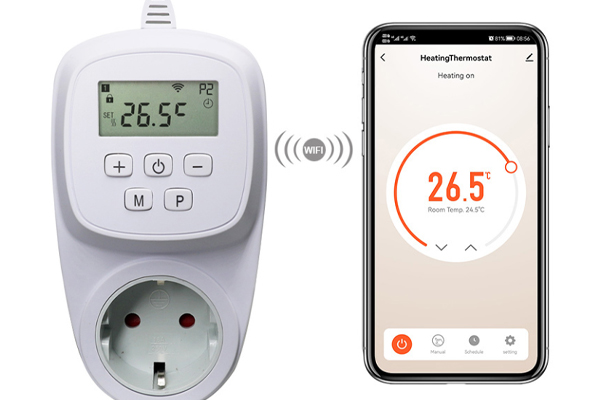
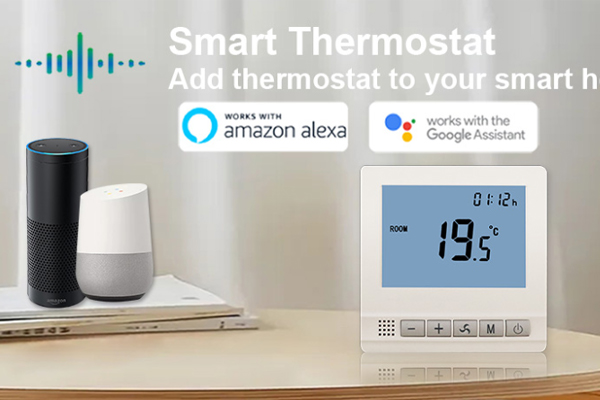
Additional optional features include external temperature sensors, keycard control, child lock, and WiFi remote control. These options provide flexibility for customized installations and enhance user convenience across different application scenarios.
Application Scenarios
This EC fan-compatible thermostat is well suited for commercial complexes, office buildings, hotels, apartments, and high-end residential projects. Its advantages are particularly evident in environments that demand precise temperature control, low noise operation, and centralized management.
For projects upgrading from traditional AC fans to EC fans, this thermostat also offers strong backward compatibility and future scalability, helping reduce retrofit complexity and system adjustment costs.
Conclusion
As EC fans become the standard choice in modern HVAC systems, selecting a thermostat that genuinely supports EC fan control and offers Modbus or BACnet communication is critical for achieving both comfort and energy efficiency. The recommended digital FCU thermostat delivers balanced performance in compatibility, stability, and system integration, making it a dependable solution for EC fan coil applications.