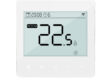
With the popularization of smart homes, household thermostats have become important control devices in underfloor heating, air conditioning, and HVAC systems. Thermostats not only affect indoor comfort but also directly relate to electrical safety, stable equipment operation, and the personal safety of family members. Understanding the safety standards that household thermostats should meet helps users reduce risks and improve the overall user experience during purchase and use.
Electrical Safety Standards
As electrical equipment, household thermostats must first meet basic electrical safety requirements:
Insulation performance meets standards: Reliable insulation must exist between the internal circuit and the casing to prevent leakage risks.
Withstand voltage is qualified: Stable operation must be maintained within the rated voltage fluctuation range without breakdown.
Overload protection design: Automatic protection mechanism is provided when current or voltage is abnormal.
Thermostats that meet electrical safety standards can effectively reduce safety hazards such as short circuits and leakage.
Temperature Control and Overheat Protection Standards
Temperature control accuracy and overheat protection are among the core indicators of thermostat safety. Thermostats need to accurately regulate temperature within a set range to prevent the system from operating at abnormally high temperatures for extended periods. Common safety requirements include temperature sensor stability, upper temperature limit settings, and automatic power-off functionality in case of abnormal temperatures. These design features prevent equipment damage or safety accidents caused by temperature control failure.
Material and Structural Safety Standards
The thermostat’s casing and internal structure must also comply with safety regulations. High-temperature resistant and flame-retardant materials are typically required to reduce fire risk. The structural design should ensure secure installation, with no loose buttons, touch panels, or sharp edges to prevent user injury during daily use. A well-designed structure also reduces the possibility of internal components being affected by moisture or vibration.
Installation and Wiring Safety Standards
Correct installation is a crucial prerequisite for the safe operation of a thermostat. Qualified thermostat products will clearly indicate wiring methods and installation requirements in their design, ensuring that users or installers can operate according to specifications. Common installation safety requirements include:
Clear labeling of wiring terminals to prevent misconnection
Support for standard junction box installation to reduce the risk of unauthorized wiring modifications
Compatibility with heating or cooling systems to avoid electrical conflicts
Following installation specifications helps reduce safety issues caused by improper human operation.
Safety Requirements Related to Intelligent Functions
With the increasing popularity of intelligent thermostats, data and system security have gradually become important standards. When connected to the network, thermostats need to ensure the stability and reliability of control commands to prevent abnormal control from causing frequent start-stops or temperature runaway. At the same time, basic system protection capabilities help prevent abnormal program operation from affecting normal use and ensure the stable operation of the home environment.
Usage Environment and Adaptability Standards
Household thermostats typically need to operate for extended periods under different environmental conditions, therefore, adaptability is also required. The device should be able to operate stably within the normal indoor temperature and humidity range and have a certain tolerance to slight humidity and temperature fluctuations. Thermostats that meet environmental adaptability standards are more suitable for long-term home use, reducing the probability of malfunctions caused by environmental factors.
Safety Certification and Testing Requirements
Reputable household thermostats typically undergo relevant safety certifications and testing processes. These certifications verify whether the product meets standard requirements in terms of electrical safety, structural safety, and functional stability. Products that pass authoritative testing pay more attention to safety details in their design and manufacturing, resulting in greater reliability during use.
Safety Precautions in Daily Use
Even if the product itself meets safety standards, proper operation during daily use is equally important. Avoiding frequent and drastic adjustments to temperature settings, regularly checking the device’s operating status, and promptly addressing any abnormalities all help extend the device’s lifespan and maintain a safe operating environment. Good usage habits are an important supplement to the effectiveness of safety standards.
Conclusion
The safety standards for household thermostats cover multiple aspects, including electrical safety, temperature control protection, material structure, installation specifications, and the stability of intelligent systems. Choosing a thermostat that meets safety standards and following the proper installation and usage requirements can effectively reduce safety risks and ensure a comfortable and stable home environment. A safe and reliable thermostat not only enhances the user experience but also provides greater peace of mind for daily family life.