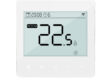
The intelligence of a smart thermostat largely depends on the types and number of sensors it incorporates. Sensors collect environmental information and provide the system with the basis for judgment, enabling the thermostat to automatically adjust its operating status according to actual conditions. Understanding common sensor types helps users more intuitively understand the functional differences of smart thermostats.
Temperature Sensor
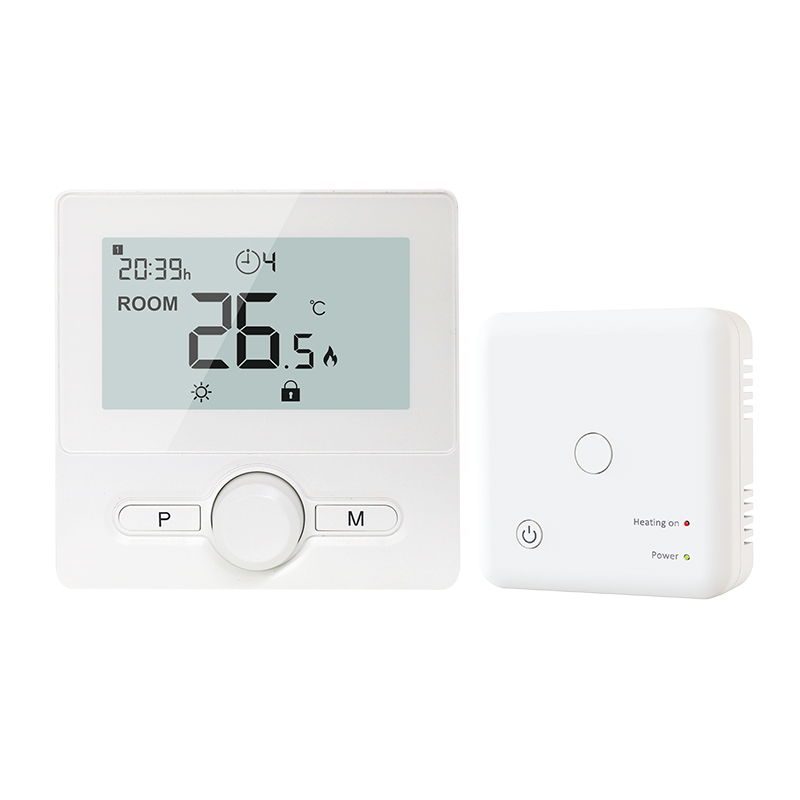
The temperature sensor is the core component of a smart thermostat, primarily used to collect indoor ambient temperature data. By continuously monitoring temperature changes, the thermostat determines whether to start or adjust heating or cooling equipment. High-precision temperature sensors can effectively reduce frequent start-stop cycles, maintaining a stable indoor temperature. In systems such as underfloor heating and hydronic heating, some products also support floor or water temperature detection, thus avoiding overheating or excessive temperature differences.
Humidity Sensor
Humidity has a significant impact on living comfort; therefore, more and more smart thermostats are integrating humidity sensors. By monitoring air humidity in real time, the system can adjust the temperature while preventing the indoor environment from becoming too dry or humid. Humidity data also provides users with environmental references, making temperature control decisions more scientific and reasonable.
Human Body Sensors
The main function of human body sensors is to determine whether there is human activity in a space. These sensors play a crucial role in intelligent energy saving, with common functions including:
Determining if the room is in use
Reducing operating power and energy consumption when no one is present
Automatically restoring the set temperature after someone enters
Through human body sensing data, intelligent thermostats can ensure a comfortable experience while avoiding unnecessary energy waste.
Light Sensors
Light sensors are used to detect changes in ambient light and play an auxiliary regulatory role in some intelligent thermostats. Changes in natural light intensity often affect indoor temperature, especially in well-lit rooms. Light sensors can help the system predict temperature change trends in advance, making temperature control response more timely and stable.
Door and Window Status Sensors
Door and window status sensors are usually used in conjunction with intelligent thermostats through a linkage mechanism. When doors and windows are open, a large amount of hot or cold air can easily escape, and continuing to run heating or cooling equipment will result in energy waste. By recognizing the status of doors and windows, the thermostat can automatically adjust its operating strategy to improve overall energy efficiency.
Air Quality Sensors
Some intelligent thermostat systems support air quality sensors to collect environmental indicators in the air. While these sensors don’t directly participate in temperature control, they provide a reference for indoor environmental regulation, allowing the thermostat system to focus more on the overall living experience. This function has practical value in scenarios with high requirements for environmental comfort.
Intelligent Experience Through Sensor Collaboration
When multiple sensors work simultaneously, intelligent thermostats can assess environmental conditions from multiple dimensions. The combination of temperature and humidity makes adjustments more closely aligned with human comfort; the cooperation between human body sensors and door/window sensors helps optimize energy efficiency. Through data fusion, the thermostat can achieve more precise and stable temperature control.
Summary
The types of sensors supported by intelligent thermostats mainly include temperature, humidity, human body sensors, light intensity, door/window status, and air quality sensors. Different sensors play different roles in the system, and a reasonable combination can significantly improve temperature control accuracy and user experience. Selecting appropriate sensor configurations based on the actual usage environment helps achieve a balance between comfort and energy efficiency, fully realizing the value of intelligent thermostats.