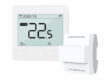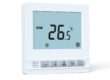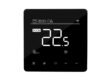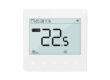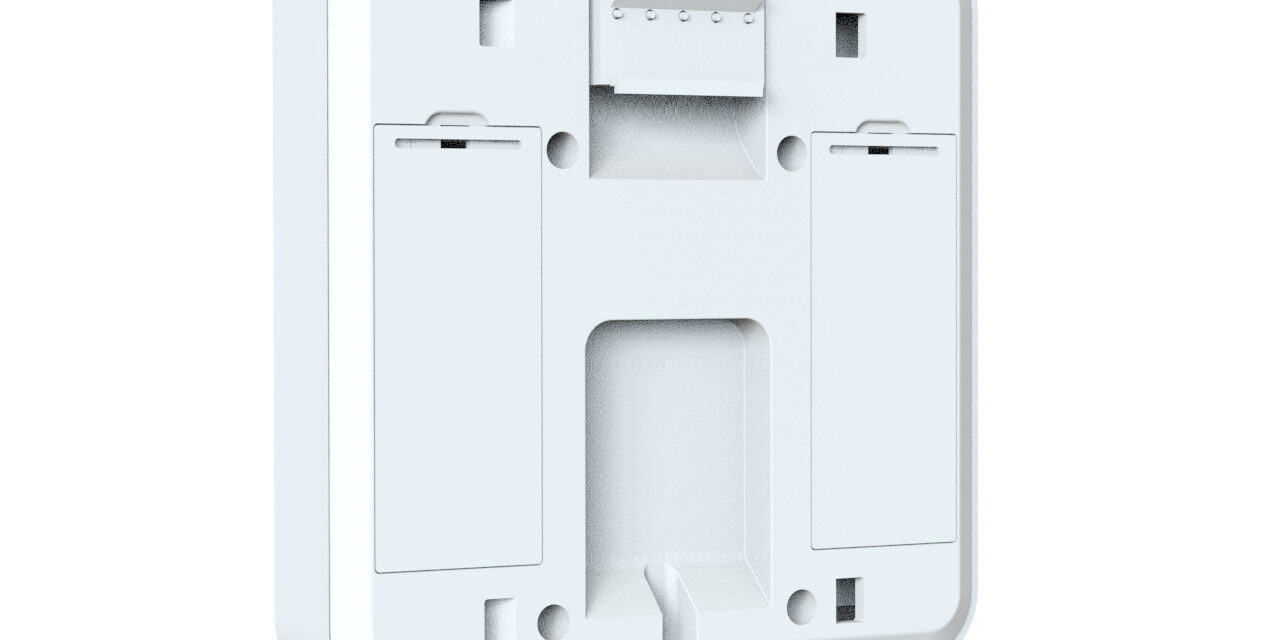
With the rapid development of smart buildings and building automation, HVAC systems are no longer just simple temperature control devices. They have become an essential part of centralized management and energy optimization. Fan coil unit (FCU) thermostats with Modbus communication are increasingly used in office buildings, hotels, hospitals, and commercial complexes. But what exactly are they used for, and why are more engineering projects choosing Modbus-enabled models? This article explains their practical value in real-world applications.
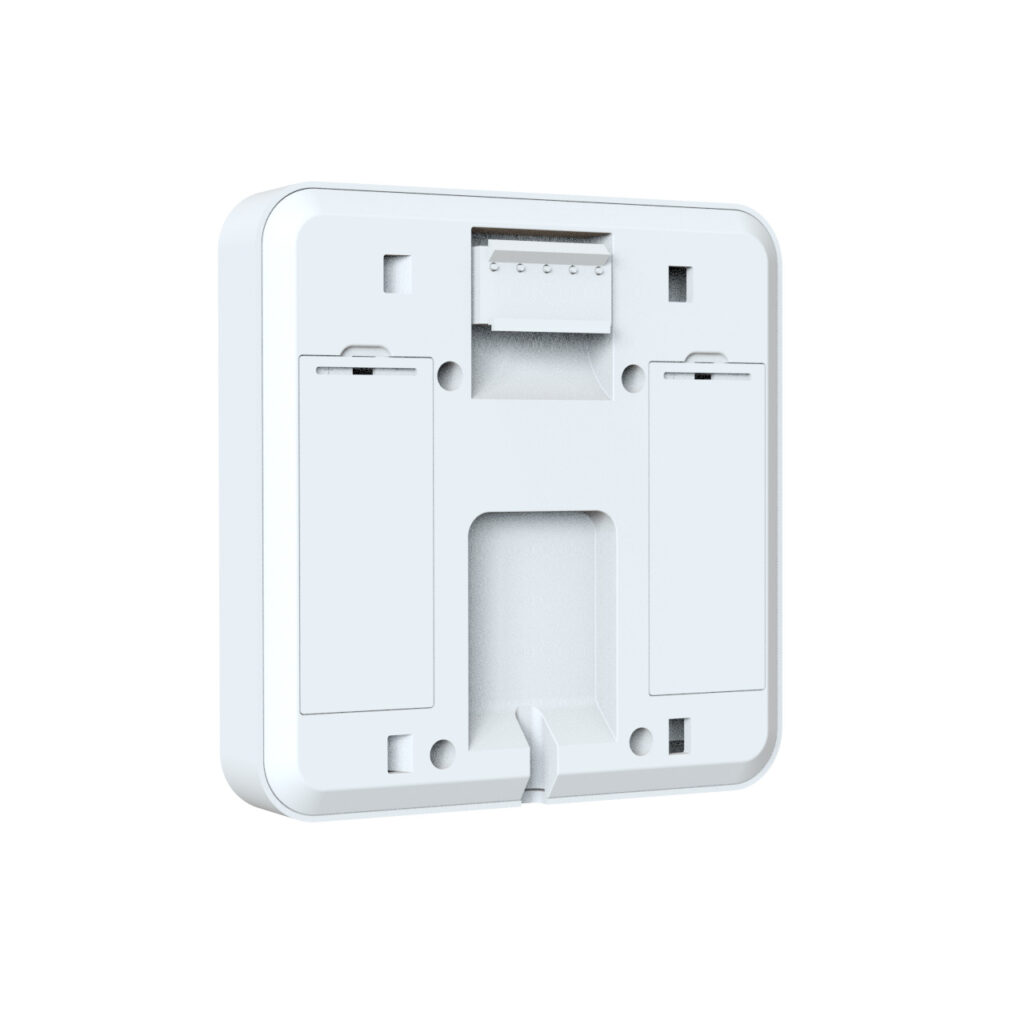
What Is Modbus Communication?
Modbus is a widely used industrial communication protocol known for its simple structure, high reliability, and strong compatibility. In building automation systems, Modbus is commonly used for data acquisition and control command transmission. When an FCU thermostat supports Modbus, it can communicate in real time with a Building Management System (BMS), supervisory controller, or other automation devices.
Centralized Monitoring and Unified Management
Modbus-enabled FCU thermostats can transmit operating status, room temperature, setpoints, and operating modes to a BMS platform in real time. Facility managers no longer need to inspect each room individually. Instead, centralized monitoring allows for unified management, significantly improving operational efficiency—especially in large buildings with numerous fan coil units.
Convenient Remote Control and Parameter Adjustment
Through Modbus communication, operators can remotely adjust thermostat parameters such as temperature settings, operating modes, and fan speeds from a central control room. This remote control capability reduces the need for on-site manual adjustments, lowers maintenance costs, and makes system commissioning and optimization more flexible and efficient.
Energy Consumption Analysis and Energy Savings
Modbus-enabled thermostats provide valuable operational data for energy analysis. By comparing performance across different zones, managers can identify areas with high energy usage and adjust control strategies accordingly. This data-driven approach helps improve overall HVAC energy efficiency and supports long-term energy-saving goals.
Improved System Compatibility and Expandability
One of Modbus’s greatest strengths is its openness and interoperability. Selecting FCU thermostats with Modbus support avoids vendor lock-in and makes it easier to integrate devices from different manufacturers. This ensures flexibility for future system expansion or upgrades—an important consideration for large-scale or long-term projects.
Enhancing the Intelligence Level of Building Systems
In smart building projects, HVAC systems play a crucial role. Modbus-enabled FCU thermostats can work in coordination with lighting, energy management, and security systems, enabling integrated control and automation. This contributes to a more intelligent, efficient, and comfortable building environment.
Reduced Maintenance Costs and Human Error
Centralized digital control minimizes the need for frequent manual inspections and on-site adjustments. It also reduces the risk of human error. Over time, Modbus-enabled thermostats help lower operating costs while improving system stability and controllability.
Conclusion
Modbus-enabled fan coil unit thermostats are more than simple temperature control devices—they are key components of modern building automation systems. Their advantages in centralized management, remote control, energy analysis, system compatibility, and intelligent building integration make them a smart and future-ready choice. For projects focused on efficiency, scalability, and long-term value, choosing Modbus-enabled FCU thermostats is a highly effective solution.