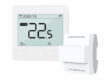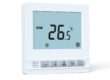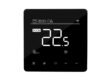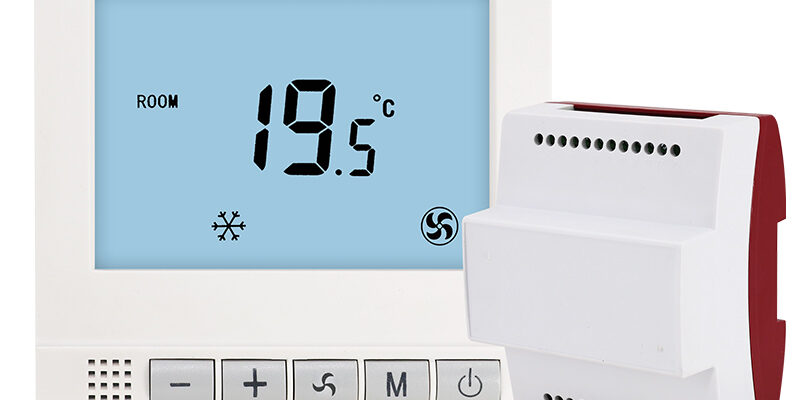
In modern building projects, HVAC systems are no longer independent devices. Instead, they function as critical components of integrated building automation systems. In medium- to large-scale projects, communication protocol compatibility directly affects system manageability and long-term scalability. BACnet-enabled fan coil unit (FCU) thermostats have therefore become a preferred choice in professional building applications.
So, which building systems are they best suited for, and where do they deliver the greatest value? This article provides a practical, engineering-focused analysis.
Why Do Building Automation Systems Prefer BACnet?
BACnet is an open communication protocol specifically developed for building automation. It is widely used in HVAC, lighting, energy management, and security systems. Compared to standalone or proprietary control methods, BACnet emphasizes interoperability, standardized data exchange, and centralized system control.
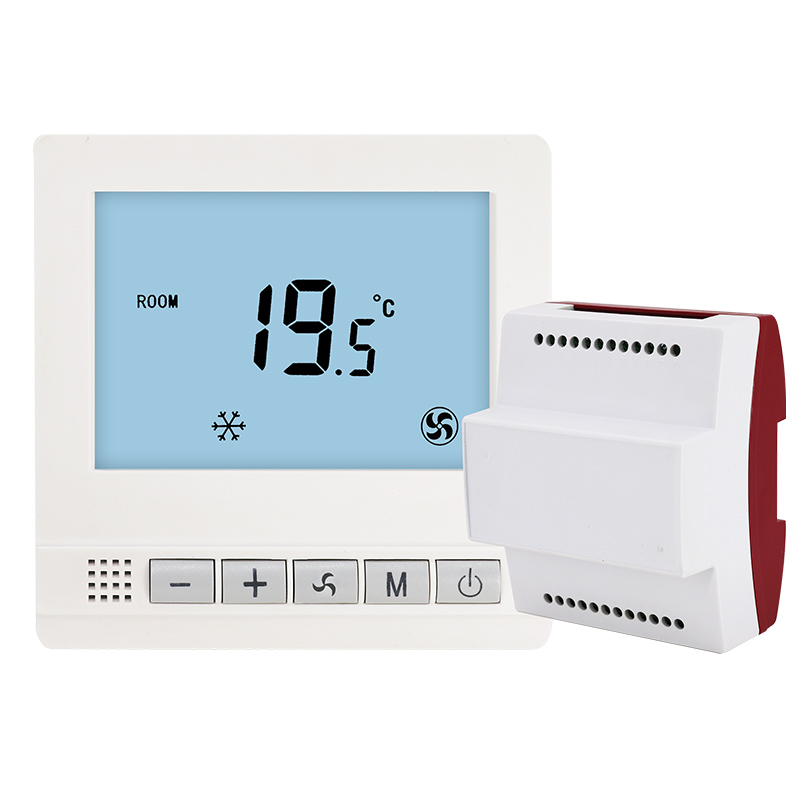
When an FCU thermostat supports BACnet, it is no longer just a room temperature controller—it becomes a standardized control node within the Building Management System (BMS), enabling centralized monitoring, remote adjustment, and system-level coordination.
Large Office Buildings and Corporate Headquarters
Large office buildings typically contain hundreds or even thousands of fan coil units distributed across multiple zones. Manual, room-by-room management is inefficient and impractical. BACnet FCU thermostats transmit real-time data such as room temperature, operating mode, fan speed, and valve status directly to the BMS.
This allows facility managers to implement centralized control strategies, such as different temperature schedules for working and non-working hours, improving comfort while reducing energy consumption. This centralized management requirement makes office buildings one of the most common applications for BACnet thermostats.
Commercial Complexes and Large Public Buildings
Shopping malls, convention centers, and similar facilities experience highly variable occupancy and operating schedules. BACnet-enabled FCU thermostats allow HVAC systems to dynamically respond to these changes by adjusting operating modes based on business hours, zone usage, or occupancy conditions.
Compared to local standalone control, BACnet communication enables HVAC systems to actively participate in overall building operations, improving energy efficiency and operational flexibility.
Hotels and High-End Residential Buildings
Hotels demand high comfort levels alongside efficient centralized management. BACnet FCU thermostats can integrate with hotel room management systems to automatically adjust temperature settings based on room status, such as check-in, check-out, or vacancy.
For example, rooms can automatically switch to energy-saving mode when unoccupied and return to comfort settings before guest arrival. This level of automation is difficult to achieve with traditional thermostats.
Hospitals and Healthcare Facilities
Healthcare buildings require strict temperature stability, high reliability, and continuous centralized monitoring. BACnet FCU thermostats support zoned control across wards, clinics, and public areas, ensuring that each space meets its specific environmental requirements.
Centralized BMS integration also reduces the risk of human error and enhances operational safety, which is critical in medical environments.
Educational Institutions and Government Buildings
Schools and government offices typically operate on fixed schedules. BACnet FCU thermostats allow HVAC systems to follow time-based control strategies, maintaining comfort during working or teaching hours and reducing load during off-hours.
This approach significantly improves energy efficiency while simplifying facility management.
Retrofit Projects and Long-Term Operation
For building retrofit projects, BACnet-enabled FCU thermostats integrate easily into existing BMS architectures, minimizing redevelopment work. Their open protocol design also ensures future compatibility, making system upgrades and expansions more straightforward over the building’s lifecycle.
Conclusion
From an engineering standpoint, BACnet fan coil unit thermostats are best suited for building systems that require centralized control, system integration, and long-term operational efficiency. These include office buildings, commercial complexes, hotels, hospitals, educational institutions, and other smart building applications.
By improving system controllability, supporting advanced energy management, and ensuring future scalability, BACnet FCU thermostats represent a mature and professional solution for modern building automation projects.