
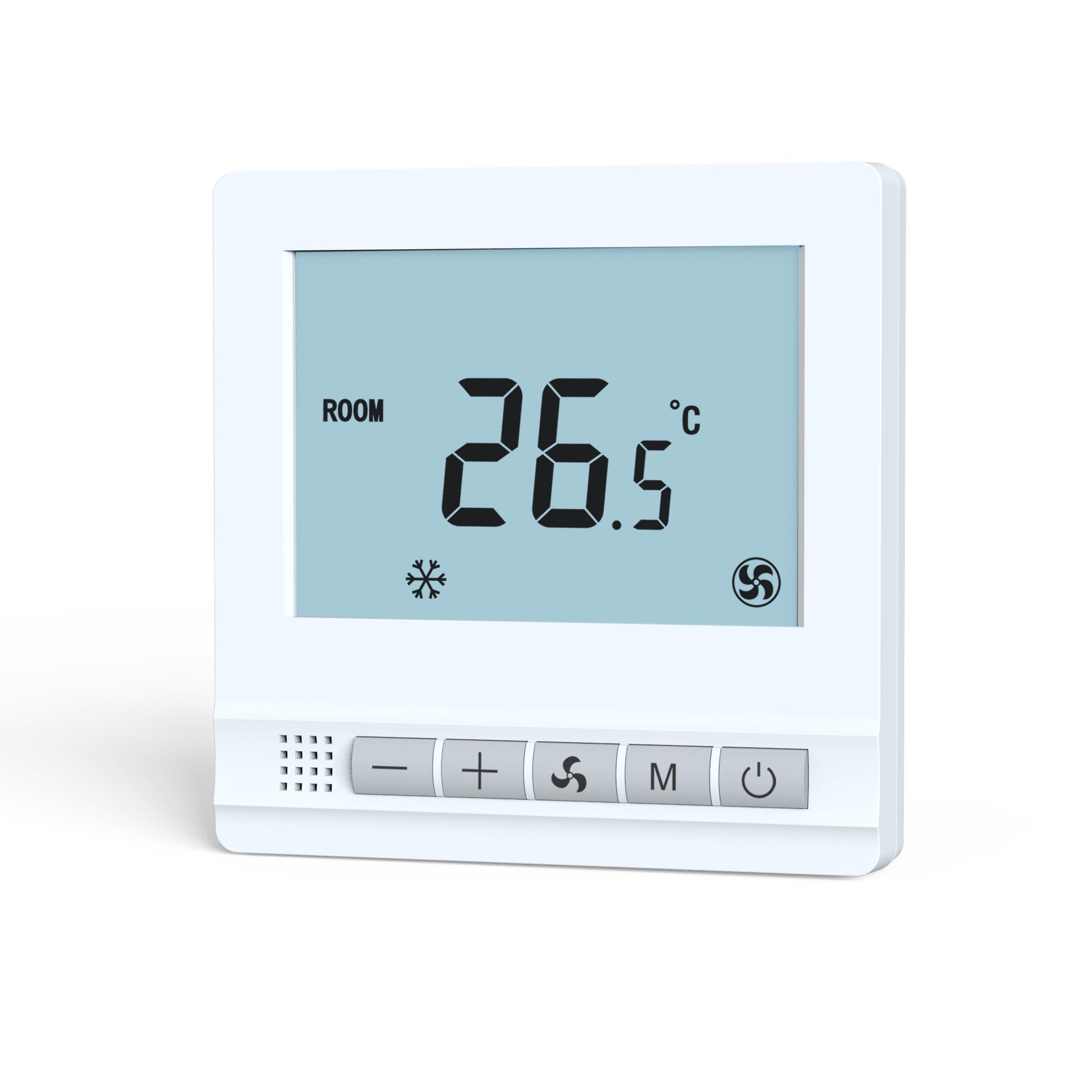
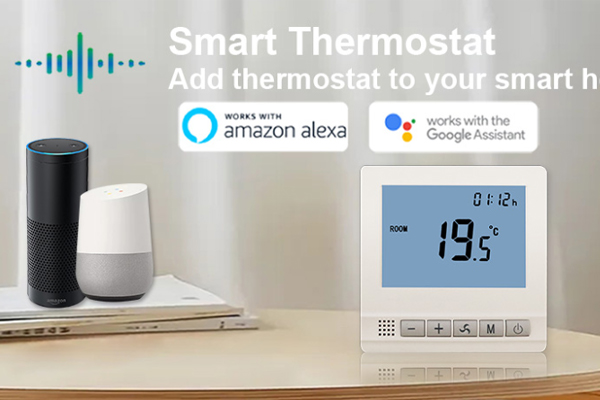

In modern intelligent buildings, fan coil units (FCUs) are one of the most common terminal devices in HVAC systems, providing localized heating, cooling, and air circulation. With the widespread adoption of Building Management Systems (BMS), simple local control is no longer sufficient to meet energy optimization, remote monitoring, and centralized management requirements. A key bridge device in this context is the fan coil unit thermostat (FCU thermostat). Understanding its role in BMS systems helps maintain indoor comfort, optimize system efficiency, and reduce operational costs.
Integration of HVAC and BMS
In HVAC systems, the BMS serves as the “brain” of building automation, collecting data from various sensors, including temperature, humidity, and CO₂ levels, and regulating HVAC equipment according to pre-defined logic. It not only enables remote monitoring but also integrates with terminal devices through protocols such as Modbus or BACnet, achieving intelligent control. The primary goal of a BMS is to maximize energy efficiency while maintaining occupant comfort.
Basic Functions of FCU Thermostats
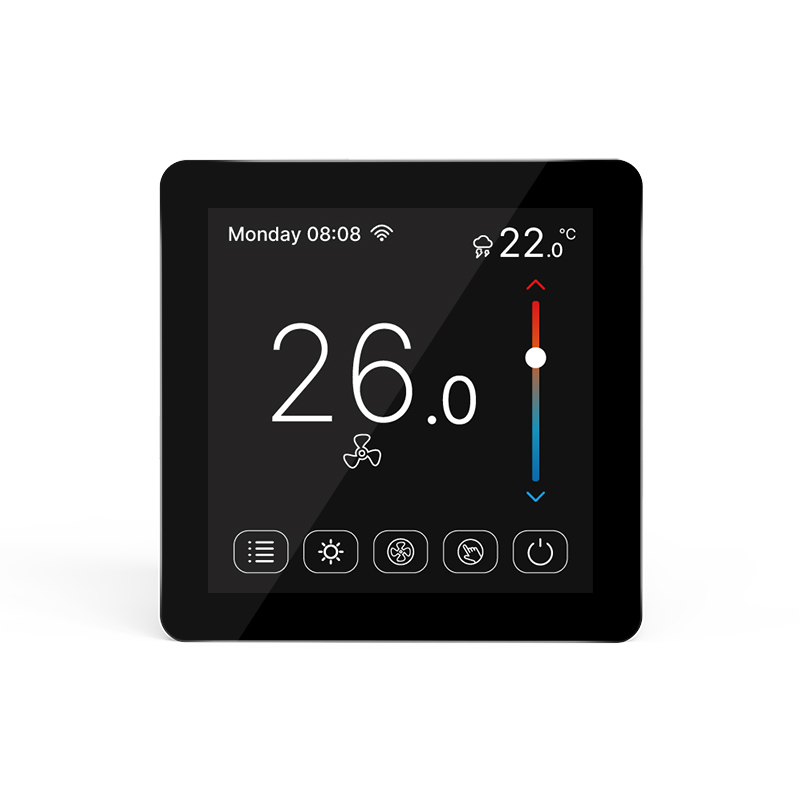
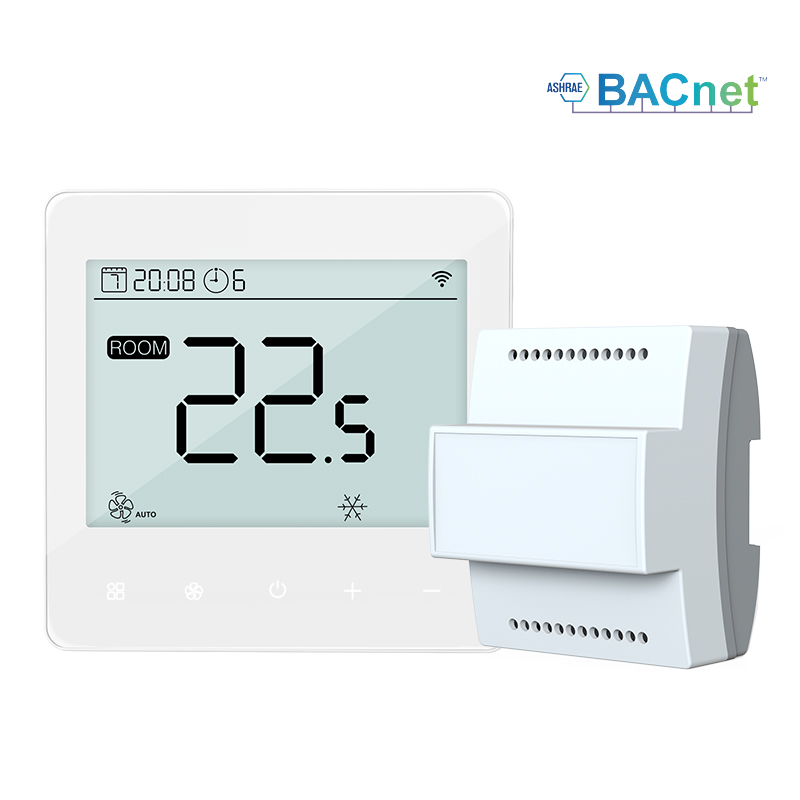
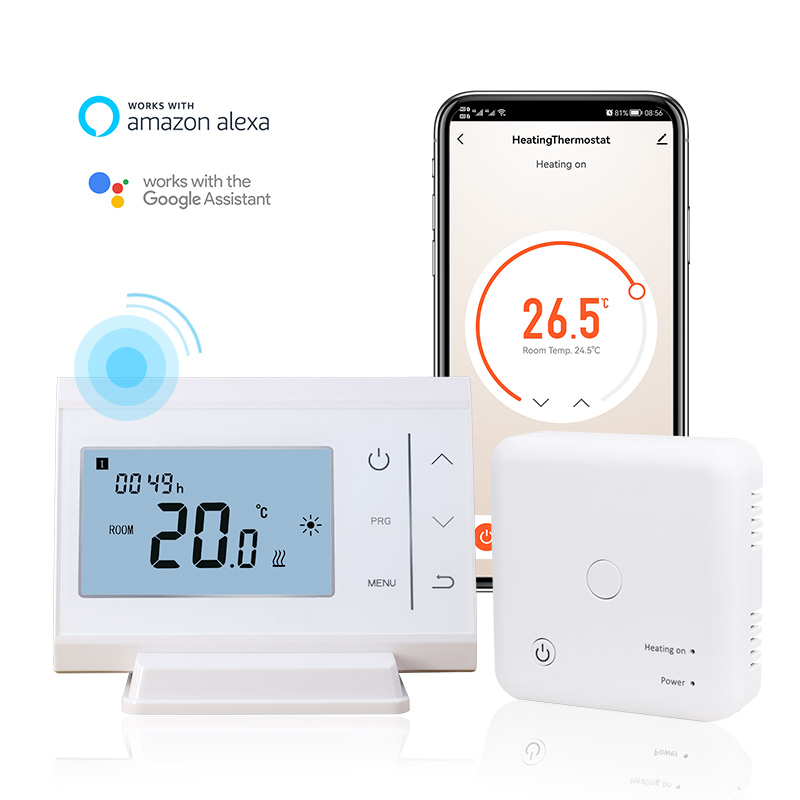
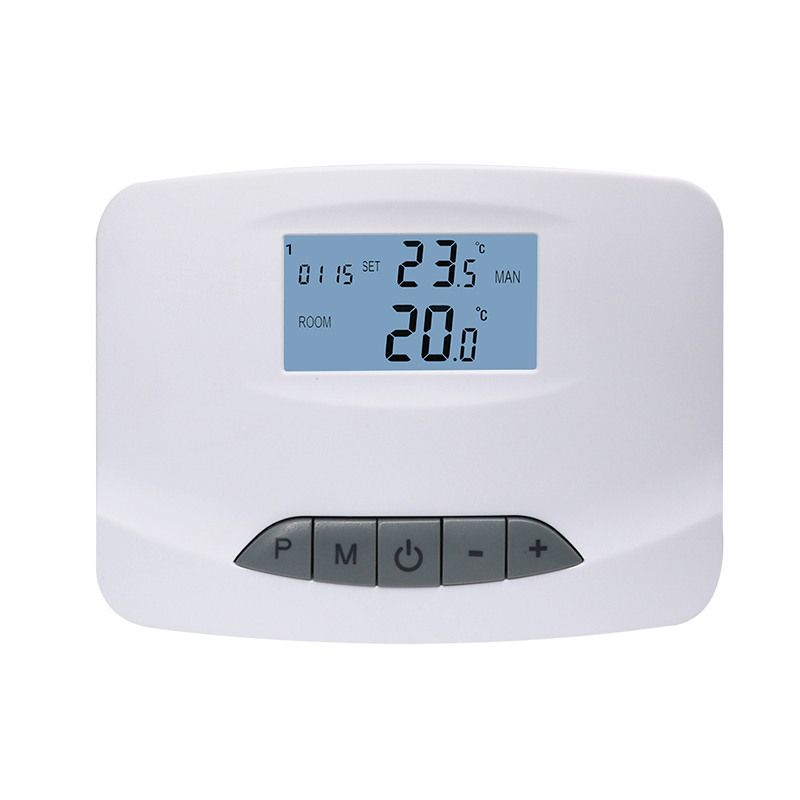
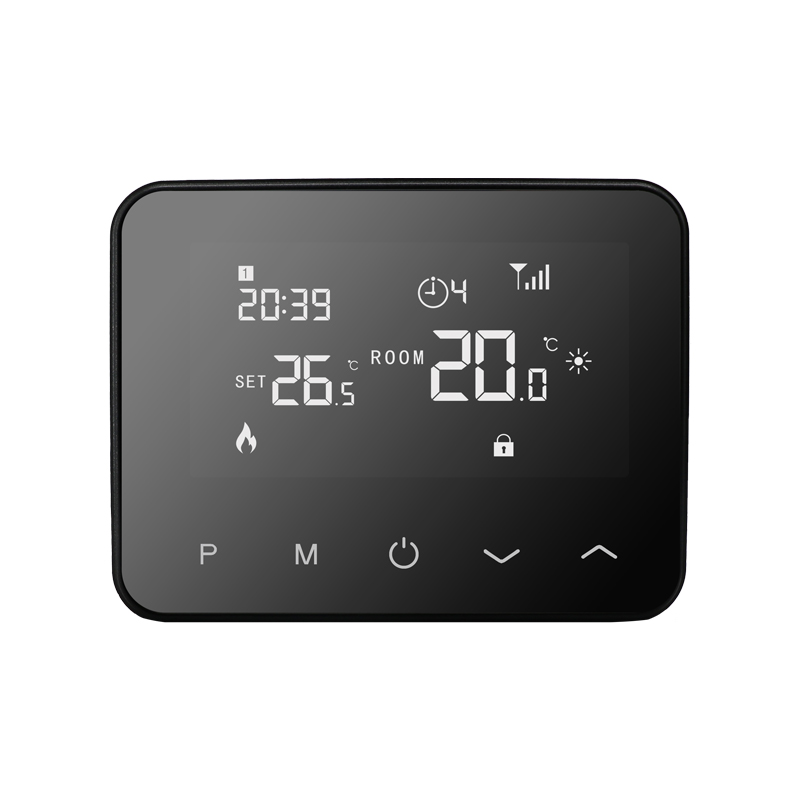
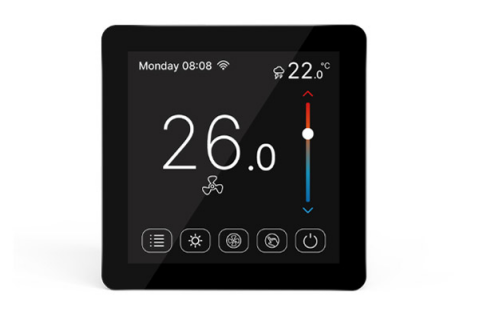
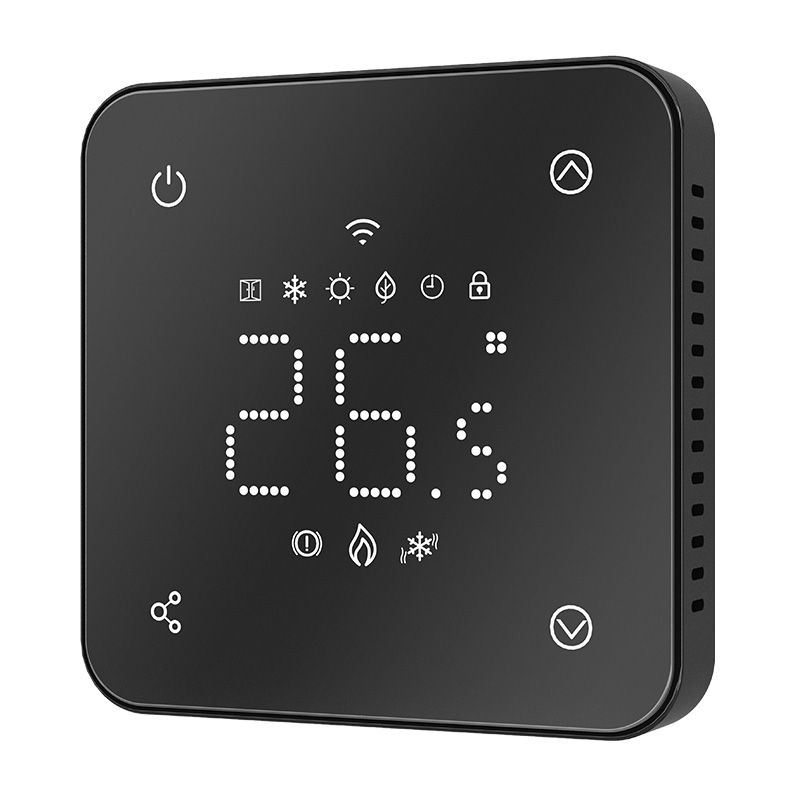
FCU thermostats are installed at each fan coil unit and are responsible for detecting indoor temperature and controlling device operation. They typically include temperature sensors, fan speed controls, and valve outputs. By comparing the measured room temperature with the setpoint, the thermostat adjusts fan speed and modulates the cooling/heating valve, maintaining the desired indoor climate.
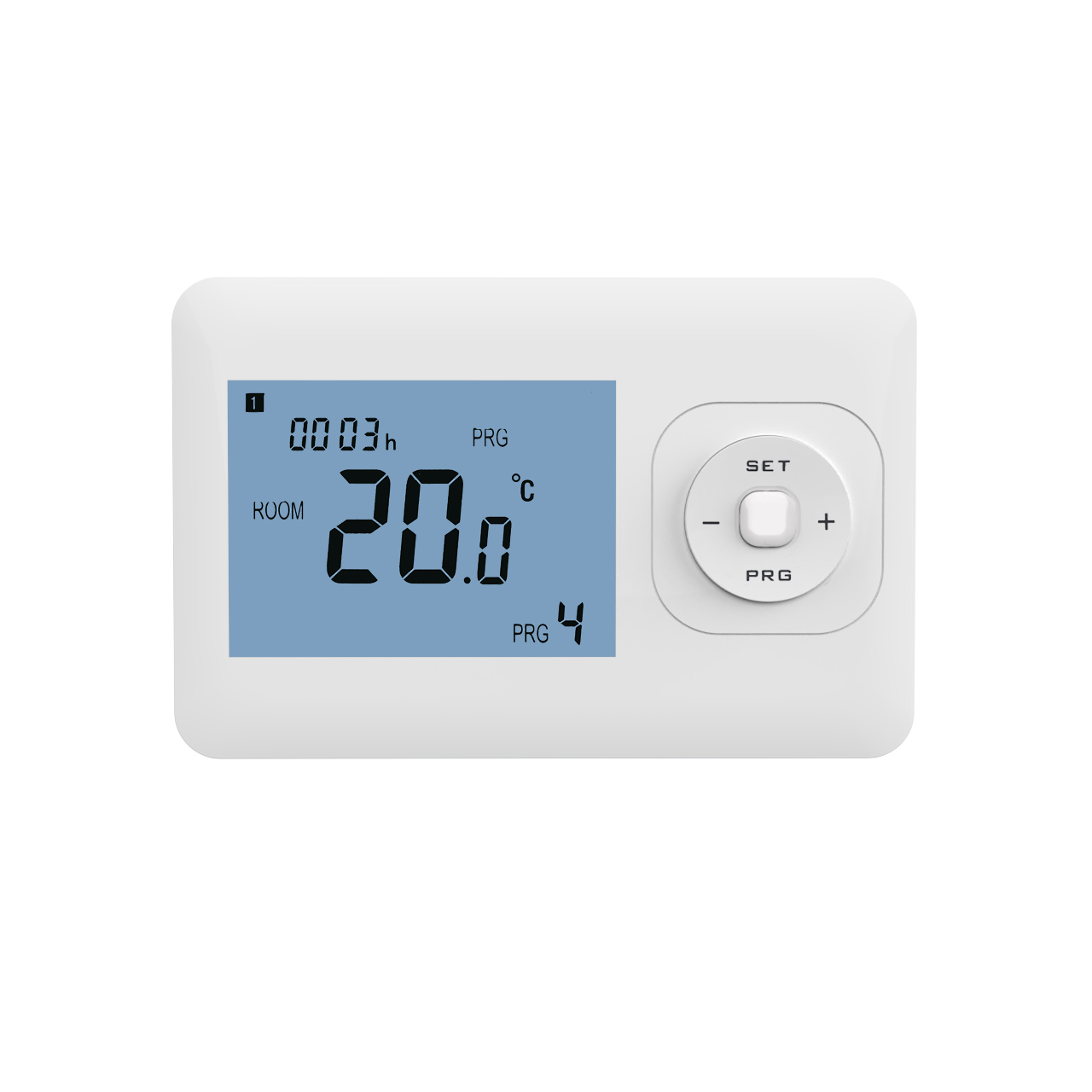
In traditional standalone HVAC systems, thermostats only provide local feedback control. In modern BMS environments, they also transmit real-time operational data to the system and respond to control commands from the BMS.
Key Roles in BMS Systems
1. Data Collection and Feedback Interface
FCU thermostats act as the primary nodes for indoor temperature data, reporting real-time readings and status back to the BMS. Using Modbus or BACnet protocols, the BMS can monitor each zone in detail, enabling system-wide optimization.
2. Execution of Temperature Control Strategies
Under BMS control logic, thermostats not only execute local setpoints but also adjust according to broader energy strategies. For example, in energy-saving mode, the BMS can update setpoints across all units, reducing overall energy consumption while maintaining comfort.
3. Intelligent Fan and Valve Regulation
Thermostats directly control fan speed and valve outputs, including multi-speed fans, 0–10 V signals, on/off valves, or EC fans and proportional valves. This precise control ensures that FCUs can adjust airflow and heating/cooling output based on room temperature differences, achieving efficient temperature regulation.
4. Support for Centralized Monitoring and Remote Configuration
Integrated with the BMS, thermostat setpoints, operational status, and alarm signals can be monitored centrally. This enables remote adjustments and unified maintenance, improving management efficiency and reducing response times for field issues.
Impact on Energy Efficiency and Comfort
FCU thermostats in BMS frameworks serve not only as execution points for temperature control but also as critical nodes for energy optimization. Accurate temperature control prevents overcooling or overheating, reducing energy waste. Centralized management prevents temperature conflicts across zones, enhancing overall comfort.
In buildings such as offices or hotels, where thermal load varies across zones, dynamic adjustment of each thermostat ensures energy is used efficiently, improving the overall performance of the HVAC system.
Challenges and Best Practices
Thermostat selection and installation directly affect control effectiveness. Proper sensor placement, reliable communication, and protocol compatibility are prerequisites for stable BMS operation. Advanced thermostats supporting parameterized adjustment, remote firmware updates, and third-party protocol compatibility are becoming industry standards, improving integration flexibility.
Conclusion
Overall, fan coil unit thermostats play three critical roles in BMS systems: data acquisition, control execution, and communication interface. They are essential for achieving intelligent temperature regulation, enhancing energy efficiency, and maintaining indoor comfort. As building automation and energy-saving demands increase, high-performance thermostats and deep BMS integration will be key drivers of optimized HVAC system performance.