
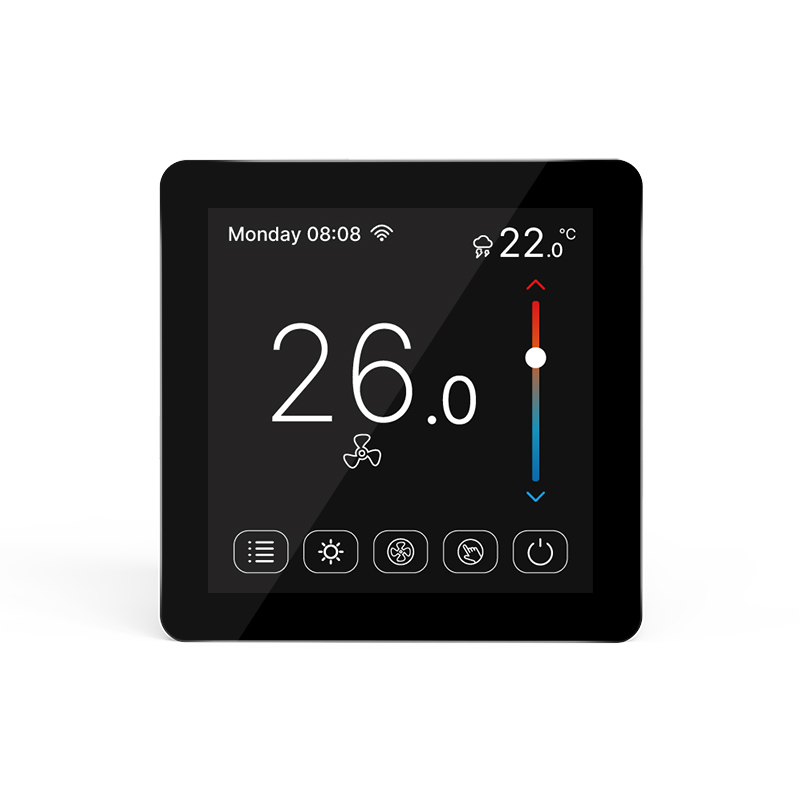
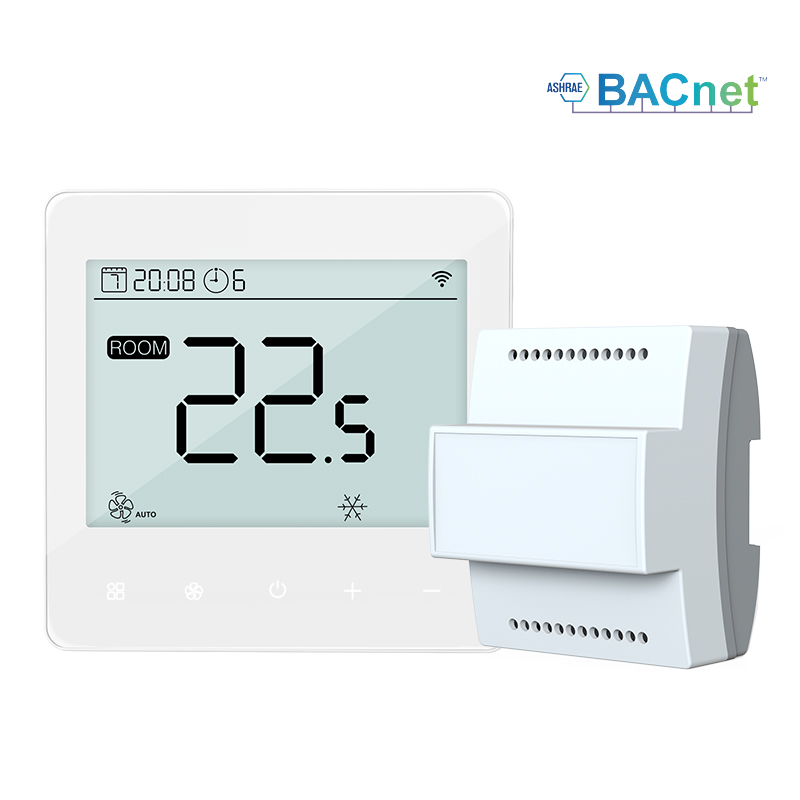
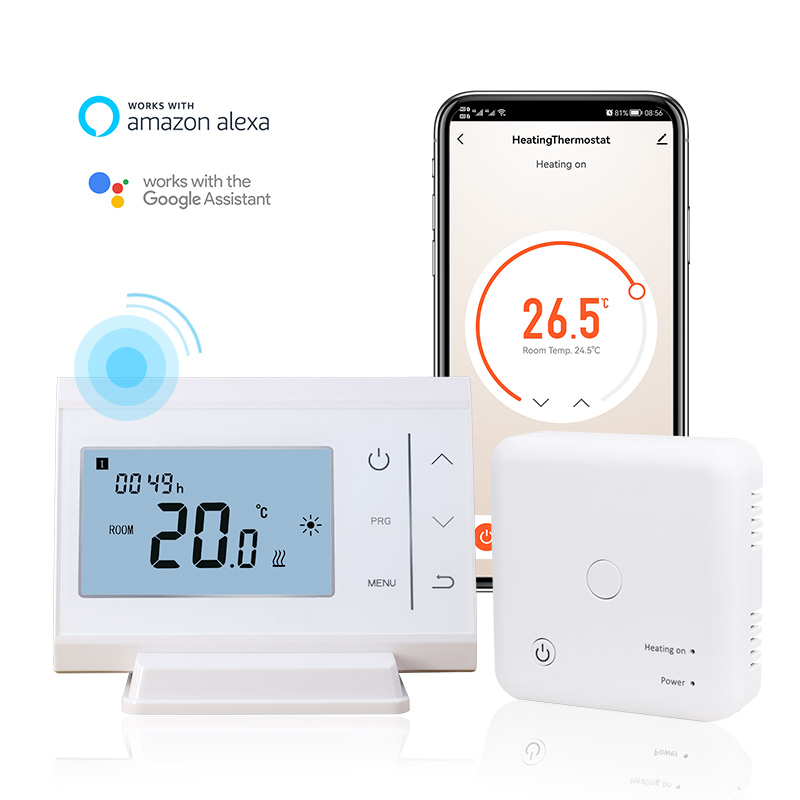
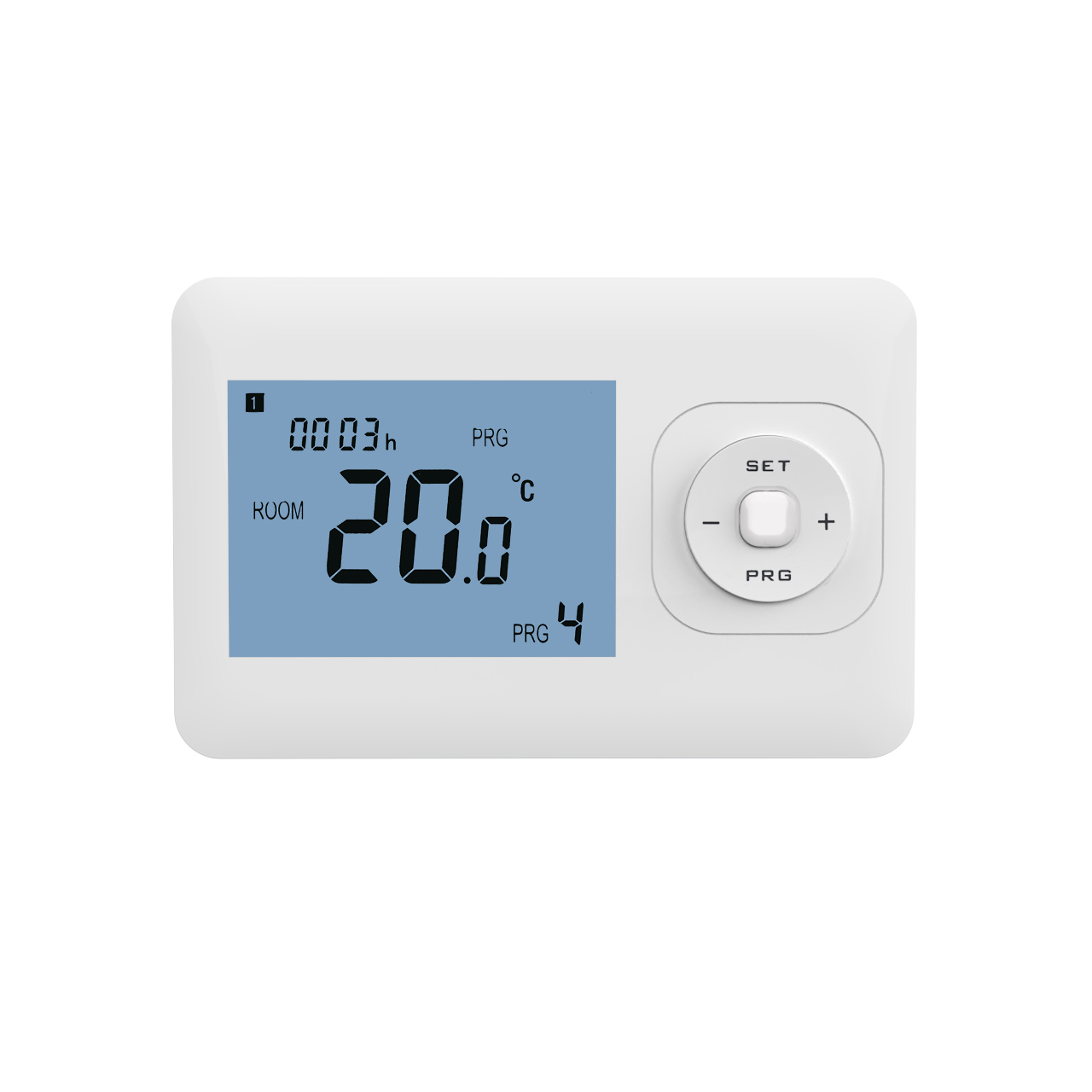
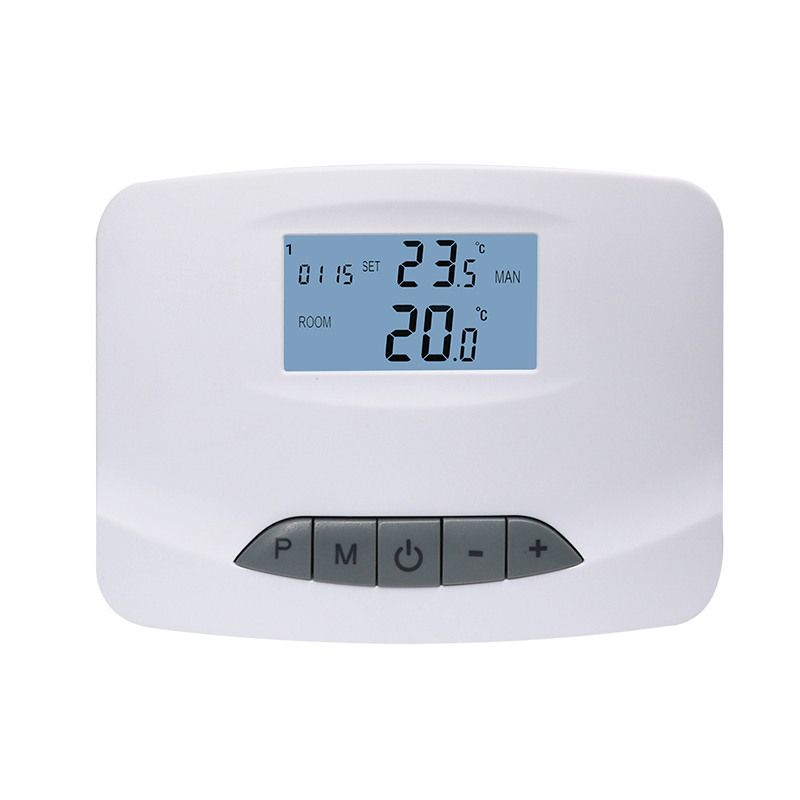
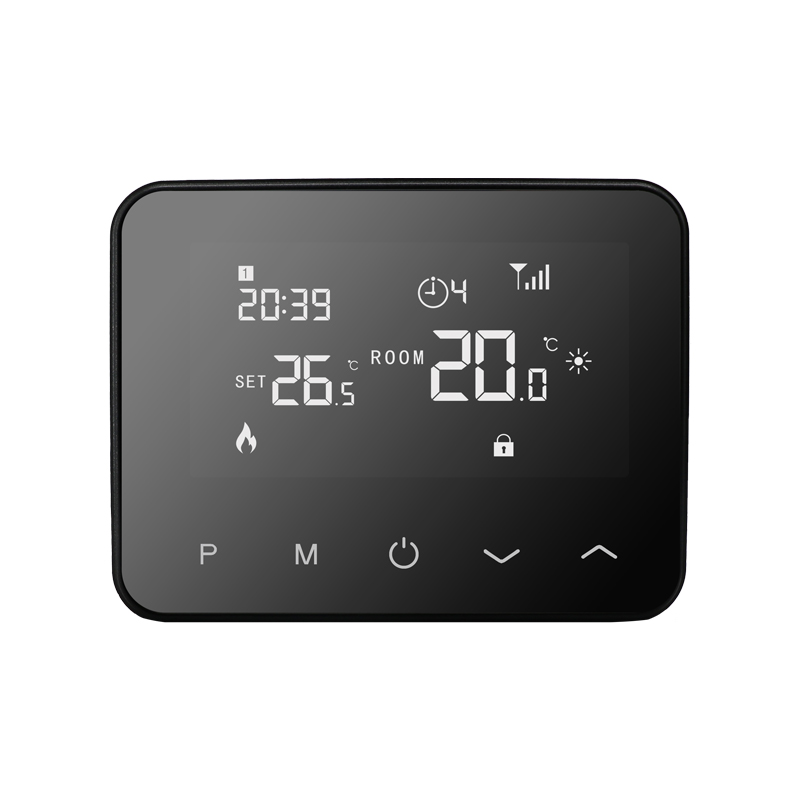
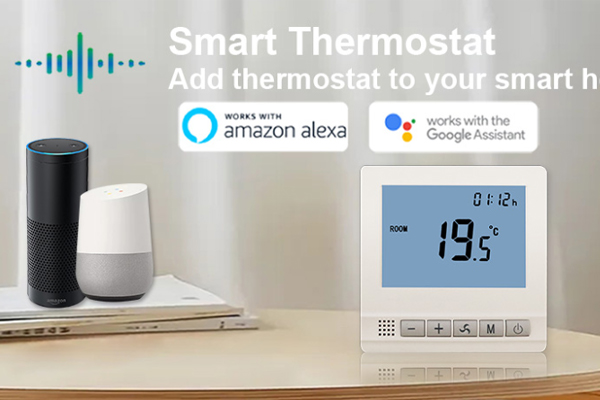

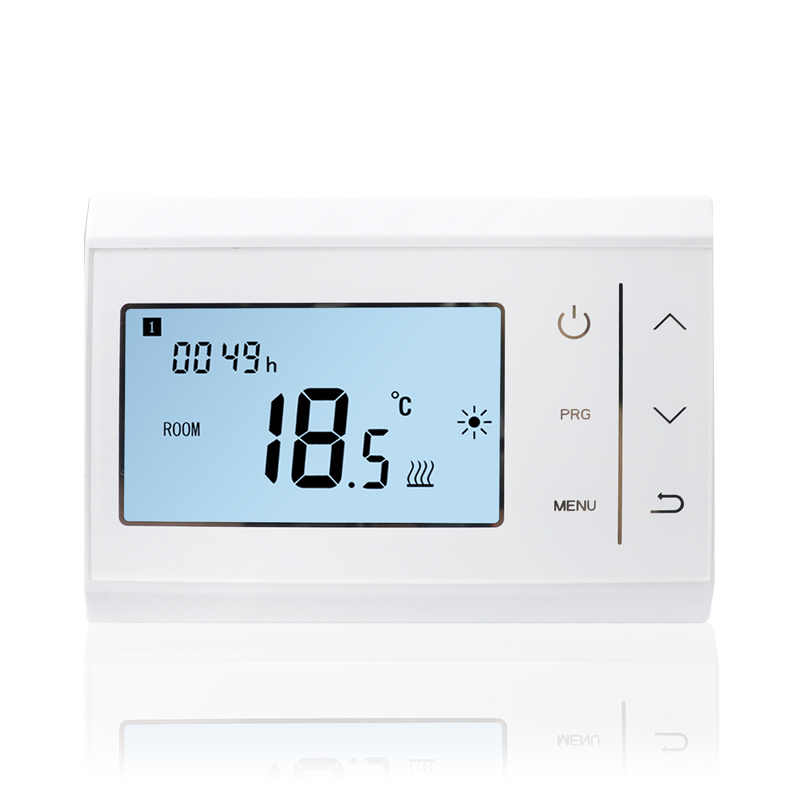
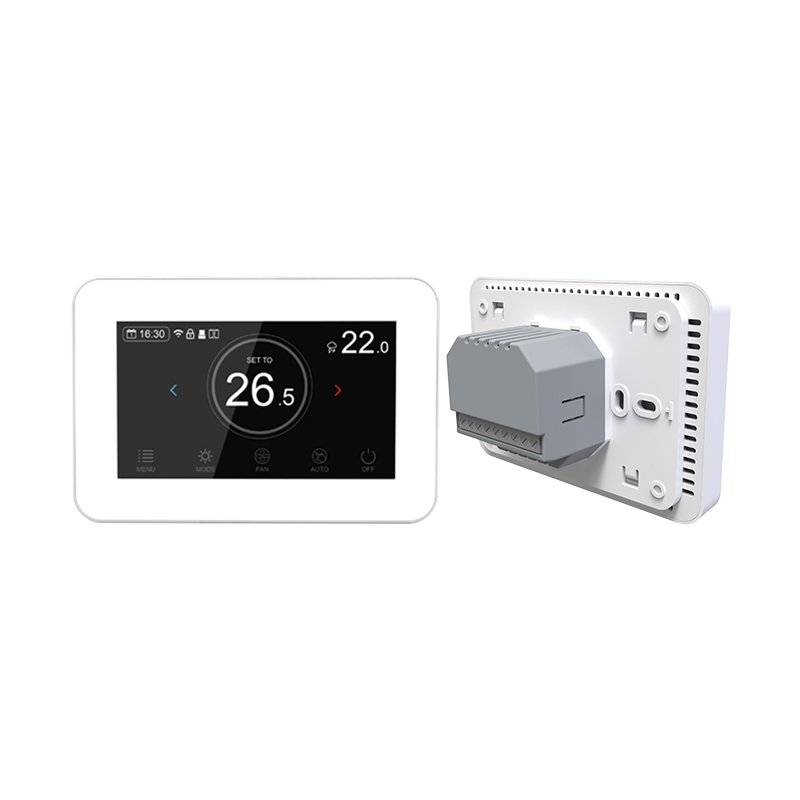
In modern hotel projects, HVAC systems are not only responsible for guest comfort but also have a direct impact on energy costs and customer satisfaction. Fan coil units (FCUs) are commonly used terminal devices in hotel air conditioning systems, and their control method directly affects system efficiency. In recent years, digital FCU thermostats have become increasingly popular in hotel projects. So why do hotels prefer digital thermostats? This article analyzes the reasons from the perspectives of comfort, energy efficiency, management convenience, and maintenance costs.
1. Comfort and Precise Temperature Control
Hotels place extremely high demands on guest room comfort, and temperature fluctuations can directly affect the guest experience. Compared with traditional mechanical or analog thermostats, digital FCU thermostats offer higher precision and faster response:
Precise temperature control: Digital sensors continuously monitor indoor temperature and adjust fan speed and valve opening precisely to maintain a stable indoor environment.
Fast response: Digital thermostats quickly adapt to changes in indoor temperature and load, reducing overcooling or overheating.
Enhanced comfort: Stable temperature control minimizes temperature swings, creating a more comfortable environment and improving guest satisfaction.
2. Significant Energy-Saving Potential
Hotel HVAC systems operate for long hours with fluctuating loads, making energy consumption a major operating cost. Digital FCU thermostats achieve energy savings through intelligent control:
Optimized fan operation: Fan speed is adjusted according to actual load, avoiding unnecessary full-speed operation and reducing electricity consumption.
Precise water valve control: Chilled/hot water flow is dynamically regulated to minimize energy loss.
Data-driven management: Some digital thermostats record operational data, helping facility teams analyze energy usage patterns and optimize efficiency strategies.
Studies show that hotel rooms equipped with properly configured digital thermostats can save 15%–30% of energy compared with traditional thermostats.
3. Centralized Management and Remote Control
Large hotels may have hundreds or even thousands of guest rooms, making manual thermostat adjustments inefficient and prone to errors. Digital thermostats support:
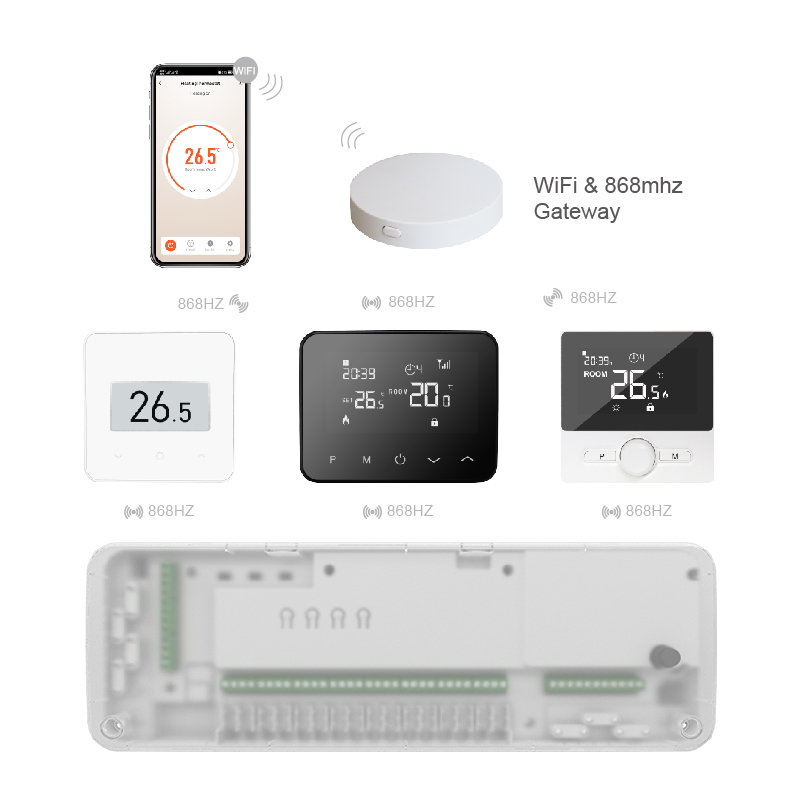
Centralized management: Integration with building management systems (BMS) or control platforms allows unified monitoring and adjustment of all room thermostats.
Remote control: Facility managers can adjust temperature settings or operating modes remotely, which is useful during holidays or low-occupancy periods.
Real-time monitoring: Data such as temperature, humidity, and fan status is collected in real time, allowing early detection of issues, reducing complaints, and preventing equipment damage.
4. Maintenance and Cost Advantages
Digital thermostats are designed to be modular and intelligent, making maintenance simpler and more cost-effective:
Fault indication and diagnostics: Built-in alerts and error messages quickly identify issues, reducing downtime.
Long service life: Compared with mechanical thermostats, digital units experience less wear and have lower replacement frequency.
User-friendly operation: Intuitive interfaces reduce staff training requirements and minimize the risk of operator errors.
5. Conclusion
In summary, hotels prefer digital FCU thermostats because they offer clear advantages in comfort, energy efficiency, management convenience, and maintenance costs. Precise temperature control and rapid response ensure a comfortable guest experience; intelligent control and data monitoring improve energy efficiency; centralized and remote management simplify operations; and modular design with fault diagnostics lowers maintenance costs. For hotels aiming to provide high-quality service while maintaining efficient operations, digital FCU thermostats are an ideal solution for optimizing HVAC systems, enhancing guest satisfaction, and reducing operating expenses.