

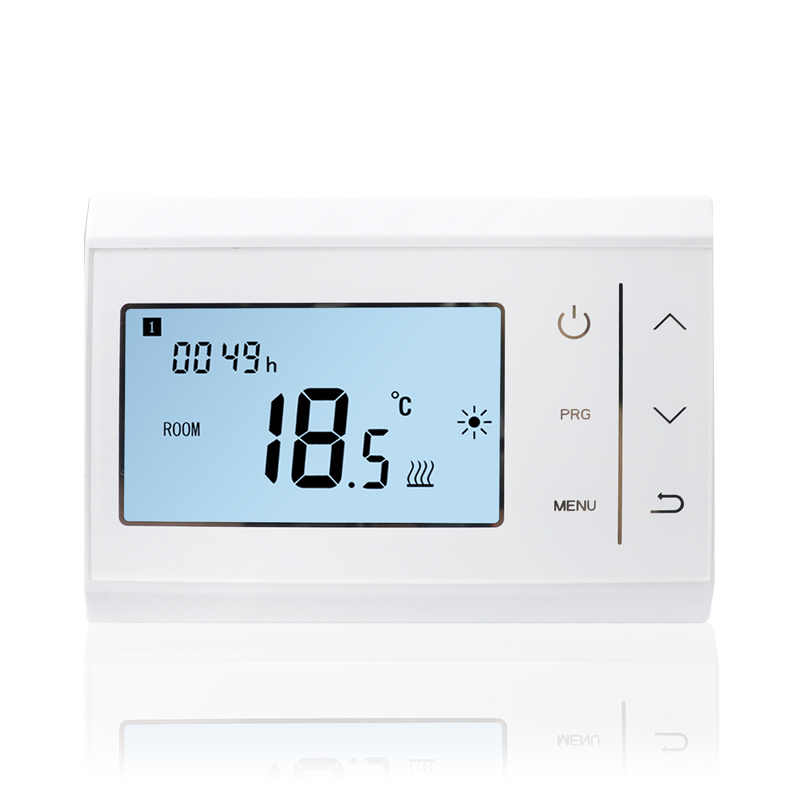
In modern office buildings, HVAC systems account for a significant portion of total energy consumption. Fan coil units (FCUs), as terminal air conditioning devices, have a direct impact on building comfort and energy costs. To improve management efficiency, save energy, and enhance occupant experience, more and more office buildings are adopting centralized control solutions for FCU thermostats. This article explores the principles, implementation methods, energy-saving benefits, and practical recommendations of centralized control schemes.
1. Basic Principle of Centralized Control
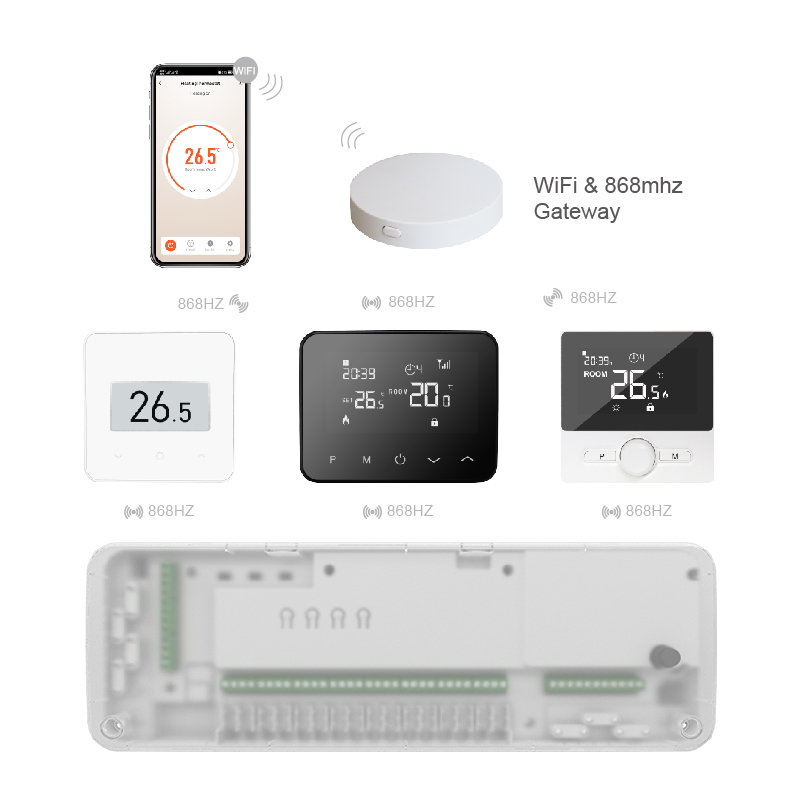
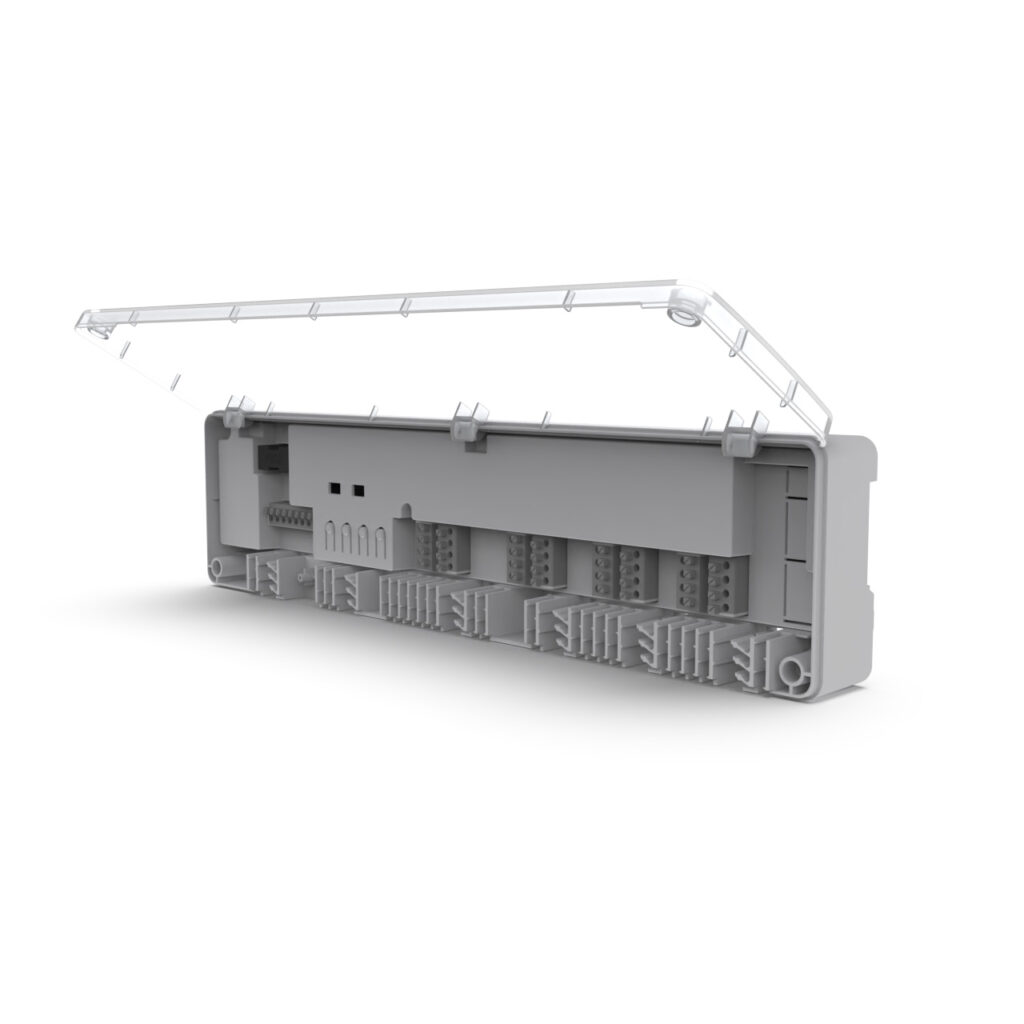
The core idea of a centralized FCU thermostat control system is to manage all thermostats through a Building Management System (BMS). By networking each office or zone thermostat, the system can:
Uniformly adjust temperature and fan speed
Monitor system operation in real time
Provide alarm notifications and fault diagnostics
Compared with traditional decentralized control, centralized systems reduce human intervention, prevent localized overcooling or overheating, and improve overall comfort.
2. Implementation Methods and Technologies
Centralized control schemes typically employ the following techniques:
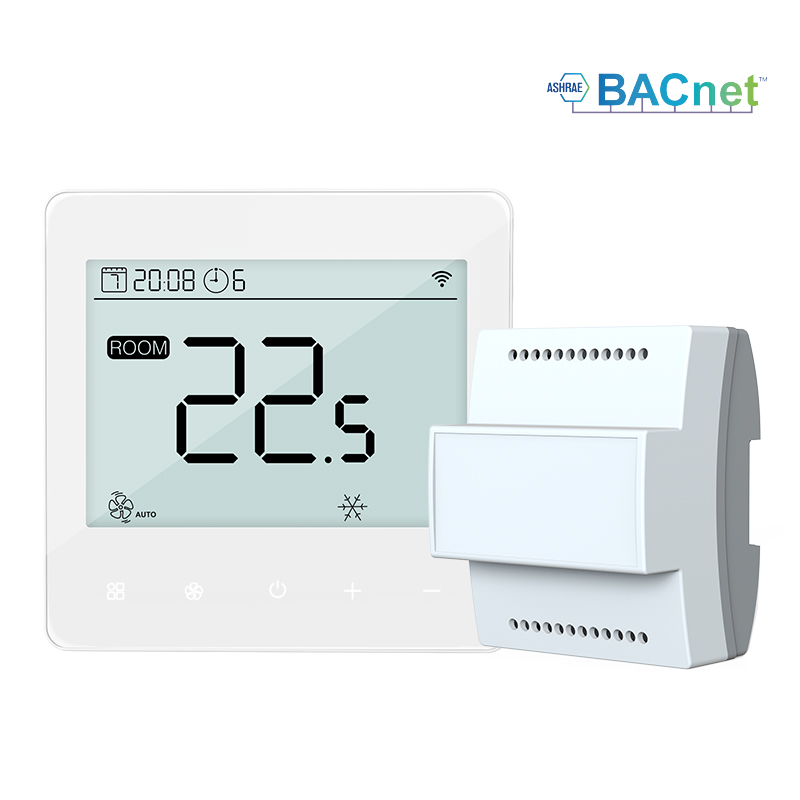
Wired or wireless networking: Thermostats connect to the BMS via RS485, Modbus, BACnet, or wireless protocols for data transmission and unified management.
Intelligent algorithm-based adjustment: The BMS dynamically regulates fan speed and valve openings based on floor or zone loads and outdoor environmental conditions, optimizing energy use.
Zoned control: Individual zones, such as office areas or meeting rooms, can have customized temperature and operating modes while remaining under centralized monitoring.
Remote management and data analysis: Facility managers can access real-time data, adjust parameters, and analyze energy trends remotely, supporting informed operational decisions.
3. Energy-Saving Benefits of Centralized Control
Centralized FCU thermostat control offers significant energy efficiency advantages:
Optimized fan and valve operation: Adjusts fan speed and chilled/hot water valve openings according to actual load, reducing unnecessary energy consumption.
Reduced system peak loads: Smartly balances zone temperatures to smooth energy demand, lowering electricity and water system peak usage.
Data-driven optimization: Collecting and analyzing thermostat operation data allows for further refinement of system strategies, achieving 10%–30% overall energy savings.
Real-world implementations show that office buildings with centralized control not only achieve notable energy savings but also maintain more stable indoor temperatures, enhancing occupant comfort.
4. Applications and Implementation Recommendations
To maximize the benefits of centralized control, the following should be considered:
Proper zoning: Divide the building into zones based on layout and usage to ensure comfort while enabling energy-efficient management.
Compatible thermostats: Ensure all thermostats are compatible with the BMS to avoid issues during expansion or maintenance.
Regular maintenance and calibration: Maintain sensor accuracy and valve responsiveness to ensure system strategies operate effectively.
Training for facility personnel: Equip operators with knowledge of centralized control system operation and data analysis to improve management efficiency.
5. Conclusion
In summary, centralized control solutions for FCU thermostats in office buildings balance comfort and energy efficiency through unified management and intelligent regulation. These systems improve temperature control accuracy, reduce energy consumption, simplify facility management, and provide long-term operational benefits. For modern office buildings aiming for efficient management and sustainable energy use, centralized FCU thermostat control is an essential strategy to optimize HVAC systems and enhance energy performance.