

In commercial buildings, HVAC systems are typically the largest energy consumers. Fan coil units (FCUs), as common terminal air conditioning devices, play a key role in building energy use. Proper use of FCU thermostats, combined with smart control strategies, can effectively reduce energy consumption while maintaining indoor comfort. This article explores how commercial buildings can achieve energy savings through FCU thermostats and practical implementation strategies.
1. Precise Temperature Control as the Basis for Energy Savings
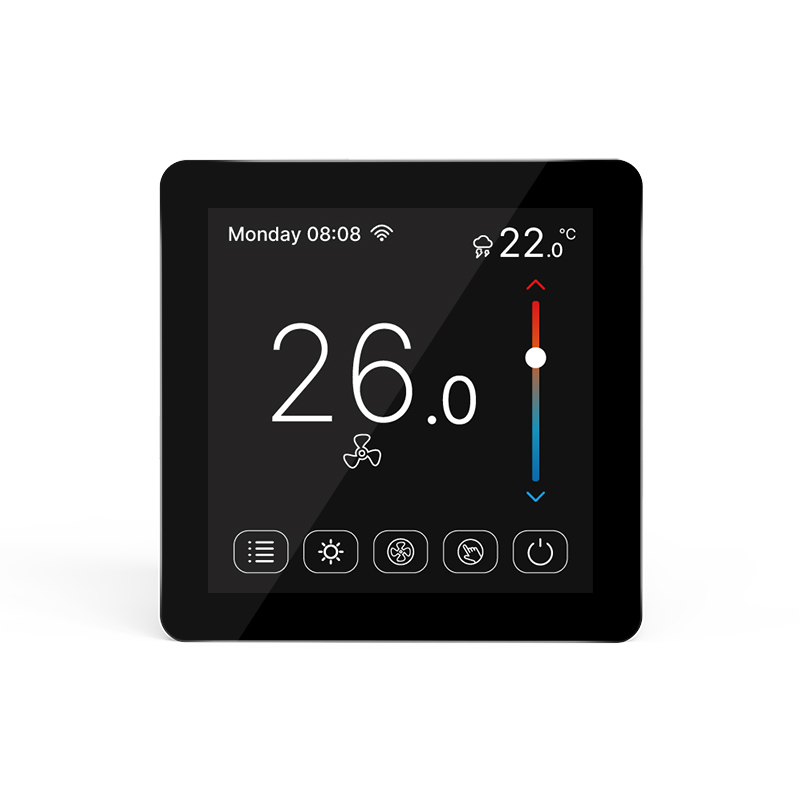
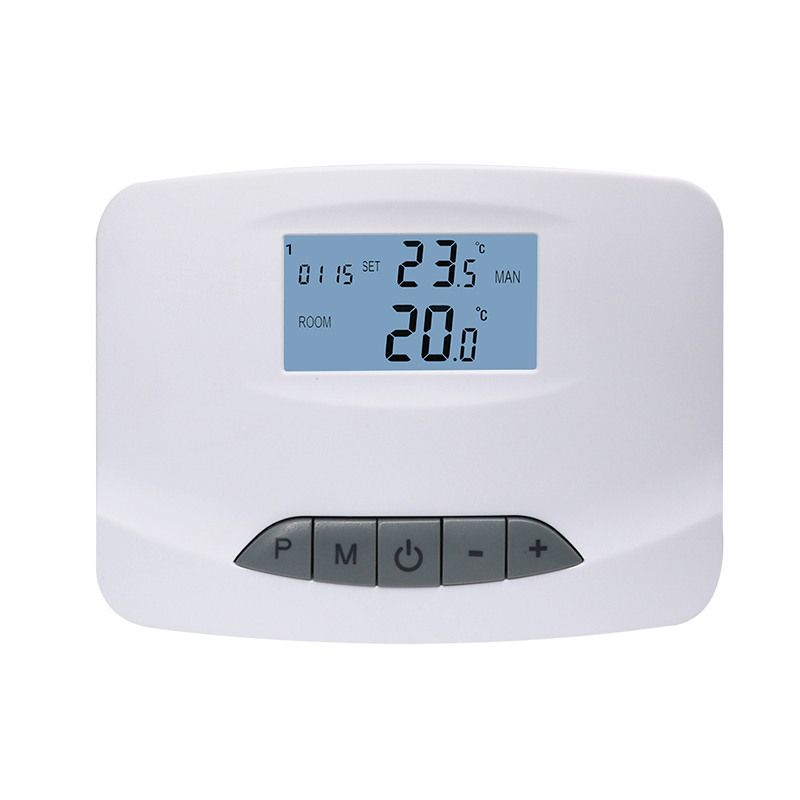
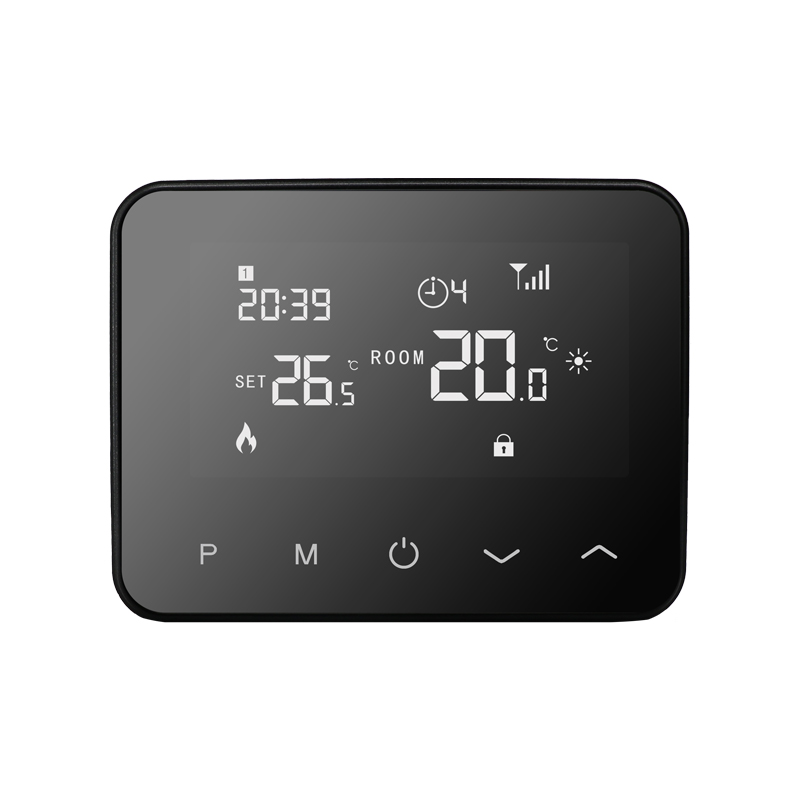
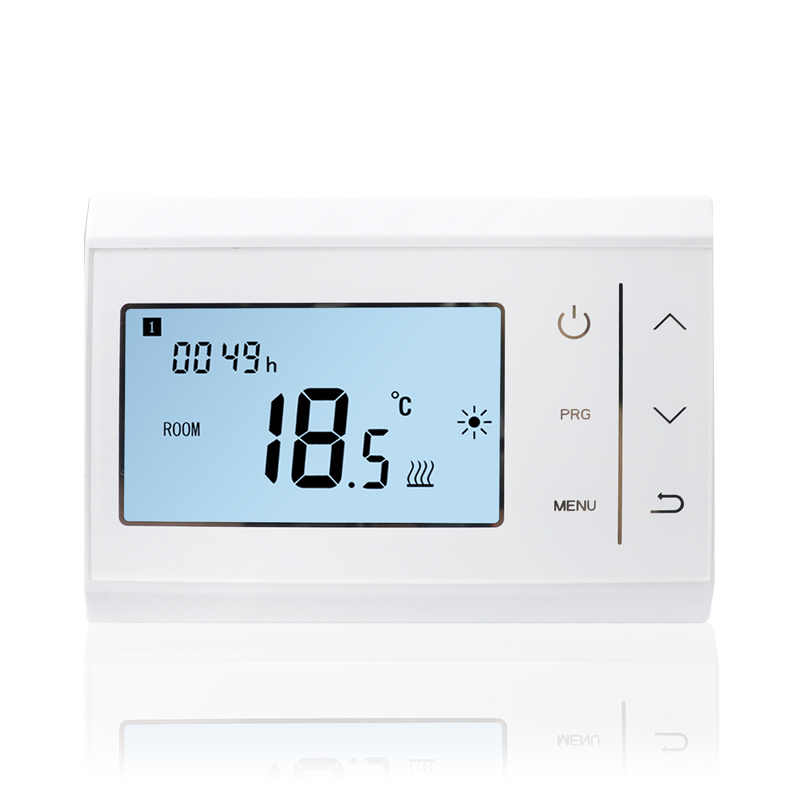
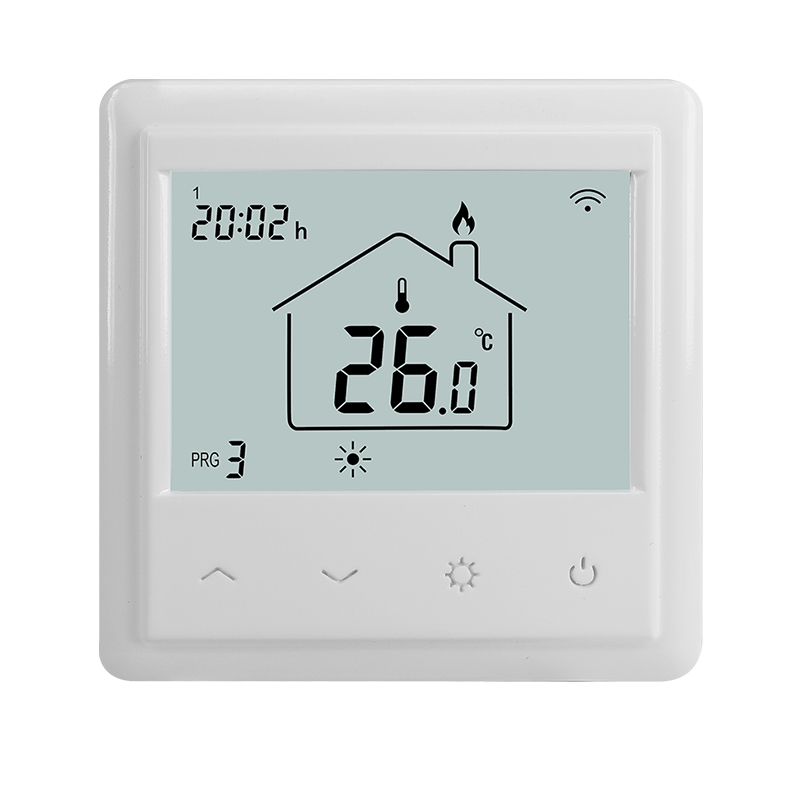
Thermostats are the core control devices of FCU systems. By monitoring indoor temperature, they adjust fan speed and chilled/hot water valve openings to maintain set temperatures. Precise temperature control can significantly reduce unnecessary HVAC operation:
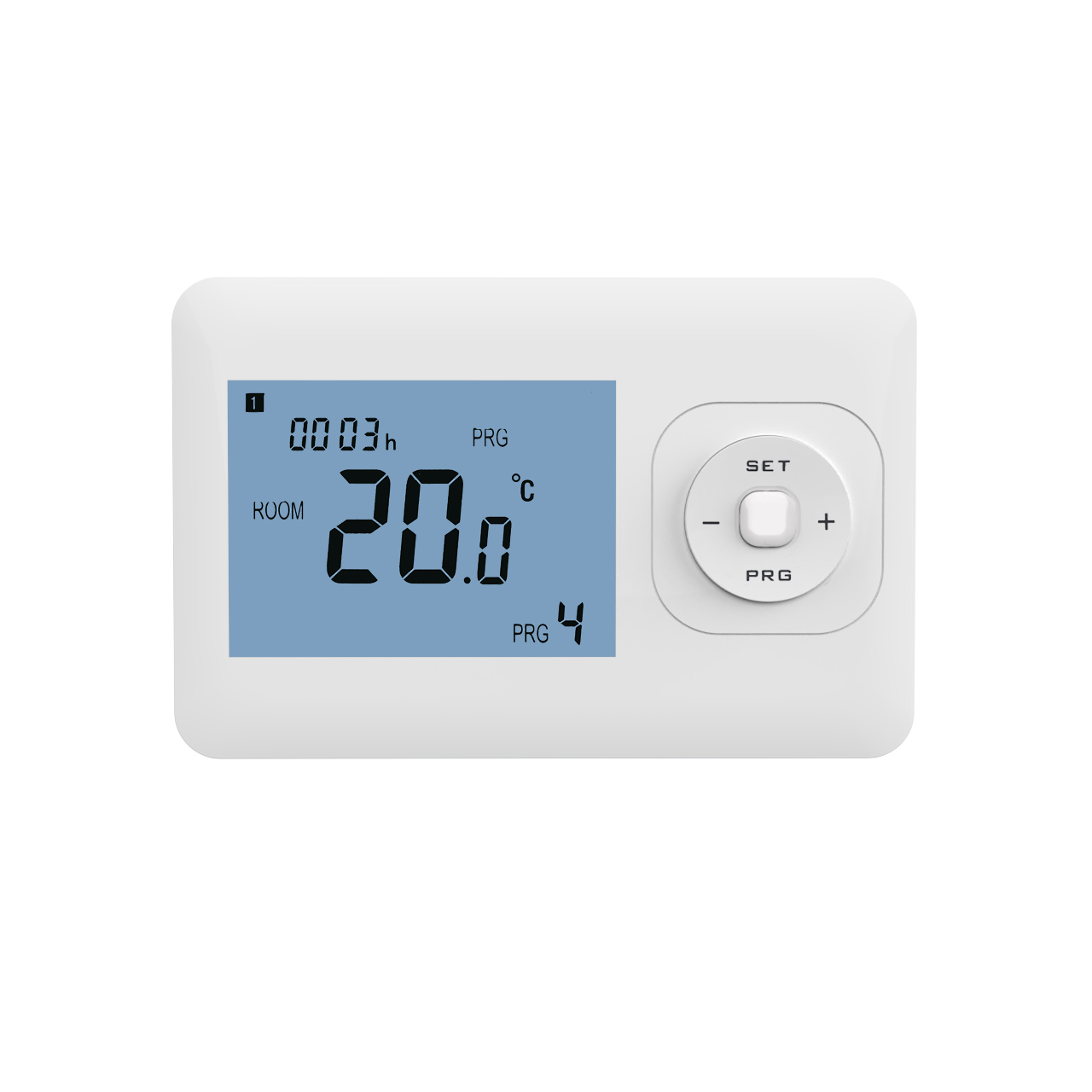
Avoid overcooling or overheating: Traditional mechanical thermostats may cause temperature fluctuations, increasing energy use, while digital or smart thermostats maintain stable set temperatures.
Load matching: Fan speed and valve openings are adjusted according to actual room heat load, lowering peak electricity demand.
Consistent comfort: Stable indoor temperatures reduce secondary energy consumption caused by constant adjustments.
2. Smart Control for Optimized Energy Efficiency
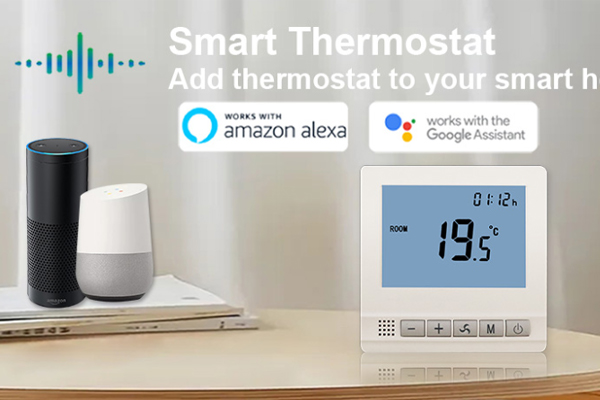
Modern commercial buildings increasingly adopt smart FCU thermostats to achieve energy optimization:
Multi-speed or variable-speed fan control: Adjusts fan speed automatically based on room load, preventing excessive high-speed operation and reducing electricity consumption.
Precise valve adjustment: Controls chilled/hot water flow to minimize water system energy waste.
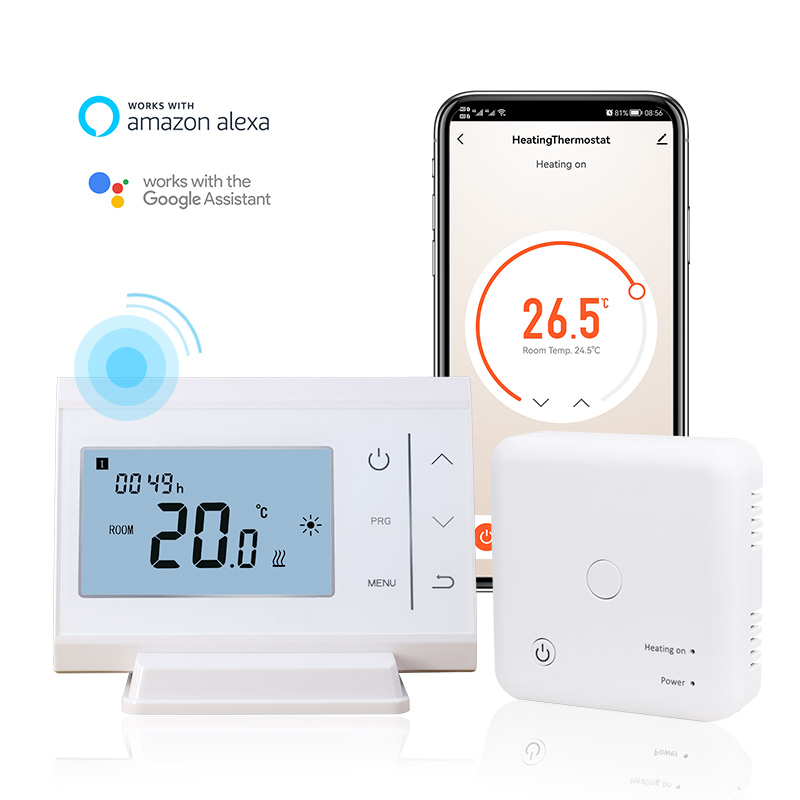
Operational data analysis: Collects temperature, humidity, and fan status data to analyze energy consumption patterns, supporting informed energy management decisions.
In practice, properly configured smart FCU thermostats can reduce overall energy consumption by 15%–30%, while maintaining a comfortable indoor environment.
3. Centralized Control Strategies for Greater Efficiency
For large commercial buildings, centralized thermostat control can further enhance energy savings:
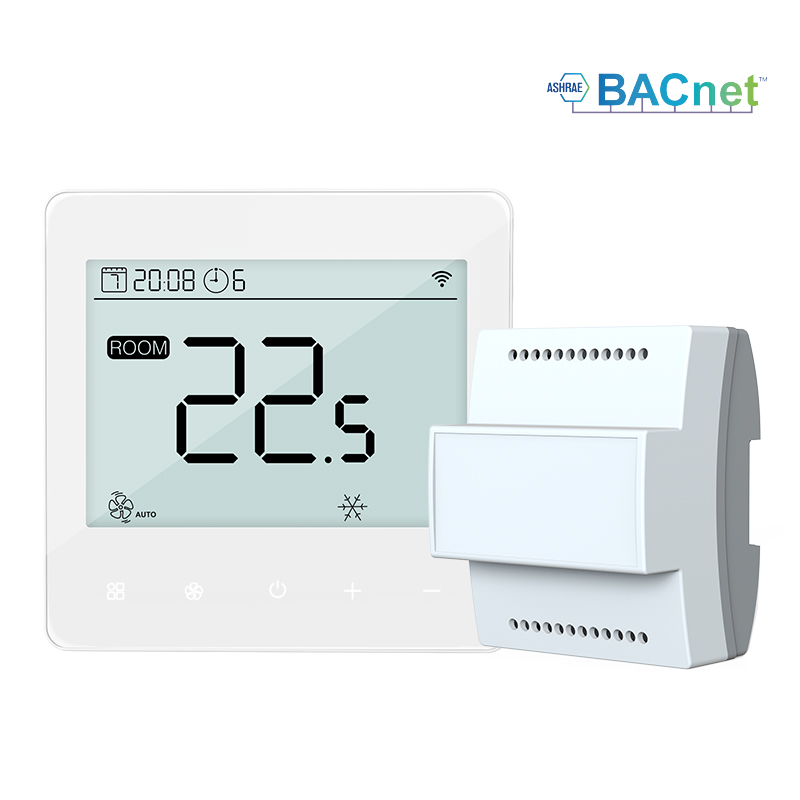
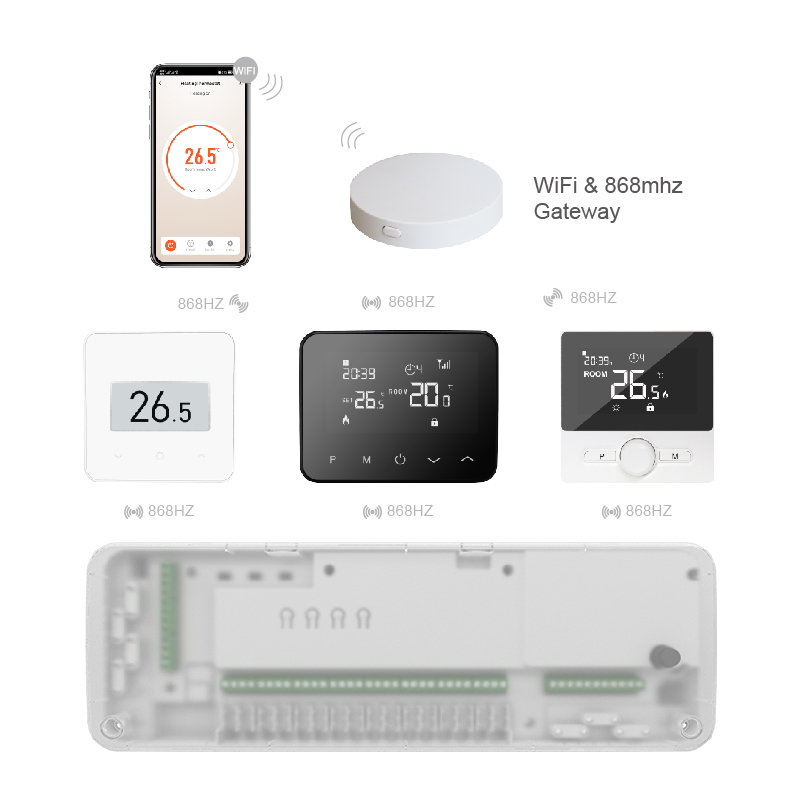
Unified adjustments: A Building Management System (BMS) centrally manages all thermostats, regulating temperature and operating modes across zones.
Remote monitoring: Facility managers can remotely adjust control strategies to optimize energy use during off-hours or holidays.
Real-time alerts: Monitors for abnormal conditions and quickly addresses equipment issues, reducing energy waste.
Centralized control not only improves energy efficiency but also simplifies equipment management and maintenance.
4. Recommendations for Implementation
To maximize the energy-saving potential of FCU thermostats, commercial buildings should consider:
Select compatible smart thermostats: Ensure compatibility with the BMS and FCU system for seamless centralized control.
Set appropriate temperature ranges: Define comfort temperature ranges based on building function and occupancy to avoid unnecessary energy use.
Regular maintenance and calibration: Maintain sensor and valve accuracy to ensure the effectiveness of thermostat strategies.
Zoned control: Implement independent control strategies for different areas according to load and occupancy, improving localized energy savings.
5. Conclusion
In conclusion, FCU thermostats are a crucial tool for energy savings in commercial buildings. Through precise temperature control, intelligent fan and valve adjustments, centralized management, and data-driven analysis, energy consumption can be significantly reduced while maintaining occupant comfort. In modern energy-efficient building design, proper use of thermostats not only lowers operational costs but also improves management efficiency. For commercial buildings, FCU thermostats are an essential component in optimizing HVAC systems and achieving sustainable energy performance.