


Underfloor heating fan coil heat pump systems combine low-temperature radiant heating with air-based temperature regulation, offering strong advantages in comfort, energy efficiency, and spatial adaptability. As the system integrates a heat pump unit, underfloor heating terminals, fan coil units, and a control system, the installation process involves multiple technical stages. A standardized installation procedure helps improve system performance, reduce operational risks, and ensure long-term stable operation.
Pre-Installation Planning and Site Verification
Before construction begins, comprehensive system planning is essential. Designers need to evaluate the building structure, insulation performance, and functional requirements to determine underfloor heating coverage areas and fan coil unit placement. Installers should verify site conditions in advance, including power supply capacity, water connections, equipment access routes, and reserved installation spaces. Thorough site verification helps prevent design adjustments during construction and improves overall installation efficiency.
Heat Pump Unit Installation and Foundation Requirements
The heat pump unit serves as the core source of heating and cooling. Its installation location must meet ventilation, load-bearing, and maintenance accessibility requirements. The equipment base should be level and structurally sound to support the unit’s weight. During installation, vibration isolation measures should be applied to minimize operational noise. Refrigerant piping, power wiring, and control cables must be connected according to technical standards, ensuring secure joints and clear routing for reliable system operation.
Underfloor Heating System Installation Process
As an embedded system, underfloor heating requires strict construction control. Key installation steps include:
Surface preparation and cleaning to ensure a flat working area
Installation of insulation boards and reflective layers to reduce downward heat loss
Laying and fixing heating pipes according to design spacing to ensure even heat distribution
Pressure testing of pipelines to confirm system tightness before covering
Only after these steps are completed can backfilling or floor leveling work proceed.
Fan Coil Unit Installation and Terminal Adjustment
Fan coil units are commonly installed within ceilings or wall cavities. Maintenance access openings should be reserved during construction. Units must be securely fixed, with proper airflow direction to avoid direct drafts toward occupants. Condensate drainage piping should maintain sufficient slope to prevent water accumulation. After installation, fan operation and noise levels should be inspected to confirm stable and quiet performance.
Piping System Configuration and Hydraulic Balancing
Because underfloor heating and fan coil units have different water flow requirements, piping system design plays a critical role. Installation should focus on the following aspects:
Independent or zoned circuits for precise flow regulation
Distribution manifolds and balancing valves to achieve hydraulic balance
Thermal insulation for exposed pipes to minimize energy loss
Clear supply and return pipe labeling to support future maintenance
Proper piping configuration improves system stability and prevents uneven heating or cooling.
Control System Installation and Integrated Operation
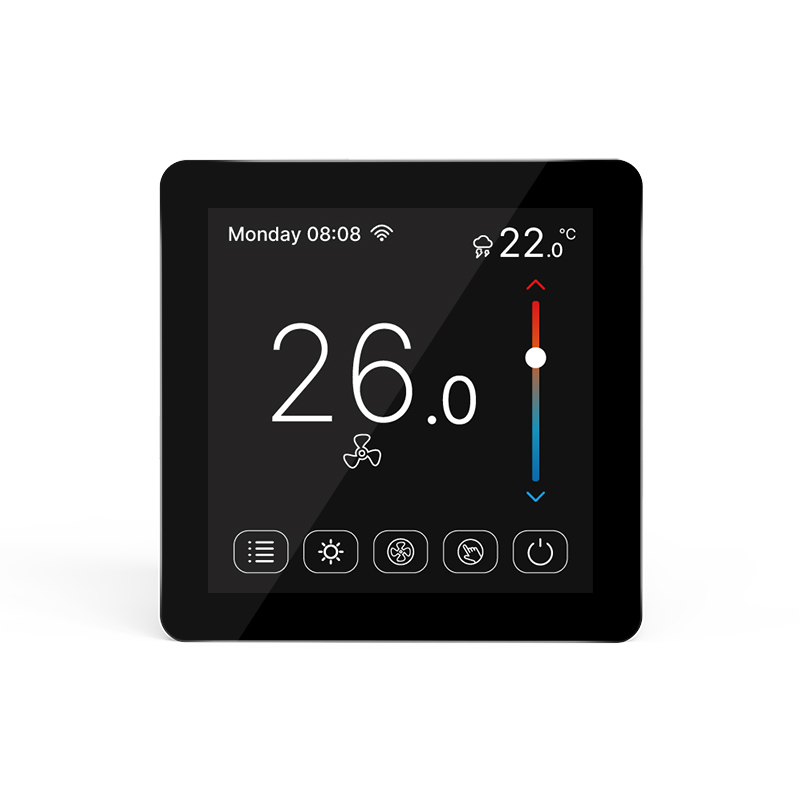
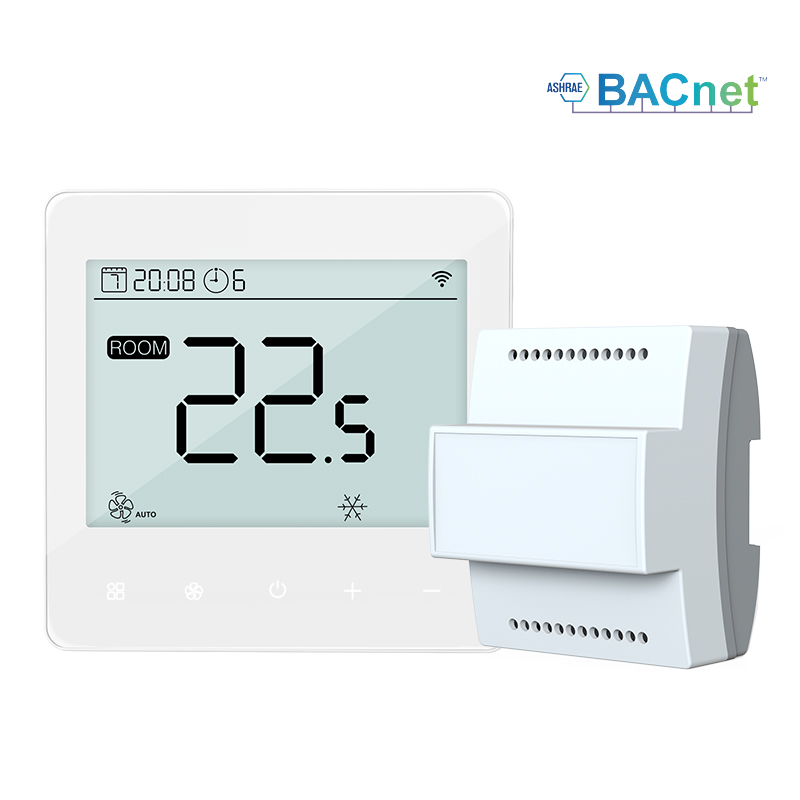
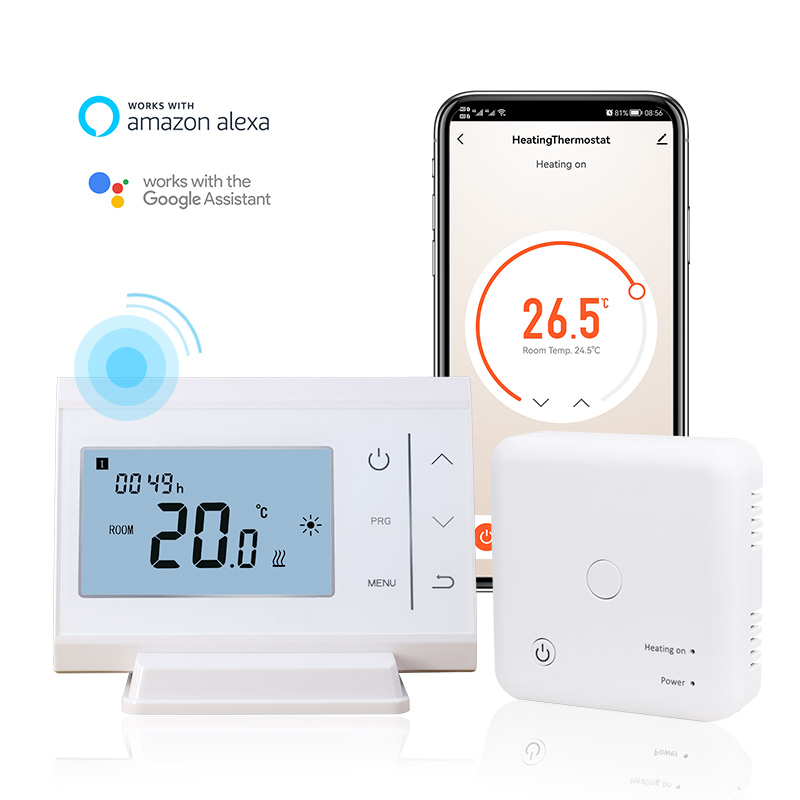
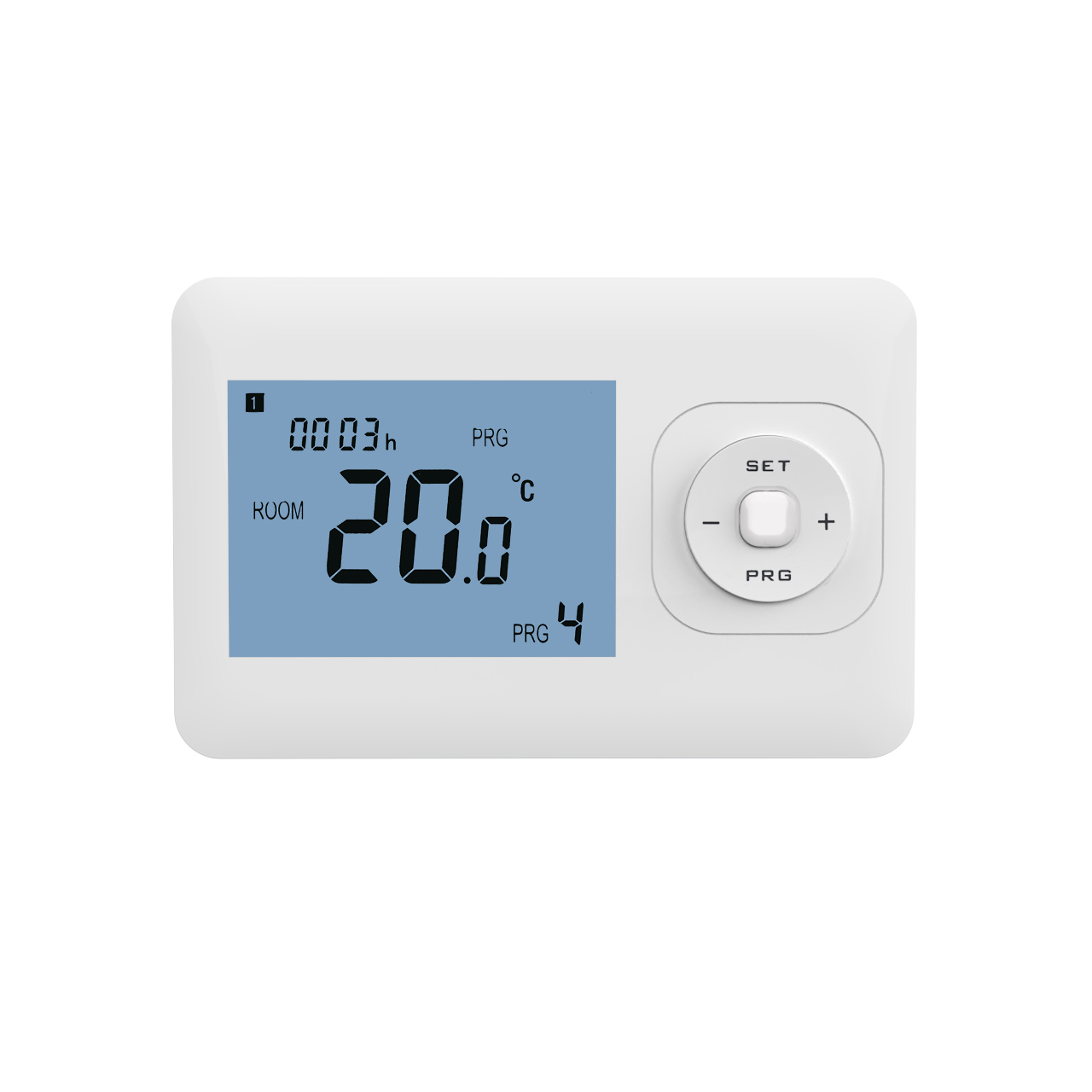
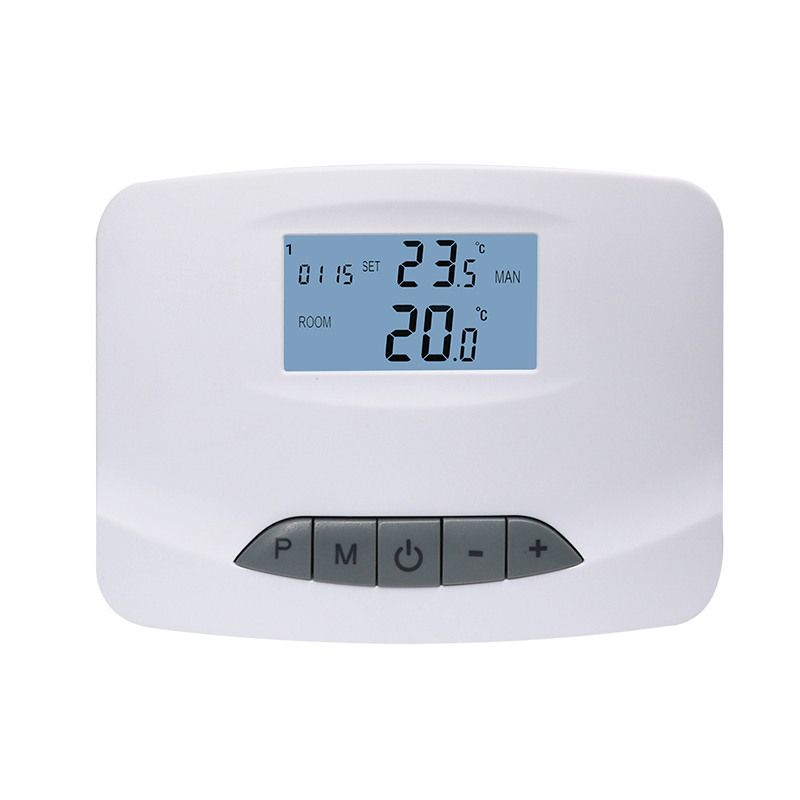
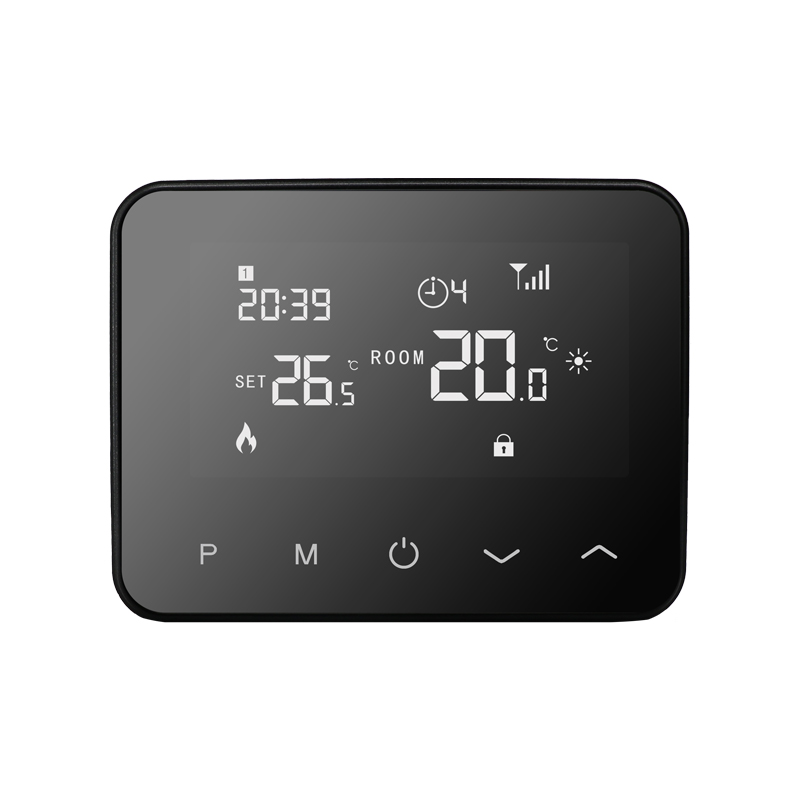
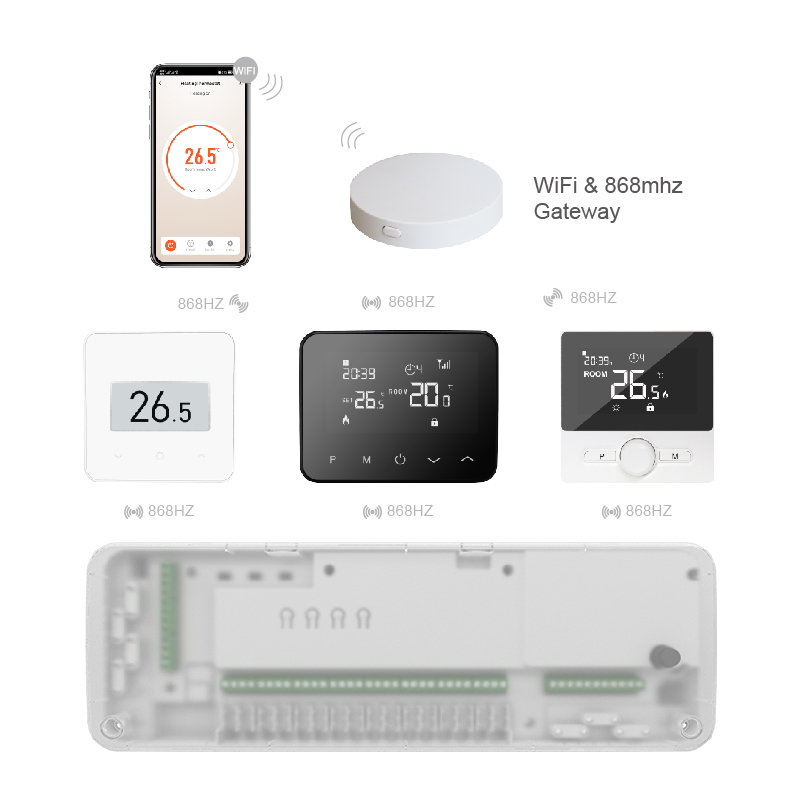
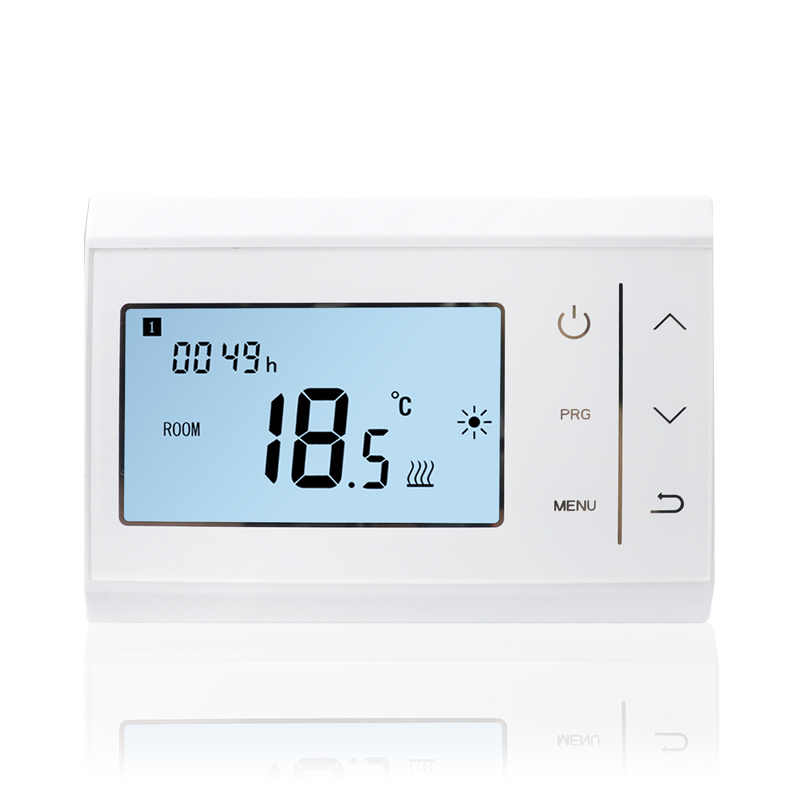
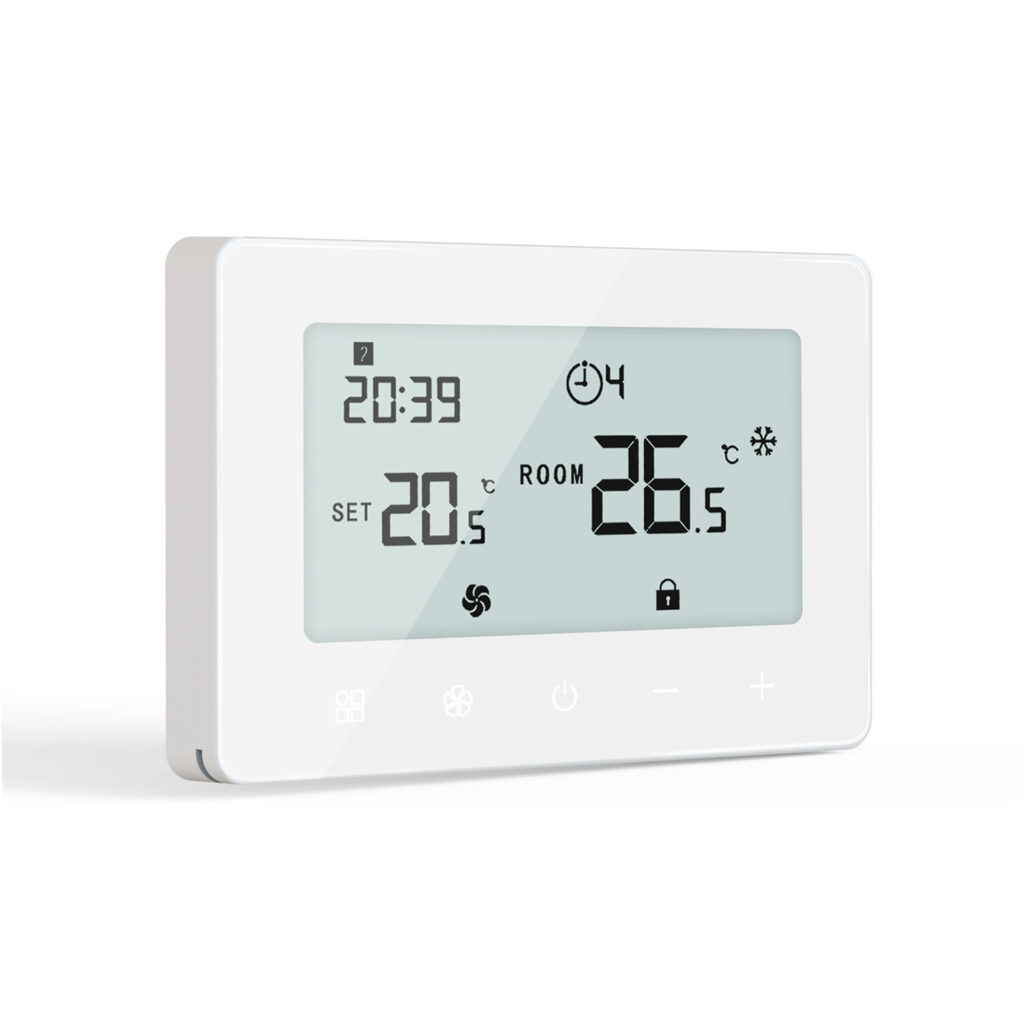
The control system coordinates the operation of the heat pump, underfloor heating, and fan coil units. During installation, thermostats, actuators, and control modules must be correctly connected to enable zoned temperature regulation. Commissioning includes checking temperature settings against actual output and verifying response behavior of each terminal device. Well-designed control logic allows users to adjust operation based on usage needs and enhances overall comfort.
System Commissioning and Operational Testing
Once all components are installed, the system enters the commissioning stage. This process includes system filling, air purging, parameter configuration, and load testing. Each circuit is activated sequentially to observe temperature changes, flow stability, and equipment behavior. Attention should be paid to operational noise, water circulation stability, and start-stop frequency to ensure the system performs reliably under real operating conditions.