

Many families face a dilemma when installing underfloor heating: should they implement individual room temperature control? Some feel a uniform temperature for the entire house is sufficient, as it’s simple and convenient; others have heard that individual room temperature control is more comfortable and cheaper, but worry about higher costs and system complexity. This question often causes hesitation, especially when budgets are limited or there’s a lack of understanding about underfloor heating. Individual room temperature control is a usage method that has gained increasing importance due to changing living needs. Different rooms have different functions, usage times, and occupants’ activities. If all rooms use the same temperature standard, it’s easy for some to feel too hot while others feel too cold.
What exactly does individual room temperature control mean?
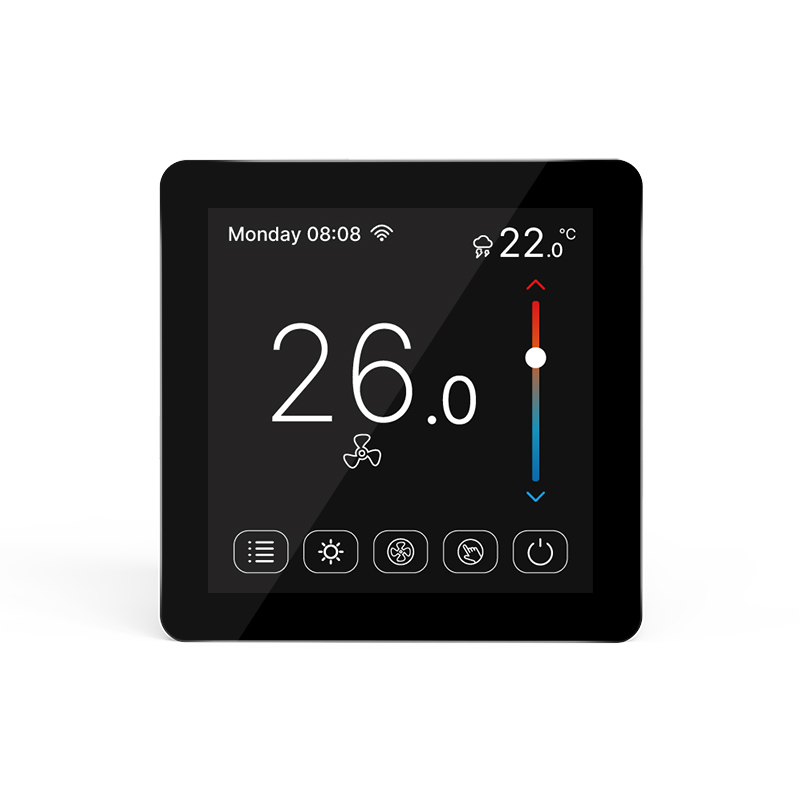
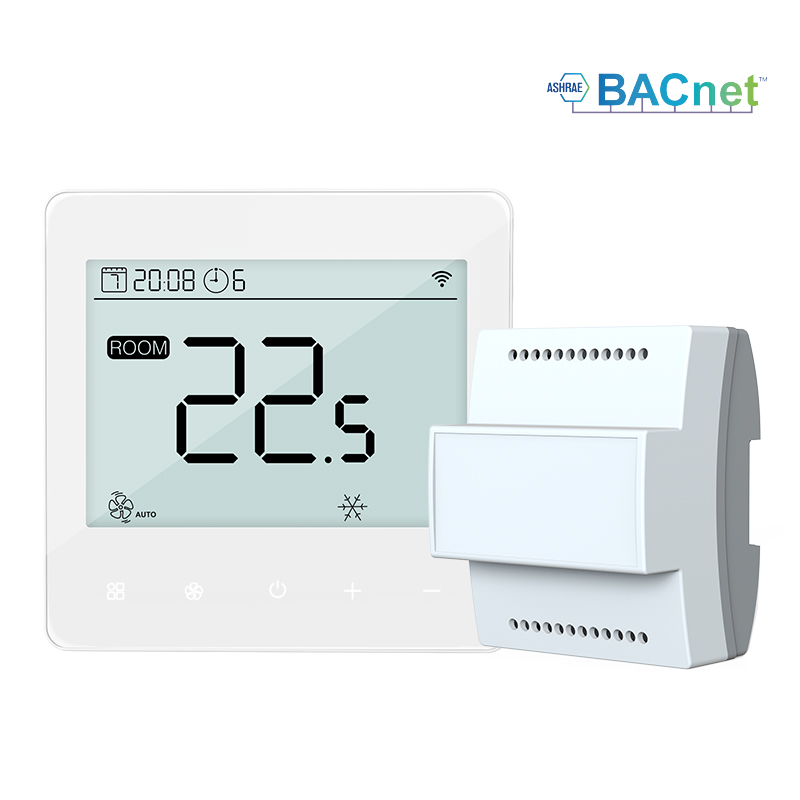
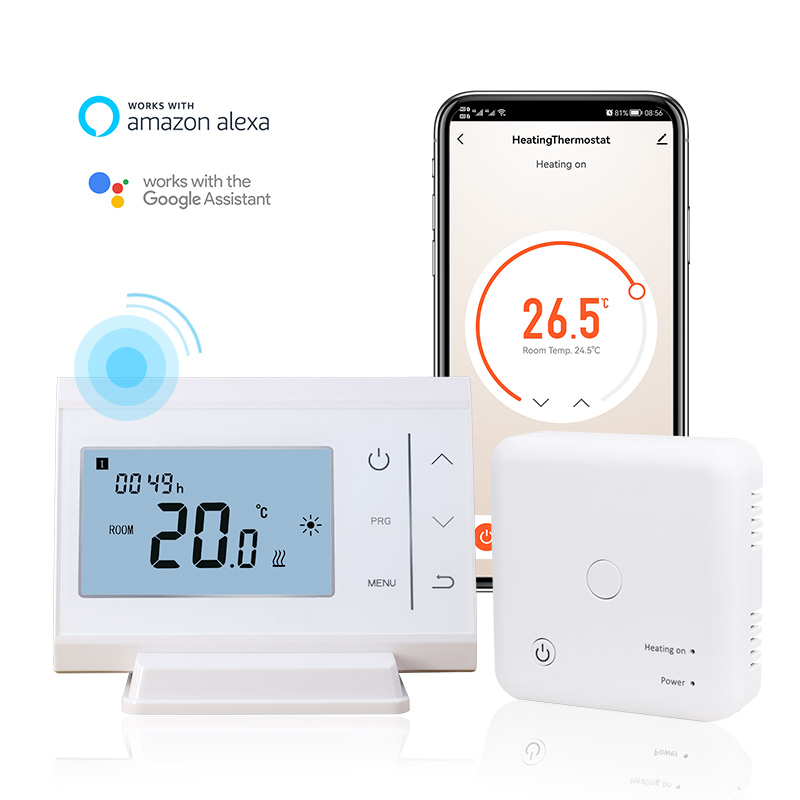
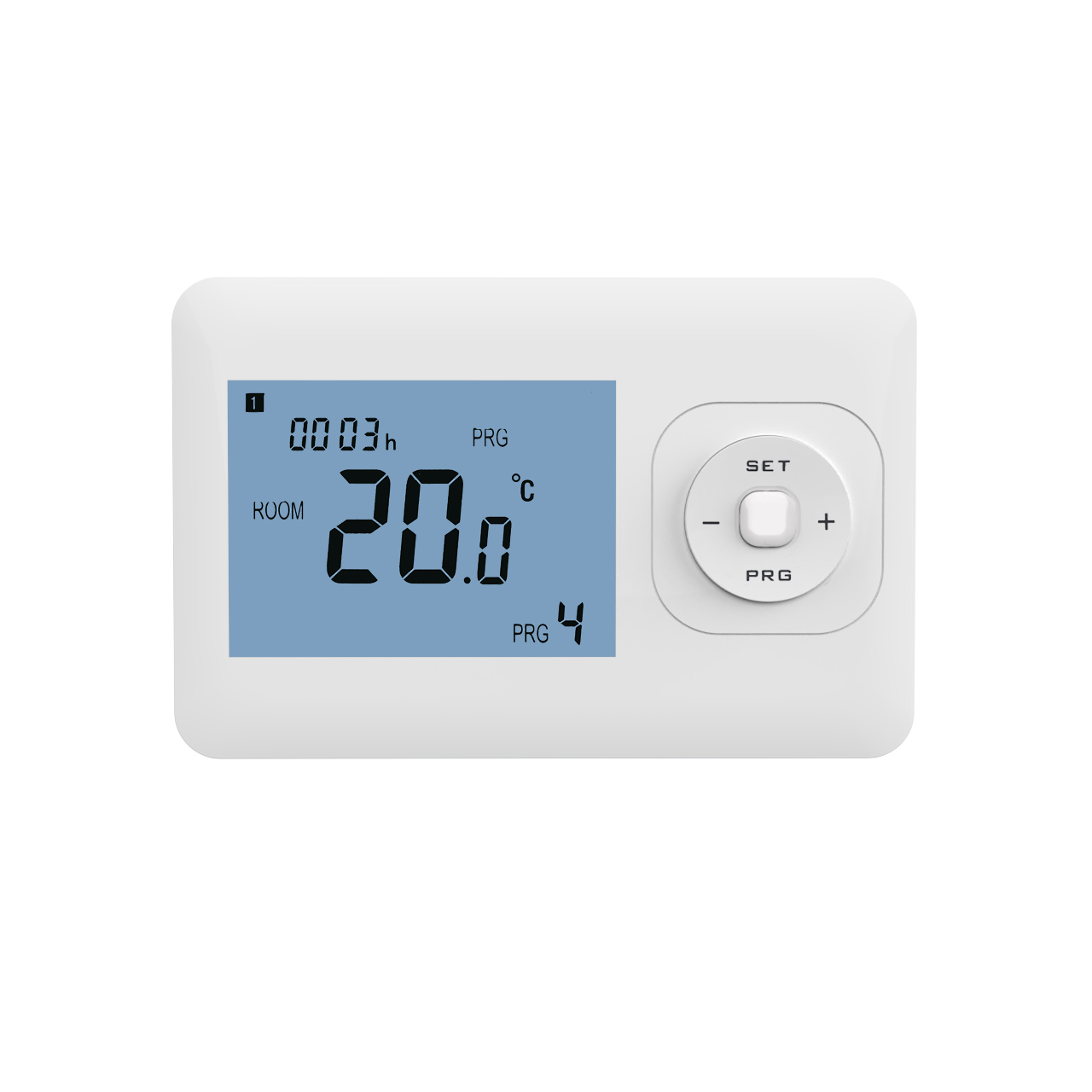
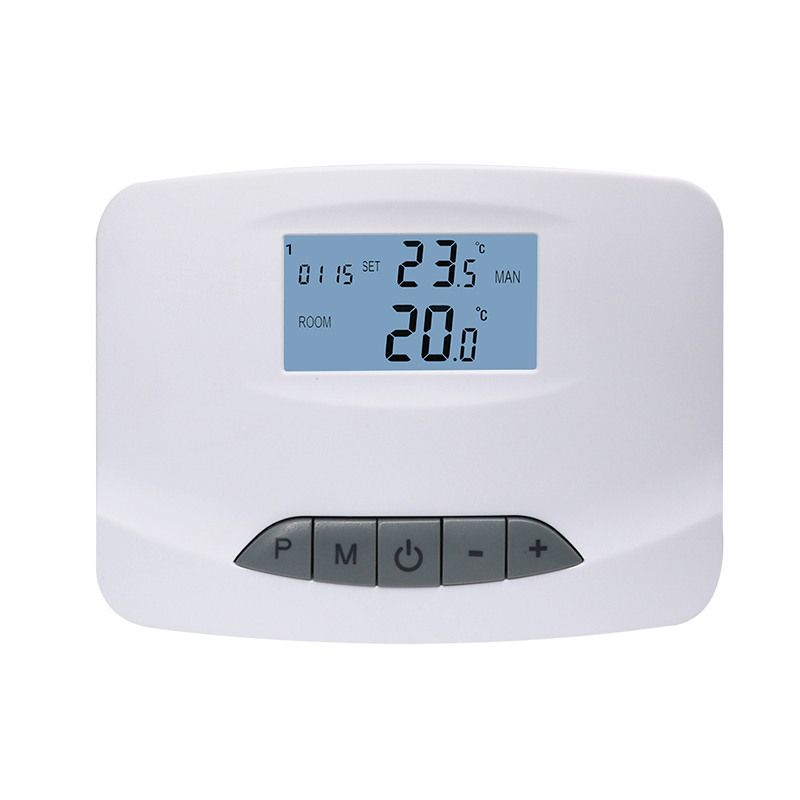
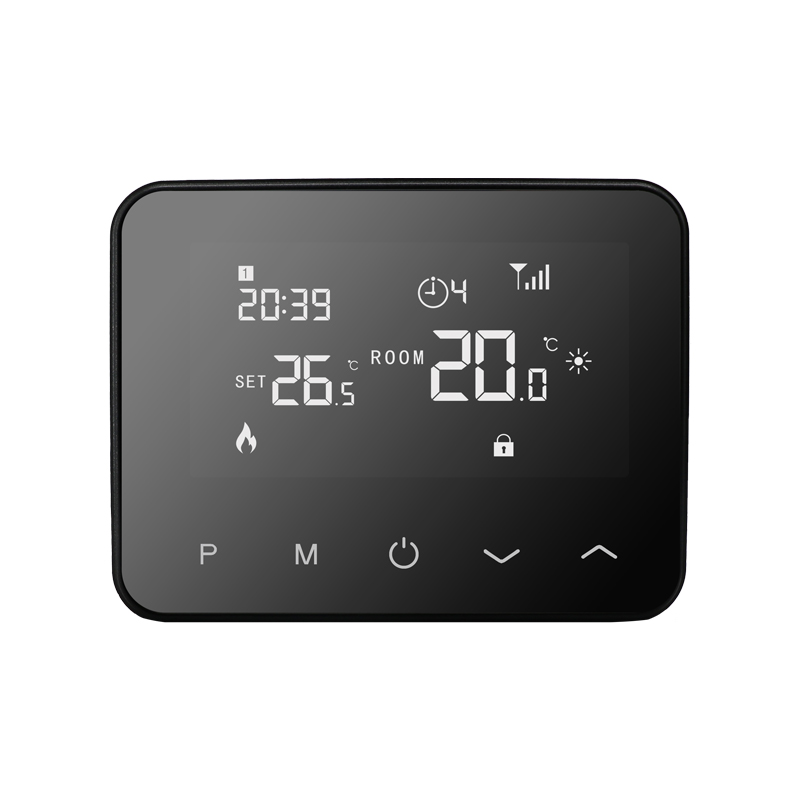
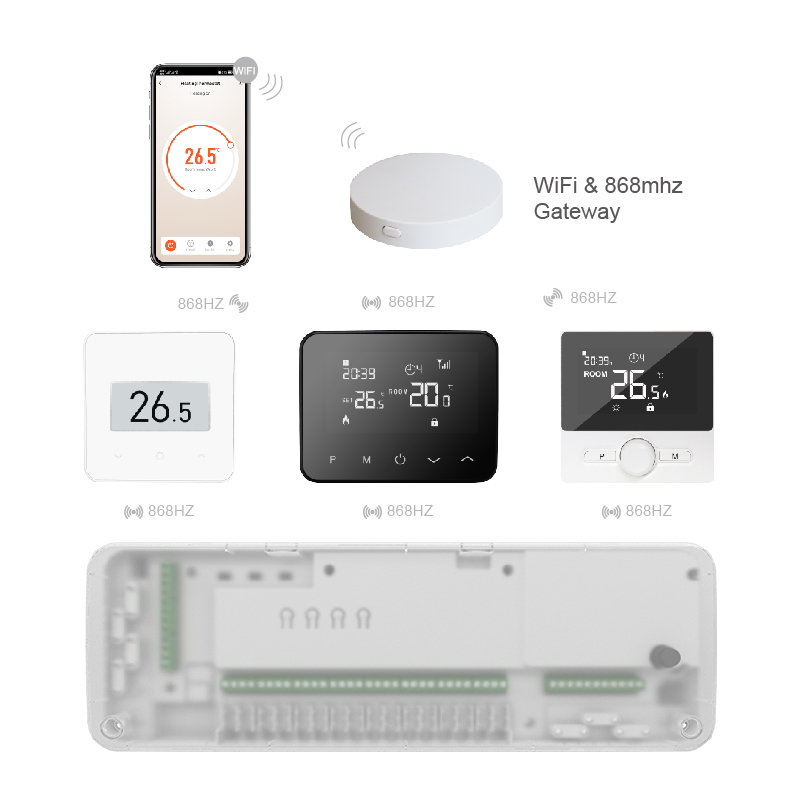
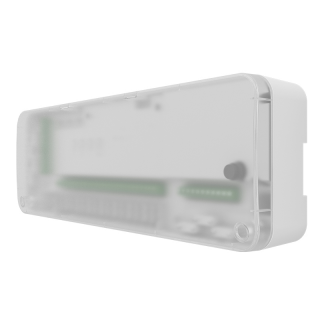
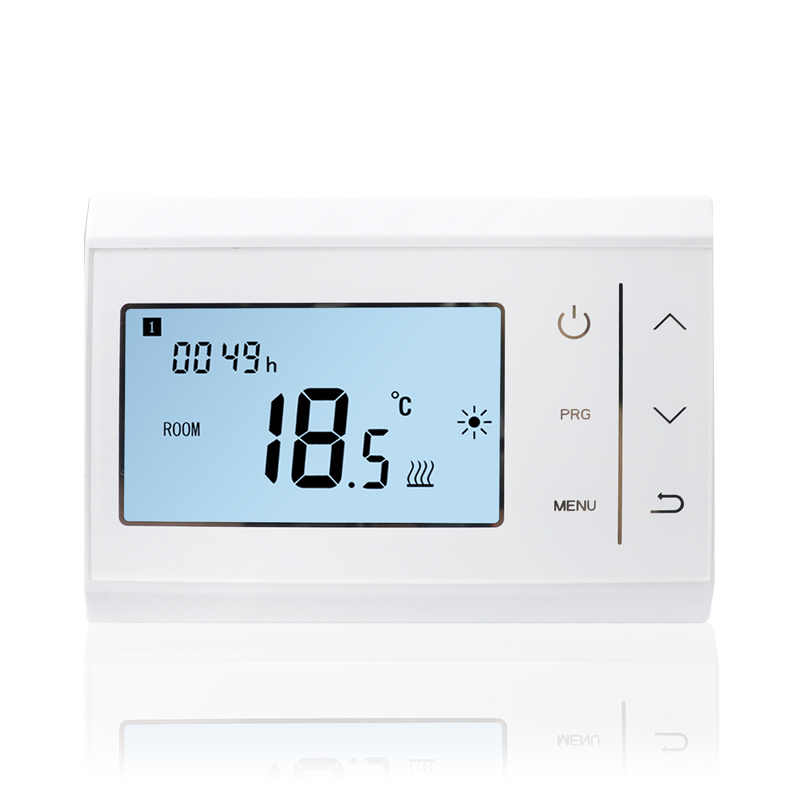
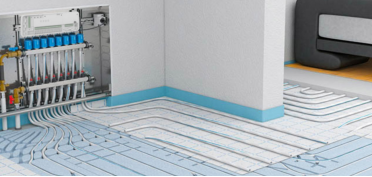
Individual room temperature control means that each room can have its own temperature set, rather than a uniform temperature increase or decrease for the entire house. Through the cooperation of thermostats, a central control box, and thermal actuators, spaces such as the living room, bedroom, and study can be heated or stopped as needed. In this way, the temperature of each room is no longer “uniformly arranged,” but rather more tailored to actual usage.
Do different rooms really need different temperatures?
This is a point many people overlook. In reality, different rooms have significantly different temperature requirements: bedrooms are better suited to slightly lower temperatures for more comfortable sleep; living rooms, with more activity, usually need to be warmer; studies, where people sit for long periods, can easily become cold if the temperature is too low; children’s rooms and elderly people’s rooms are more sensitive to temperature. If the entire house has a uniform temperature, you’re forced to choose between “making do” and “waste.” Individual room temperature control allows each room to operate at its own pace, significantly improving comfort.
Does individual room temperature control really save money?
Many people worry that individual room temperature control is more expensive, but actually, the opposite is true. One of the core advantages of individual room temperature control is reduced waste. Less frequently used rooms can have their temperature lowered or even have heating turned off, while frequently used rooms only need to maintain a comfortable temperature. This allows for more efficient operation of boilers and water pumps, avoiding high loads across the entire house simultaneously. In the long run, energy consumption is more controllable, and the bills are lower.
What problems arise if individual temperature control isn’t implemented?
Without individual room temperature control, the most common problems include: rooms that have been unused for a long time still being heated; bedrooms becoming too hot at night, affecting sleep; the overall temperature being forced to be raised to accommodate one room; and prolonged underfloor heating operation without improved comfort. These problems may not be immediately apparent, but over time, both comfort and energy consumption will be affected.
Is individual room temperature control complicated and troublesome?
This is a major concern for many families. In reality, modern underfloor heating with individual room temperature control is very mature. The thermostats are easy to operate, and the centralized control box automatically coordinates the operation of each room. Daily use is no more complicated than ordinary underfloor heating. As long as the initial design is reasonable and the installation is standardized, there is basically no need for extra worry afterward; it’s as intuitive as adjusting the air conditioner temperature.
What kind of families are more suitable for individual room temperature control?
From a practical perspective, the following types of families are particularly suitable for individual room temperature control: families with many rooms and varying usage frequencies; families with elderly people or children who are sensitive to temperature; families with inconsistent sleep schedules; and families who want to control energy consumption while ensuring comfort. If you only have a small apartment and use the entire house simultaneously for extended periods, the advantages of individual room temperature control will be relatively weaker, but that doesn’t mean it’s worthless.
Returning to the initial question: Is individual room temperature control for underfloor heating really necessary? The answer isn’t “must,” but rather, it’s absolutely worthwhile. It’s not about pursuing complexity, but about making underfloor heating more compatible with real-life lifestyles. Individual temperature control gives each room independent temperature settings, reducing unnecessary heating waste, improving overall comfort, and making energy use more rational and controllable. For most families, individual temperature control isn’t a luxury, but a more practical upgrade. With proper planning before installation, individual room temperature control can truly allow underfloor heating to “heat on demand” without increasing the burden of usage. In the long run, the comfort and energy savings it brings often make it worthwhile.