
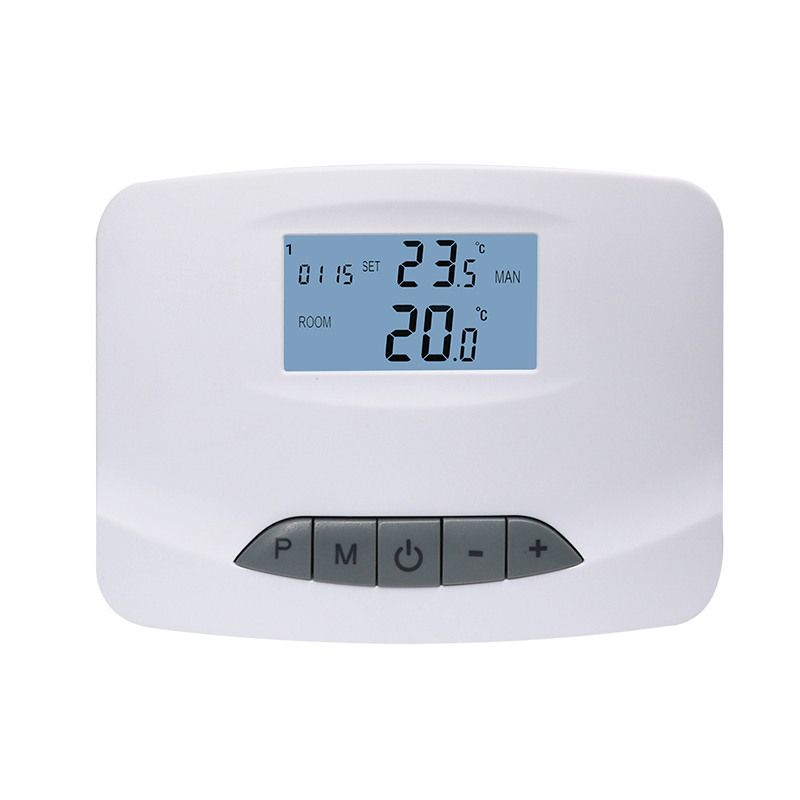
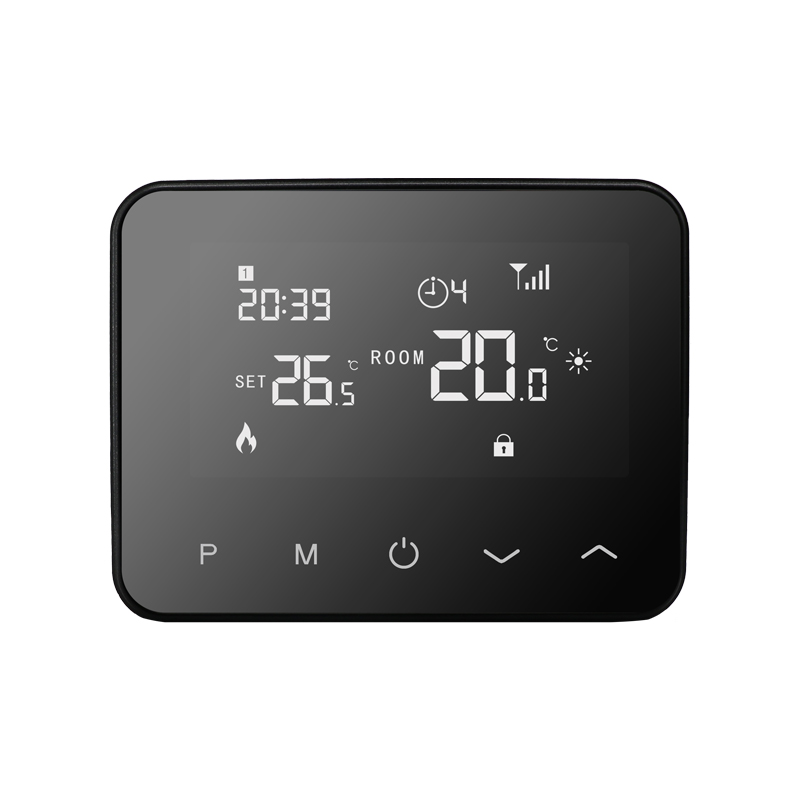




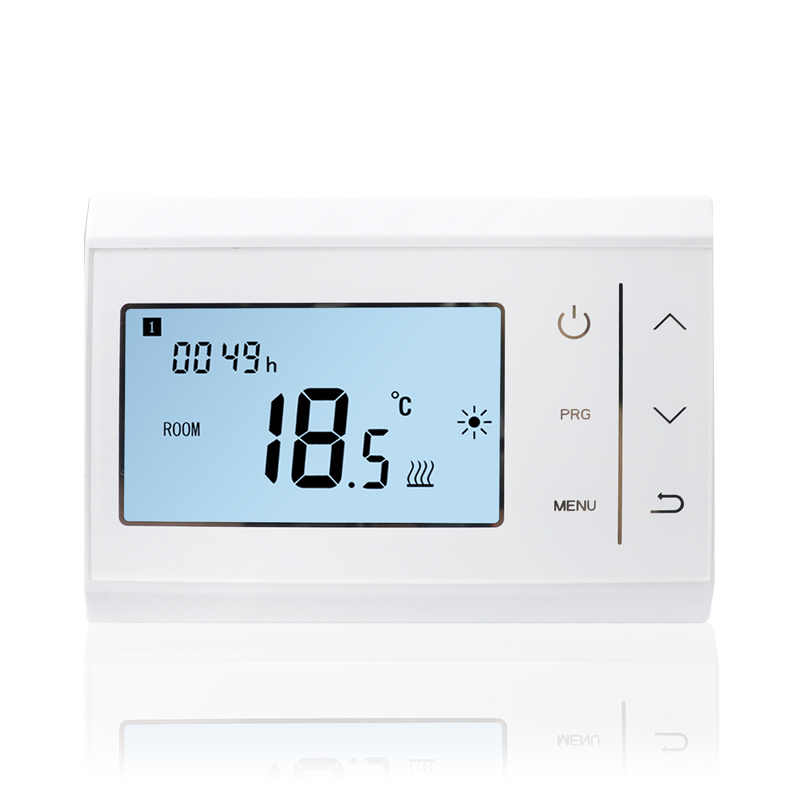
In the cold winter, thermostatic radiator valves, acting as the “smart brain” of home heating systems, play a crucial role in regulating room temperature and balancing energy consumption. Many users wonder: when the room temperature reaches the set value, will the valve completely close to stop heating? The answer to this question not only concerns heating comfort but also directly impacts energy consumption and equipment lifespan. This article will unveil the “mystery of closing” for thermostatic radiator valves from three dimensions: working principle, closing logic, and practical application scenarios.

The core function of a thermostatic radiator valve is to automatically regulate hot water flow through the dynamic response of a temperature-sensing element. Internally, it contains a heat-sensitive material (such as wax or liquid metal). When the room temperature is below the set value, the temperature-sensing element contracts, pushing the valve stem to open the valve, allowing hot water to flow into the radiator for heating. When the room temperature approaches or reaches the set temperature, the temperature-sensing element expands, compressing the valve stem to close the valve, reducing the hot water flow. In this process, the valve’s closure is not a binary “open or closed” state but a linear process of continuous adjustment based on temperature deviation. For example, when the room temperature is only 1°C lower than the set value, the valve may only open at 30% flow; however, when the temperature difference widens to 3°C, the valve will gradually open to over 80%. This precise adjustment mechanism avoids drastic fluctuations in room temperature and prevents energy waste.
From a technical perspective, whether a thermostatic radiator valve will completely close depends on two key factors: the difference between the set temperature and the actual room temperature, and the valve’s minimum flow limit. When the room temperature is significantly lower than the set value (e.g., set at 22°C, actual at 18°C), the valve will fully open to rapidly raise the temperature; while when the room temperature approaches the set value (e.g., 21.5°C), the valve will gradually close to the minimum flow position, but usually will not completely close. This is because the radiator system needs to maintain a certain basic circulation flow to prevent the risk of freezing and cracking due to excessively low water temperature in the pipes, and to avoid water hammer (pressure surge caused by a sudden interruption of water flow) caused by a completely closed valve. Furthermore, some high-end models feature a “freeze protection” function. When the ambient temperature is below 5°C, the valve will remain slightly open even if the set temperature has not been reached, ensuring continuous system operation.
In practical applications, the “incomplete closure” characteristic of thermostatic radiator valves actually becomes an energy-saving advantage. Taking a centrally heated home in northern China as an example, if the valve is completely closed, the system needs to restart heating when the room temperature drops at night, which not only takes longer but also leads to a surge in energy consumption due to frequent start-stop cycles. By maintaining a small flow rate, the system can maintain a stable room temperature with lower power, avoiding the energy waste caused by large fluctuations. According to tests by the European Building Energy Conservation Research Institute, heating systems using intelligent thermostatic valves can reduce energy consumption by 15%-20% compared to traditional manual valves, with the “micro-flow maintenance” mode contributing approximately 40% of the energy savings.
For users, understanding the closing logic of thermostatic radiator valves helps in the more scientific use of heating equipment. For example, when leaving home for a short period in winter, it’s not necessary to completely close the valves. Simply lower the set temperature to 12℃-15℃ to prevent pipes from freezing and reduce preheating energy consumption upon returning home. When unoccupied for extended periods, the main system valve can be closed, but ensure there is no water in the pipes to prevent freezing damage. Furthermore, regularly cleaning the valve’s temperature sensing element (e.g., wiping away surface dust with a soft cloth) ensures its sensitivity and prevents problems caused by valves not closing properly or opening properly due to temperature lag.
The “incomplete closure” of thermostatic radiator valves is not a design flaw, but rather a smart choice balancing comfort, safety, and energy efficiency. By dynamically adjusting the flow rate, it keeps the heating system in optimal operating condition, avoiding energy waste from “overheating” and the potential risk of “complete shutdown.” For modern families seeking high energy efficiency, choosing a thermostatic radiator valve with high-precision temperature sensing and low-flow maintenance is undoubtedly a wise choice to improve the heating experience and reduce heating costs. Let the warmth of technology warm every winter.