
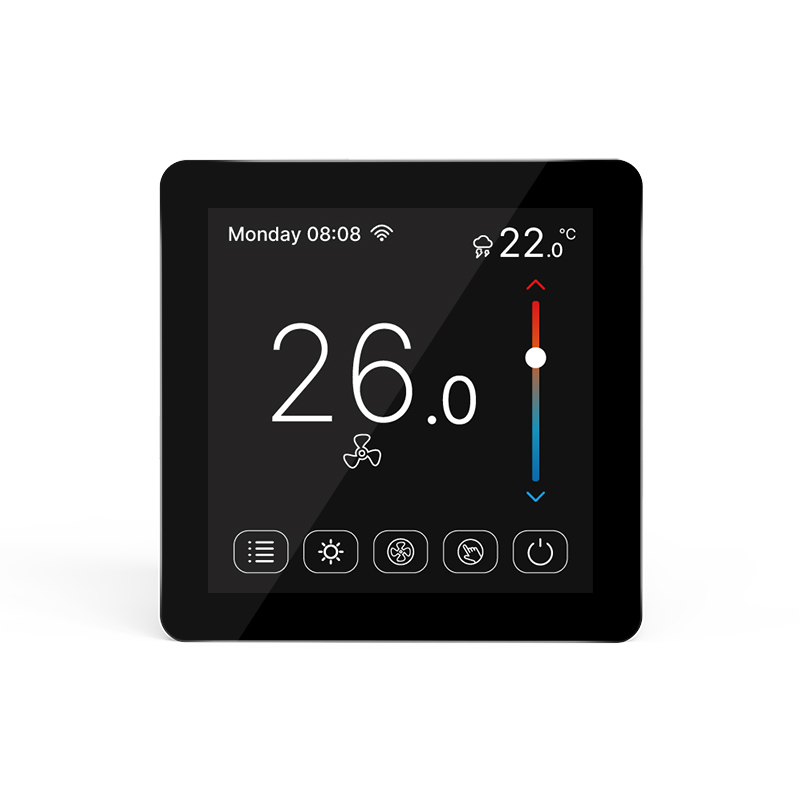
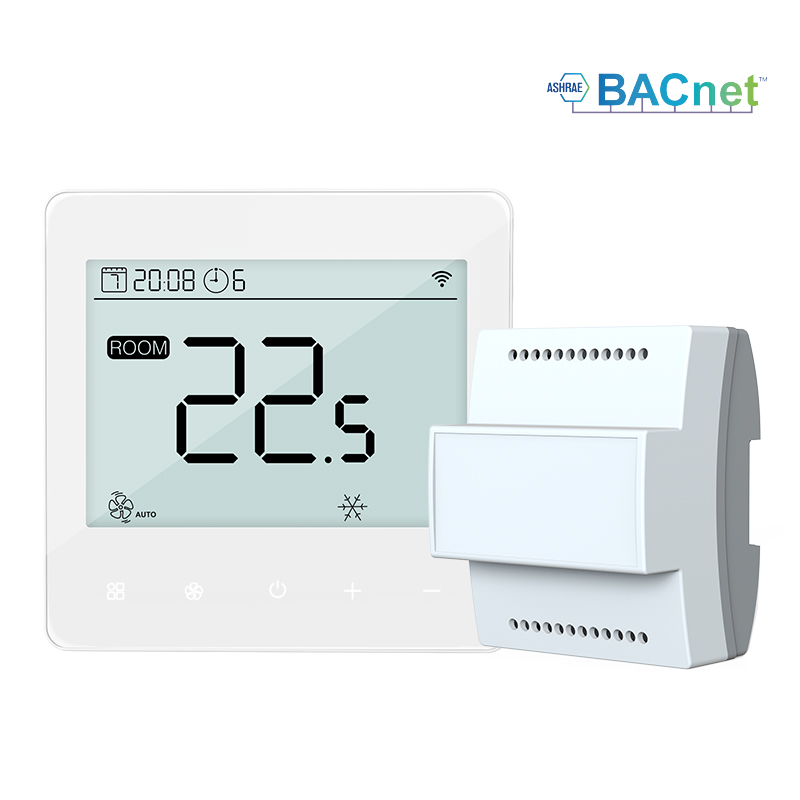
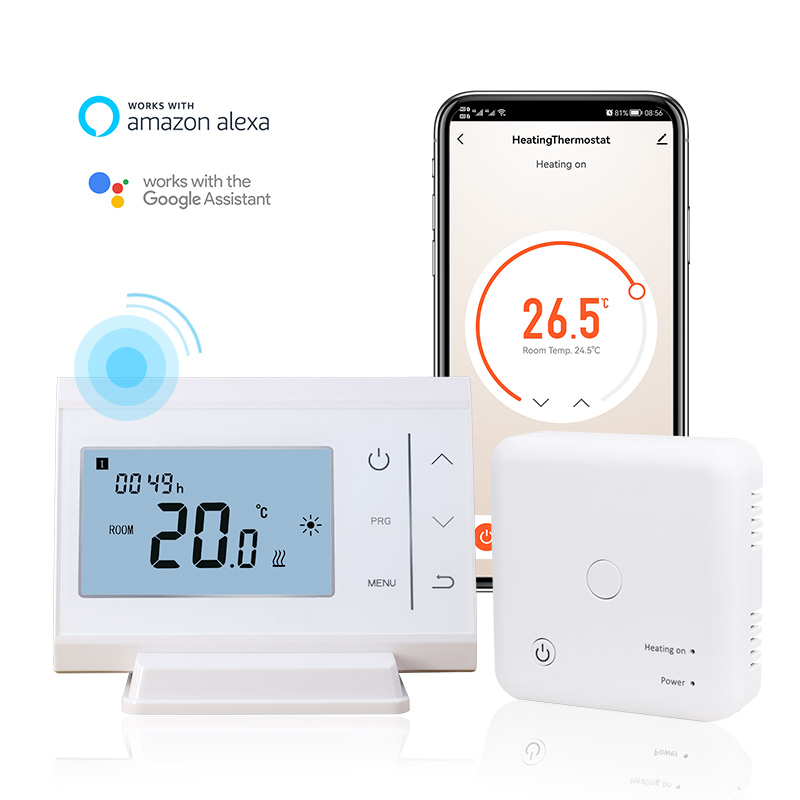
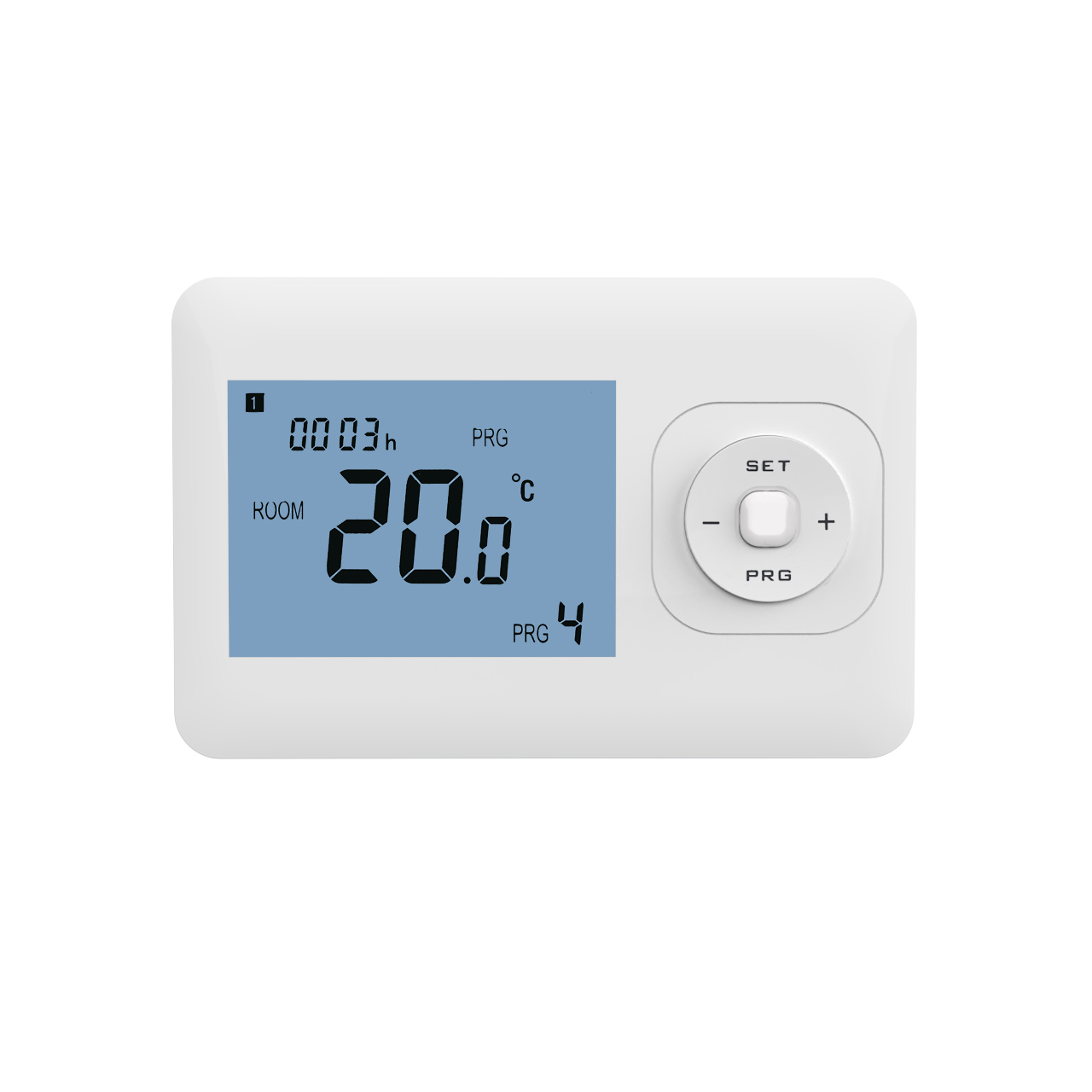
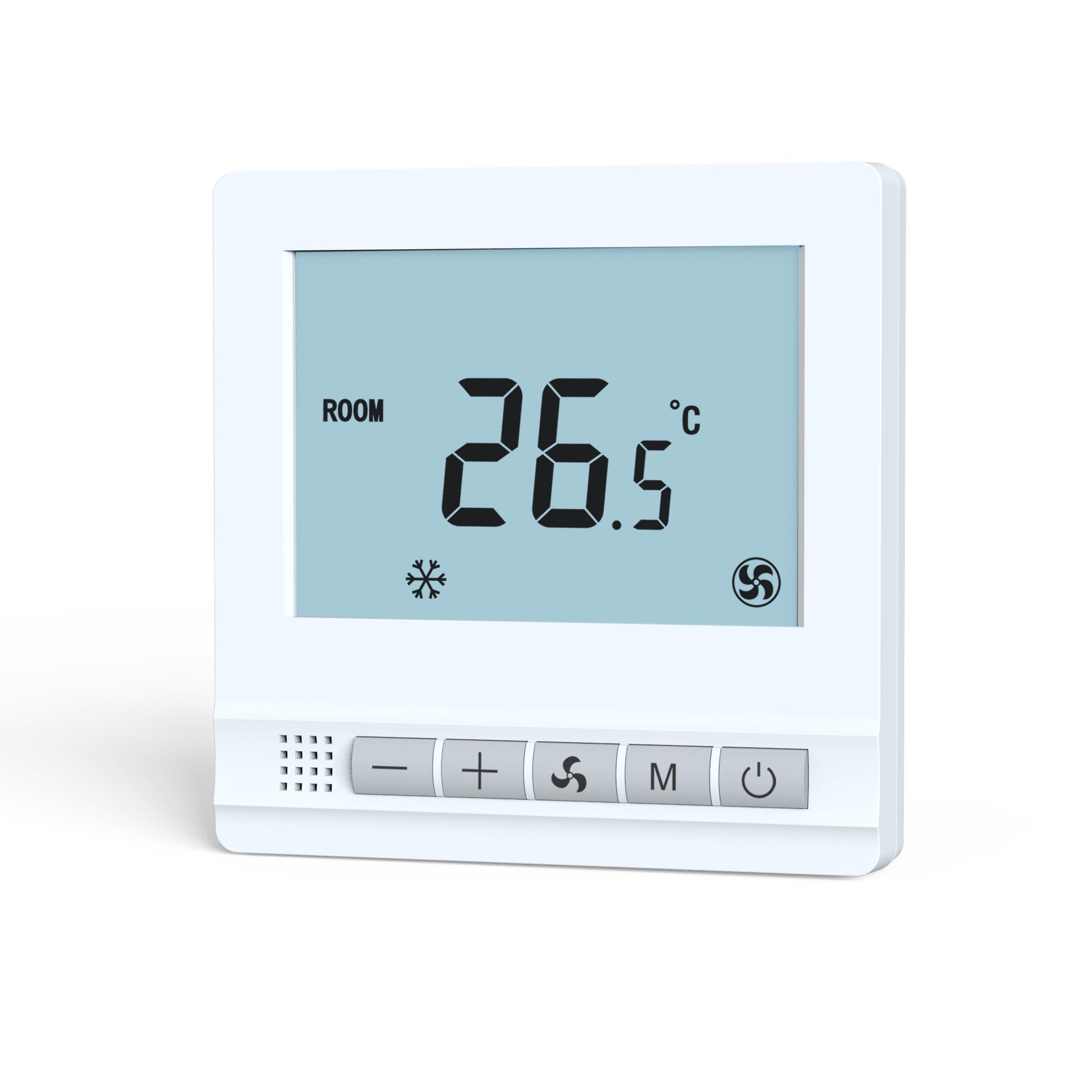

In modern building automation systems, fan coil unit (FCU) thermostats have evolved from simple standalone controllers into intelligent terminals that support centralized management. One of the key technologies enabling this transition is RS485 communication. With its strong stability, flexible wiring, and cost-effective implementation, RS485 has become widely adopted in FCU thermostat applications and is now an essential component of building automation systems.
Key Characteristics of RS485 Communication
RS485 is a widely used industrial communication standard that employs differential signal transmission, providing excellent resistance to electrical noise. This advantage is especially important in building environments where electrical and mechanical equipment are densely installed.
Compared with point-to-point communication methods, RS485 supports multi-drop networking, allowing multiple thermostats to communicate with a controller or supervisory system over a single bus. This bus topology significantly reduces wiring requirements, lowers installation complexity, and helps control overall project costs.
Application Scenarios in FCU Thermostat Systems
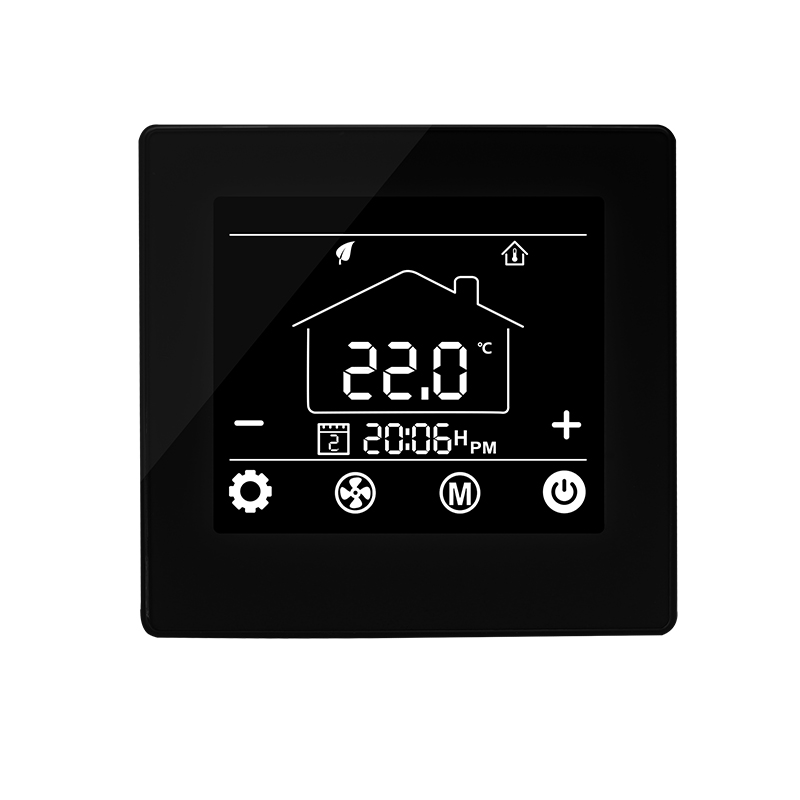
In fan coil unit systems, RS485 communication is mainly used to enable data exchange between thermostats and the building management system. Through the RS485 interface, thermostats can transmit room temperature, setpoint values, operating modes, and fault status, while also receiving control commands from the BMS.
In office buildings, hotels, and hospitals, facility managers can centrally monitor and manage HVAC operation across all zones. This centralized communication approach improves operational efficiency and reduces the need for manual inspections.
Integration with Common Communication Protocols
RS485 defines the physical and electrical layer of communication and is typically combined with protocols such as Modbus RTU or BACnet MS/TP in practical applications. In the FCU thermostat market, Modbus RTU is especially common due to its simplicity and strong compatibility, making system integration easier.
By using standardized communication protocols, thermostats from different manufacturers can interoperate with various building automation systems. This openness helps avoid system lock-in and simplifies future upgrades or expansions.
Impact on System Stability and Scalability
FCU thermostats using RS485 communication offer clear advantages in terms of system stability. The bus structure allows devices to be added or removed with minimal disruption, making future system expansion more convenient. Proper address planning and parameter configuration are key to maintaining stable communication.
RS485 also supports long communication distances, which is well suited for large buildings or multi-floor projects. When installed according to best practices, it reduces the need for repeaters and additional communication hardware.
Installation and Commissioning Considerations
In real-world projects, the reliability of RS485 communication depends heavily on installation quality. Selecting shielded twisted-pair cables, ensuring proper grounding, and controlling bus length and node count are all essential to achieving stable performance.
During commissioning, communication addresses, baud rates, and parity settings must be consistent across all devices to avoid communication errors. Clear cable labeling and proper documentation also simplify future maintenance and troubleshooting.
Conclusion
RS485 communication provides fan coil unit thermostats with a stable and cost-effective solution for centralized communication and BMS integration. With proper system design and standardized installation practices, RS485 improves operational reliability while supporting energy management and future scalability. For HVAC projects that prioritize stability and economic efficiency, RS485 remains a trusted and practical communication choice.