Fan coil heat pump systems are widely used in modern buildings, relying on the coordinated operation of the heat pump unit, fan coil terminals, underfloor heating terminals, and the control system. Although the system design is advanced, various issues may arise during long-term use. Effective troubleshooting helps restore normal operation quickly, reduces maintenance costs, and extends equipment lifespan. Understanding common problems and troubleshooting methods for each component is essential to maintain stable system performance.
Common Heat Pump Unit Issues and Troubleshooting
The heat pump unit is the core of the system, and its faults directly affect overall operation. Common issues include compressor failure to start, frequent cycling, reduced heating or cooling performance, and electrical control anomalies. Troubleshooting should focus on power supply conditions, control panel settings, and refrigerant piping, as well as verifying that the compressor and fan operate smoothly and without abnormal noise or leaks. These steps allow for accurate diagnosis and targeted corrective actions to ensure stable operation.
Fan Coil Terminal Troubleshooting
Fan coil units directly influence indoor temperature regulation. Common problems include insufficient airflow, unusual noise, and improper condensate drainage. Key areas to check include:
Filter condition, ensuring unobstructed airflow
Fan operation, observing for unusual noise or vibration
Condensate drain pipes, verifying slope to prevent water accumulation
Supply air temperature, checking for reduced heat exchange efficiency
These checks help quickly identify terminal equipment issues and maintain indoor comfort.
Underfloor Heating Terminal and Piping Inspection
As the low-temperature radiant heating component, the underfloor heating system may experience uneven heating if the piping or manifold malfunctions. Routine inspections should verify system pressure, manifold valve flexibility, pump operation stability, and temperature changes in each loop. Maintaining hydraulic balance prevents uneven heating and avoids excessive load on the system, protecting overall equipment performance.
Control System and Sensor Checks
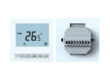
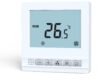
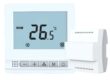
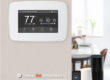
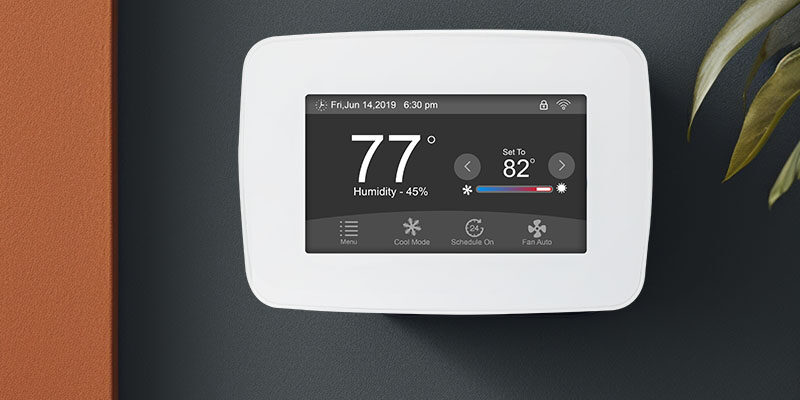
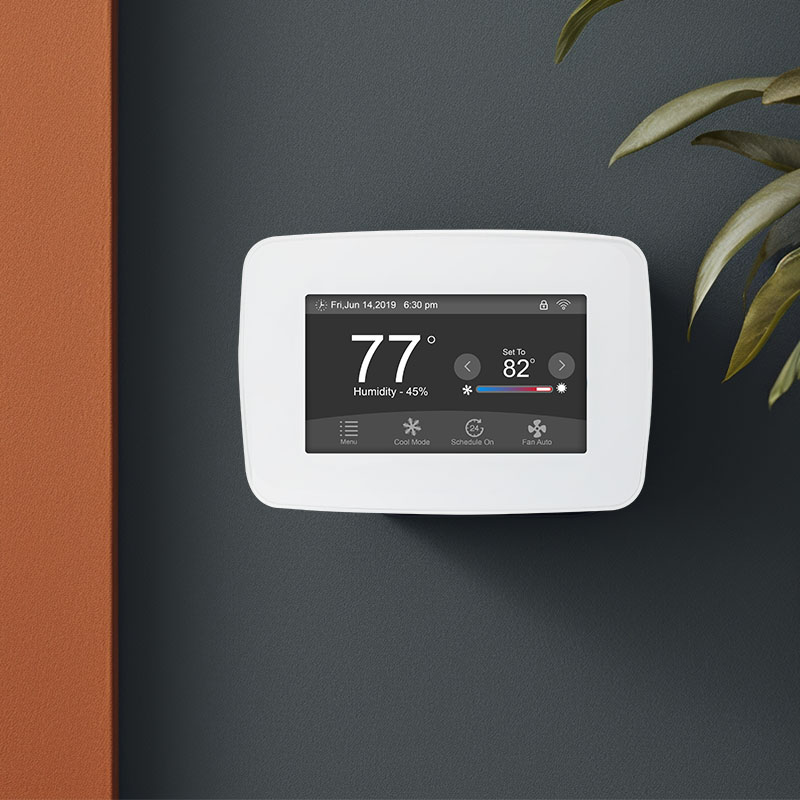
The control system coordinates overall system operation, and malfunctions may cause instability in fan coil and underfloor heating performance. Troubleshooting should include checking thermostat displays and setpoints, testing sensor outputs for accuracy, observing actuator responses, and inspecting control wiring for looseness or short circuits. Proper control system checks ensure terminal devices operate as intended, improving overall system efficiency.
Fault Records and Operational Monitoring
Keeping records of system faults and corrective actions, including time, device status, troubleshooting steps, and outcomes, helps identify patterns and supports future maintenance planning. Combined with regular inspections and preventive care, this practice reduces the risk of unexpected shutdowns and enhances the reliability of fan coil heat pump systems.