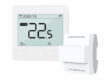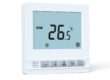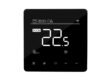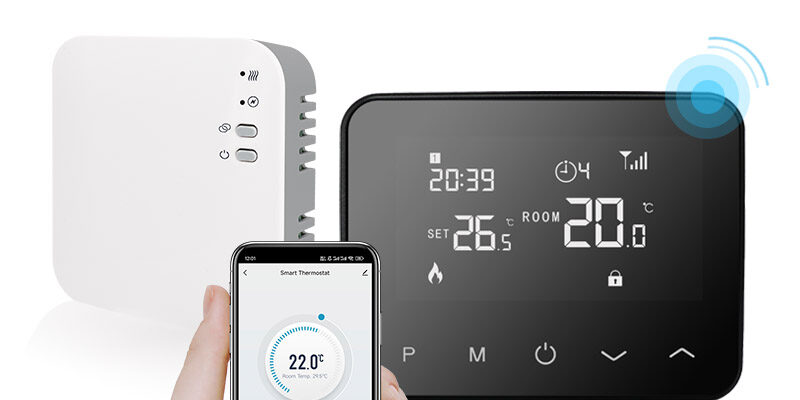
The Fan Coil Unit (FCU) Thermostat is a key component of modern HVAC systems, precisely controlling fan coil operation to maintain stable indoor temperature and comfort. Proper parameter settings not only improve system efficiency but also extend equipment lifespan and reduce energy consumption. This guide provides a detailed overview of critical FCU thermostat settings and best practices for engineers and users.
Temperature Setpoint and Control Modes
The core function of an FCU thermostat is temperature control, typically including the following settings:
Setpoint Temperature: The desired indoor temperature, usually recommended between 22–26°C (72–79°F) for classrooms, offices, or patient rooms. Adjustments can be made based on season and usage.
Control Modes: Common modes include cooling, heating, and auto. In auto mode, the thermostat switches between heating and cooling based on indoor temperature, maintaining comfort while saving energy.
Temperature Hysteresis: Hysteresis prevents the fan or valve from frequently cycling on and off. A setting of 0.5–1°C (1–2°F) is recommended to maintain stable temperature and reduce equipment wear.
Proper temperature configuration is the first step in achieving both comfort and energy efficiency.
Fan Speed and Operation Modes
FCU thermostats often allow adjustable fan speeds to meet varying load and comfort requirements:
Low Speed: Ideal for nighttime or low-load periods, providing quiet operation and energy savings.
Medium Speed: Suitable for regular classrooms or offices, balancing comfort and efficiency.
High Speed: Used for rapid temperature adjustment or high-load areas, such as conference rooms or patient rooms.
Auto Mode: The thermostat automatically adjusts fan speed based on temperature deviation, ensuring precise control and energy efficiency.
Fan speed should be configured according to room size, occupancy, and usage patterns to avoid unnecessary energy consumption from continuous high-speed operation.
Valve Opening and Load Matching
FCU systems control heating and cooling by adjusting water valve flow. Thermostats typically allow the following valve control options:
Full Open/Full Close: Provides rapid heating or cooling but may cause temperature fluctuations.
Proportional Control: Adjusts valve opening proportionally to the temperature difference, achieving smooth temperature regulation.
Load-Priority Control: Allocates water flow based on room thermal load, optimizing energy usage.
Proper valve settings reduce energy waste while maintaining stable and comfortable indoor conditions.
Additional Intelligent Features
Modern FCU thermostats offer advanced features to further optimize system performance:
Scheduling/Timer: Automatically adjusts temperature based on occupancy or class schedules, improving energy efficiency.
Energy-Saving Mode: Reduces fan operation and frequency to minimize energy consumption.
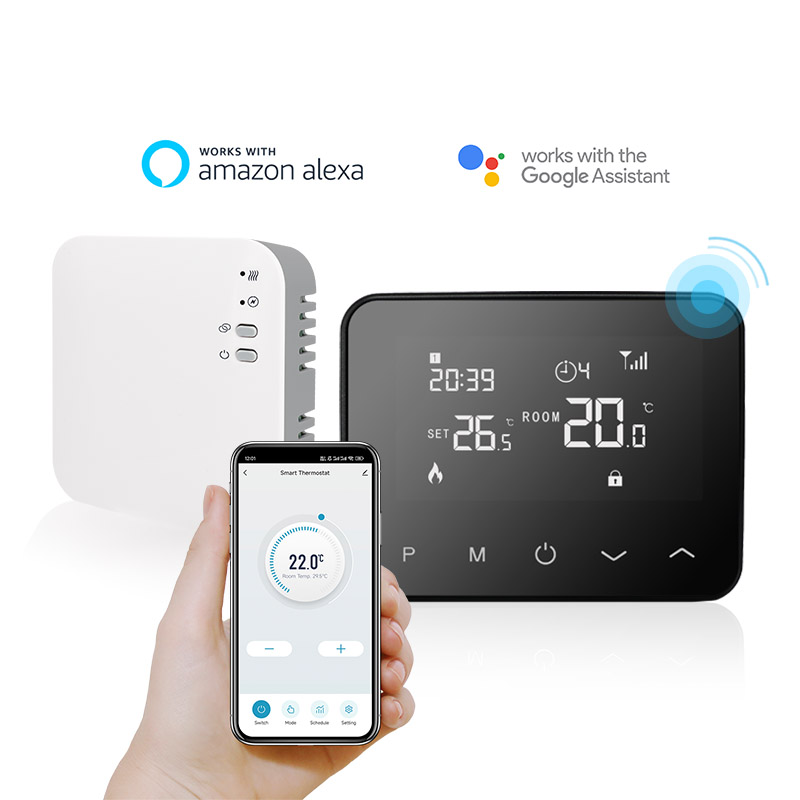
Remote Control and Network Integration: Enables centralized monitoring, remote adjustments, and simplified maintenance.
Alarms and Protection Settings: Such as over-temperature alarms or fan fault notifications, enhancing system reliability.
Combining intelligent features with correct parameter settings significantly improves comfort and energy efficiency.
Conclusion
Setting FCU thermostat parameters involves multiple aspects, including temperature setpoints, fan speed, valve control, and intelligent features. Proper configuration ensures stable indoor temperature, high comfort, low energy consumption, and long equipment lifespan. Engineers should adjust settings based on building type, room function, and system load to fully leverage the thermostat’s role in optimizing HVAC system performance.