

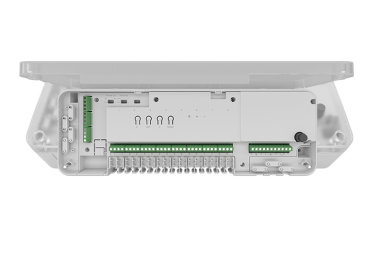
Many people believe that improving heating efficiency simply means raising the boiler height to make the room warmer, but this is not the case. True “efficiency” means using less energy to precisely deliver heat to where it’s needed, making the indoor environment both comfortable and cost-effective. In underfloor heating systems, uneven heat distribution, unbalanced circuits, messy wiring, or unreasonable control logic can all lead to increased energy consumption without a corresponding improvement in comfort. These problems are amplified, especially in multi-room or commercial settings where system complexity exacerbates the issue. Improving room heating efficiency requires a multi-pronged approach, addressing system design, zoning control, equipment linkage, and routine maintenance. A reasonable zoning and control strategy can distribute heat “on demand,” while a centralized wiring center (such as HR-02) can solve control and wiring problems all at once: single-point access to actuators, boilers, and circulating pumps, supporting 8 or 16 zones, with up to 5 thermal actuators per zone, and providing dedicated outputs for the boiler and pumps, thus ensuring accurate and stable heating.
How to Achieve Effective Zoning?
Effective zoning is the first step to improving efficiency. Divide the house into independent zones based on function and heat load (bedrooms, living room, kitchen, public areas, etc.), and control the temperature of each zone with an independent thermostat. This allows for different strategies to be set for day and night, weekdays and weekends, avoiding continuous heating to unused areas. The HR-02 supports 8 or 16 zones, adapting to the zoning needs of everything from small residences to large commercial spaces, ensuring each room receives heat only when needed.
Precise Execution from the Cabling Center
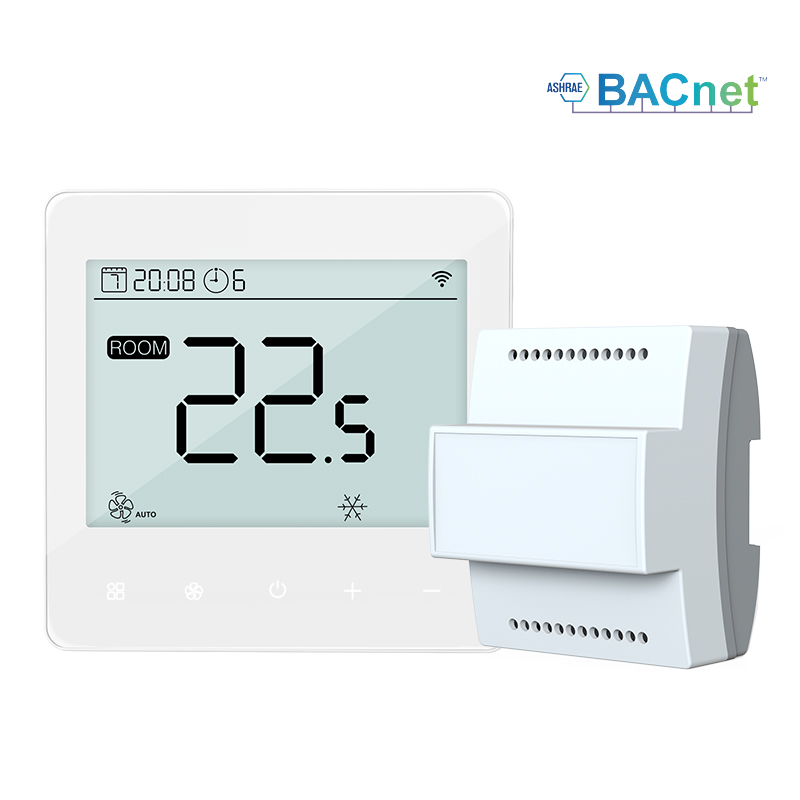
After the thermostat issues a command, the thermal actuator and loop flow ultimately determine whether heat is delivered. Each loop should ensure appropriate flow rate and valve opening to avoid some loops having excessive flow while others are underheated. The cabling center centrally connects the actuators (supporting up to 5 thermal actuators per zone), facilitating unified power supply and signal management, thereby reducing single-loop imbalances or inconsistent responses.
On-Demand Interaction Between Boiler and Circulation Pump, Reducing Ineffective Heating
Efficient heating does not equate to prolonged high-load boiler operation. Through the dedicated output interface of the cabling center, the start and stop of the boiler and circulating pump can be linked to regional demand—the boiler and pump only start when an area needs heat, and stop promptly when the demand disappears. On-demand linkage not only saves energy but also reduces equipment wear and extends system lifespan.
Temperature Sensing Accuracy
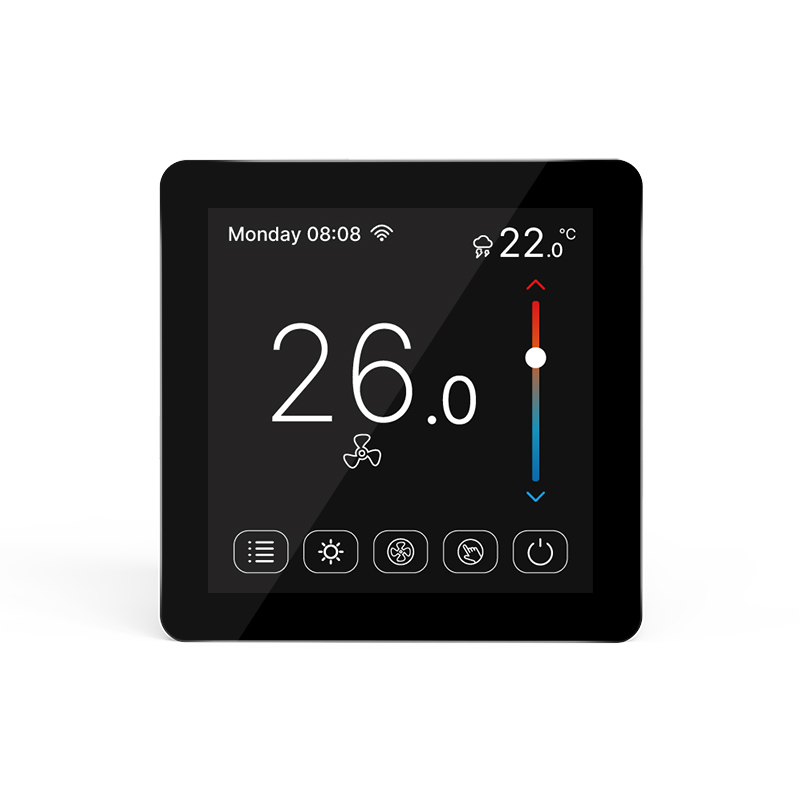
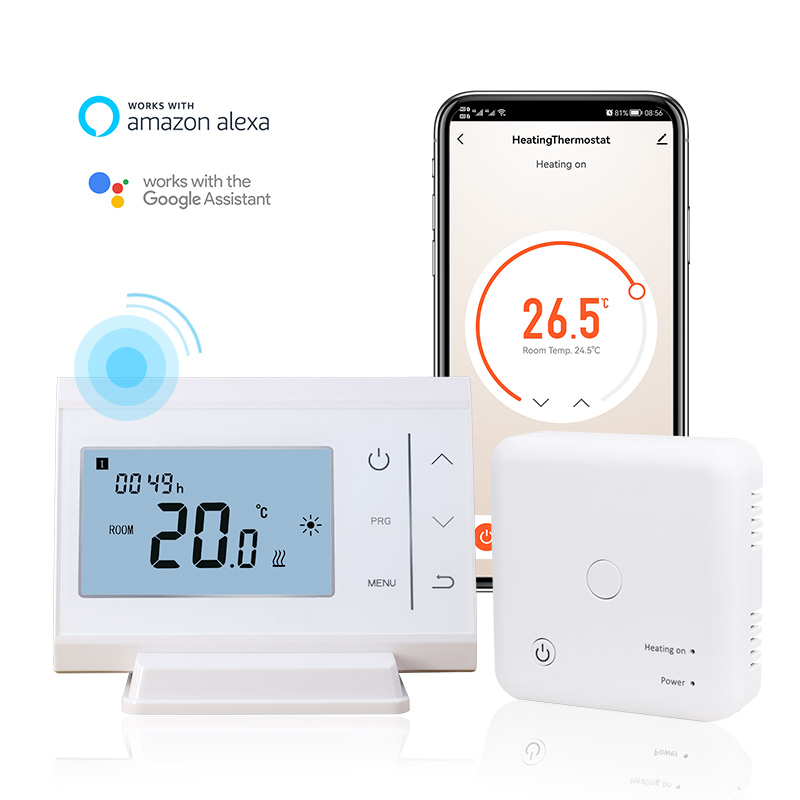
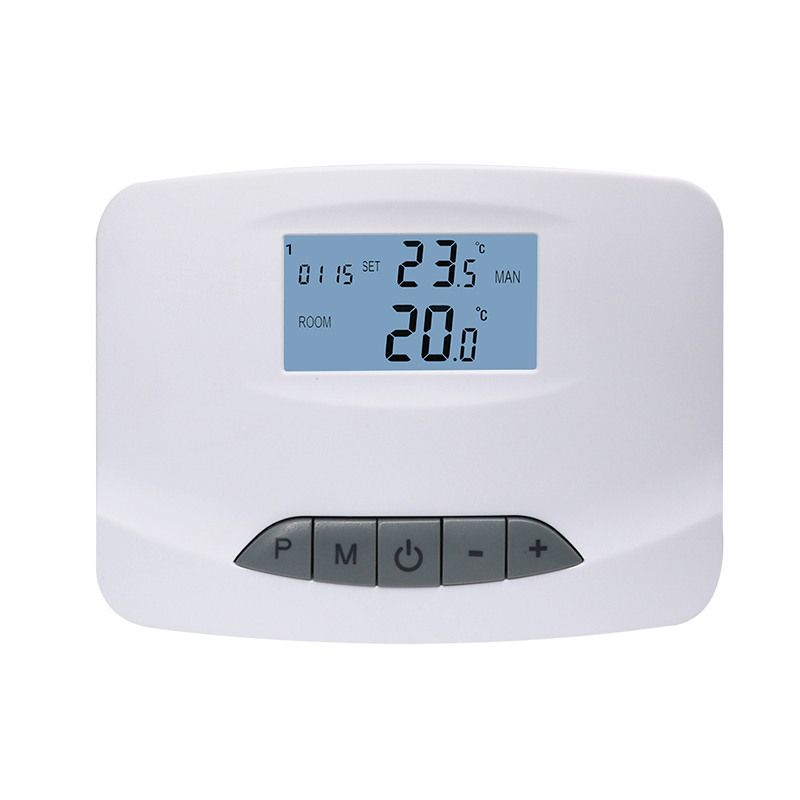
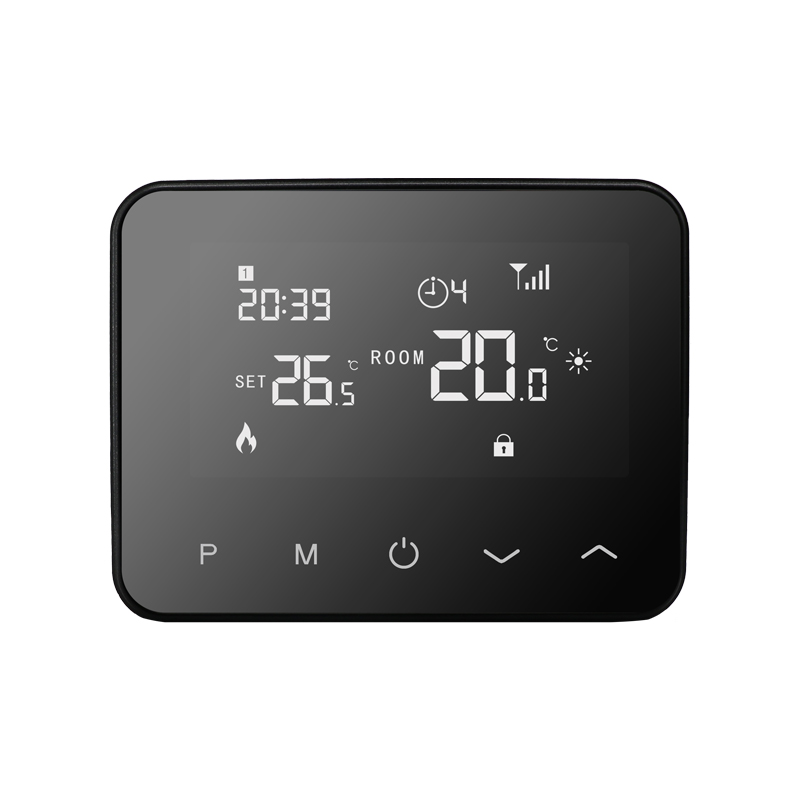
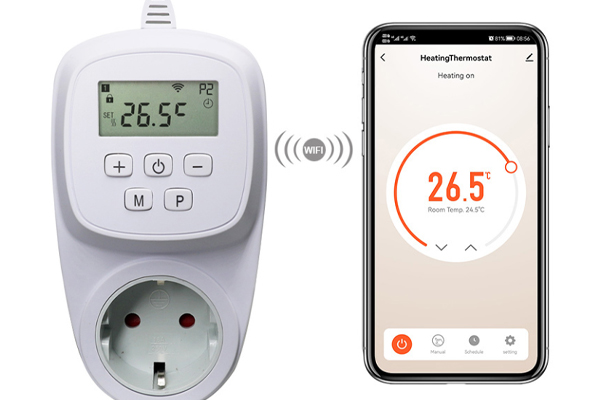
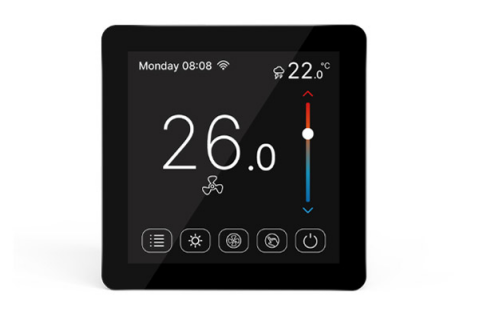
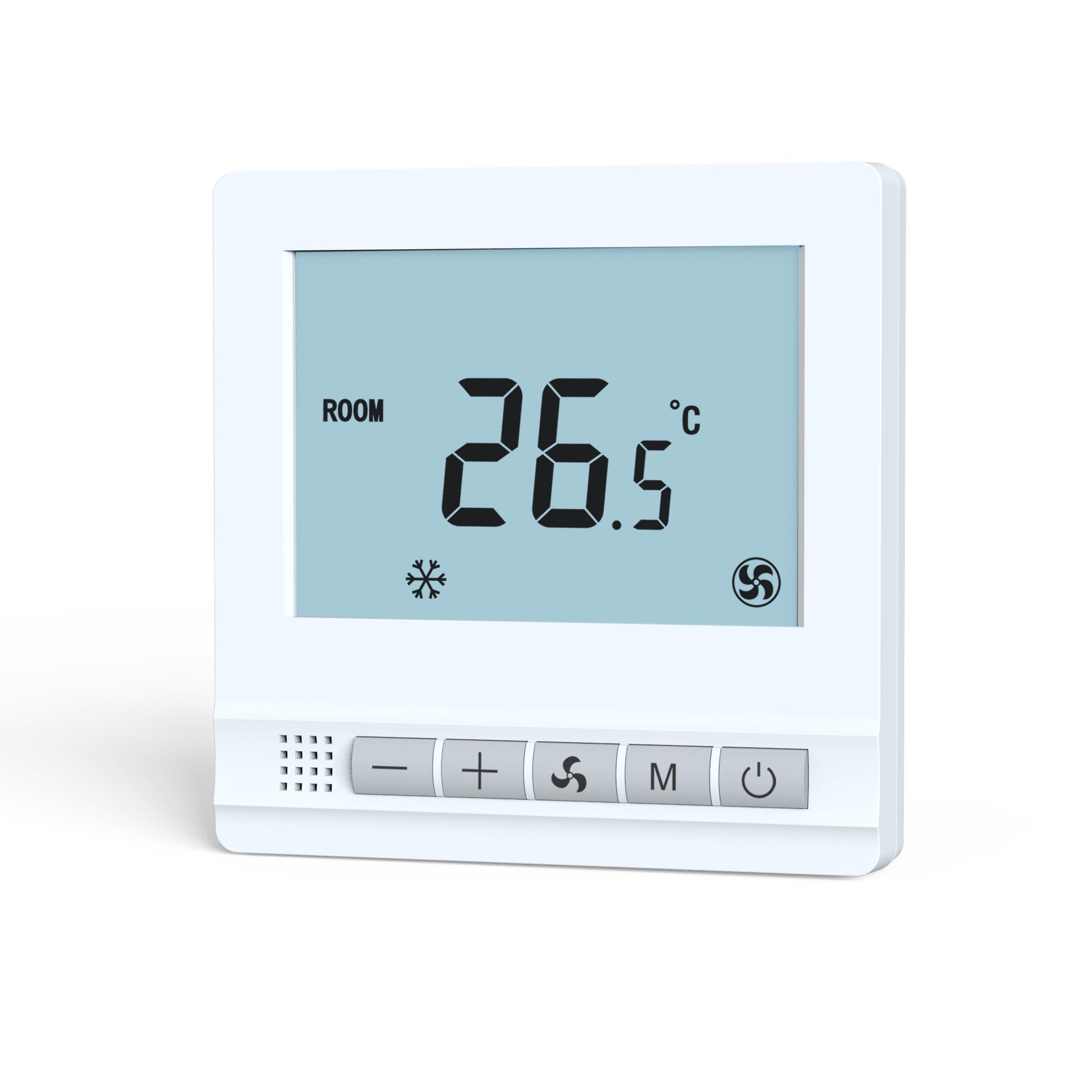
The placement of the thermostat directly affects the accuracy of temperature sensing. Avoid installing thermostats in direct sunlight, near heat sources, or in door/window gaps. Wireless thermostats offer more flexibility in placement, but should still be chosen in locations that represent the average room temperature. Accurate temperature sensing is fundamental for precise distribution and energy-saving control.
Achieving Intelligent Mode
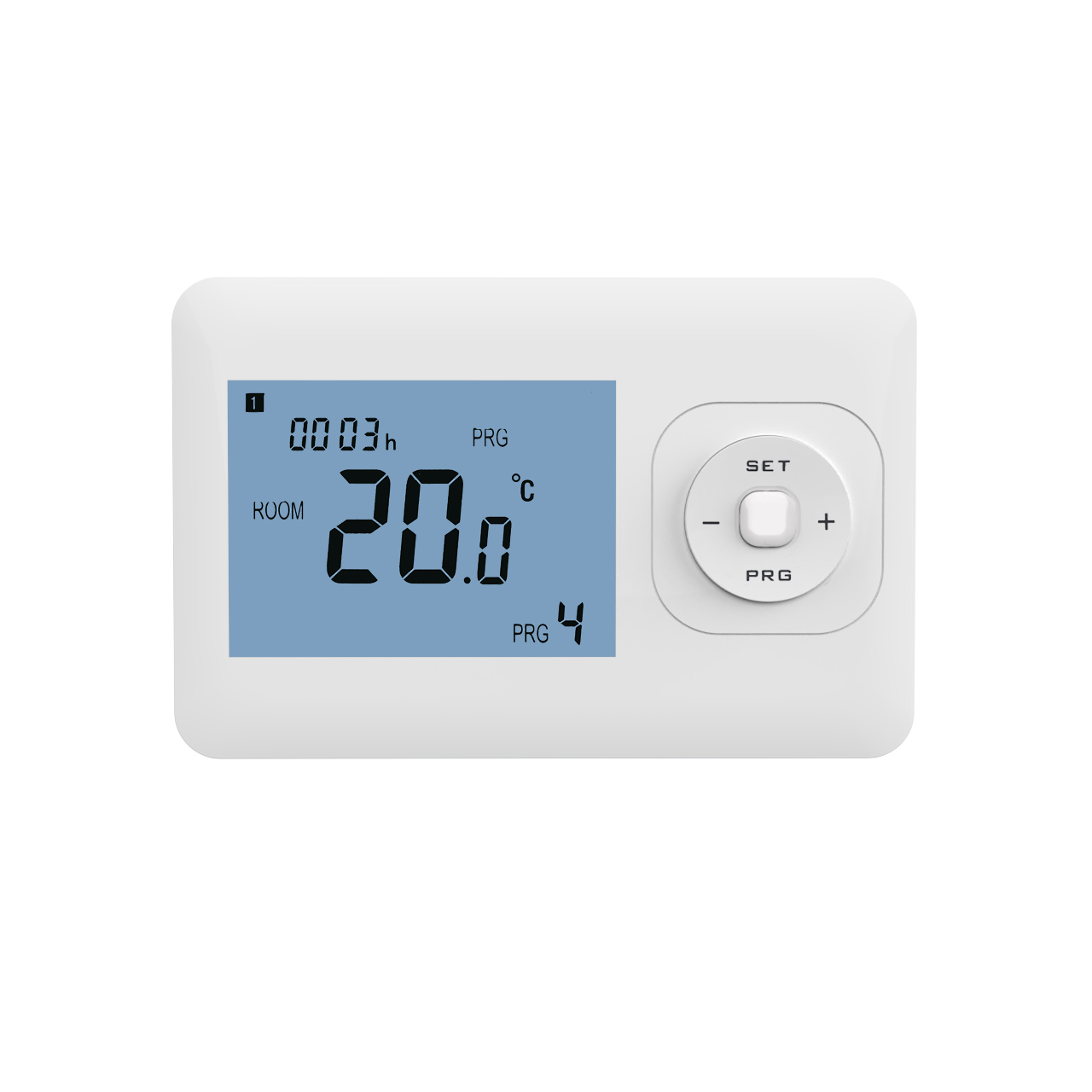
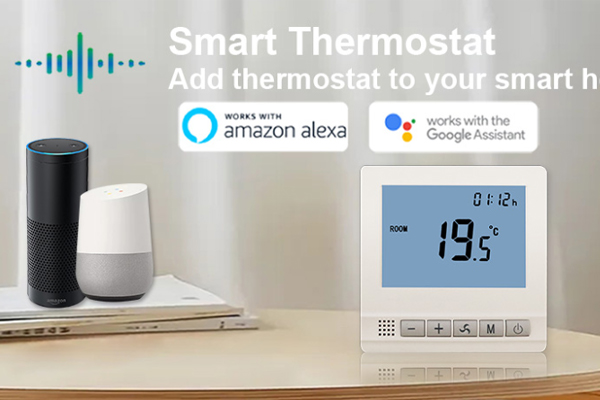
Properly setting the thermostat’s schedule (timed heating and cooling) and temperature difference control (e.g., appropriately lowering the temperature by 2–3°C at night) can significantly save energy. Utilizing the thermostat’s gradient control and learning functions can avoid frequent start-stop cycles. When used in conjunction with wireless thermostats, the cabling center can centrally control and uniformly distribute strategies, achieving coordinated control of floors or the entire commercial area.
System Maintenance and Air Evacuation Issues
Air, dirt, or stuck valves in an underfloor heating system will reduce thermal efficiency. Regularly venting, cleaning filters, and checking actuators and electrical contacts for looseness will ensure the system maintains stable response over the long term. A centralized wiring center facilitates quick problem location and maintenance, avoiding the troubleshooting difficulties caused by scattered wiring.
Improving Insulation and Optimizing Indoor Layout
Even the most advanced controls cannot compensate for poor insulation. The insulation performance of doors, windows, walls, and floors directly affects heat loss. A reasonable indoor layout (e.g., avoiding large furniture blocking heat dissipation loops) and appropriate curtains and carpets help retain heat in the usable space, improving perceived comfort and actual energy efficiency.
To improve room heating efficiency, first, rationally zone the space to ensure precise correspondence between thermostats and actuators; centrally connect and coordinate the boiler, circulation pump, and actuators through a wiring center to ensure on-demand operation; adjust reasonable timetables and temperature difference strategies, combined with regular maintenance and good insulation, to reduce heat waste at the source. The HR-02 type of cabling center centralizes the handling of complex wiring and multi-point linkage issues: single-point access, support for 8/16 zones, up to 5 actuators per zone, and dedicated outputs for boilers and pumps, making system installation faster, commissioning simpler, and operation more stable. The ultimate result is—delivering heat precisely to the rooms that need it with less energy, improving comfort and reducing operating costs. Choosing the right zoning strategy and supporting equipment is the first step for every user who wants long-term worry-free, cost-effective, and comfortable heating.