
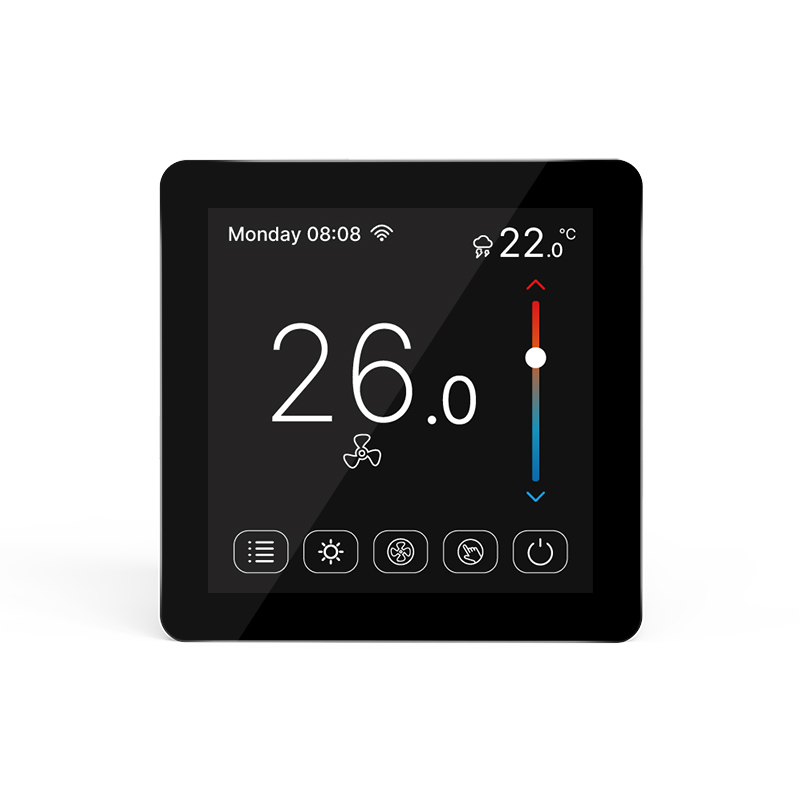
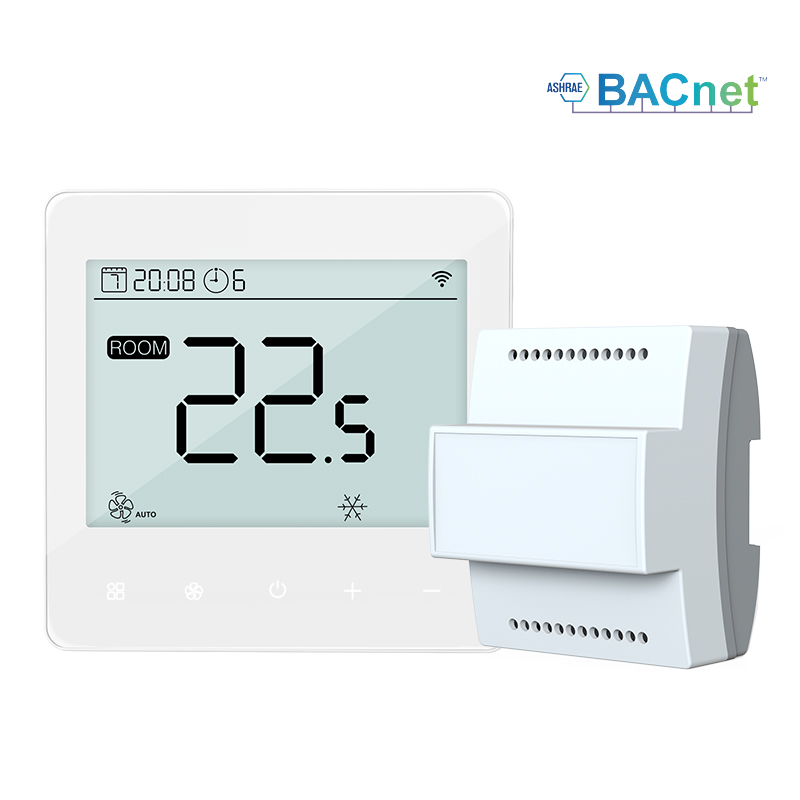
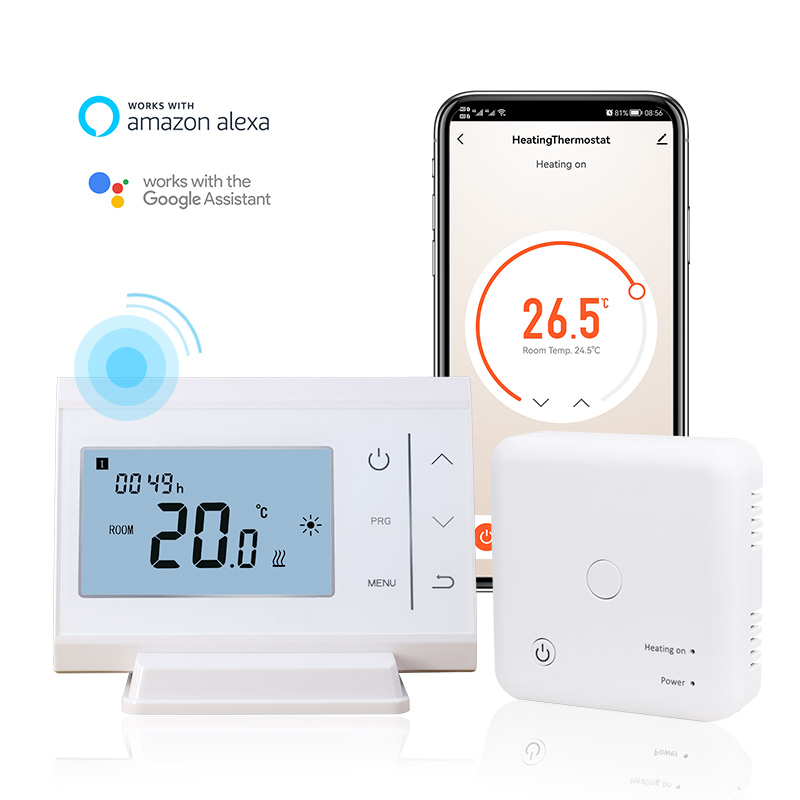
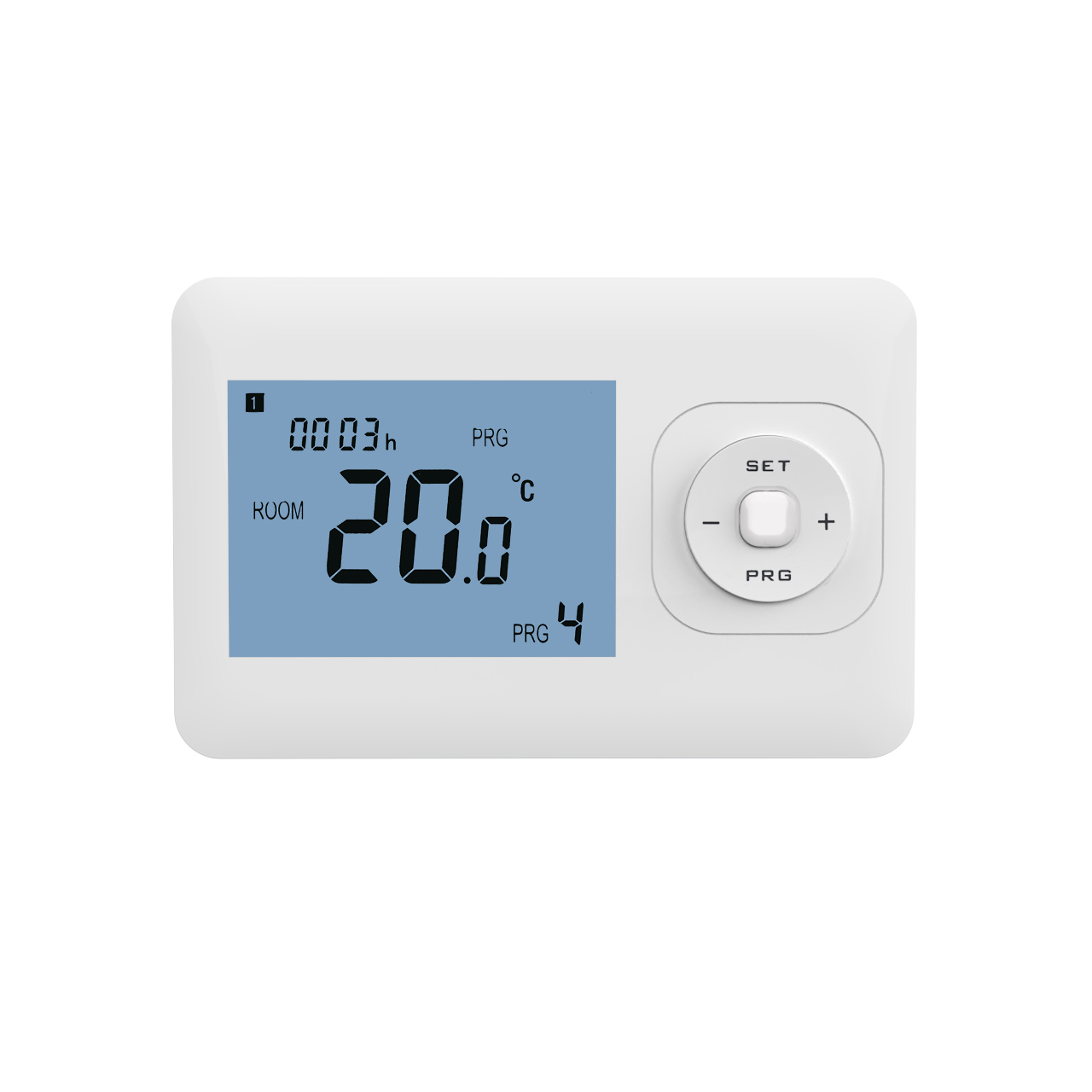
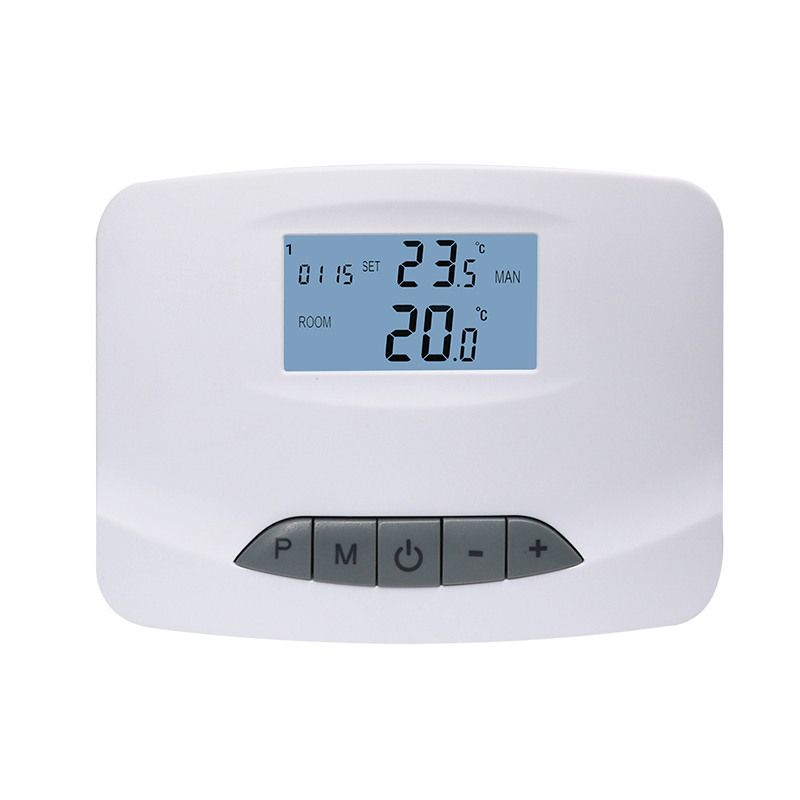
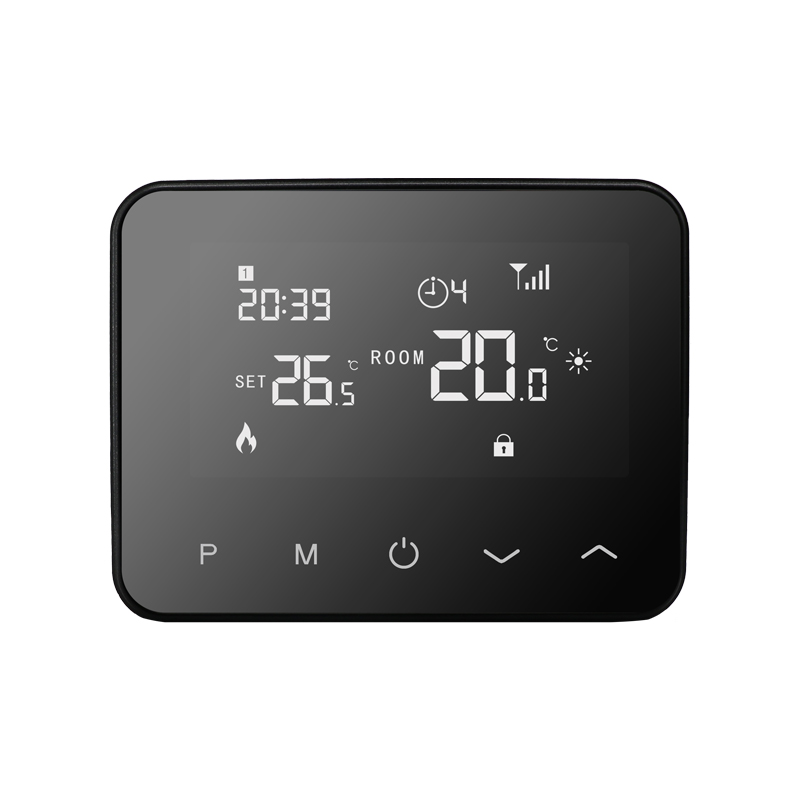
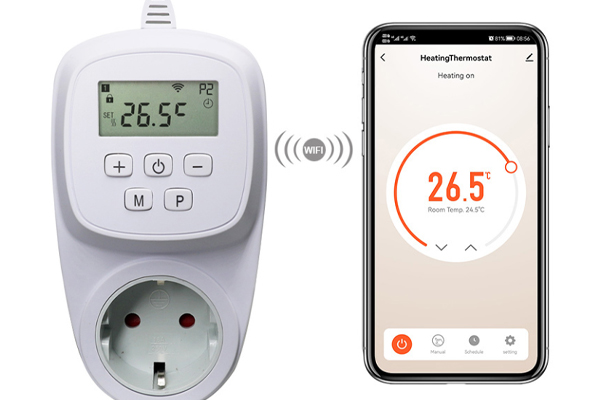
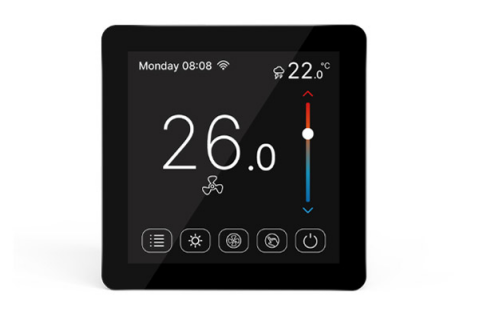
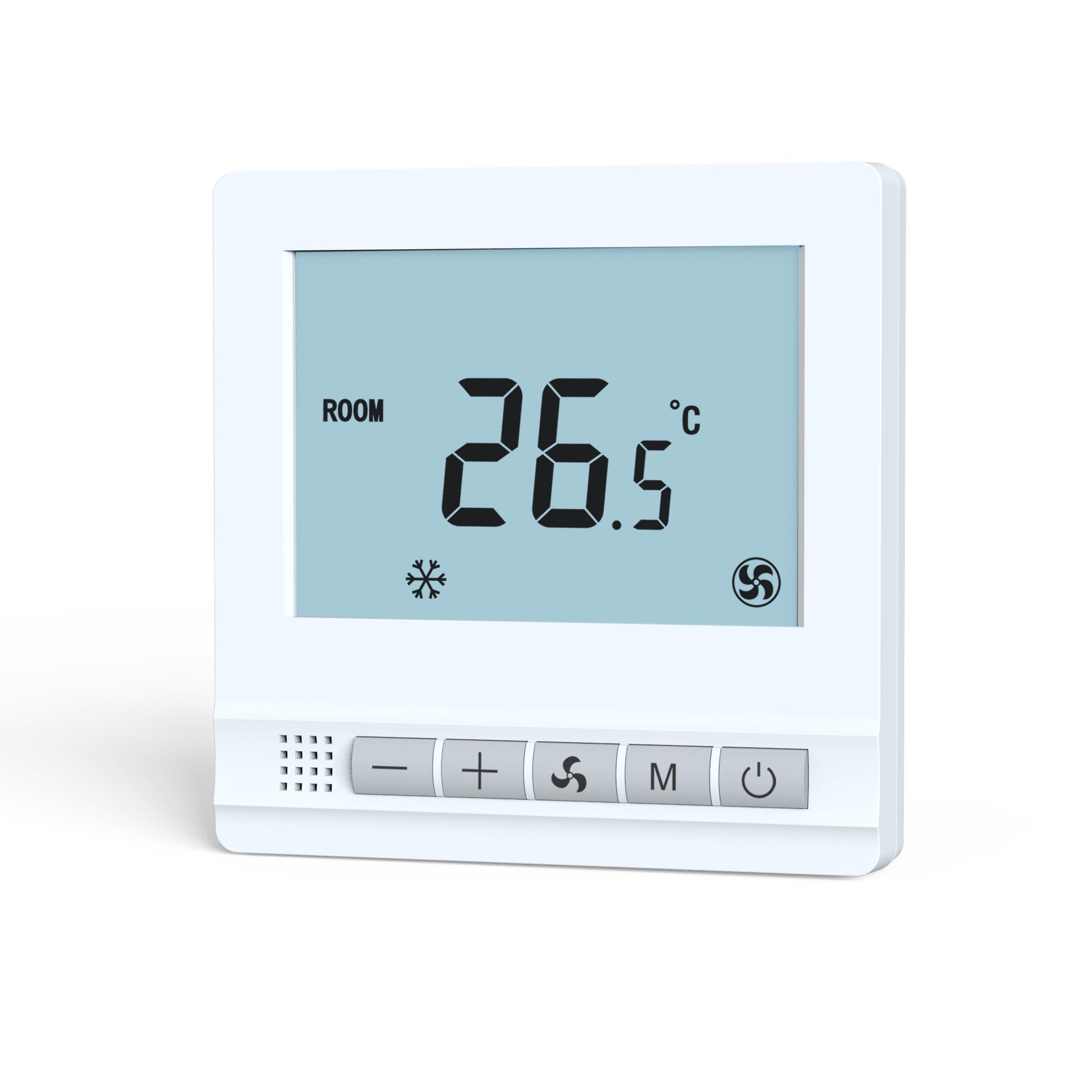
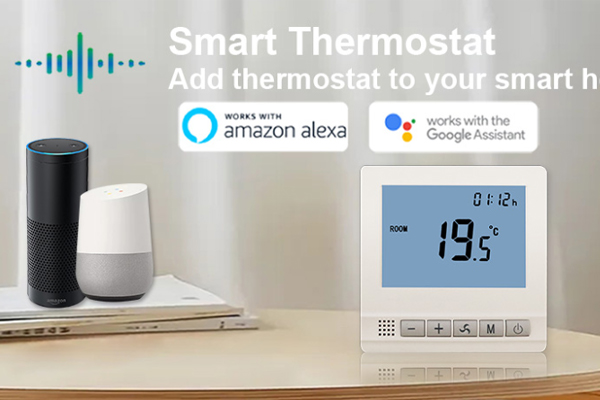

Fan coil unit (FCU) thermostats are key control components in HVAC systems, responsible for regulating indoor temperature and fan operation. Over time, thermostats may experience aging, malfunctions, or compatibility issues that can affect system performance. Timely determination of whether a thermostat needs replacement is essential for maintaining stable operation and energy efficiency. This article outlines how to assess if an FCU thermostat should be replaced based on performance, fault signs, and service life.
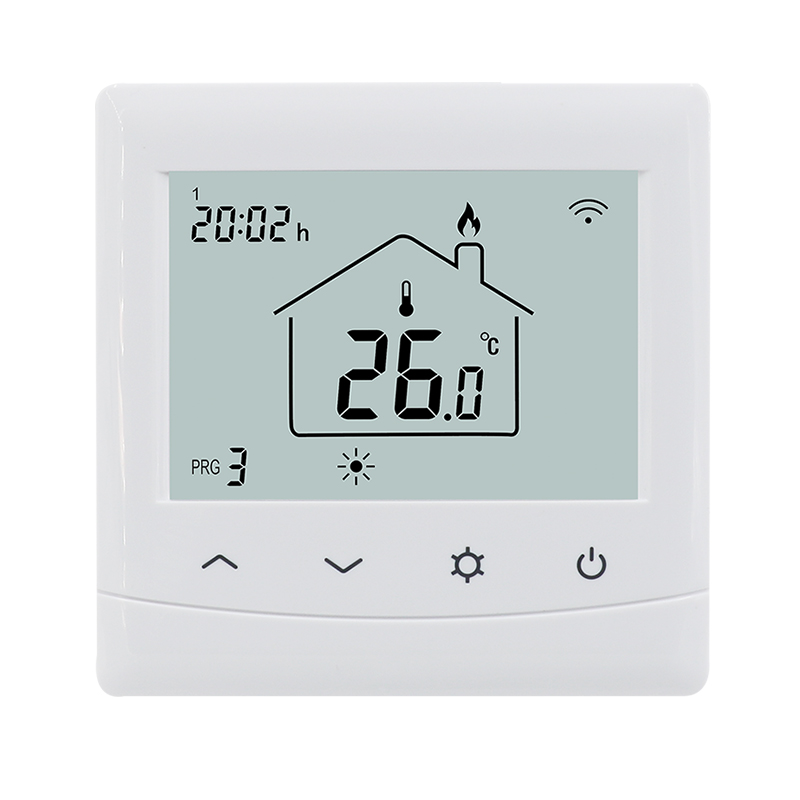
Observe Temperature Control Accuracy
The most direct function of a thermostat is controlling indoor temperature. If you notice consistent deviations between the set temperature and actual indoor temperature, or if the fan and valve respond slowly, this may indicate issues with the thermostat’s sensors or control module. Temperature inaccuracies, abnormal display readings, or fluctuating temperature curves are strong indicators that replacement may be necessary to ensure comfort and system efficiency.
Check Fault Codes and Alerts
Modern FCU thermostats often feature self-diagnosis and can display error codes or alert messages. Common faults include sensor errors, fan or valve actuator failures, and communication interruptions. If the thermostat frequently shows error codes that cannot be resolved after inspection, this suggests internal circuits or key components may be degraded, and replacing the device is recommended to restore system stability.
Evaluate Response Speed and User Experience
Long-term use may result in sluggish buttons, unresponsive touchscreens, or stiff adjustment knobs. Poor user experience can affect system control accuracy. For smart thermostats, also consider compatibility with building management systems or smart control platforms. If the thermostat cannot reliably integrate or exhibits delayed response, upgrading the device can prevent decreased control efficiency.
Inspect Physical Condition and Circuit Aging
FCU thermostats may be affected by temperature, humidity, and dust over long periods, causing casing deterioration, loose wiring, or circuit board damage. Visible signs such as cracked housing, oxidized terminals, or discolored/corroded circuit boards indicate that replacement is necessary to prevent further faults or safety hazards.
Consider Service Life and Technological Upgrades
Typically, FCU thermostats have a lifespan of 8–12 years. Even without obvious faults, aging electronic components can reduce performance. Additionally, older thermostats may not support modern protocols or features, such as BACnet or Modbus integration, or centralized control in smart building systems. In these cases, replacing the thermostat not only improves reliability but also enables energy optimization and intelligent management.
Summary of Replacement Criteria
To determine if an FCU thermostat needs replacement, consider the following indicators:
Temperature Control Inaccuracy: Persistent deviation from setpoints or unstable regulation.
Frequent Faults: Recurring error codes that cannot be resolved.
Poor Operation: Buttons, touchscreen, or knobs respond slowly or unreliably.
Physical and Circuit Aging: Damaged casing, loose wiring, or corroded circuit boards.
Exceeded Lifespan or Obsolete Technology: Old thermostats unable to support smart control or BMS integration.
If one or more of these conditions are present, replacing the thermostat is the best way to ensure stable HVAC operation, improve comfort, and optimize energy usage. Timely replacement prevents energy waste due to aging or malfunctioning components and provides a reliable control unit for modern building management systems.