

Many people, when using underfloor heating or air conditioning, habitually set the entire house to a fixed temperature, believing it to be the simplest and most convenient method. While this seems convenient on the surface, the actual experience is often unsatisfactory: the living room is warm and comfortable, but the bedroom is too cold; daytime activity areas are hot, while nighttime resting areas are empty and waste energy. This “one-size-fits-all” approach not only fails to meet the actual needs of each space but may also increase energy consumption and reduce comfort. The significance of having an independent temperature for each room goes beyond simply making you feel warm or cool. It embodies the concepts of on-demand heating, energy saving, and improved living comfort. Especially in modern residences or large commercial spaces, rooms have diverse functions: bedrooms, living rooms, kitchens, studies, meeting rooms, etc., each with different usage times, number of people, and heating needs. If the temperature is uniform, heat cannot be accurately distributed, wasting energy and reducing quality of life. Therefore, independent room temperature control is no longer an optional feature but a fundamental aspect of modern heating systems for improving efficiency and comfort.
Different Spaces, Different Needs
Everyone’s temperature perception differs, and the function of different rooms also influences the required temperature. Bedrooms prefer slightly lower temperatures to ensure sleep quality, living rooms need to be warm and comfortable during the day, and kitchens, due to the heat generated during cooking, can be relatively cooler. Providing each room with independent temperature settings caters to the needs of different spaces and individuals, making the living experience more personalized. If a uniform temperature is maintained, some rooms will be overheated while others will be too cool. End users may unconsciously raise or lower the overall system temperature for overall comfort, which is both uncomfortable and wasteful of energy.
Significant Energy Savings
Another key benefit of independent thermostats is energy saving. Each room is heated only when used or needed, and unoccupied areas can have their temperature lowered or heating temporarily stopped. Compared to uniform heating throughout the house, this method significantly reduces energy consumption. For example, bedrooms can be cooled at night when unoccupied, while living rooms can be kept at a comfortable temperature during the day; or in commercial spaces, meeting rooms, offices, and rest areas can have their temperatures controlled separately based on usage time. On-demand heating not only ensures appropriate temperatures in each space but also reduces inefficient operation of boilers and circulation pumps, extending equipment lifespan.
Improved Heat Distribution Accuracy
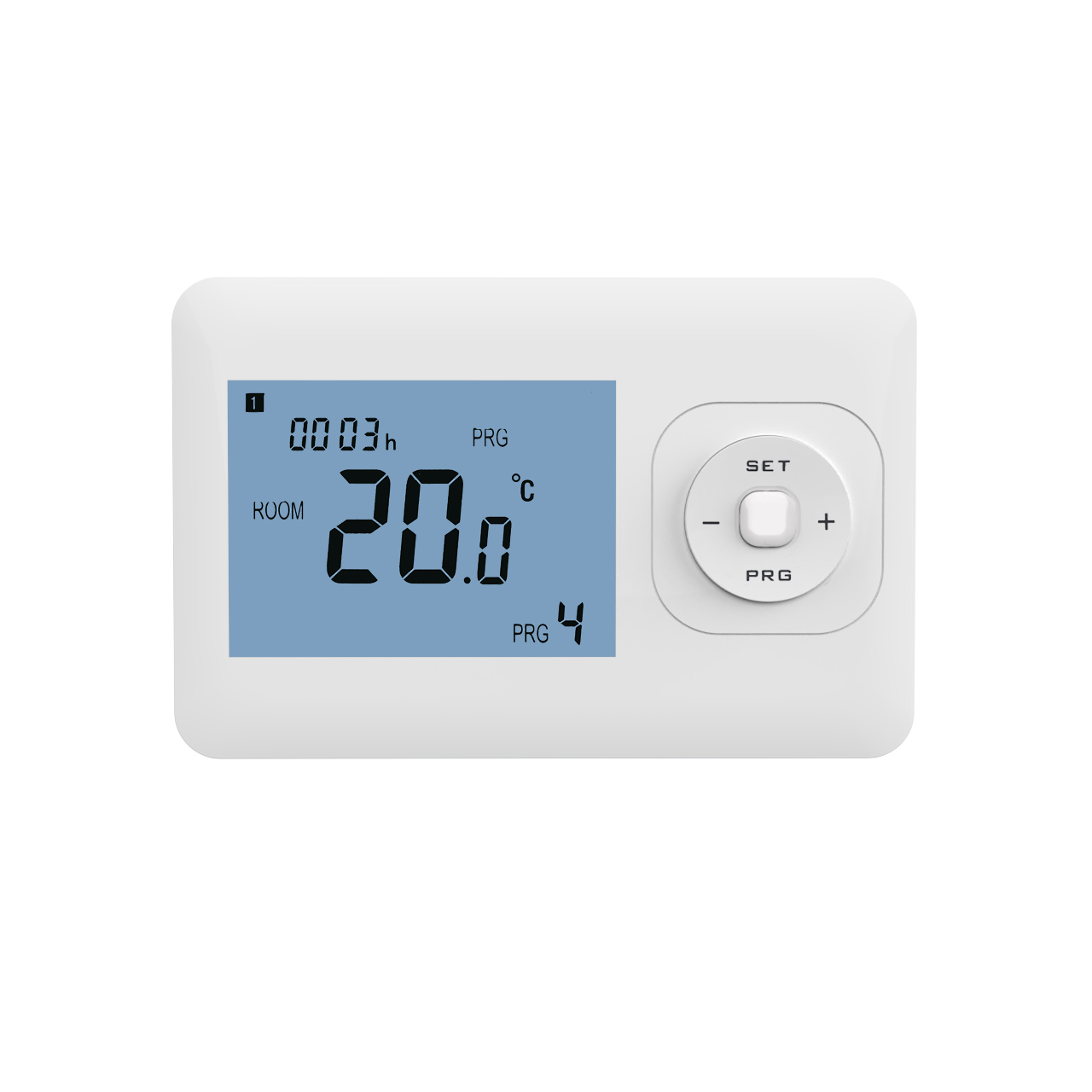
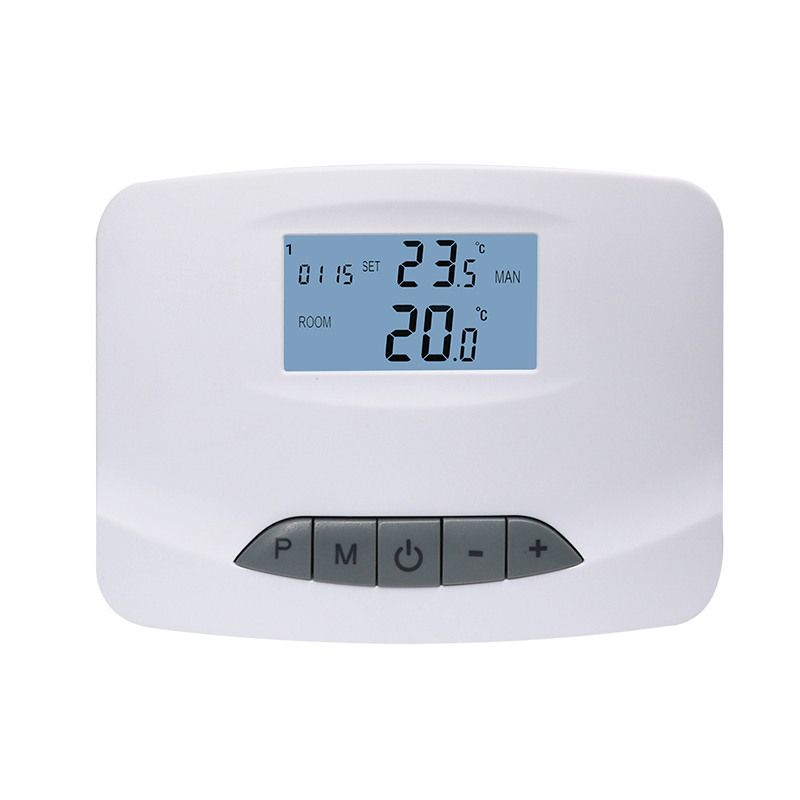
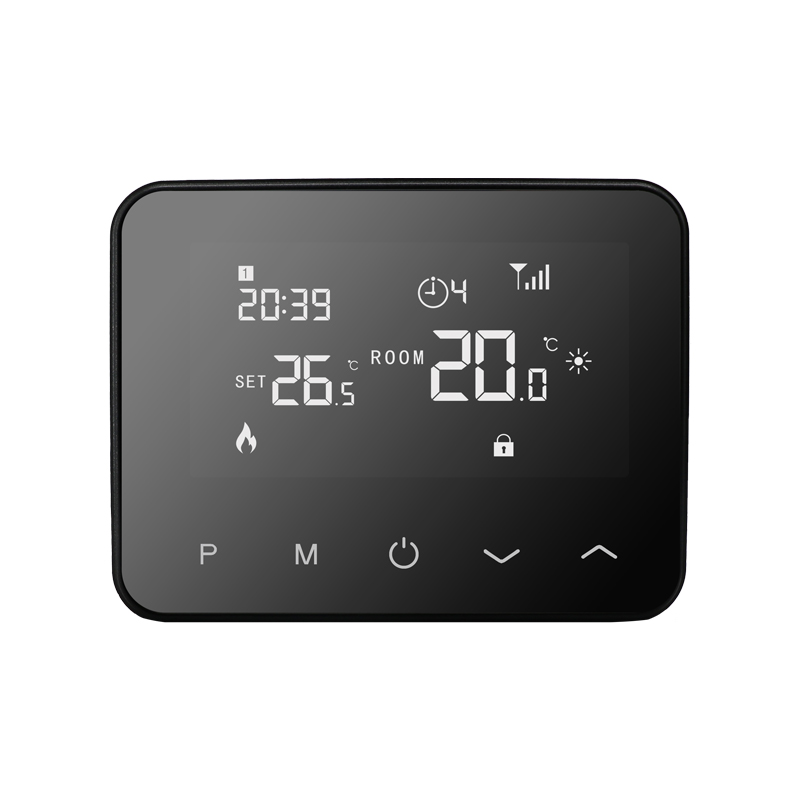
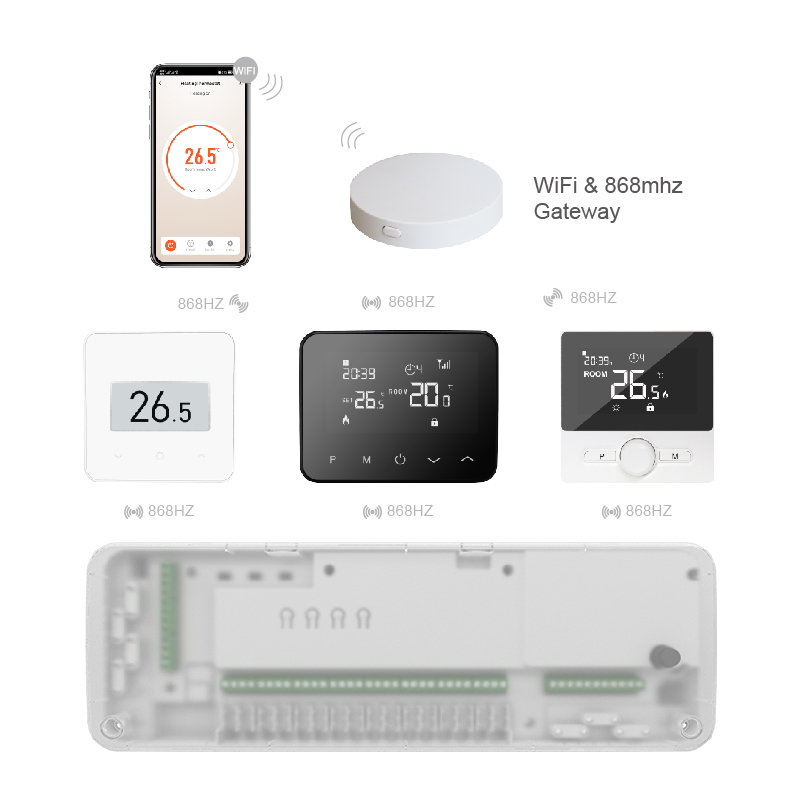
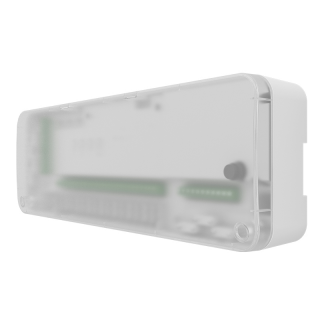
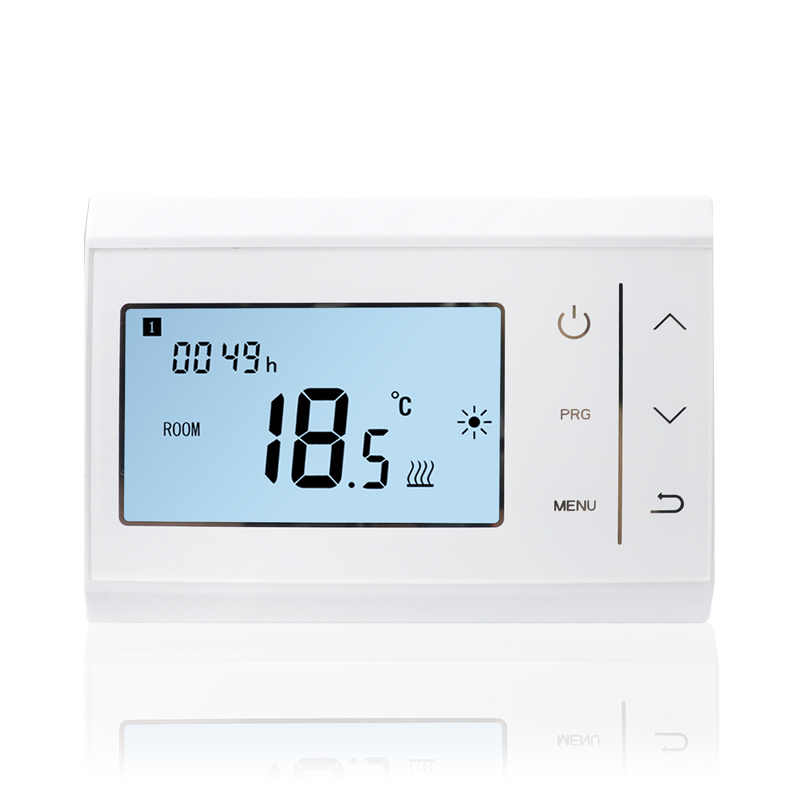
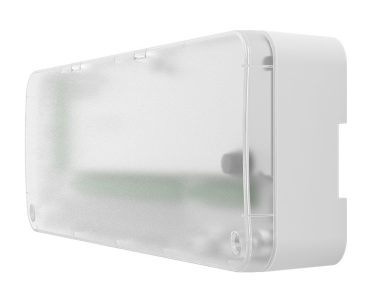
Independent room thermostats, combined with loops and actuators, enable precise heat distribution. The thermostat monitors room temperature and controls the loops to open or close via thermal actuators, ensuring heat flows only to the areas that need it. This combination of centralized management and zoned control allows for more timely system response, faster room heating or cooling, and prevents some rooms from becoming overheated while others remain cold. The cabling center plays a crucial role: as the system hub, it centrally manages the thermostats, actuators, boiler, and circulation pump, ensuring each room receives the appropriate amount of heat according to its needs, achieving true on-demand heating.
Enhanced Convenience and Control Flexibility
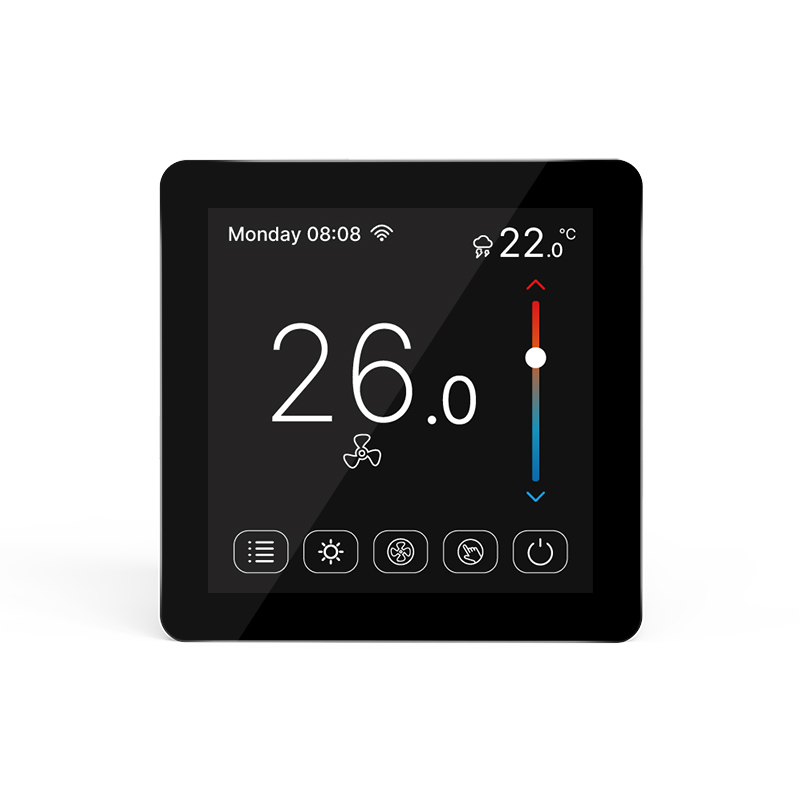
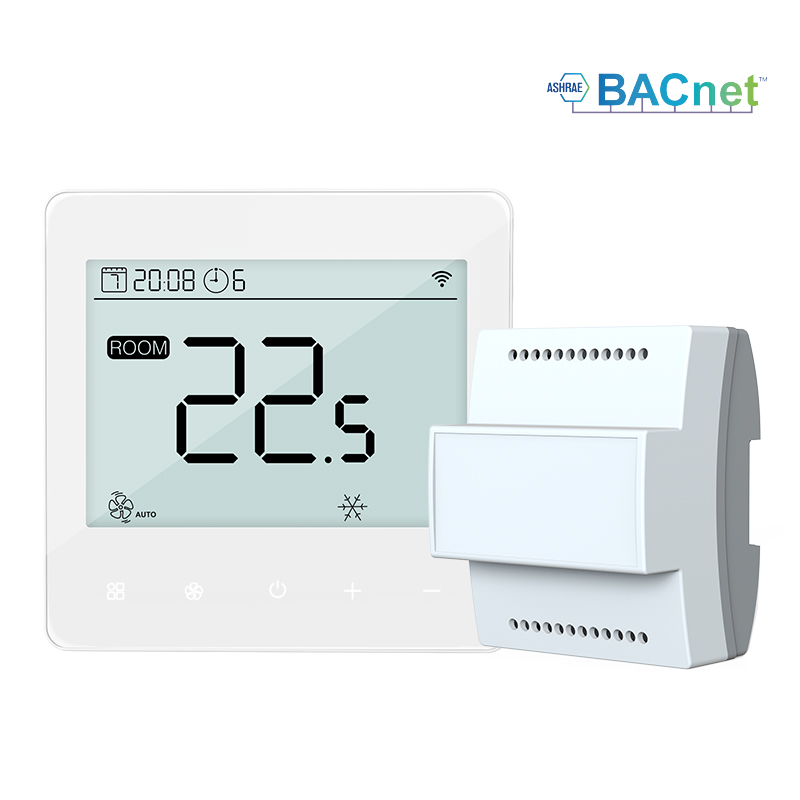
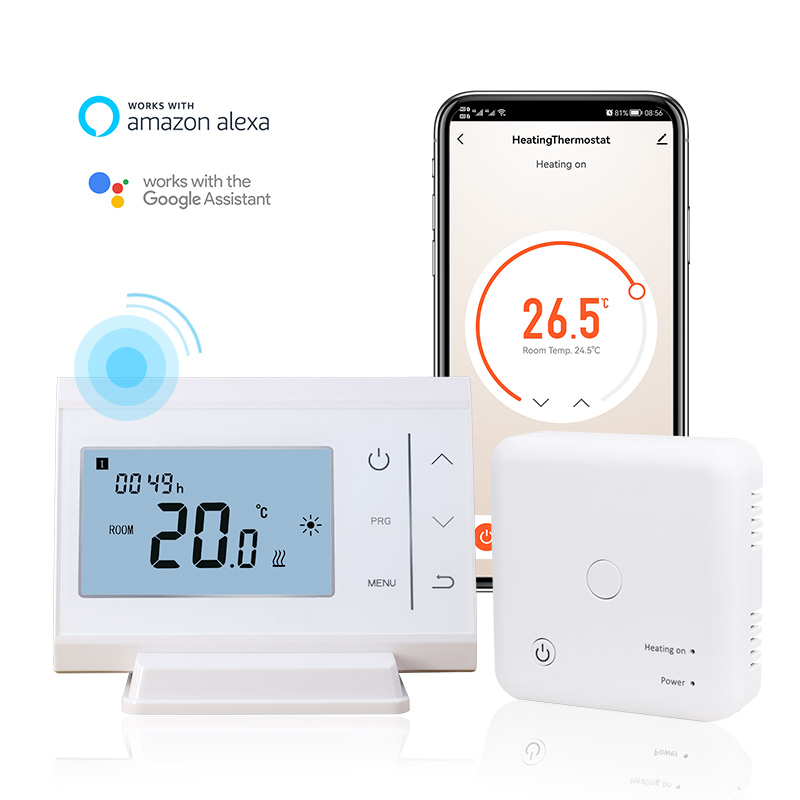
Independent thermostats not only bring comfort and energy savings but also improve operational convenience. Each room can be set with its own temperature, timer strategy, and energy-saving mode without adjusting the entire system. This flexible control is especially important for families with children, the elderly, or those with different schedules, or for multi-functional commercial spaces. Furthermore, independent thermostats are even more convenient when the system supports wireless thermostats. Wireless thermostats can be placed flexibly, close to the center of the room or in frequently used locations, reflecting room temperature in real time for more precise control. V. Reduce System Pressure and Extend Equipment Life
Unified thermostating can lead to prolonged high-load operation of boilers and circulating pumps, especially when some rooms do not require heating. Independent thermostats and zoned heating allow the system to start and stop on demand, reducing operating load and wear and tear from frequent start-ups and shutdowns, thereby extending equipment life while maintaining overall system efficiency.
Giving each room an independent temperature is not just about comfort; it also improves heating efficiency, saves energy, and extends equipment life. Independent thermostats can adjust heat according to the function and usage of each room, achieving precise distribution in conjunction with thermal actuators and a wiring center. Boilers and circulating pumps operate on demand, resulting in a fast and flexible system response. For residential or commercial spaces, this means each area receives just the right amount of warmth or coolness, rather than wasting energy or sacrificing comfort. Modern underfloor heating or air conditioning systems increasingly emphasize zoning and personalized control, with independent thermostats being a core component. Through a well-planned layout of thermostats and the use of a centralized wiring center, the temperature of each room can be precisely adjusted, enhancing the living experience and making energy use more efficient.