
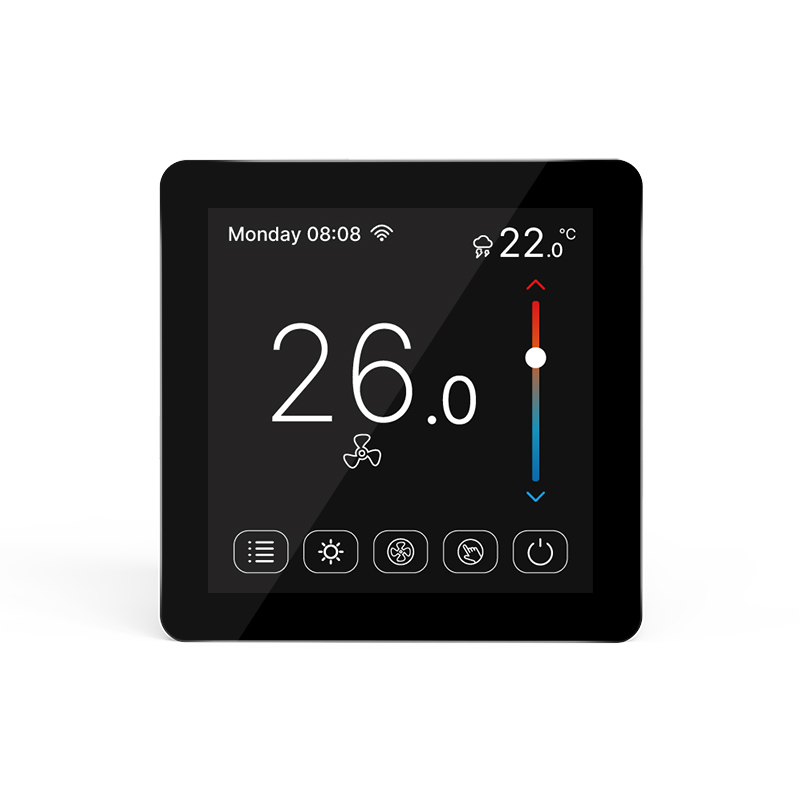
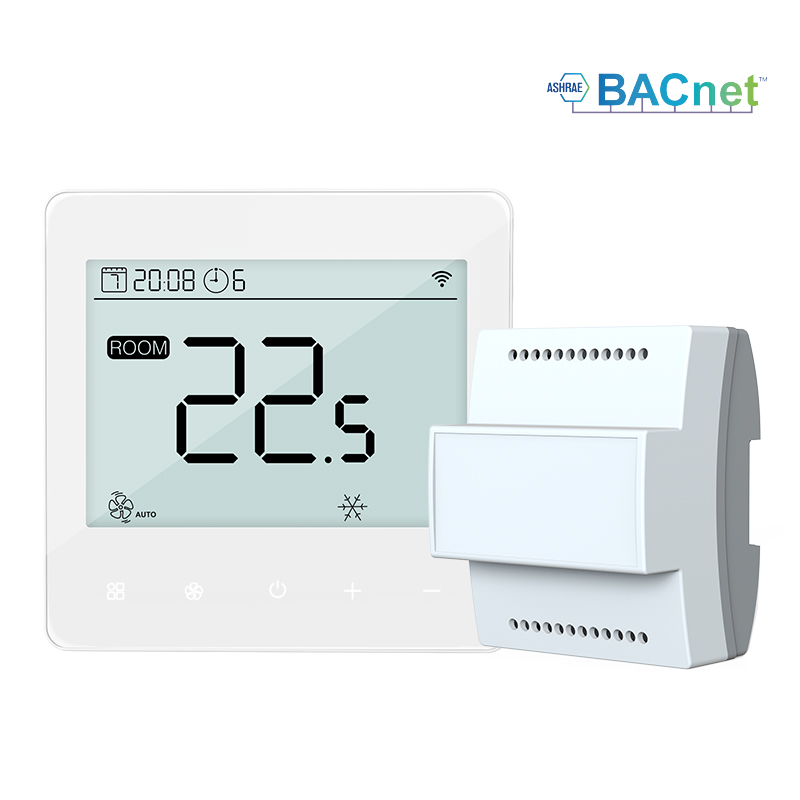
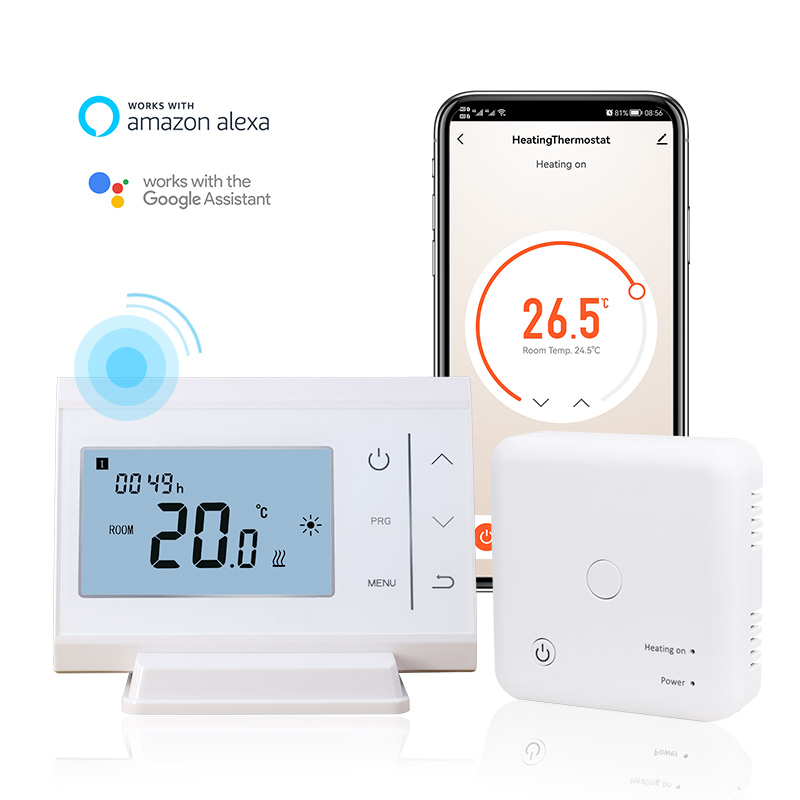
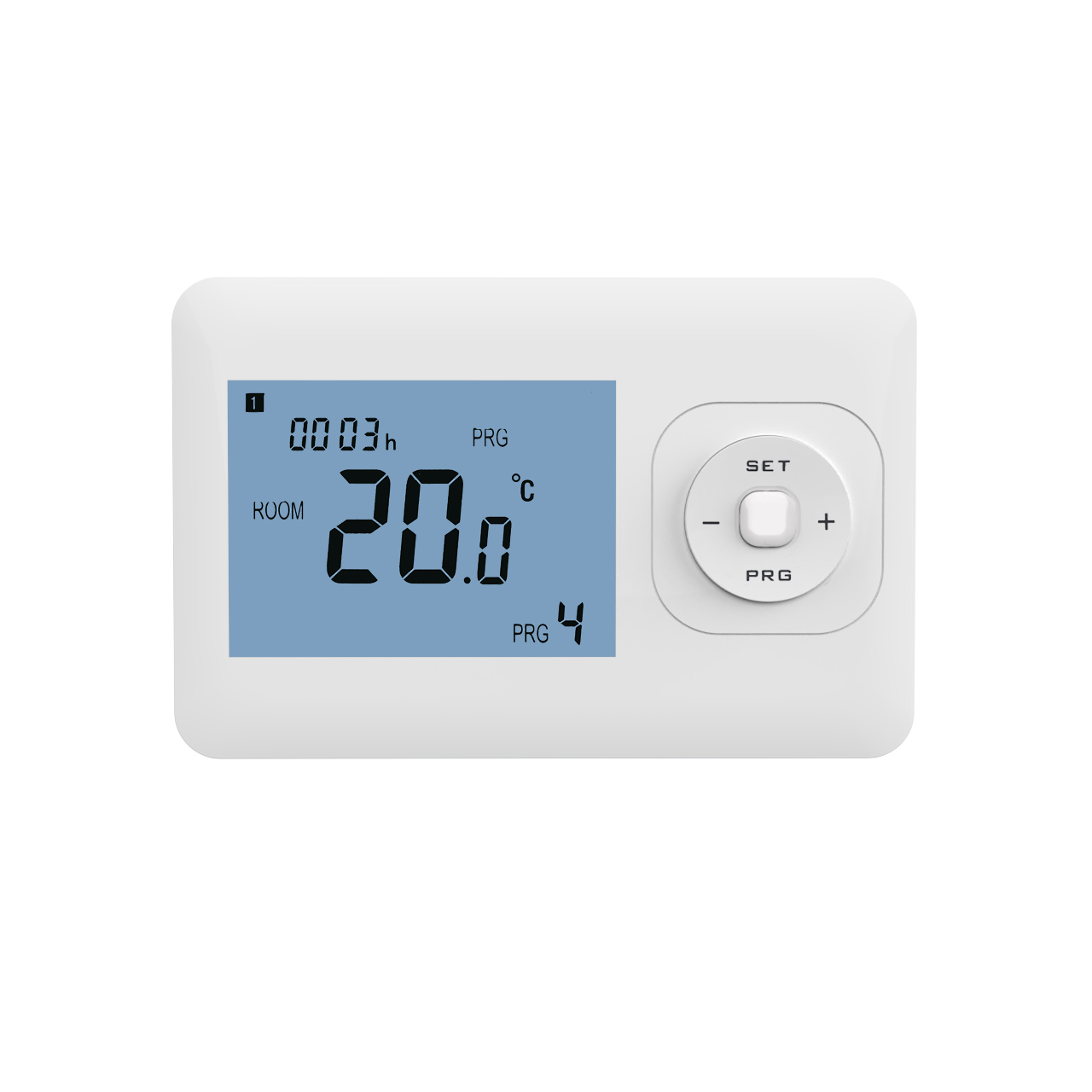
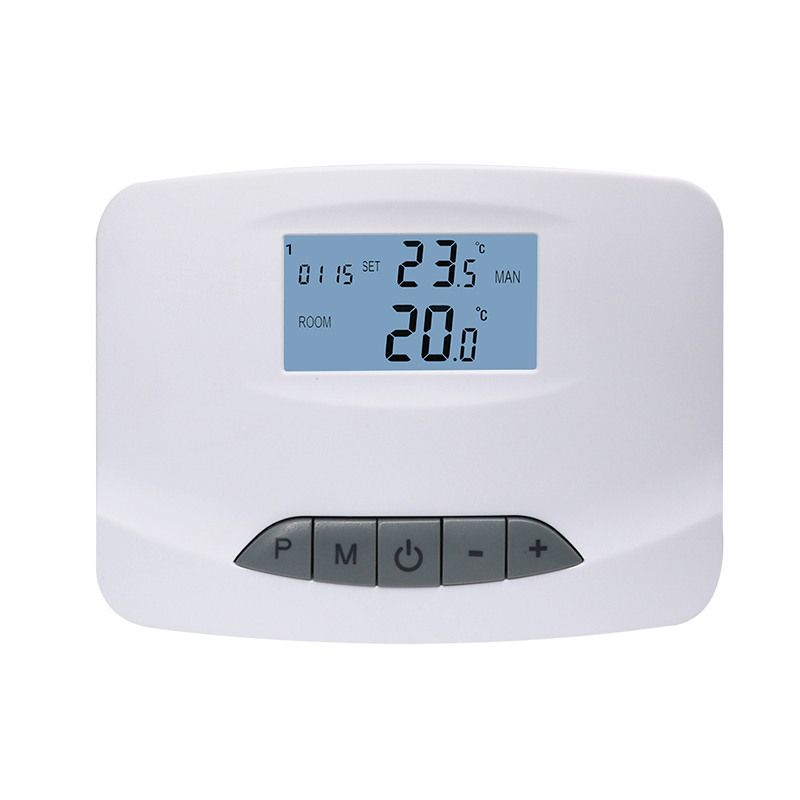
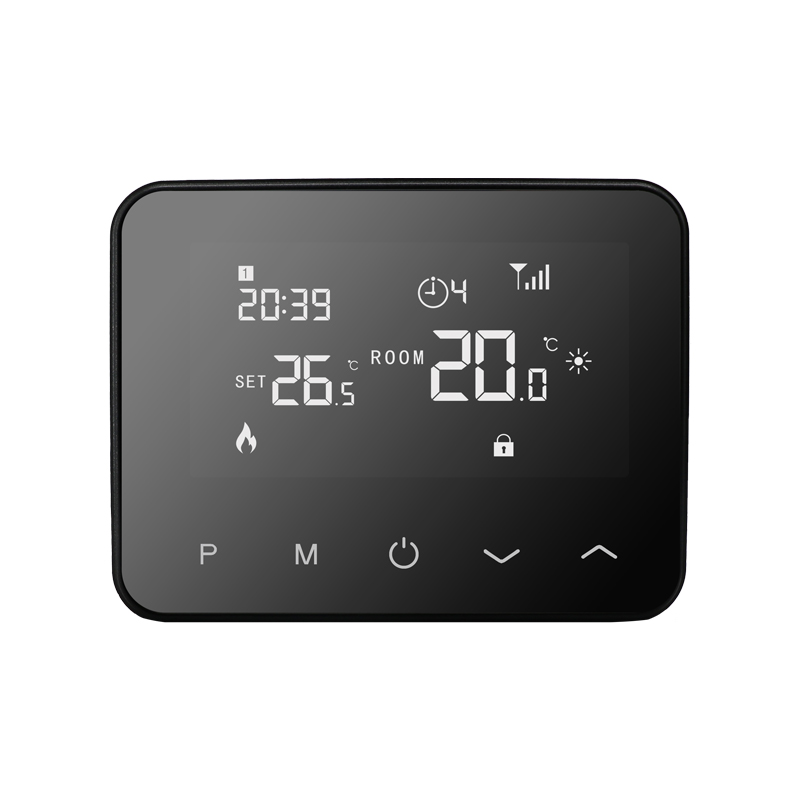
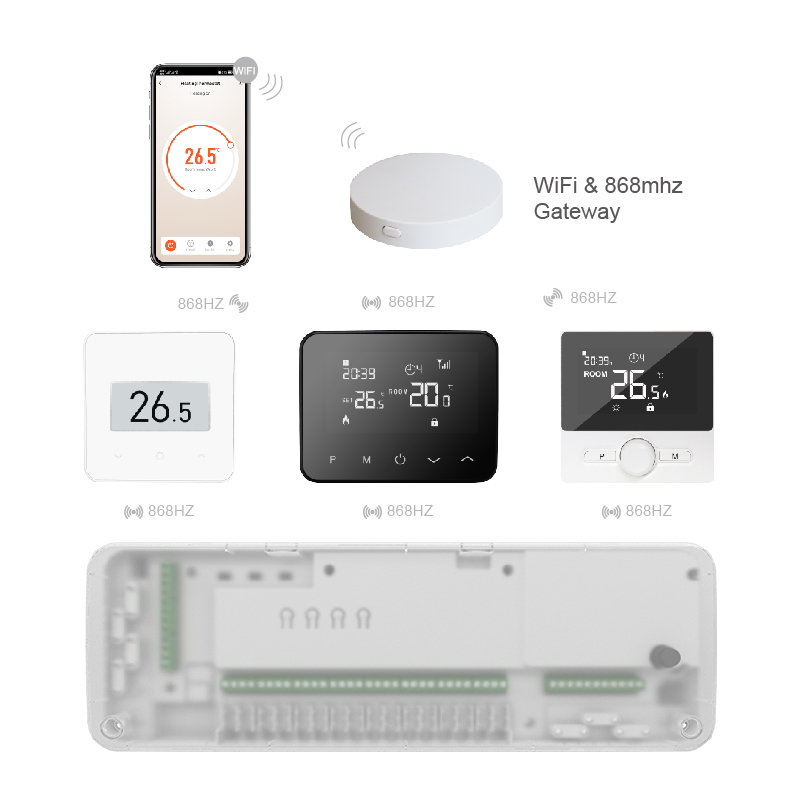
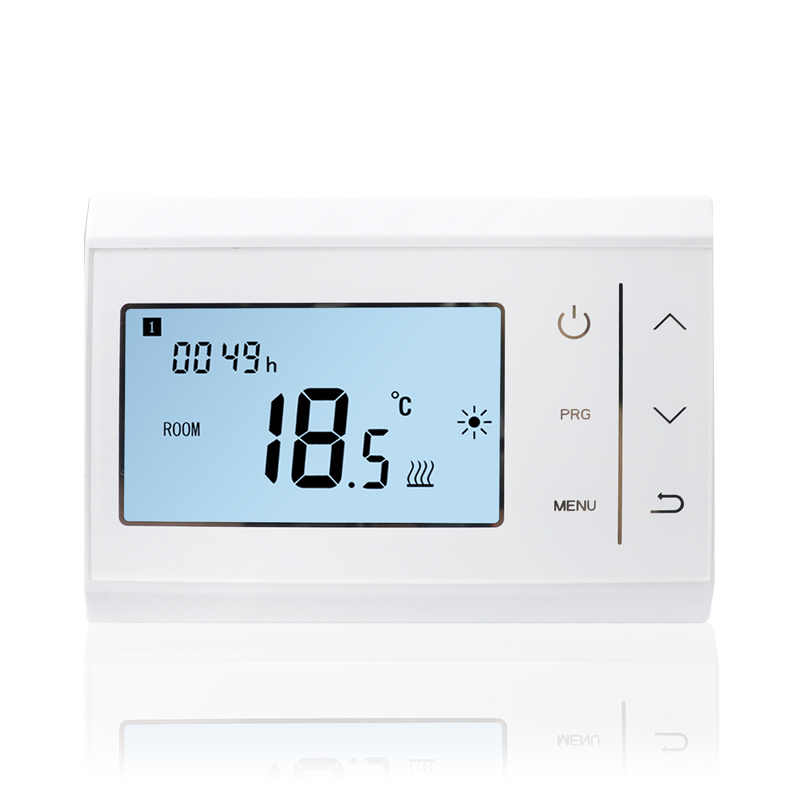
In modern home heating, underfloor heating systems are increasingly popular due to their comfort, energy efficiency, and aesthetics. One of the core components of an underfloor heating system is the wired control box. As the “brain” of the entire system, it manages temperature control in each area, the start and stop of the circulation pump, and safety protection functions. If the control box malfunctions, it will not only affect temperature regulation but may also lead to decreased heating efficiency or even damage to the underfloor heating pipes or equipment.
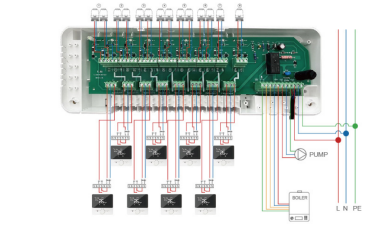
Common Fault Types
Control Box Fails to Start
The most common symptom is that the control box shows no display or response after being powered on.
Possible Causes: Loose or open power wiring; blown fuse; damaged internal circuit board.
Self-Troubleshooting Method: First, check if the external power supply is normal. Then check the fuse and power socket inside the control box. If necessary, use a multimeter to check if the line voltage is normal.
Temperature Control Malfunction or Abnormal Display
Some users may encounter inaccurate temperature displays or the underfloor heating not heating up after setting the temperature.
Possible causes: Faulty temperature sensor, poor wiring contact, or abnormal control board program.
Self-test method: First, replace the temperature sensor with another one for testing, or short-circuit the sensor to check if the control board responds. Simultaneously, confirm that there are no open wires or incorrect connections.
Circulation pump cannot start or frequently starts and stops
The circulation pump is a key component in a floor heating system to ensure hot water circulation. Abnormal operation will affect heating efficiency.
Possible causes: Damaged output relay in the control box, insufficient power supply voltage, or pump malfunction.
Self-test method: First, measure the output voltage of the control box relay, then check if the pump’s power supply line and the pump itself are operating normally.
Zone control failure
Some home floor heating systems have multi-zone control. If the temperature in a certain zone cannot be adjusted, it indicates a problem with the control box’s control of that zone.
Possible causes: Faulty zone actuator, open circuit in the zone wiring, or damage to a circuit in the control board.
Self-test method: Swap the zone actuators or wiring to test for electrical signal output, to determine whether the problem lies in the control box or the terminal equipment.
Abnormal Alarm or Flashing Indicator Light
When the control box malfunctions, some models will indicate this through an alarm sound or light.
Possible Causes: Overheat protection activation, power supply abnormality, or internal sensor malfunction.
Self-Test Method: Carefully read the control box instruction manual, identify the alarm type, check if the corresponding components are normal, and confirm whether the temperature control and power supply are abnormal.
Self-Test Methods and Operating Techniques
Power-Off Check
Before performing any self-test, disconnect the power supply to the control box to avoid electric shock or damage to the circuit board.
Wiring Check
Use a multimeter or test pen to check the continuity of each circuit, paying particular attention to the power cord, temperature control wire, pump control wire, and zone control wire.
Functional Test
Manually test each function of the control box one by one, such as temperature control adjustment, pump start, and zone switching, observing for any abnormal reactions.
Sensor Test
Check the temperature control sensor and actuator for proper function using the replacement method or short-circuit method to determine whether the problem lies in the wiring, sensor, or control board.
Recording and Analysis
During the troubleshooting process, recording each step and observed phenomenon helps in quickly identifying the root cause of the problem and reducing repetitive operations.
Although the wired control box for underfloor heating is designed to be stable, various malfunctions can still occur due to prolonged use, power fluctuations, or aging wiring. From failure to start and thermostat malfunction to abnormal circulation pumps and zone control failures, these problems are common, but most can be quickly located and resolved using scientific self-testing methods. Mastering basic skills such as power-off checks, wiring tests, functional tests, and sensor checks not only allows for the early detection of potential problems but also effectively extends the lifespan of the underfloor heating system. Meanwhile, regularly inspecting and maintaining the control box, keeping the wiring neat and the interfaces reliable, are also key measures to ensure heating efficiency and home comfort.