

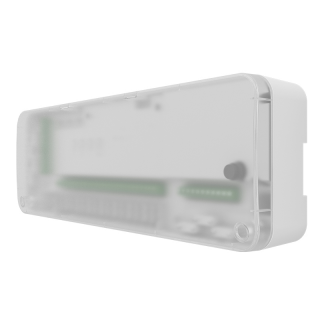
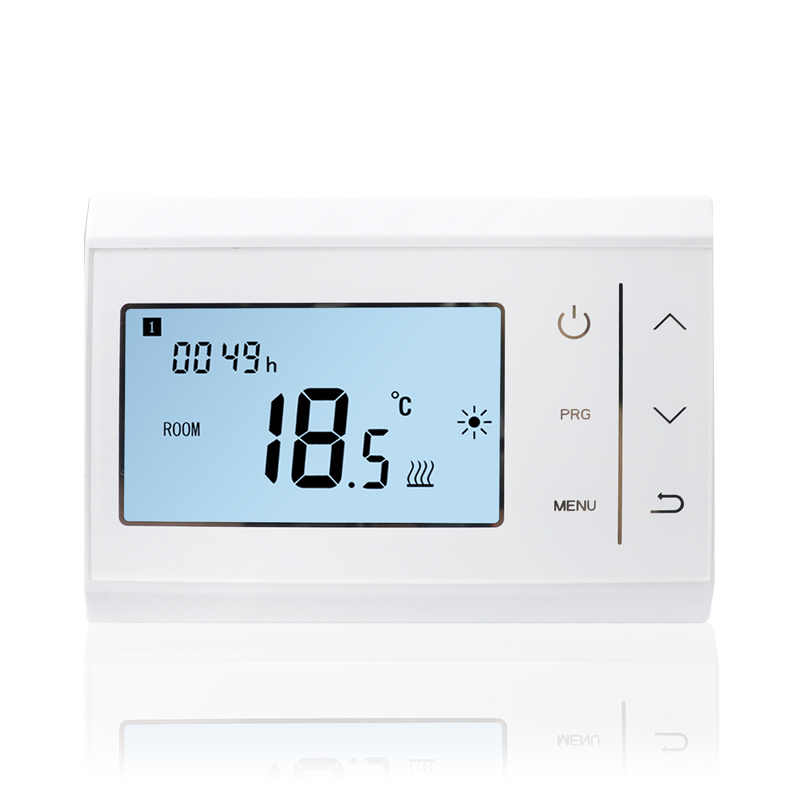
Fan coil unit (FCU) thermostats play a critical role in controlling temperature within HVAC systems. The commissioning phase is essential to ensure proper operation, energy efficiency, and indoor comfort. However, in real projects, various issues often arise during commissioning, affecting both system performance and occupant satisfaction. This article summarizes the most common problems encountered during FCU thermostat commissioning and provides tips for addressing them.
Inaccurate or Fluctuating Temperature Control
One of the most frequent issues is unstable temperature or discrepancies between the thermostat display and actual room conditions. Common causes include:
Improper sensor placement: Sensors located too close to air outlets or exposed to direct sunlight can produce inaccurate readings.
Incorrect thermostat settings: Parameters such as temperature offset, control cycle, and fan speed levels may not be properly configured.
Valve or fan adjustment issues: Water valves or fans may not be correctly set or calibrated.
Solutions involve repositioning sensors appropriately, fine-tuning thermostat parameters according to site conditions, and checking each fan and valve individually.
Fan Noise or Abnormal Operation
During commissioning, some FCU thermostats exhibit excessive fan noise, vibration, or unstable operation. Possible reasons include:
Improper or loose fan installation
Fan speed set too high
Abnormal control signal from the thermostat
To address this, ensure the fan is securely installed, set parameters within recommended ranges, and verify proper control signal output.
Slow Control Signal Response
Some projects experience slow temperature adjustment, delayed fan startup, or lagging valve responses during commissioning. Causes may include:
Control cycle set too long
Signal wiring or communication interference
System inertia
This can be mitigated by shortening the control cycle, eliminating interference, and allowing sufficient observation time during testing.
Installation and Wiring Errors
Incorrect installation or improper wiring can lead to:
Signal interference or loss
Unstable power supply
Difficulty reading or operating the thermostat interface
Preventive measures include following the manufacturer’s installation guidelines, keeping the thermostat away from heat sources, strong electrical interference, and direct sunlight.
User Interface and Display Issues
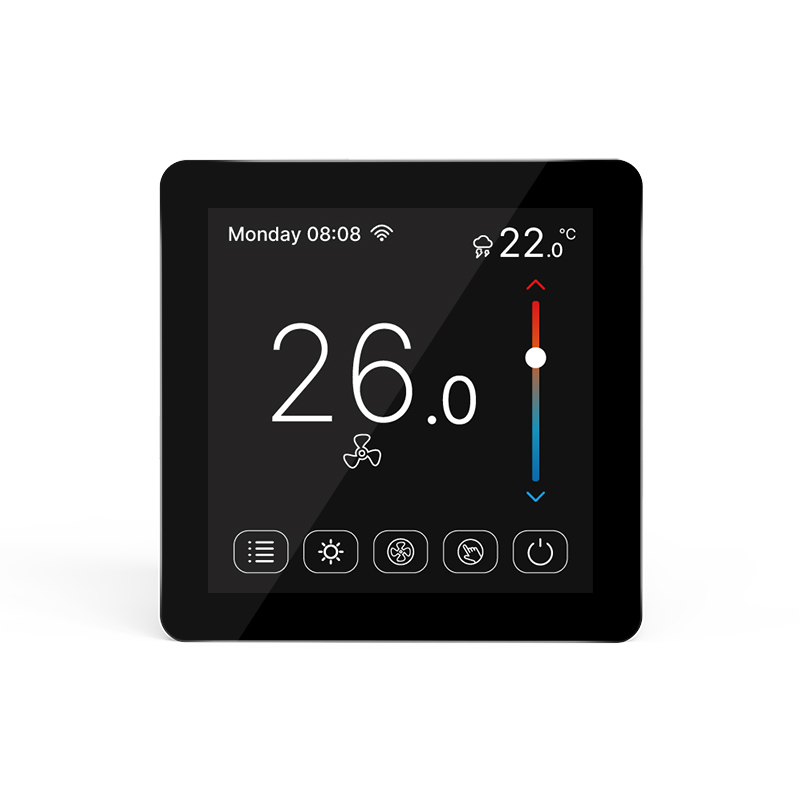
Digital FCU thermostats feature touchscreens and multi-function displays. During commissioning, issues such as incomplete menus, display errors, or unresponsive touch controls can affect user experience. Common causes include outdated firmware, software version mismatches, or incomplete parameter initialization. Commissioning personnel should verify firmware versions, initialize all parameters, and conduct full functional testing.
Key Commissioning Tips
Test each function individually: Verify temperature control, fan operation, valve movement, and alarm signals.
Consider environmental factors: Prevent interference from sunlight, air outlets, or nearby heat sources.
Record parameters and operational data: Useful for future maintenance and energy optimization.
Follow manufacturer commissioning manuals closely: Ensure compatibility between the thermostat and system.
Conclusion
The commissioning phase of FCU thermostats is crucial for stable system operation and energy efficiency. By paying attention to temperature accuracy, fan and valve performance, control signal response, installation and wiring, and user interface issues, commissioning personnel can avoid common problems and improve indoor comfort. A standardized and methodical commissioning process ensures reliable thermostat operation and provides a solid foundation for long-term building performance and energy management.