
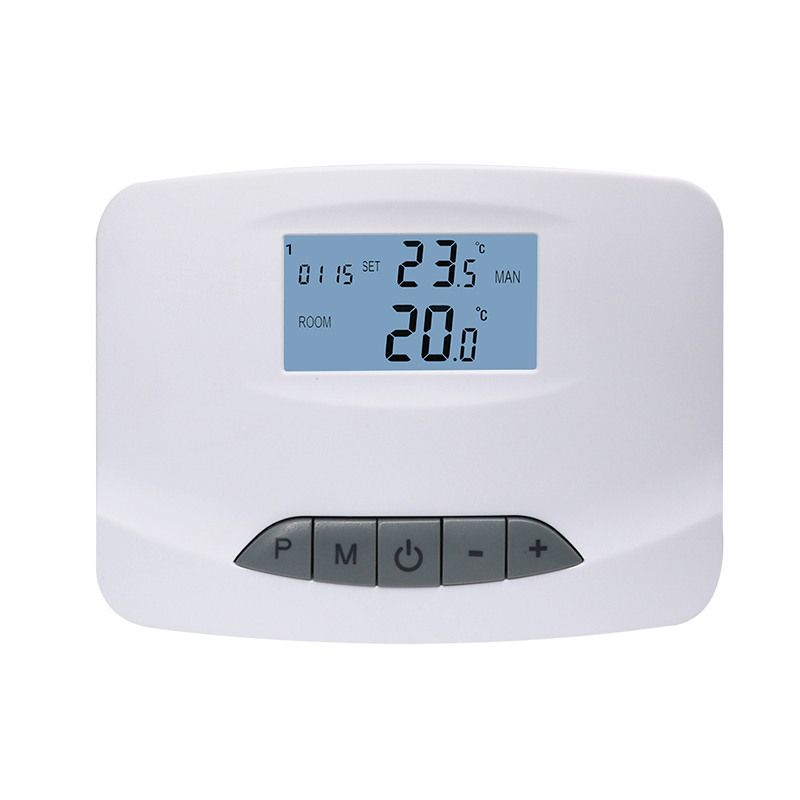
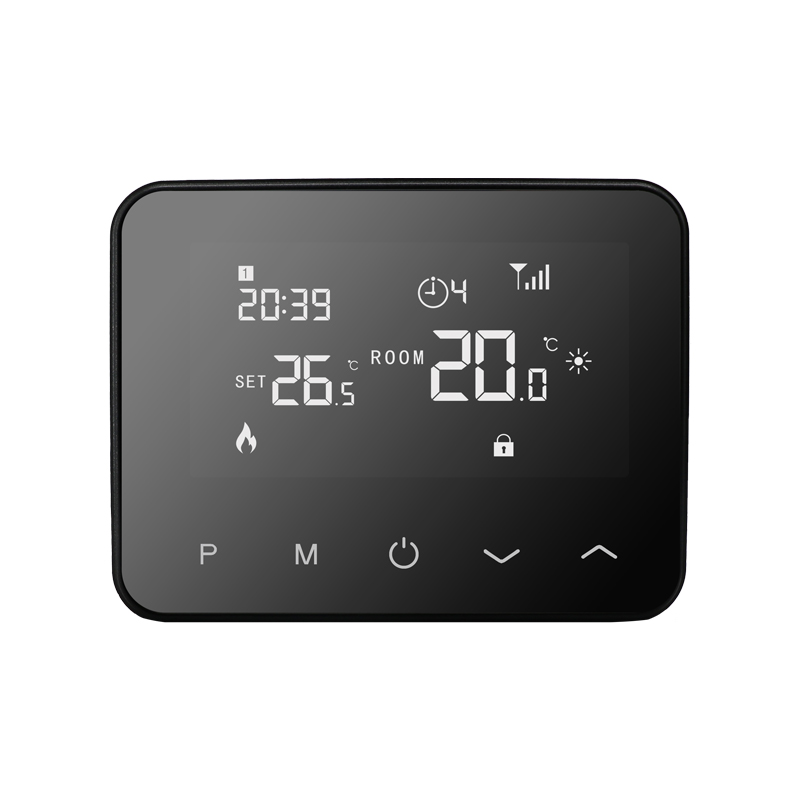
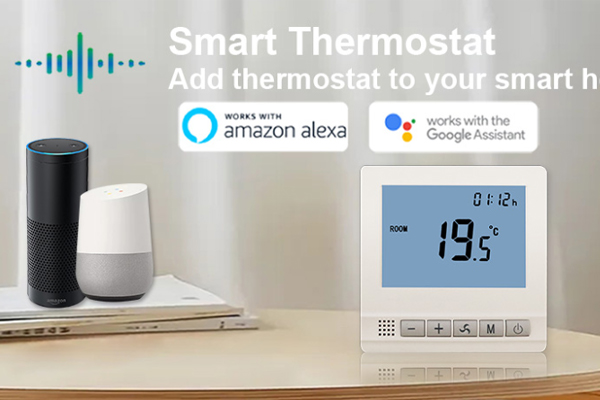
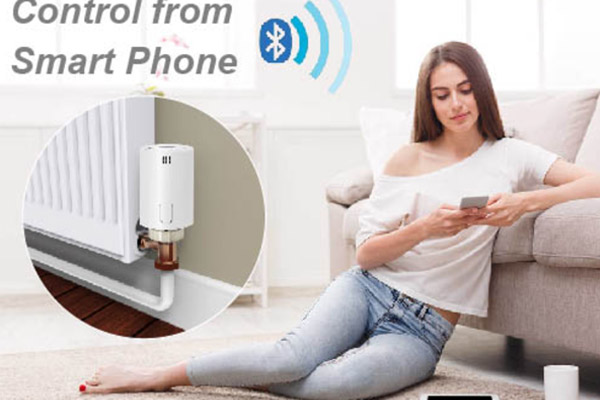
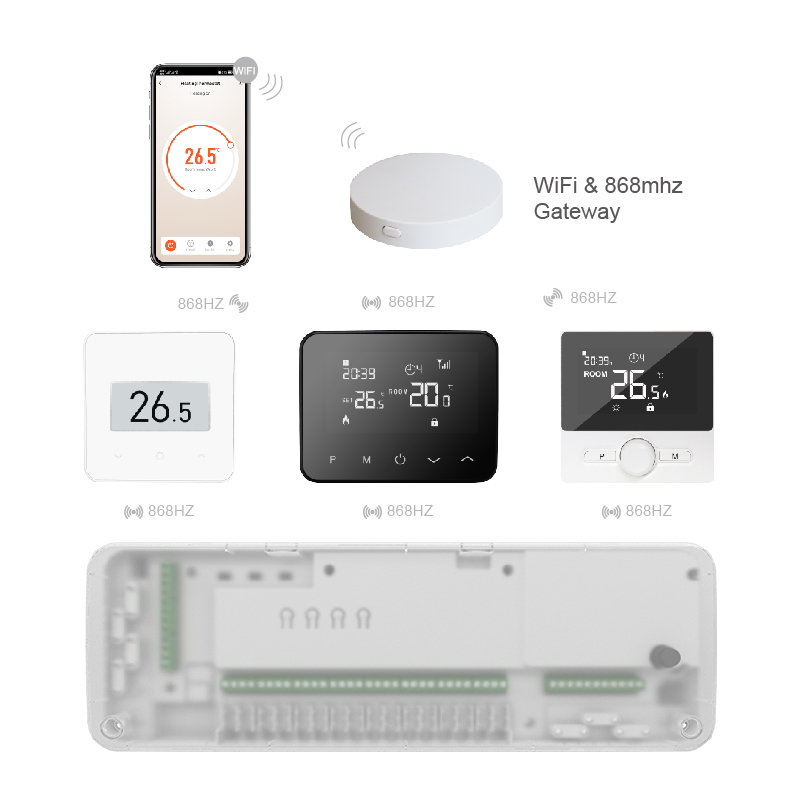
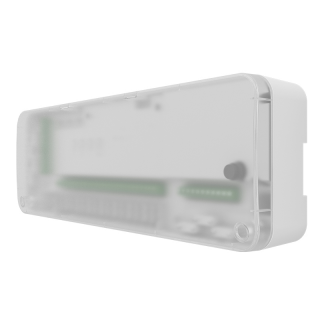
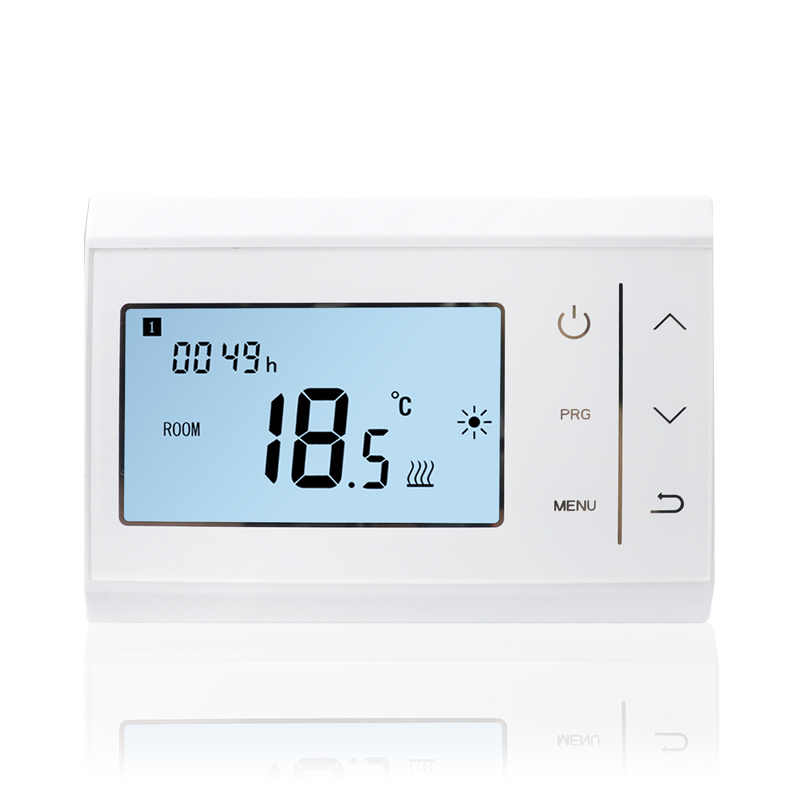
Underfloor heating systems provide comfortable winter warmth for homes, with control boxes and thermostats being the key components that ensure stable and efficient operation. Over time, these devices may experience aging, damage, or performance degradation. Failure to replace them promptly can not only compromise heating effectiveness but also pose safety risks. Many homeowners only consider replacement when temperatures become unmanageable or equipment is completely damaged. However, simple diagnostic methods can help identify potential issues early, preventing major malfunctions and unnecessary repair costs.
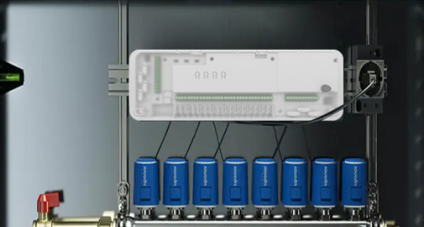
Determination Method for Replacing Underfloor Heating Control Box
If the control box fails to start or frequently crashes after power-on, or if it crashes and restarts repeatedly after a short period of operation, this indicates that the internal circuit board may be aged or damaged.
Diagnostic procedure: Check the panel display and verify the power supply input. Try manual reset or replace the fuse. If the issue persists, typically recommend replacing the entire control box.
Electrical component aging or damage
Relays, fuses, or terminals inside the control box may develop blackening, looseness, or poor contact after prolonged use.
Inspection procedure: After power failure, inspect terminals and relays. If contact burnout or loose connections are found, and the system remains prone to failure despite repeated repairs, replacement should be considered.
Abnormal or unstable output signals
The control box manages the circulating pump, sectional valves, and auxiliary equipment. Output delays, malfunctions, or incorrect operations may indicate a damaged control board or program error.
Diagnostic procedure: Test each output port individually to verify signal stability. If any port shows severe aging or frequent failures, replacing the control box is the safer option.
Persistent issues despite repeated repairs
If the control box frequently experiences similar malfunctions within a short period—such as temperature control signal failure or pump/valve malfunction—it indicates severe internal component aging, making further repairs both costly and risky.
Methods for Determining When a Thermostat Needs Replacement
Temperature display malfunction or inaccuracy: The thermostat may show excessive deviation or unstable temperature curves, potentially causing overheating or underheating in the room.
Diagnostic method: Compare the probe’s displayed temperature with the ambient temperature using an independent thermometer. If the deviation is significant and cannot be calibrated, the thermostat or sensor likely requires replacement.
Touch or button malfunction: The touchscreen is non-functional or buttons unresponsive, preventing temperature or mode settings.
Troubleshooting: Restart the thermostat or replace the battery (if applicable). If the issue persists, replace the unit.
Communication failure with the control box
If the smart or wired thermostat cannot communicate properly with the control box, zone control or circulation pump activation may be affected.
Diagnostic procedure: Inspect the signal lines and connectors. If the wiring is functioning properly but communication fails, the thermostat may be damaged and requires replacement.
A yellowed or cracked thermostat casing, or moisture damage to internal circuits, may compromise performance and even pose safety risks.Assessment method: Inspect the appearance and interfaces. If obvious aging, cracking, or moisture is observed, replacement is recommended.
Auxiliary Assessment Methods and Daily Recommendations
Service Life Guidelines: The standard lifespan for underfloor heating control boxes is 8–12 years, while thermostats typically last 5–10 years. Refer to the manufacturer’s manual for specific recommendations. Replacement should be considered if the device exceeds its recommended lifespan.
Functional testing: Perform regular checks on temperature control, pump activation, and valve operation across all zones. If multiple functions exhibit abnormalities or delays, this indicates equipment aging.
Maintenance records: Equipment requiring frequent repairs or recurring malfunctions entails high long-term operational costs and risks, making replacement more cost-effective than maintenance.
Safety is paramount. If you notice smoke, burnt smell, or electrical sparks, immediately cut off the power. Replace the equipment directly.
The underfloor heating control box and thermostat are the core components of the system, whose stable operation directly impacts indoor comfort and safety. To determine whether replacement is necessary, observe whether the control box fails to start, outputs abnormal signals, or experiences frequent malfunctions despite repeated repairs. Similarly, check if the thermostat displays errors, has malfunctioning buttons, communication failures, or signs of physical aging. By considering factors like service life, functional tests, and potential hazards, you can make a more informed replacement decision. Timely replacement of aging or damaged equipment not only prevents winter heating interruptions but also reduces electrical risks, enhances system stability, and improves energy efficiency. For homeowners, mastering these diagnostic methods saves them from repeated repairs while ensuring long-term efficient operation of the underfloor heating system, providing stable, comfortable, and safe heating experiences throughout the winter.