
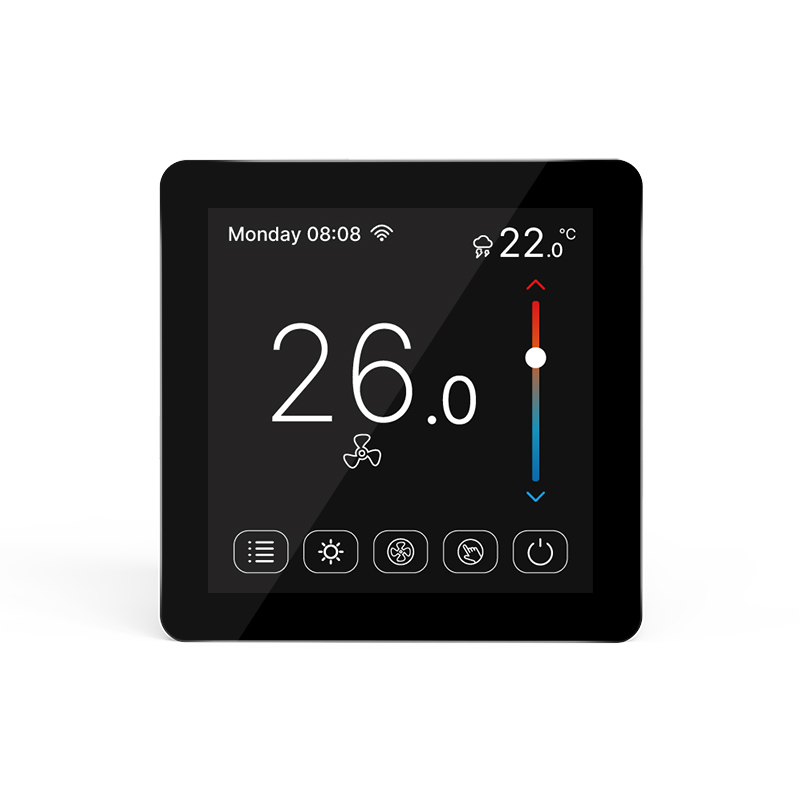
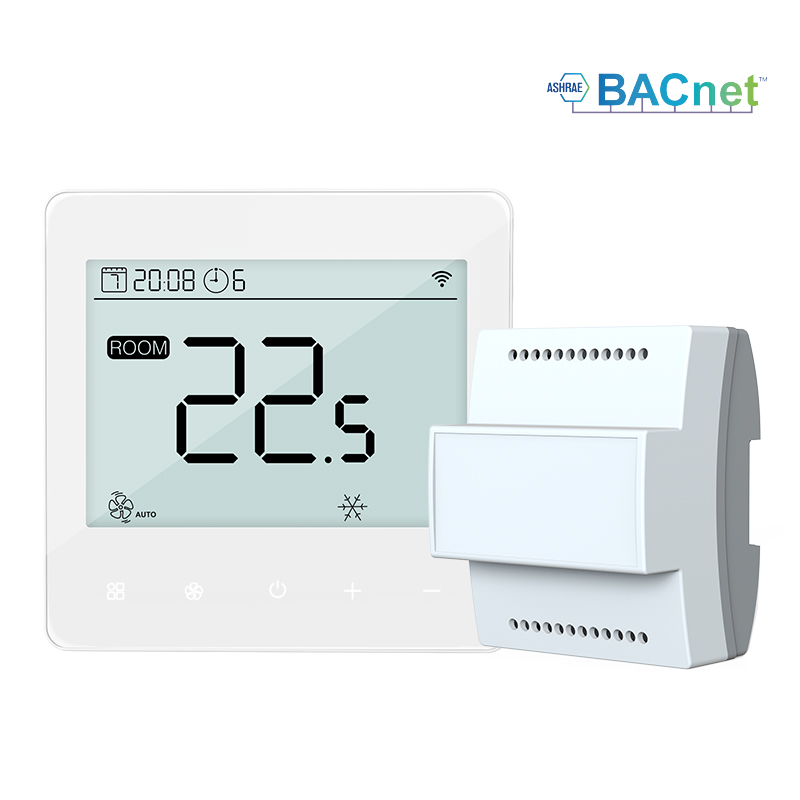
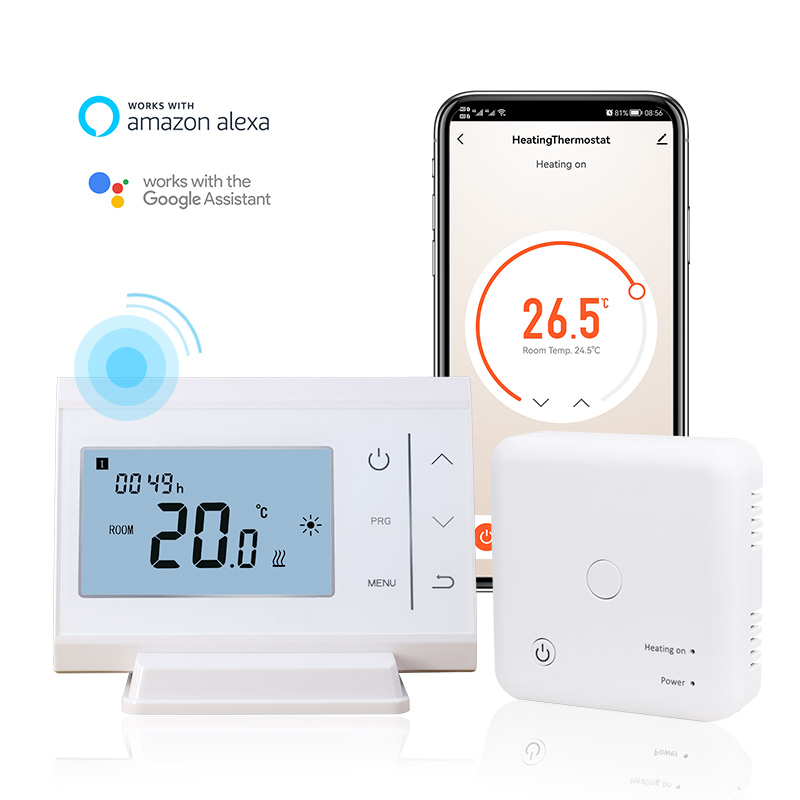
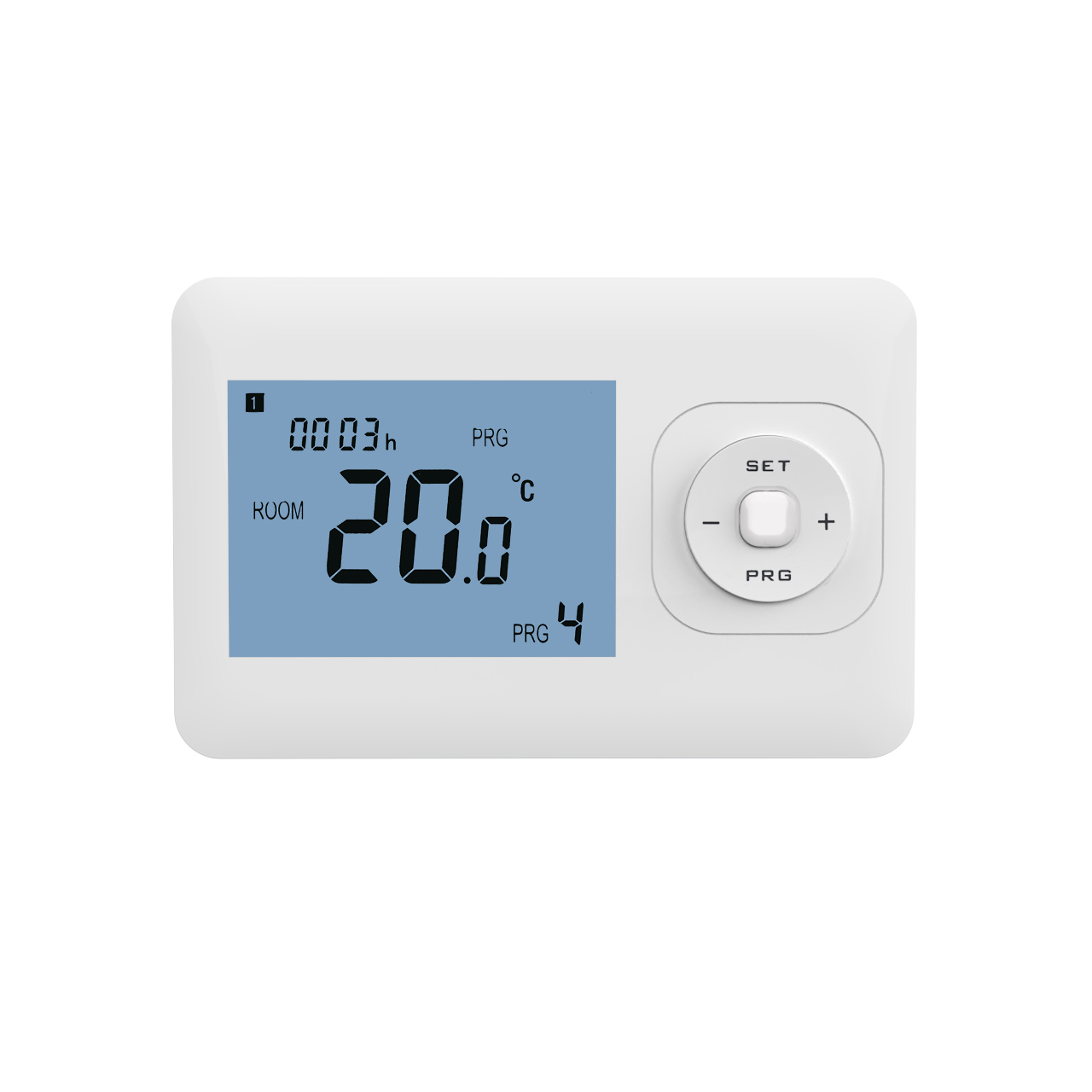
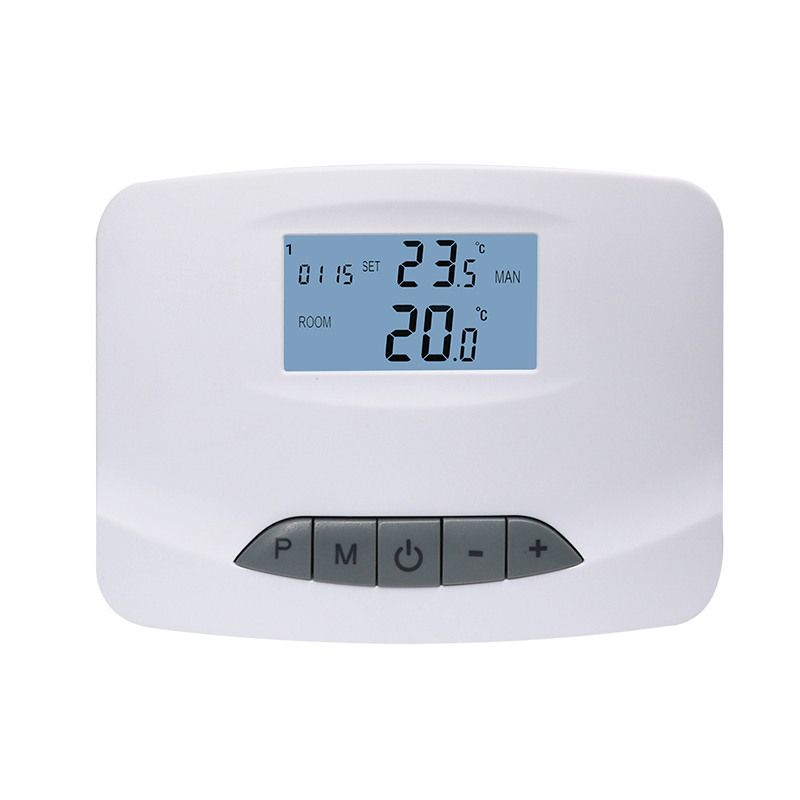
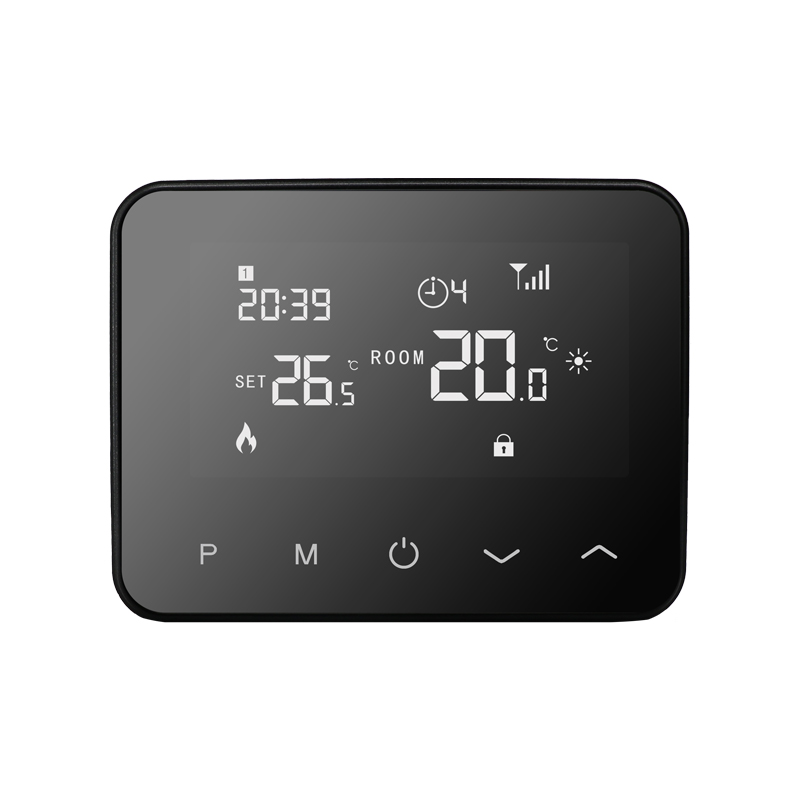
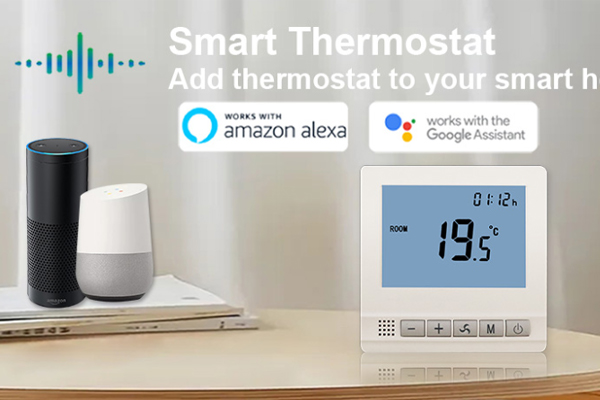

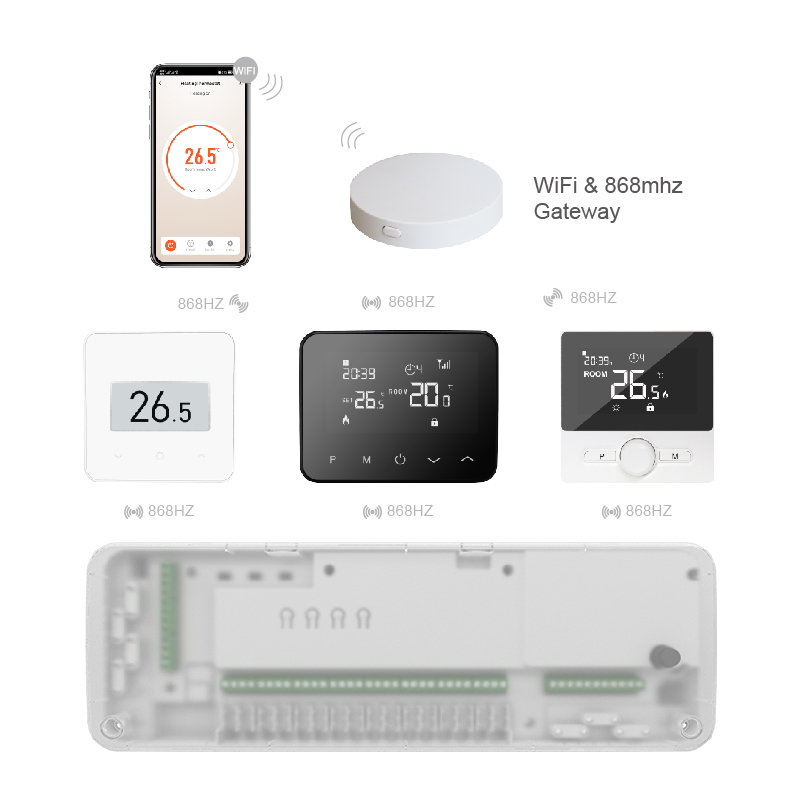
In modern HVAC systems, 24V thermostats are widely used in residential, office, and commercial environments, serving as a key component for indoor temperature regulation. Precise temperature control not only affects comfort levels but also has a direct impact on energy efficiency and system stability. Through the combination of hardware design and control logic, a 24V thermostat aligns heating and cooling output more closely with real demand, enabling stable and accurate temperature management.
High-Sensitivity Temperature Sensing Mechanisms
The foundation of precise temperature control in a 24V thermostat lies in its temperature sensing capability. Internal sensors continuously monitor ambient temperature and convert even minor changes into electrical signals for the control unit. High sampling accuracy allows the thermostat to detect temperature deviations quickly, reducing noticeable indoor fluctuations. Sensor stability and response speed play a crucial role in the quality of temperature regulation.
Installation location significantly influences sensing accuracy. Placing the thermostat in an area with balanced air circulation helps minimize interference from localized heat or cold sources, ensuring the collected data better reflects actual room conditions and supports more accurate control.
Refined Control Logic and Operating Strategies
A 24V thermostat manages heating and cooling equipment through refined control logic that organizes system operation efficiently. Control algorithms evaluate the difference between the set temperature and the current temperature to determine when equipment should start or stop. Well-designed control strategies reduce unnecessary cycling and allow temperature changes to occur more gradually.
In systems with multi-stage capability, the thermostat selects different operating stages based on the size of the temperature deviation. Smaller differences trigger lower output levels to maintain stability, while larger gaps activate higher output to move the environment closer to the target temperature more quickly. This staged adjustment approach supports fine-grained temperature control.
Program Scheduling That Supports Accuracy
Programmable functions give a 24V thermostat greater flexibility in temperature management. By setting target temperatures for different time periods, the system adjusts operation automatically based on usage patterns, reducing errors caused by manual intervention. Consistent scheduling helps the system develop a regular operating rhythm, which contributes to stable and accurate temperature control.
Setting temperature changes according to daily routines
Allowing wider temperature ranges during unoccupied periods
Maintaining consistent setpoints during primary activity hours
Well-planned scheduling enables the thermostat to deliver reliable control performance over extended periods.
Improved Accuracy Through HVAC System Matching
The precision of a 24V thermostat is also influenced by how well it matches the HVAC system it controls. Different heating and cooling systems vary in response speed and output characteristics. When the thermostat correctly identifies system type and operational behavior, it can issue control signals that better suit the equipment, resulting in smoother temperature adjustments.
In multi-stage or heat pump systems, the thermostat’s ability to coordinate different operating levels directly affects temperature stability. A properly matched system combination reduces overshoot and delay, enhancing overall control accuracy.
The Role of Fan Management in Temperature Balance
Fans play an essential role in air circulation within indoor spaces. Through fan control functions, a 24V thermostat promotes more even distribution of heated or cooled air. Improved air circulation minimizes temperature differences between zones, making sensor readings more representative of the entire space.
Under appropriate operating strategies, the fan can continue running briefly after heating or cooling cycles end, helping equalize indoor temperatures and improve overall control precision.
The Influence of User Behavior on Temperature Precision
Accurate temperature control depends not only on the device itself but also on user habits. Frequent adjustments to the set temperature disrupt established control patterns and can lead to wider temperature swings. Maintaining relatively stable settings allows the thermostat to perform its regulation functions more effectively.
Avoid changing setpoints repeatedly within short periods
Use automatic or energy-saving modes to maintain stability
Check display temperature accuracy on a regular basis
With proper configuration and thoughtful use, a 24V thermostat can consistently deliver precise temperature control, creating a stable and comfortable indoor environment.