





In the cold winter, the thermostatic valve of a radiator, as a key component for regulating indoor temperature, directly affects the comfort of living. However, many users encounter the problem of noise from the thermostatic valve during use. This noise can be as dense as a “machine gun” or as shocking as a “water hammer,” not only affecting the quality of life but also potentially raising concerns about the quality of the equipment. So, why do thermostatic valves produce noise, and how can it be effectively solved?
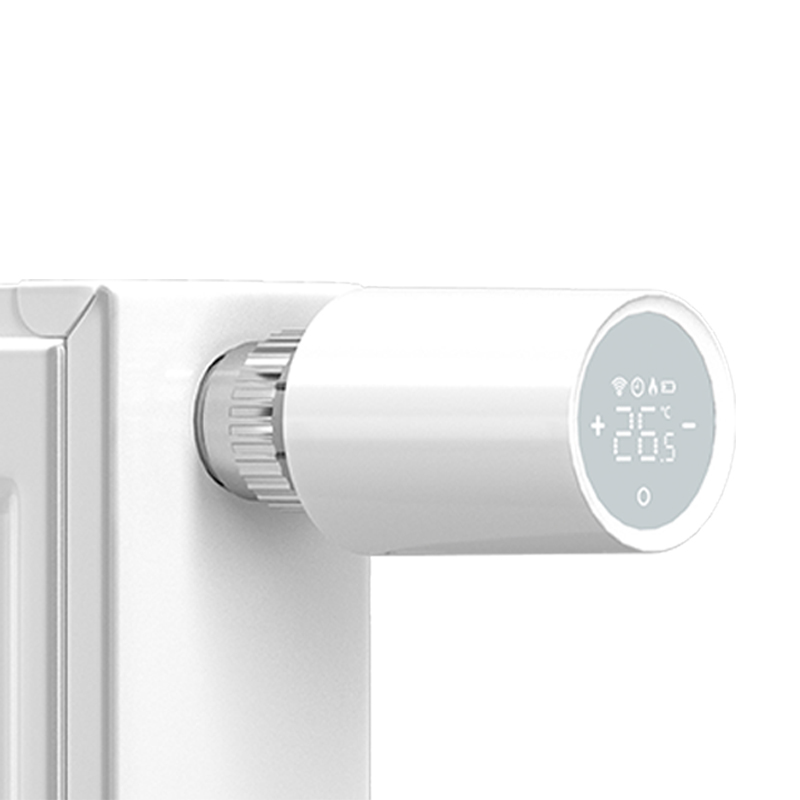
Reverse Flow Direction: The Culprit of Water Hammer Effect
One of the most common causes of noise problems in thermostatic valves is reversed flow direction. The valve core of a thermostatic valve is designed with a specific water flow direction. When the water flow direction is opposite to the arrow marked on the valve body, the water flow force conflicts with the spring force, causing the valve to repeatedly open and close, creating a water hammer effect and producing a dense noise similar to a machine gun. This noise is especially noticeable at night or when the system flow changes, seriously affecting the rest of the residents.
Case Analysis: A resident in a certain community reported that the underfloor heating system frequently emitted noise at night. Inspection revealed that this was caused by the underfloor heating manifold being installed with the flow direction reversed. The noise was not noticeable when the system was fully operational during the day, but it intensified at night when some rooms were closed, due to changes in system flow. Reinstallation completely resolved the noise problem.
Excessive Pressure Difference: A Side Effect of Pump Head
In radiator systems, when some thermostatic valves automatically close their openings to reach the set temperature, the total system flow decreases, the pump’s operating point shifts, and the head increases. At this time, the pressure difference across the still-operating thermostatic valves increases, accelerating the water flow and potentially producing a sharp “whistling” sound or vibration noise. This noise is particularly common in exposed heating systems, especially in areas with complex piping layouts and bends.
Solution: If the system head is sufficient, the pressure difference can be reduced by lowering the pump speed; alternatively, a pressure bypass valve can be installed at the inlet and outlet of the thermostatic valves to balance the system pressure and prevent noise generation.
Impurity Accumulation: The “Symphony” of Water Flow
During operation, if there are impurities such as welding slag or rust inside the pipes or radiator, these impurities may impact the valve core or body under the force of water flow, producing abnormal noise. Furthermore, impurities may accumulate inside radiators that have not been cleaned for a long time, affecting the normal operation of the thermostatic valve.
Prevention Measures: Before installing the thermostatic valve, the pipes and radiator should be thoroughly cleaned, and a filter should be installed upstream of the thermostatic valve to prevent impurities from entering the valve body. Regularly cleaning the radiator and keeping the system clean are also effective ways to reduce noise.
Improper Installation: Details Determine Success or Failure
The installation quality of the thermostatic valve directly affects its operating performance. If the standard procedures are not followed during installation, such as the temperature control handle not being set to the maximum open position or the valve body not being installed horizontally, the thermostatic valve may malfunction and produce noise. In addition, loose pipe fixing or excessive expansion and contraction can also cause noise.
Professional Advice: Choose an experienced installation team to ensure that the thermostatic valve is installed according to specifications. Before installation, check the temperature control handle settings to ensure the valve body is installed horizontally and securely. For pipes with a large expansion/contraction rate, it is recommended to use low-expansion/contraction materials such as aluminum-plastic composite pipes and secure them with pipe clamps.
The noise problem of radiator thermostatic valves is not unsolvable. Proper installation, regular maintenance, and reasonable adjustment of system parameters can effectively prevent noise generation. As a core component of the radiator system, the stable operation of the thermostatic valve not only affects living comfort but also directly impacts energy efficiency and equipment lifespan. Therefore, when selecting and using radiator thermostatic valves, users should focus on product quality and installation services to ensure long-term stable system operation, adding warmth and tranquility to winter life.