
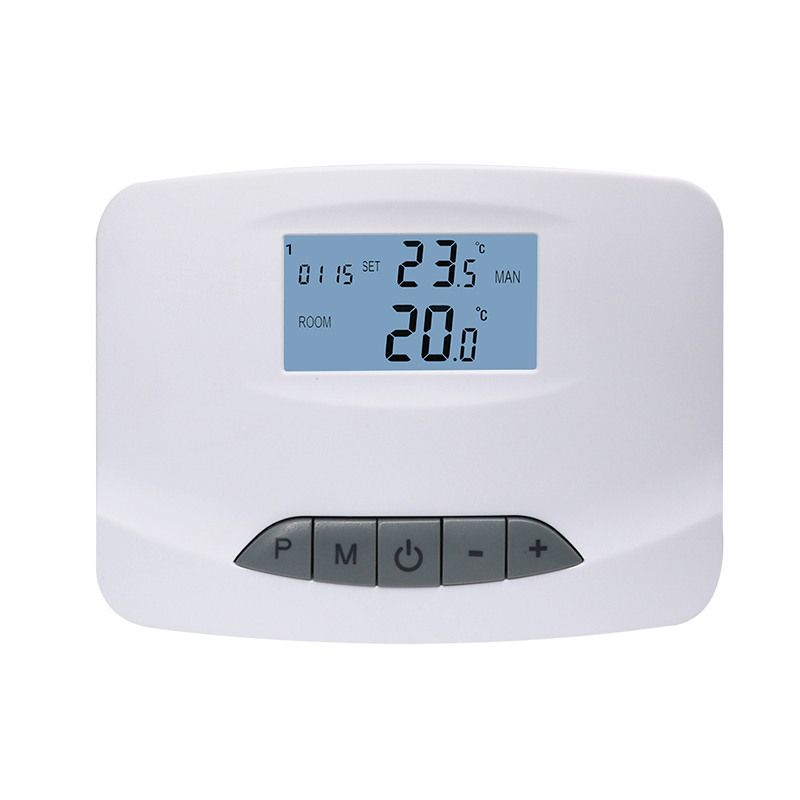
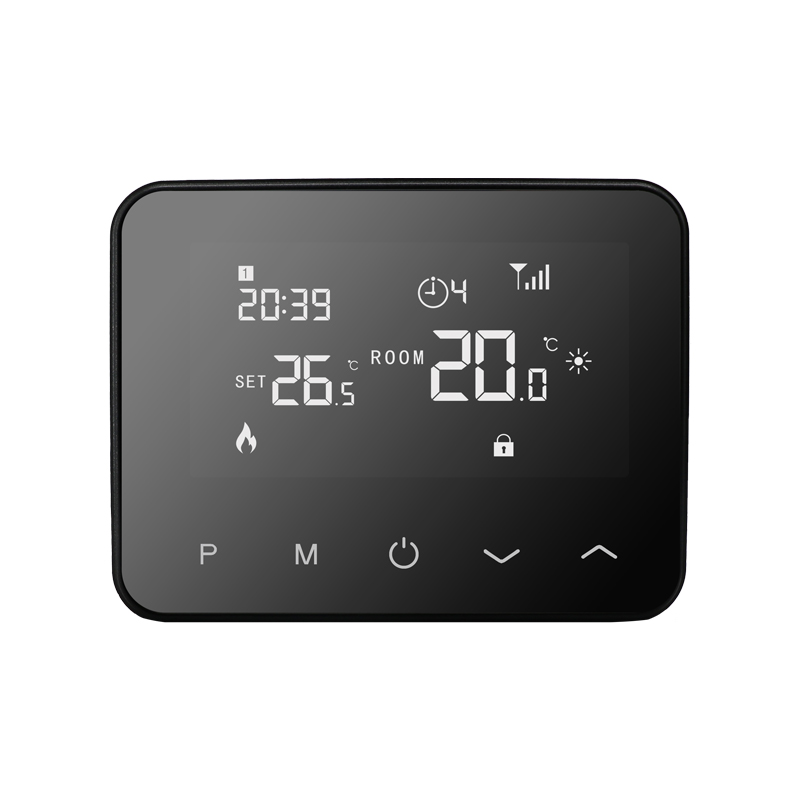
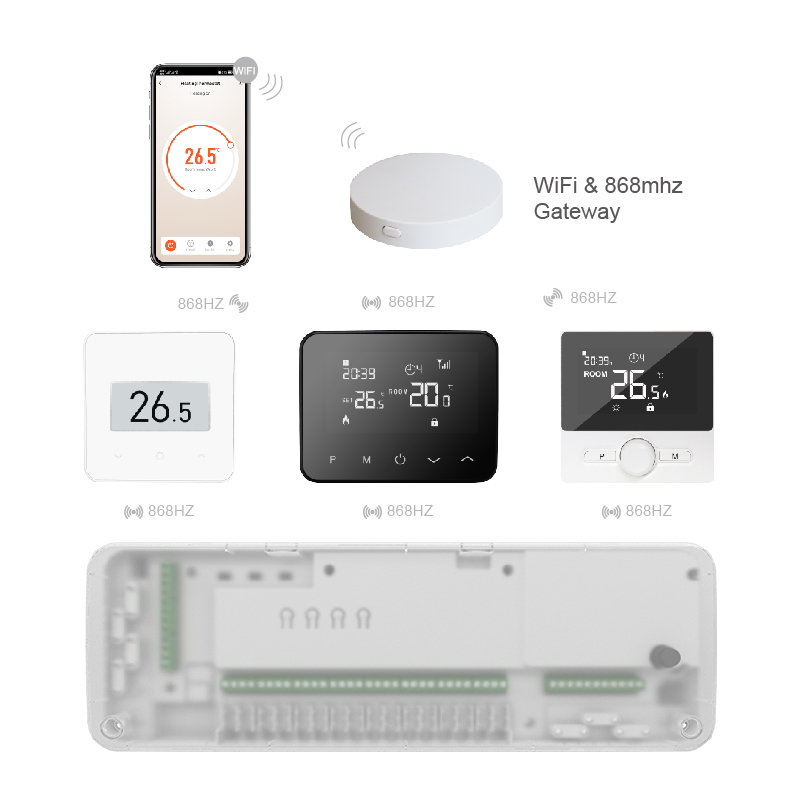
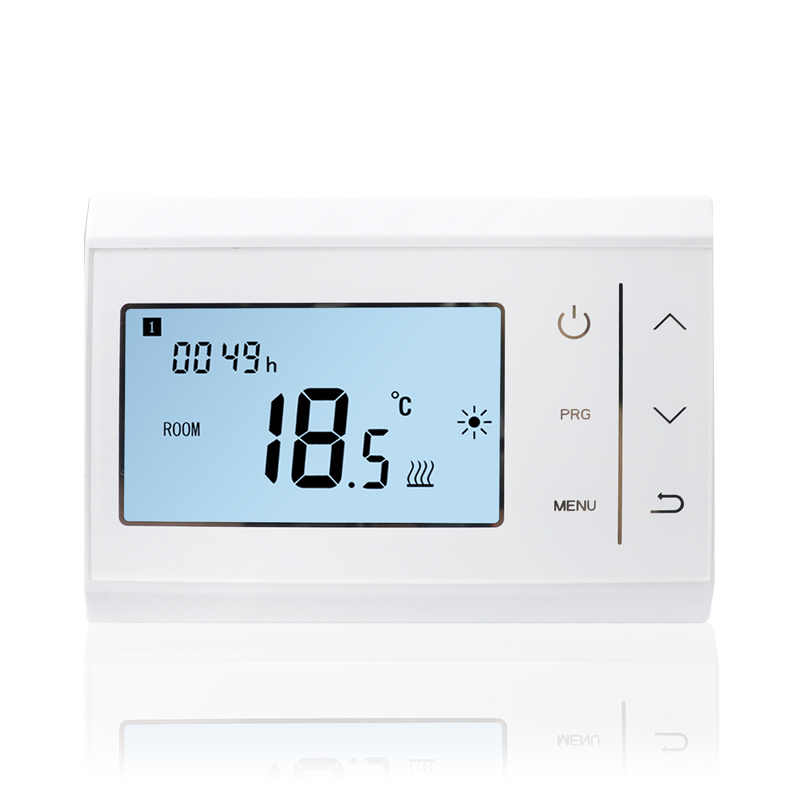
Fan coil units (FCUs) are common terminal air-conditioning devices in modern buildings, and their core controller—the fan coil unit thermostat—directly affects indoor comfort and energy efficiency. For project developers, HVAC professionals, and building facility managers, understanding the thermostat’s functions, selection criteria, and application scenarios is essential for achieving both comfort and energy savings. This article provides a comprehensive guide.
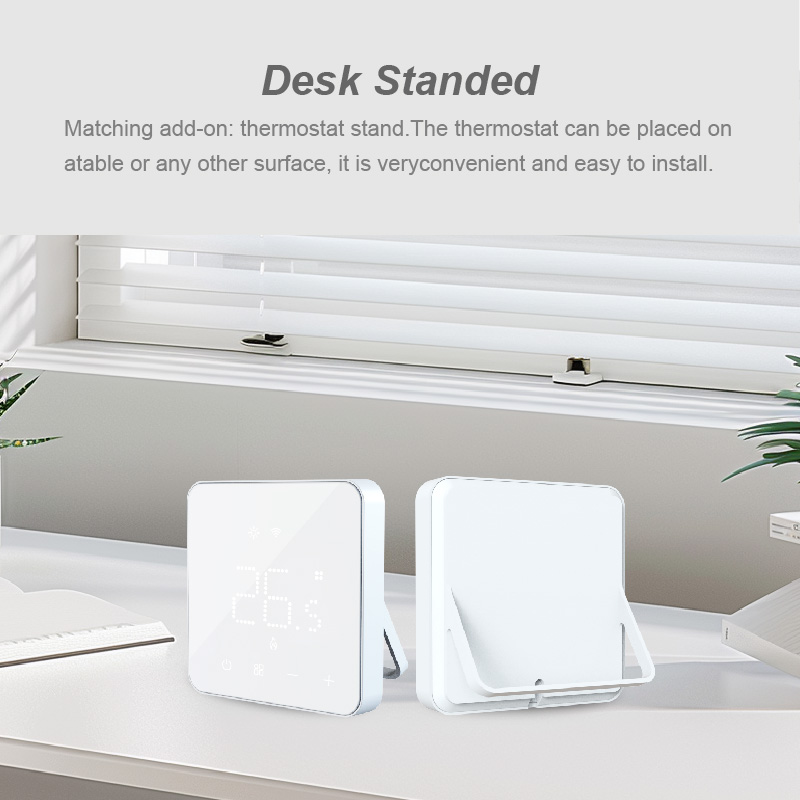
Core Functions of Fan Coil Unit Thermostats
The primary function of an FCU thermostat is to regulate indoor temperature and fan operation. Key functions include:
Temperature Control: The thermostat senses the indoor temperature and adjusts the heating or cooling valve of the FCU to maintain the room temperature within a set range.
Fan Speed Adjustment: It can control low, medium, or high fan speeds according to environmental needs, optimizing airflow and occupant comfort.
Timer and Mode Settings: Support for scheduled on/off, energy-saving modes, and automatic modes helps improve operational efficiency.
Energy Monitoring: Advanced thermostats can record operational data, providing valuable insights for building energy management.
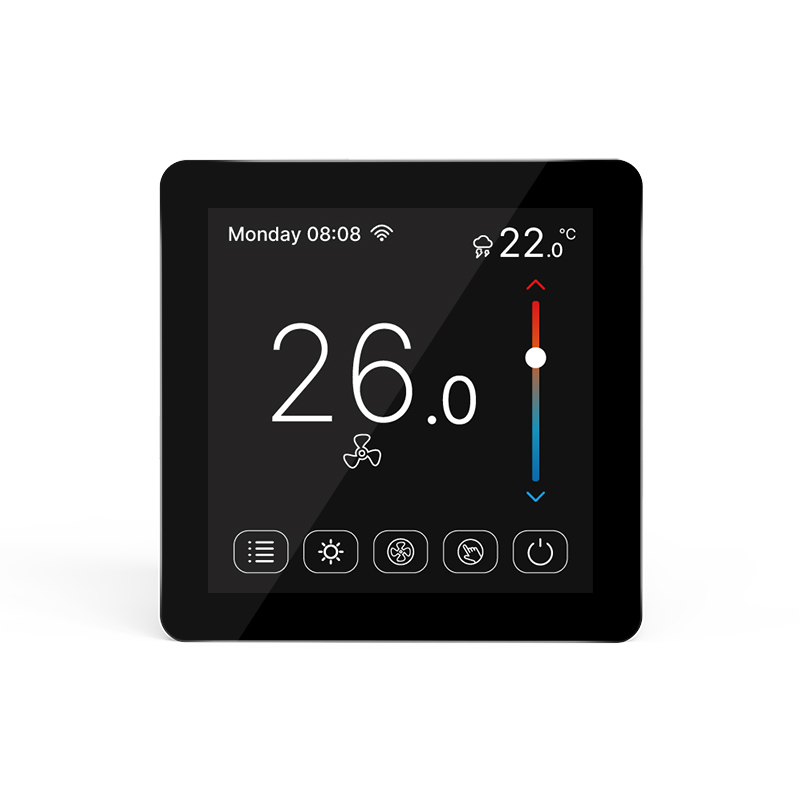
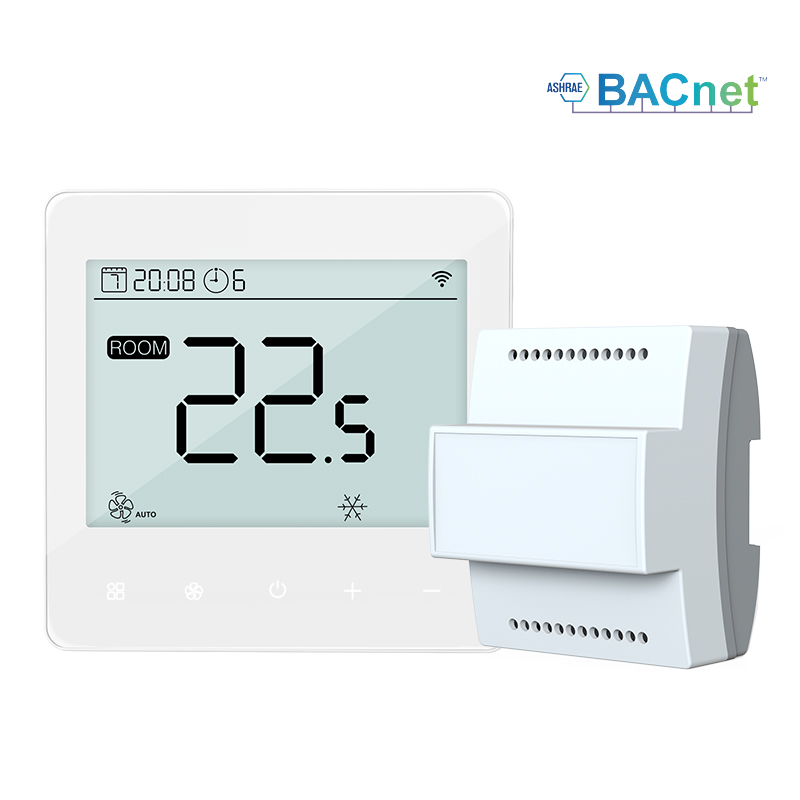
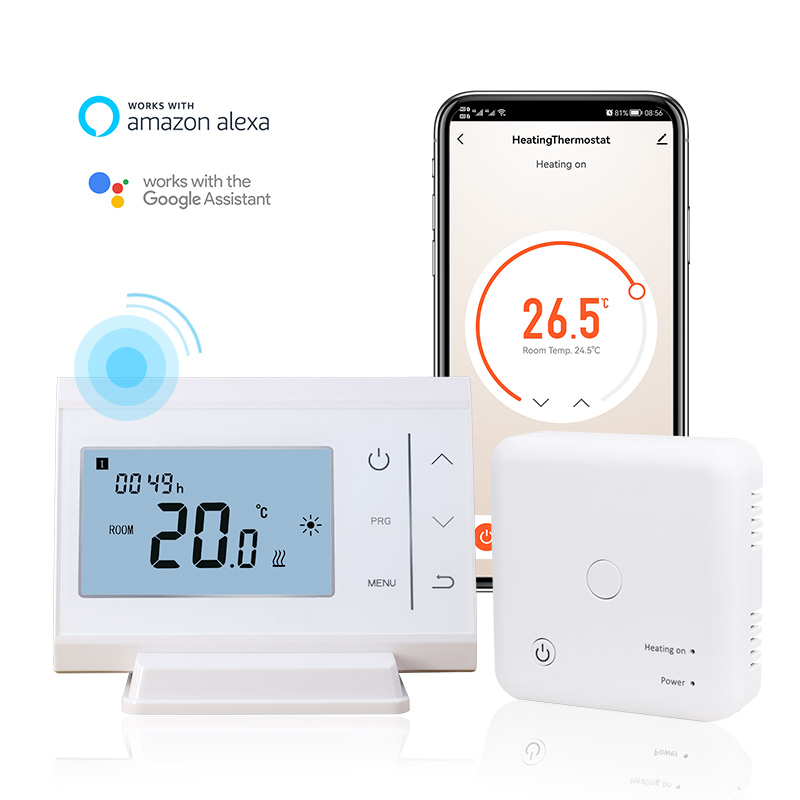
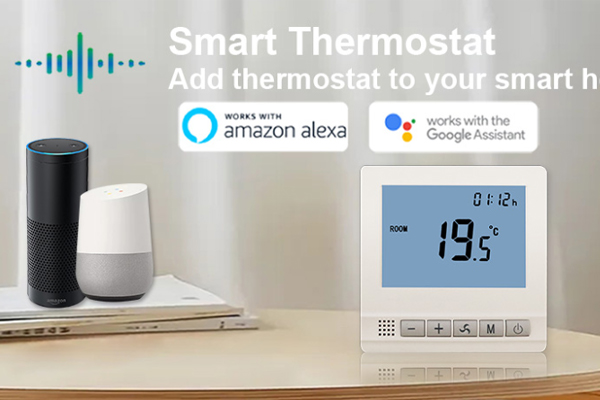
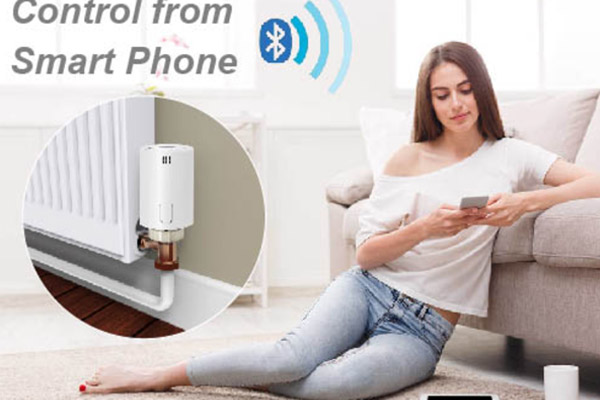
High-end models also support touchscreen operation, mobile app control, and integration with building automation systems (BAS), enabling more intelligent management.
Key Considerations for Thermostat Selection
When selecting an FCU thermostat, consider the following aspects:
Control Type: Choose between two-pipe or four-pipe systems. Two-pipe systems are suitable when heating and cooling seasons are separate, while four-pipe systems can provide simultaneous heating and cooling.
Fan Control Type: Options include three-speed control and variable-speed control. Three-speed control is cost-effective and practical, while variable-speed offers higher comfort, suitable for areas with strict environmental requirements.
Functional Expandability: Smart thermostats that connect to building automation systems allow centralized control, multi-zone management, and remote monitoring, improving operational efficiency.
Ease of Installation and Maintenance: Modular designs with standardized interfaces simplify installation and reduce long-term operational costs.
In real projects, selection should balance building type, occupancy patterns, energy control needs, and budget.
Typical Application Scenarios
FCU thermostats are suitable for commercial buildings, offices, hotels, hospitals, and high-end residential projects. Key application scenarios include:
Office Buildings: Multi-zone centralized control enhances comfort while facilitating energy management.
Hotels and Apartments: Touchscreen or mobile app control improves user experience, allowing flexible temperature adjustment according to occupancy.
Hospitals and Laboratories: High-precision temperature control ensures a stable environment, protecting equipment and sensitive processes.
Additionally, smart thermostats in green and energy-efficient buildings can optimize energy use and reduce operational costs through data collection and predictive control.
Conclusion
In summary, fan coil unit thermostats not only provide core indoor temperature control but also play a critical role in energy optimization and intelligent building management. Understanding their functions, selection principles, and application scenarios is essential for ensuring efficient system operation. Whether in commercial offices, hotels, or laboratories, selecting the right thermostat and applying it correctly can enhance comfort while achieving energy savings and sustainable building operation.