
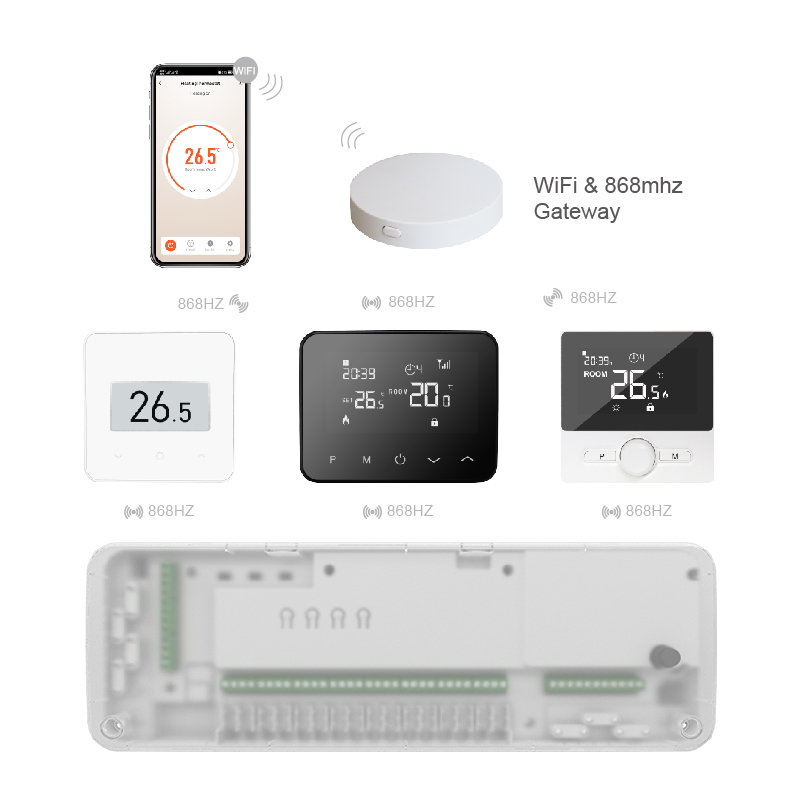
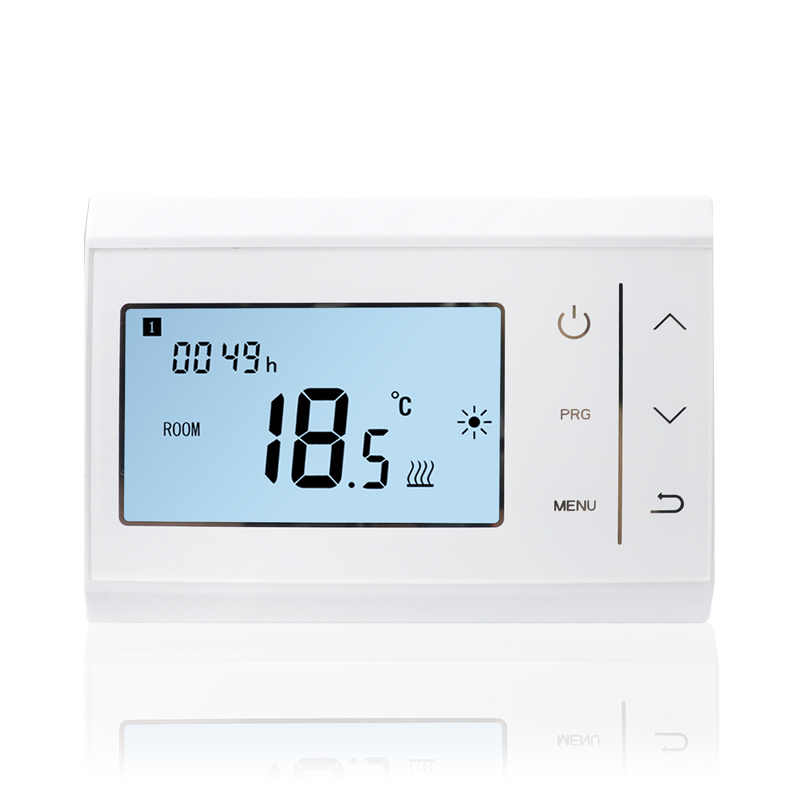
In modern buildings, air conditioning and heating systems have become crucial for improving living and user comfort. With increasing energy efficiency requirements and the diversification of equipment types, people are beginning to encounter some relatively specialized but widely used concepts, such as the “heat pump PTAC thermostat.” To the average user, this name may seem complex, but it is actually a control device closely related to daily indoor temperature regulation, widely used in hotels, apartments, hospitals, student dormitories, and other similar locations.
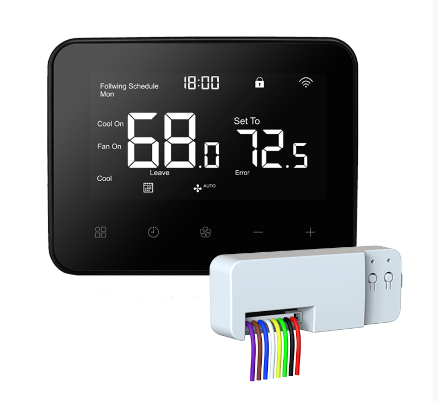
Generally speaking, a heat pump PTAC thermostat is a controller specifically designed to control the operation of a PTAC (Packaged Terminal Air Conditioner) heat pump system. It senses changes in indoor temperature and sends commands to the air conditioning system to achieve functions such as cooling, heating, and fan operation. Compared to ordinary household air conditioner thermostats, its design places greater emphasis on stability, durability, and compatibility with centralized management systems.
Basic Concepts of PTAC and Heat Pumps
PTAC is an abbreviation for “Packaged Terminal Air Conditioner,” commonly translated as a complete set of terminal air conditioning units. PTAC (Physical Temperature Coefficient of Heat) is an air conditioning unit that integrates cooling, heating, and air supply functions into a single enclosure. It is typically installed on a wall or near a window, directly serving a single room. Due to its ease of installation, independent control, and relatively simple maintenance, PTAC systems are widely used in hotels and apartments. A heat pump, on the other hand, is a system that can both cool and heat. Unlike systems that rely solely on electric heating, heat pumps achieve heating by transferring heat, resulting in higher energy efficiency and relatively lower operating costs. Adding a heat pump function to a PTAC unit allows a single unit to cool in summer and heat in winter, increasing its flexibility. When PTAC and heat pumps are used together, a control core capable of accurately distinguishing operating modes, controlling temperature, and managing equipment status is needed; this is the basis for the existence of heat pump PTAC thermostats.
Definition and Function of Heat Pump PTAC Thermostats
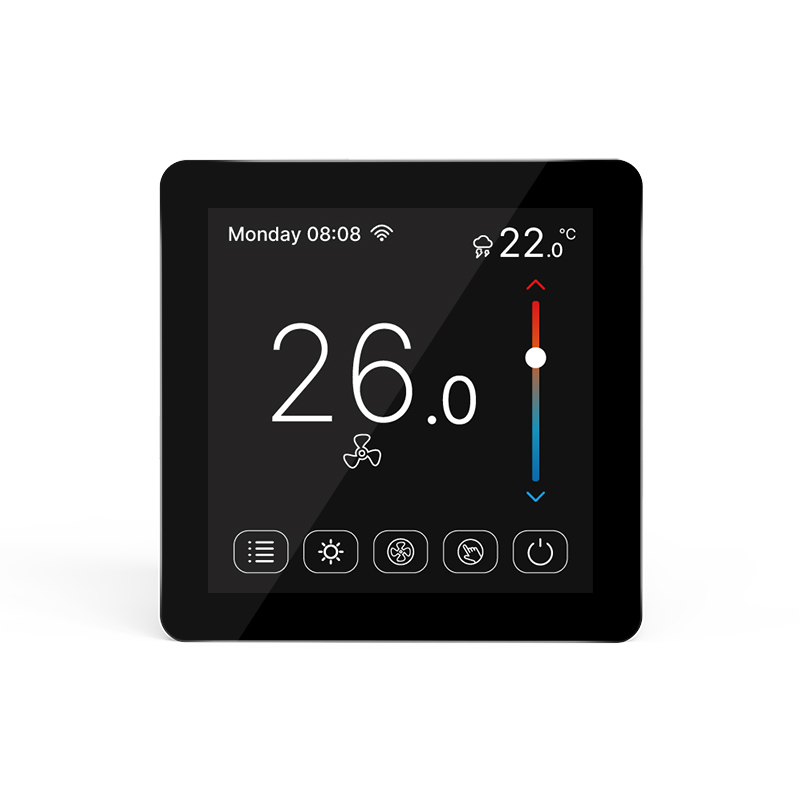
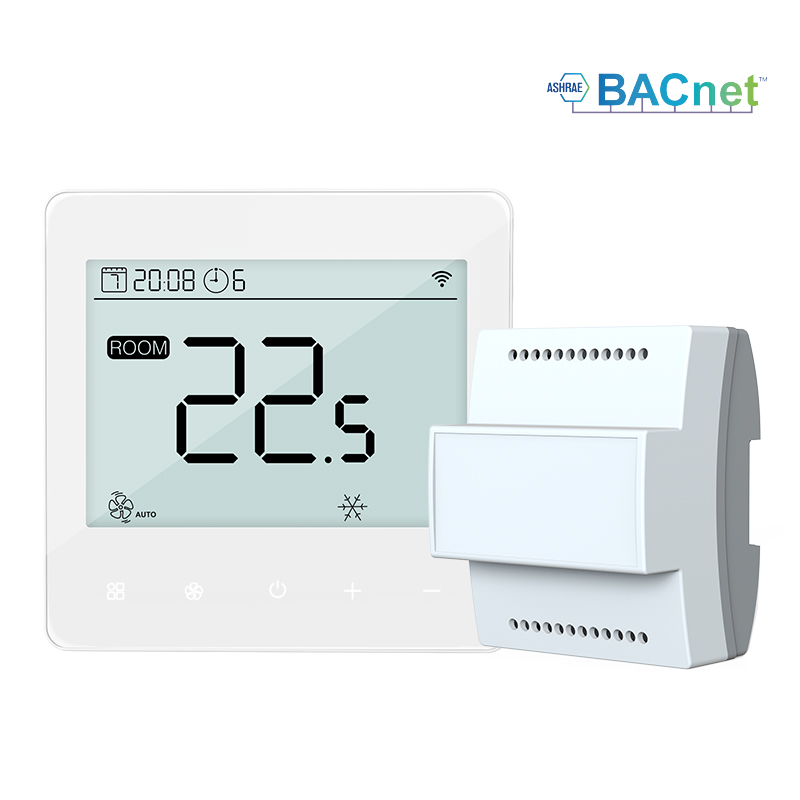
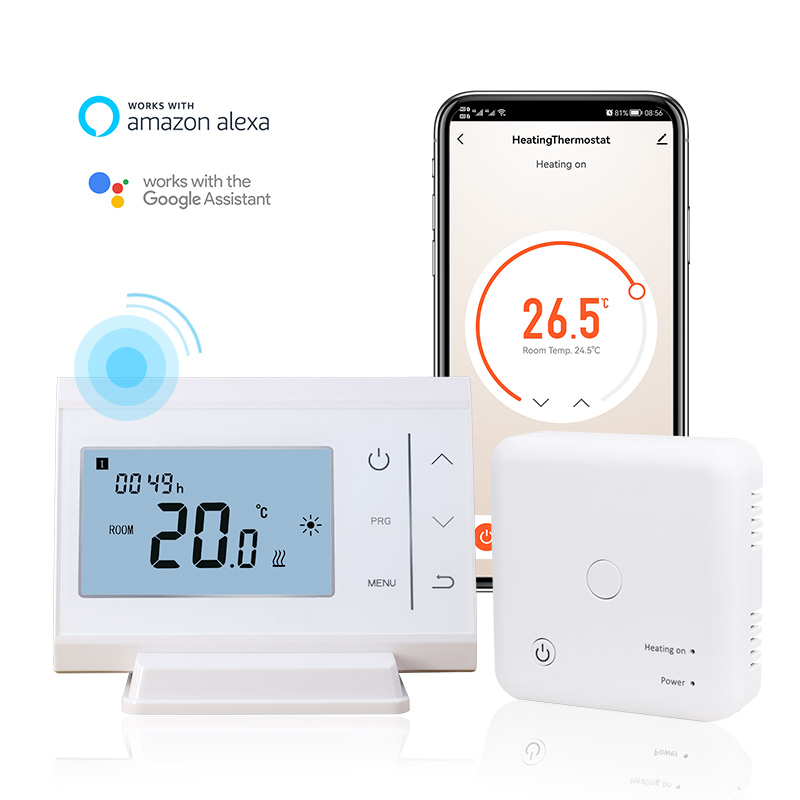
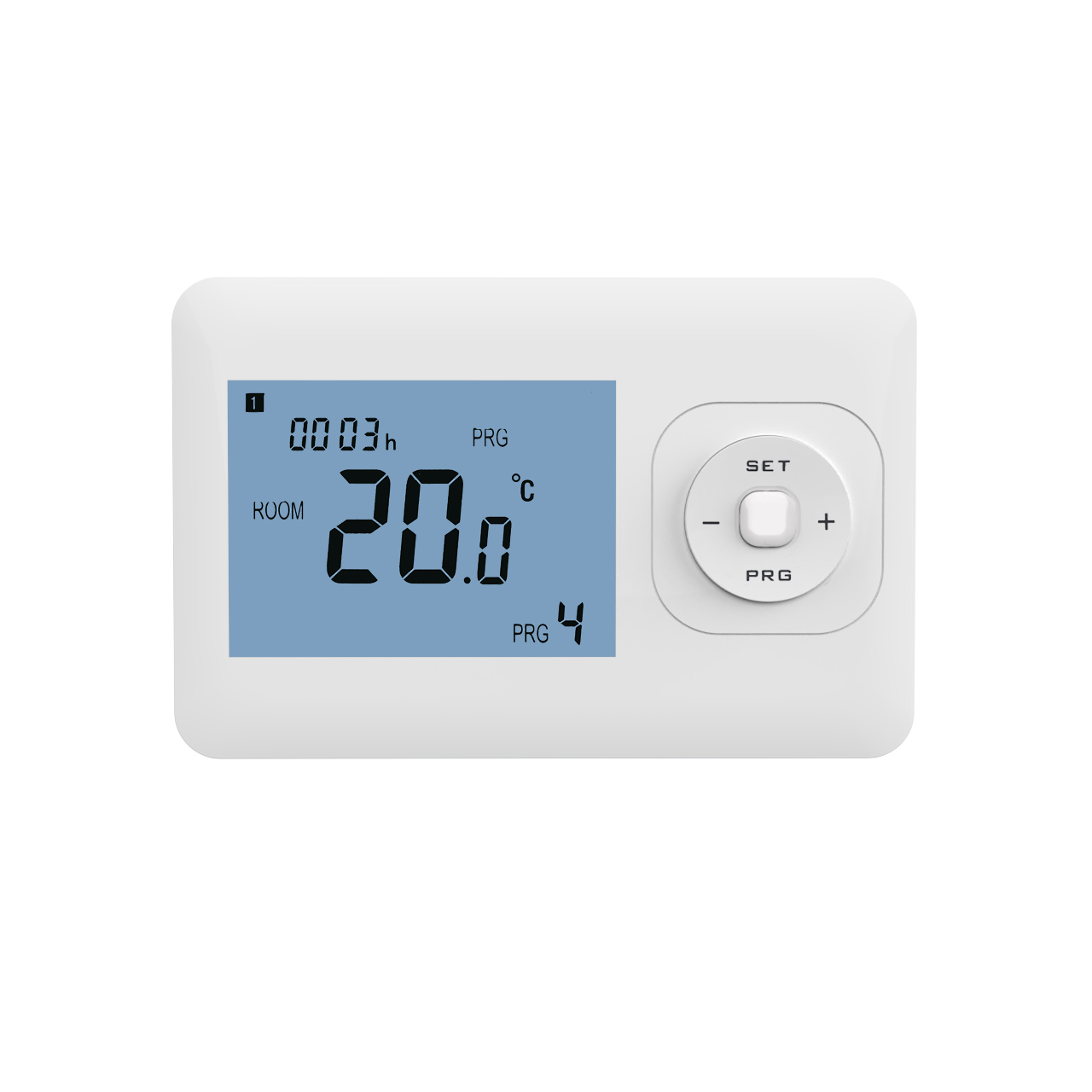
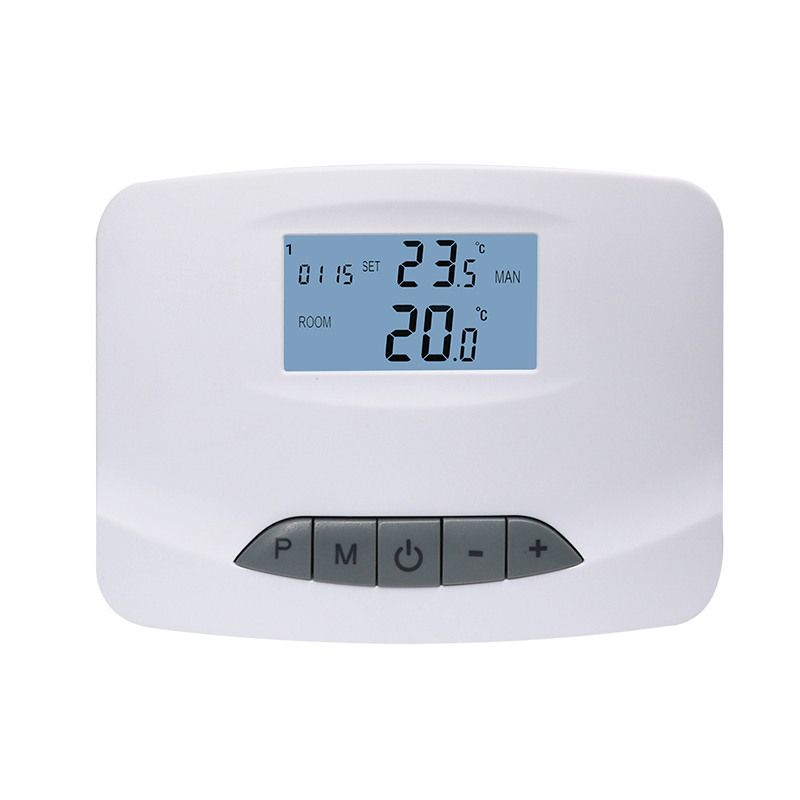
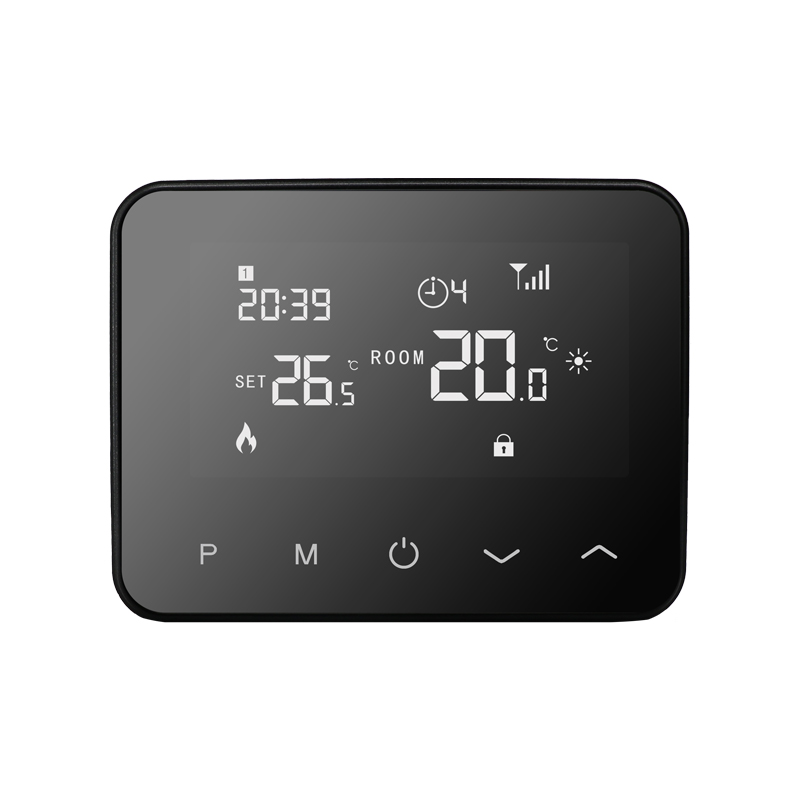
A heat pump PTAC thermostat is a temperature controller specifically designed to control PTAC air conditioning units with heat pump functionality. It is usually installed on an indoor wall, resembling a standard temperature control panel. Users can set the desired temperature and operating mode using buttons or knobs. Its core functions are mainly reflected in three aspects. First, temperature sensing: it detects the indoor air temperature in real time through built-in or external temperature sensors. Second, logical judgment: when the detected temperature deviates from the set temperature, the thermostat determines whether to activate cooling or heating based on its program. Third, command output: it sends control signals to the PTAC equipment, directing the compressor, fan, and related components to start or stop. The heat pump PTAC thermostat is like the “brain” of the entire system; without it, the equipment cannot operate stably and accurately according to user needs.
Main Functional Features
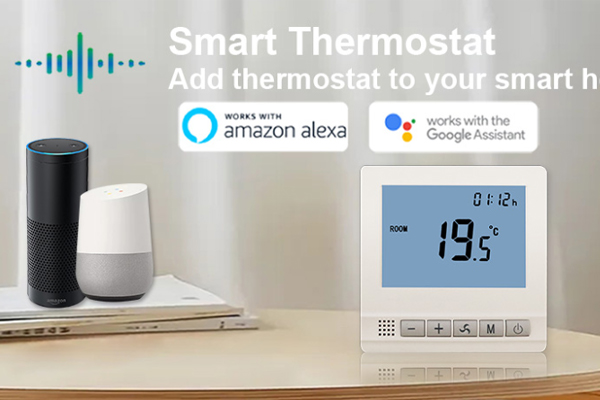
Heat pump PTAC thermostats typically possess a variety of basic and practical functions. The most basic is the temperature setting function, allowing users to set a target temperature, and the system automatically maintains the indoor temperature within that range. Secondly, there is a mode selection function, generally including cooling, heating, fan, and off modes; some models also support an automatic mode. In addition, these thermostats often have anti-misoperation and energy-saving control functions. For example, in a hotel environment, the thermostat may be set with upper and lower temperature limits to prevent users from setting the temperature too high or too low, thereby reducing energy consumption and equipment load. Some heat pump PTAC thermostats also support integration with room key systems or centralized management systems, automatically entering energy-saving mode when the room is unoccupied. In terms of structural design, they are generally more durable, with buttons and casings suitable for long-term, high-frequency use, and internal circuitry that is more stable, capable of meeting the continuous operation requirements of commercial environments.
Application Scenarios and Significance
The application scenarios for heat pump PTAC thermostats are very clear, mainly concentrated in places requiring independent room control but also unified management. For example, in hotel rooms, each room needs individual temperature adjustment, while management wants to control energy consumption and operating status; in this case, heat pump PTAC thermostats play an important role. In apartments and dormitories, it allows residents to adjust their comfort level without affecting the use of other rooms. In hospitals and office spaces, this type of thermostat also helps maintain a relatively stable indoor environment, improving the overall user experience. From a usage perspective, it not only improves comfort but also plays a key role in energy saving, management, and equipment protection.
A heat pump PTAC thermostat is a temperature control device with a relatively simple structure but a very important function. Based on a PTAC air conditioning system and incorporating the cooling and heating capabilities of a heat pump, it effectively regulates the indoor environment through precise temperature sensing and control principles. Functionally, it handles core tasks such as temperature setting, operating mode switching, and equipment control. From an application perspective, it is widely used in hotels, apartments, hospitals, and other venues, meeting the needs of both independent control and unified management. Although small in size and inconspicuous in location, the thermostat plays a crucial role in actual operation. It is through it that user needs can be accurately conveyed, and equipment operation can remain stable and orderly, thus achieving a balance between comfort and efficiency.