
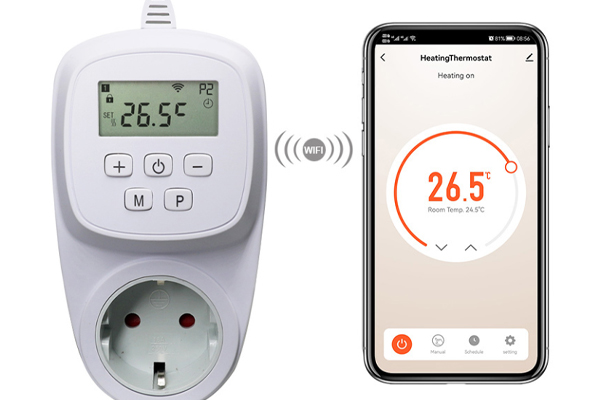
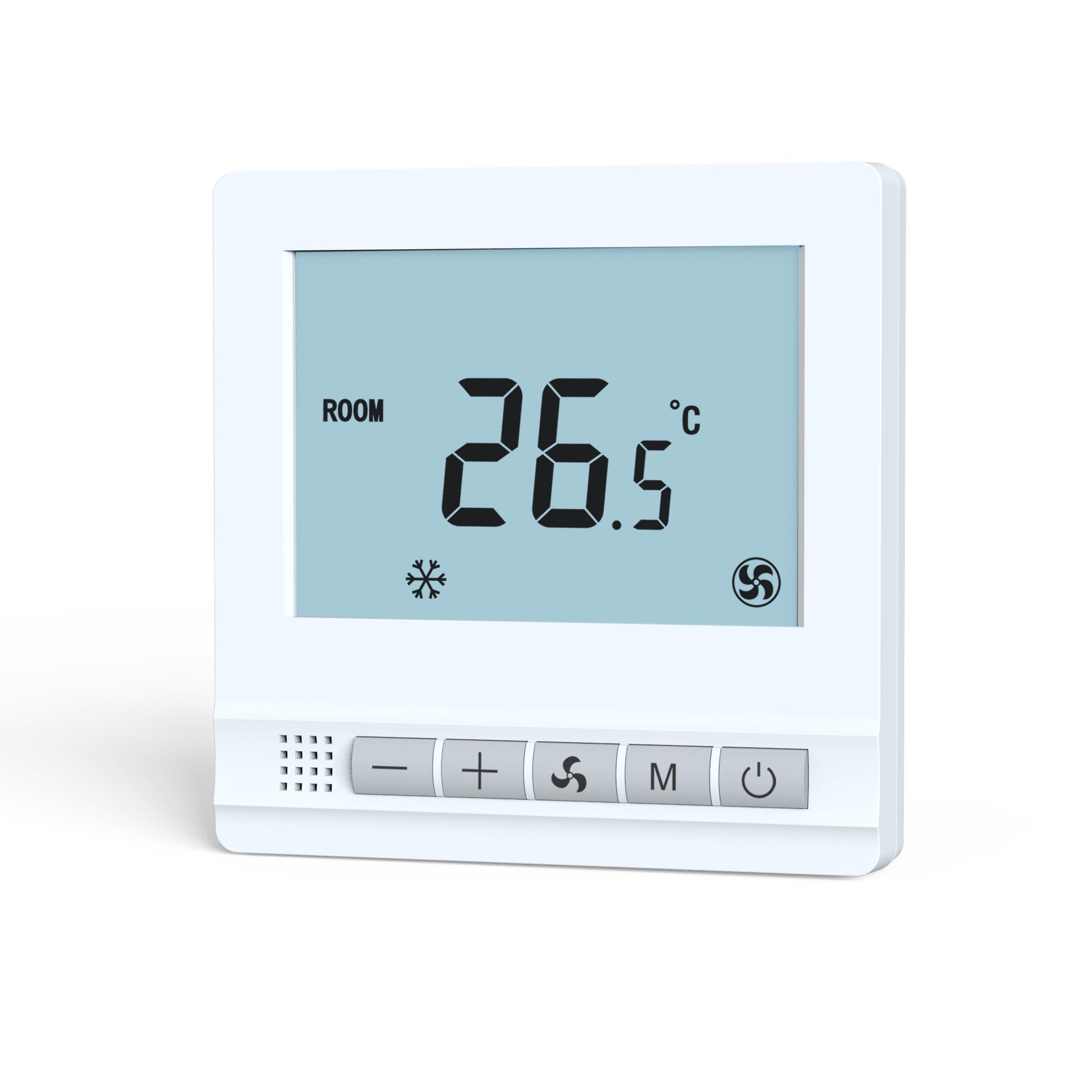
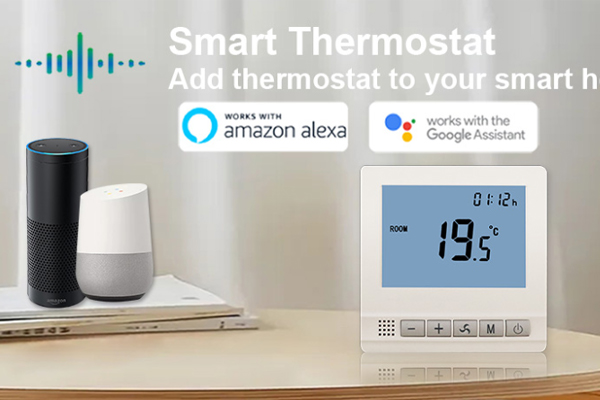

As heating and cooling devices become increasingly smart, plug-in thermostats have gained popularity due to their simple installation and affordability. Among their features, temperature control accuracy is one of the most critical factors affecting user comfort and energy efficiency. How precise are plug-in thermostats in real-world use, and can they meet everyday needs? This article explores their working principles, key influencing factors, and practical performance.
How Plug-In Thermostats Work
Plug-in thermostats typically use built-in temperature sensors to monitor ambient conditions in real time. They control the power supply to connected devices such as space heaters or electric coolers based on the user-set target temperature. When the room temperature drops below the set point, the thermostat powers the device on; once the temperature reaches or exceeds the target, it cuts off power.
This on/off control is the primary mode of plug-in thermostats. Compared to centralized HVAC systems or wall-mounted smart thermostats, their logic is simpler, but the response time to temperature changes is generally fast enough for small spaces.
Typical Temperature Control Accuracy
Most mainstream plug-in thermostats offer a temperature control accuracy of approximately ±0.5°C to ±1°C. For household heating or small area temperature regulation, this level of precision is generally sufficient to maintain comfort.
Higher-end models may use more sensitive sensors and optimized control algorithms to minimize frequent switching, resulting in more stable temperature performance. However, the specified accuracy may not always perfectly match the actual experience, as environmental factors also play a role.
Factors Affecting Temperature Accuracy
Temperature control accuracy is influenced not only by the device itself but also by its environment. The placement of the thermostat affects the measured temperature. Positioning it near heat sources, air vents, or direct sunlight can lead to readings that do not represent the overall room temperature.
The controlled device’s characteristics also impact performance. For example, high-power heaters can raise room temperature quickly, causing short-term fluctuations around the set point, which may make the space feel less stable.
Accuracy and Comfort
In practice, extremely high temperature precision is not always necessary. Most people cannot detect changes of 0.5°C in daily life. The stability of the control system and the logic of switching on/off often have a greater effect on comfort.
Thermostats that frequently switch on and off around the set temperature can reduce device lifespan and affect comfort. Devices with reasonable hysteresis or delay mechanisms tend to deliver a smoother experience even if their nominal accuracy is not the highest.
Comparison With Other Thermostat Types
Compared with thermostats integrated into HVAC systems or boilers, plug-in models are less precise in terms of system-wide control. Their advantage lies in flexibility—they can be used anywhere without modification to existing equipment, making them ideal for rented homes or localized heating.
For a single room or targeted space, properly placed plug-in thermostats can achieve a temperature control accuracy that is sufficient for everyday use.
Tips for Maximizing Temperature Control
To get the best performance from a plug-in thermostat, placement and setup are crucial. Install the thermostat in an area with good air circulation and away from direct heat sources to ensure accurate readings. Set target temperatures according to room size and device power to reduce fluctuations.
Regularly check the thermostat and connections to avoid loose contacts or aging plugs, which can help maintain stable temperature control.
Conclusion
Overall, plug-in thermostats provide reliable temperature control for household heating and localized cooling. While their on/off control is simpler than integrated HVAC systems, proper use and placement can deliver stable and comfortable temperatures. For users seeking a cost-effective and flexible solution, plug-in thermostats remain a practical choice for everyday temperature management.