A 2-in-1 fan coil and floor heating heat pump system represents a modern approach to residential and commercial HVAC design, combining underfloor heating comfort with conventional fan coil unit (FCU) versatility. By integrating two distinct distribution methods into a single heat pump platform, these systems deliver high efficiency, precise temperature control, and improved occupant comfort with lower operating costs. They are becoming especially popular in energy-conscious homes, renovations, and mixed-use buildings where flexibility, efficiency, and zoned comfort are priority concerns.
What Is a 2-in-1 Fan Coil & Floor Heating Heat Pump System?
A 2-in-1 fan coil and floor heating heat pump system uses a single outdoor heat pump unit to simultaneously serve:
- Fan Coil Units (FCUs) – indoor units that distribute heated or cooled air via forced convection, providing rapid temperature adjustment.
- Hydronic Floor Heating – underfloor pipe circuits that deliver radiant heat through water warmed by the same heat pump.
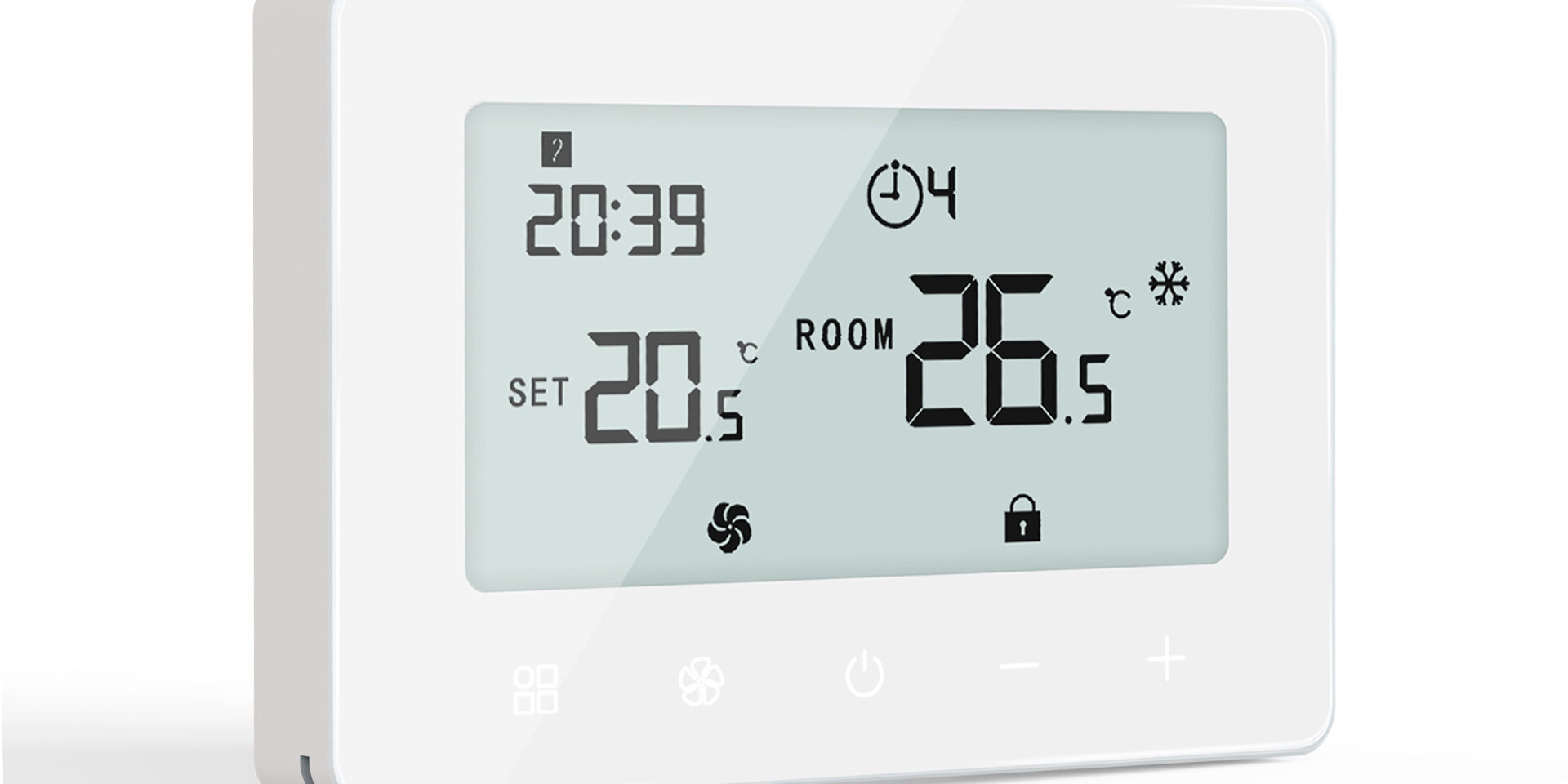
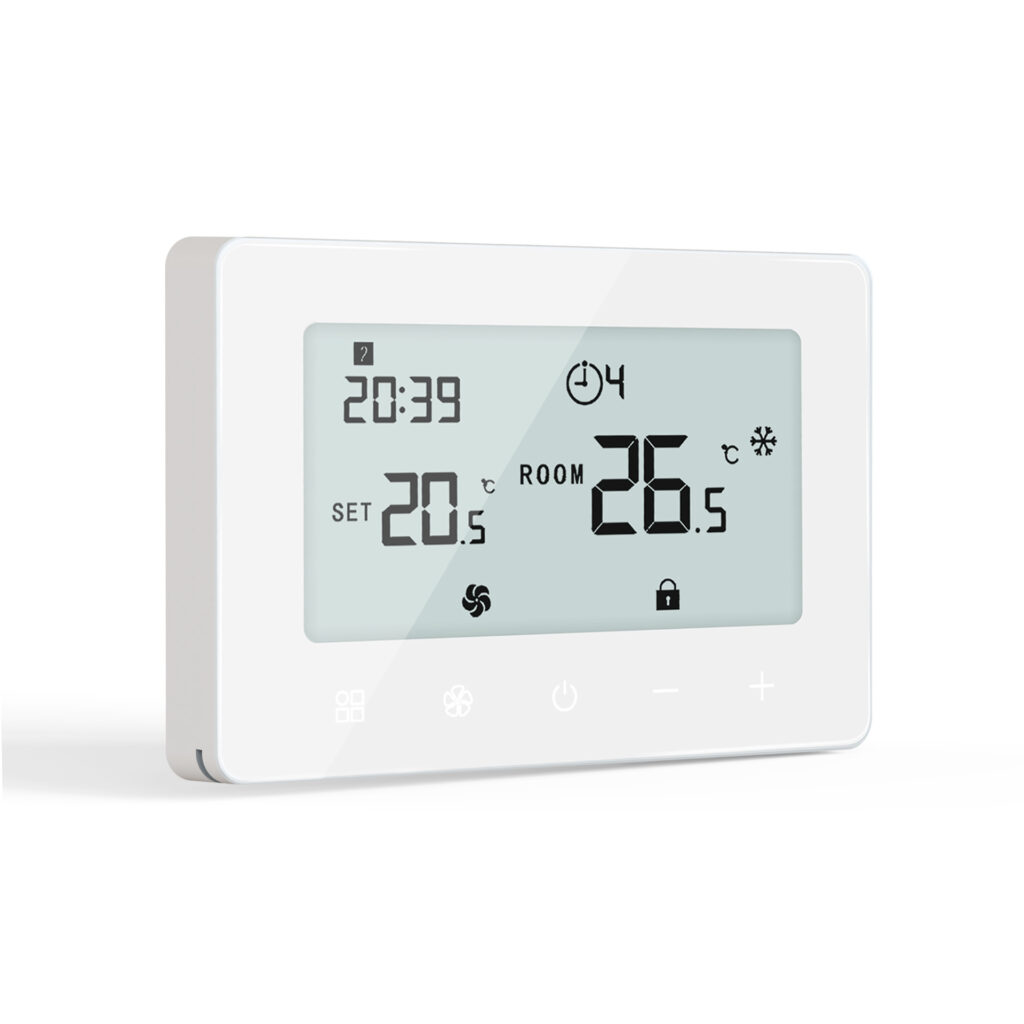
Rather than installing separate HVAC subsystems, a single heat pump supplies temperature-controlled water to both fan coils and floor loops. Control valves and thermostats regulate flow to each zone, allowing users to tailor comfort in different rooms or areas independently.
Core Components of the System
The system typically includes:
- Outdoor Heat Pump – extracts or rejects heat from the environment using refrigerant cycles.
- Indoor Fan Coil Units – blow air over a water-to-air coil for quick heating or cooling.
- Hydronic Floor Pipe Network – embedded in floor slabs or screed to provide low-temperature radiant warmth.
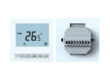
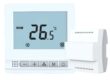
- Control Valves and Zone Thermostats – manage distribution and temperature for each zone or area.
- Circulation Pumps and Manifold – ensure balanced flow between fan coils and floor circuits.
By leveraging one heat pump as the “engine” for both terminal types, installation, maintenance, and energy use can be streamlined.
How It Works
In heating mode, the heat pump absorbs heat from the outdoor air and transfers it to water. This heated water is routed through:
- Fan Coil Units – where warm water releases heat into indoor air rapidly via a blower fan.
- Floor Heating Loops – where warm water flows through a network of pipes beneath the floor surface, providing gentle radiant heat.
In cooling mode, the process reverses. The heat pump extracts heat from indoor water and rejects it outdoors. Water to fan coil units carries chilled water for air cooling. Floor circuits may be used for radiant cooling where appropriate (with careful condensation management).
Key Advantages of 2-in-1 Heat Pump Systems
One of the core benefits is system efficiency. Because the same outdoor unit serves both fan coils and hydronic floor loops, installation can harness shared piping, compressors, and control logic. Compared with separate heating and cooling systems, a 2-in-1 configuration can reduce:
- Equipment redundancy
- Electrical loads
- Installation and commissioning costs
Fan coils operate effectively at moderate temperatures, while floor heating is optimized for lower temperatures, creating opportunities for the heat pump to operate closer to its ideal coefficient of performance (COP).
Comfort Flexibility
Different areas of a building often have different comfort needs. The hybrid system allows:
- Rapid temperature changes in living rooms and bedrooms via fan coils
- Gentle, uniform warmth through radiant floor heating in bathrooms, kitchens, or open spaces
- Zoned control to tailor comfort individually
Radiant floor heating is especially favored for its even heat distribution and absence of drafts, whereas fan coil units provide fast response and cooling capability in summer.
Lower Operating Cost
By reducing the need for separate boilers, electric heaters, or standalone AC units, 2-in-1 systems often show lower lifetime operating costs. High performance heat pumps can achieve high COPs, meaning more heating or cooling per unit of electricity consumed.
Integrated systems also reduce peak electricity demand by optimizing how different zones are served based on usage patterns and thermostatic control.
Simplified Installation and Maintenance
Installing one integrated system rather than multiple independent HVAC systems simplifies:
- Piping and wiring layout
- Equipment footprint (less space required)
- Annual maintenance scope
Technicians can service the heat pump as the central unit, with fewer disparate parts to diagnose and repair.
Application Scenarios
A 2-in-1 system is suitable for:
- New Residential Construction – Where efficient heating and cooling are desired without compromising design aesthetics.
- Renovations & Retrofits – Replacing outdated systems with a unified, energy-efficient solution.
- Mixed-Use Buildings – Where different units or rooms require varied HVAC behavior.
- Holiday Homes & Second Properties – Where energy-efficient, low-maintenance comfort is valued.
Installation and Best Practices
To achieve optimal performance:
- Ensure proper sizing of the heat pump relative to heating/cooling load.
- Use zoning thermostats to avoid simultaneous overconditioning of unused zones.
- Balance floor heating and fan coil demand based on room use and exposure.
- Conduct hydronic balancing to ensure proper flow distribution to floor circuits and coils.
Professional design and commissioning help prevent inefficiencies caused by improper piping or control logic.
A 2-in-1 fan coil and floor heating heat pump system offers significant advantages for modern HVAC applications, especially in energy efficiency, comfort flexibility, and reduced operating costs. By unifying two distribution methods under a single, efficient heat pump platform, it meets the needs of residential and commercial spaces seeking reliable, comfortable, and cost-effective heating and cooling. With proper installation and usage, this hybrid solution represents a smart approach to HVAC system design, delivering consistent comfort and measurable energy savings.