
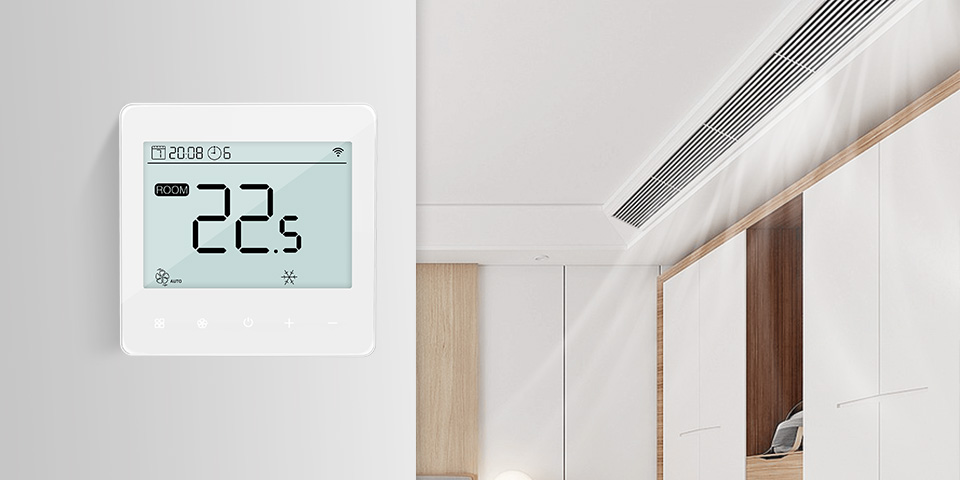
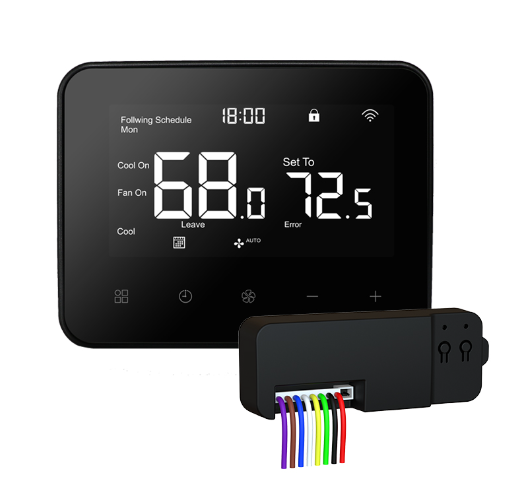
With increasingly stringent building energy efficiency standards, traditional single-function HVAC systems can no longer simultaneously meet the demands for comfort, energy efficiency, and flexibility. 2-in-1 HVAC systems integrate fan coil units and underfloor heating heat pumps into a single platform, achieving highly efficient synergistic operation of cooling and heating. This system form not only optimizes energy utilization but also provides more flexible solutions for different building scenarios, making it an important choice in modern residential and commercial projects.
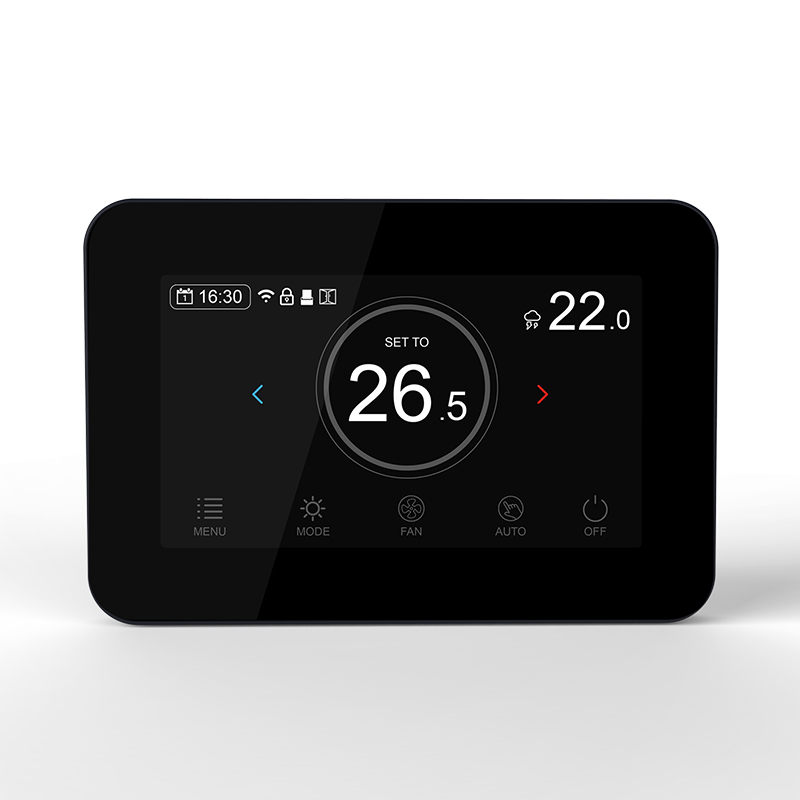
What is a 2-in-1 HVAC System?
A 2-in-1 HVAC system typically refers to a single heat pump unit providing cooling and heating energy to two types of terminal devices: a fan coil system and a water-based underfloor heating system. Both terminals operate through a unified water system and control logic, distributing energy according to different spatial needs. The fan coil units emphasize rapid response and cooling capacity, while the underfloor heating system emphasizes a uniform and comfortable radiant heating experience; the two complement each other within the same system.
System Operation Logic and Structural Characteristics
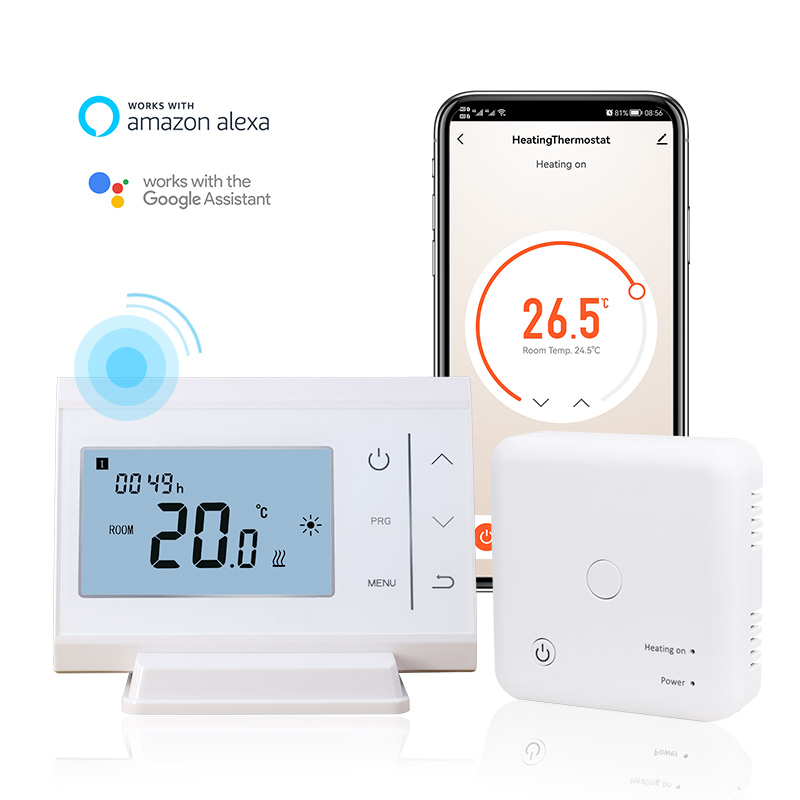
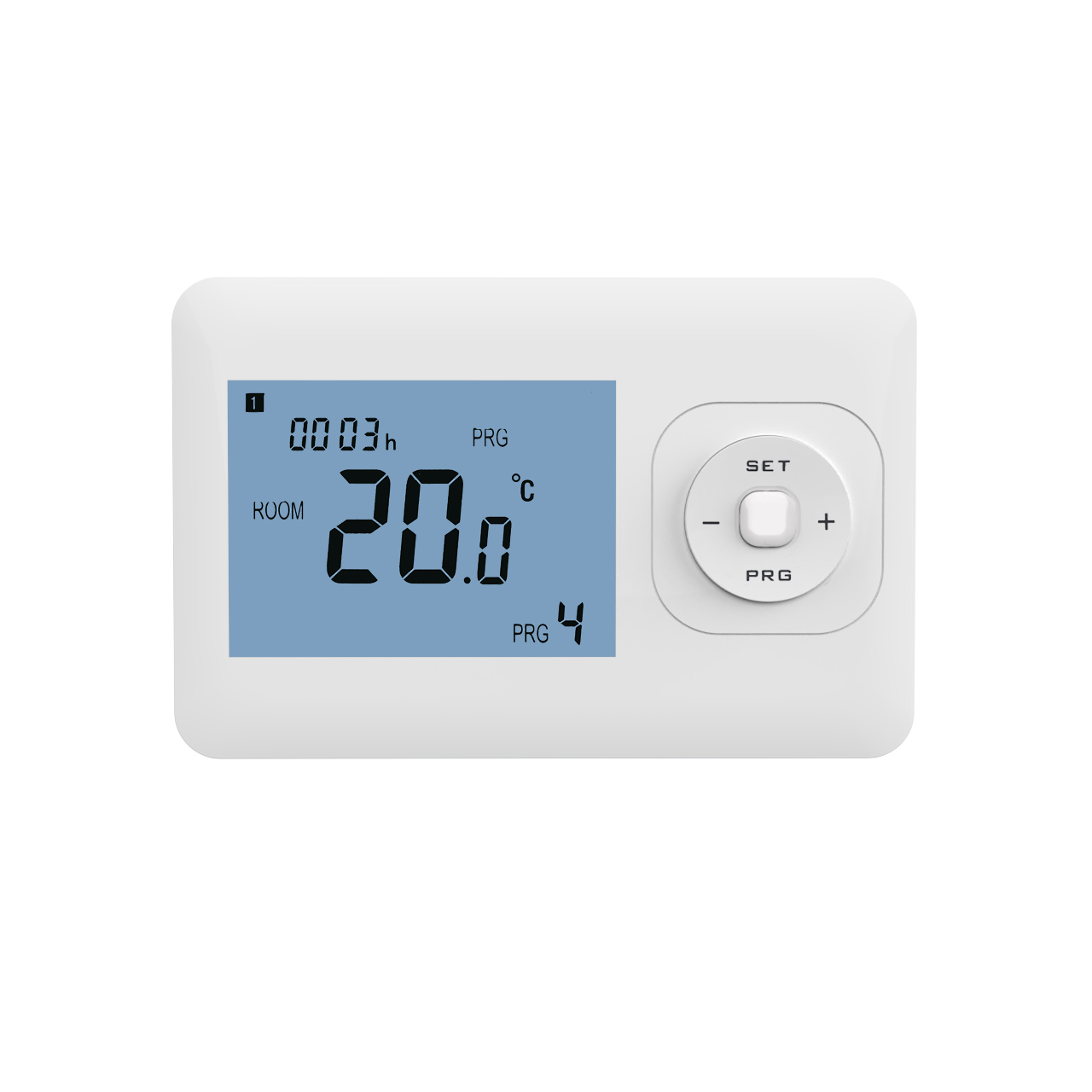
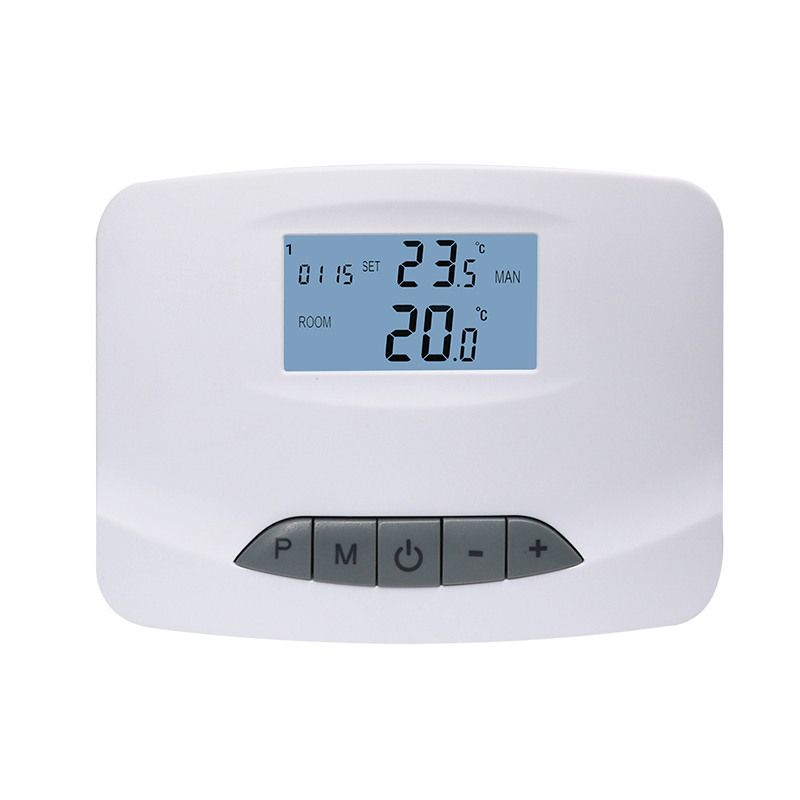
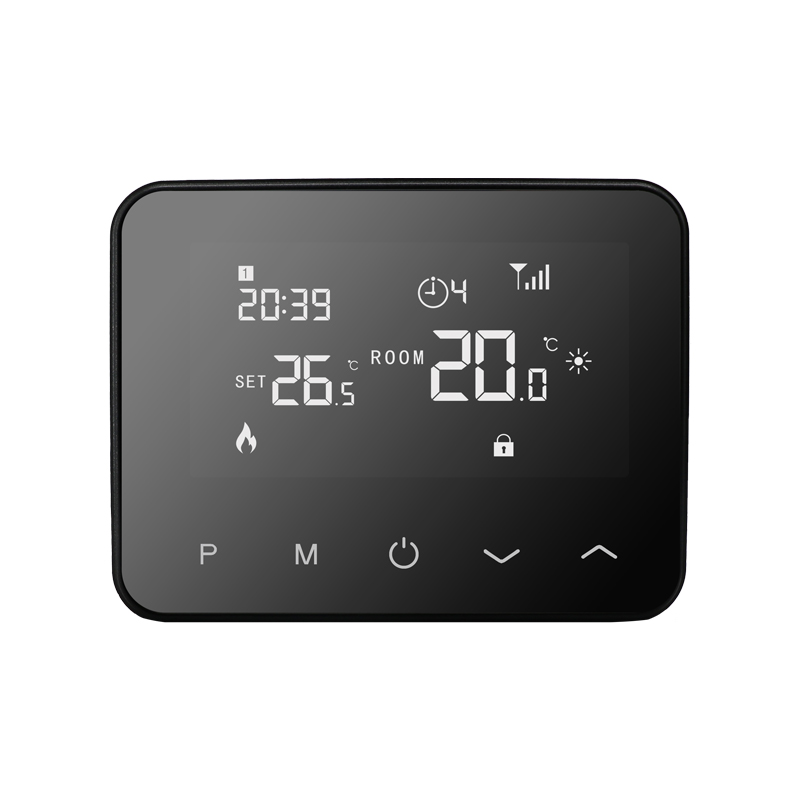
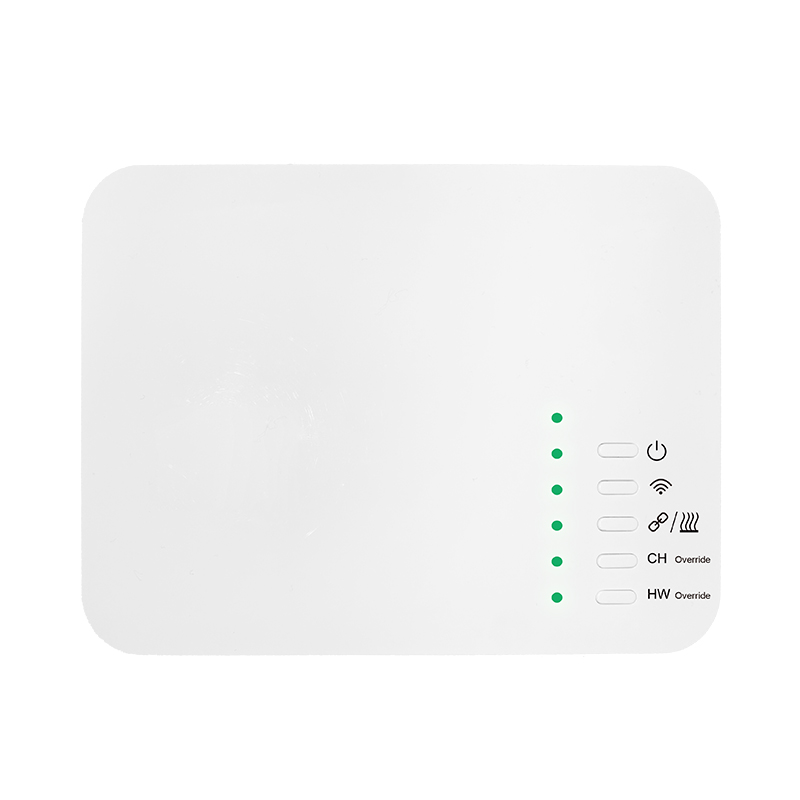
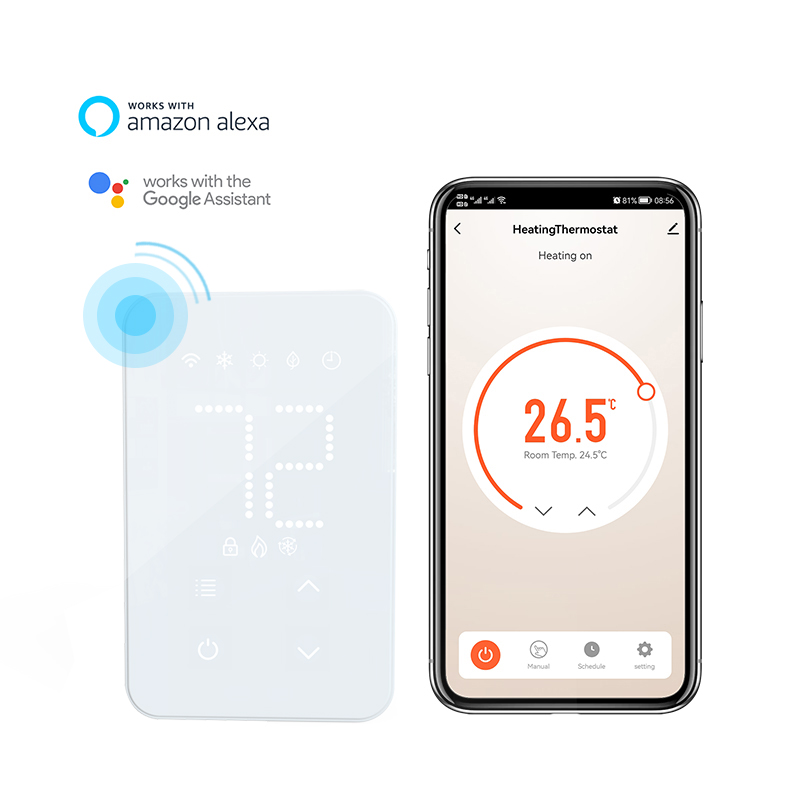
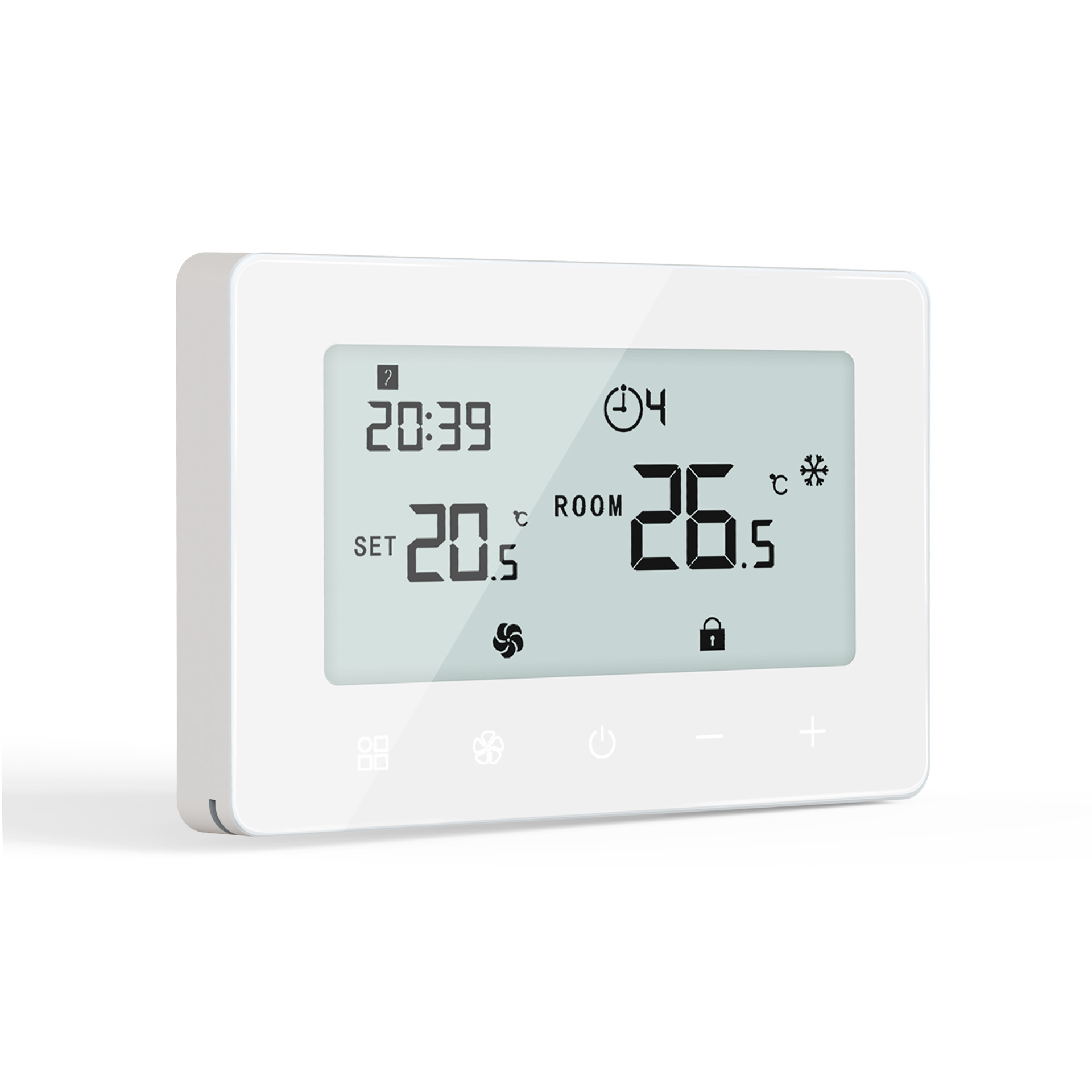
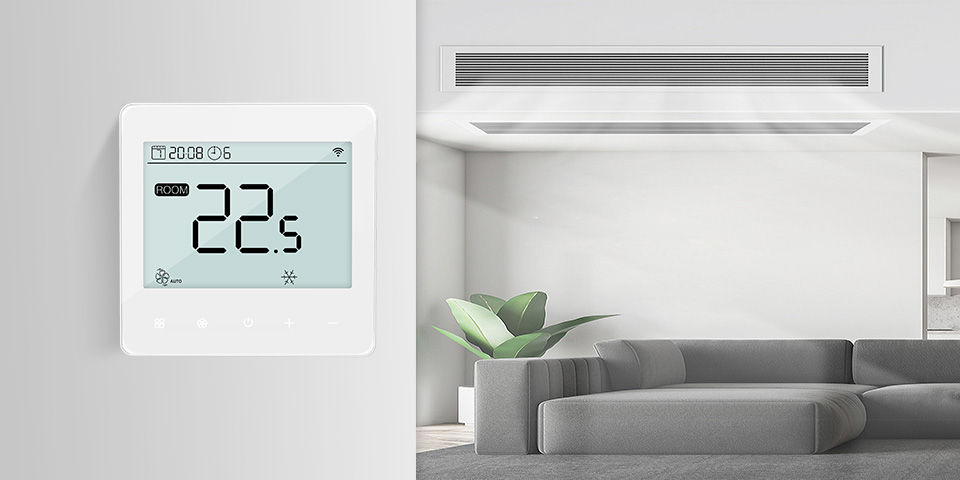
In heating mode, the heat pump extracts heat from the outdoor environment and heats the water medium. The hot water is then distributed to the fan coil units and the underfloor heating circuit. The fan coil units can quickly raise the indoor temperature, while the underfloor heating provides a continuous and stable radiant heat. In cooling mode, chilled water is prioritized for air cooling in the fan coil units. Depending on the design conditions, the system can also support low-temperature radiant cooling applications. Unified water circuits, control valves, and zone thermostats make the system structure more centralized and easier to manage.
Key Advantages of the 2-in-1 HVAC System
The 2-in-1 HVAC system avoids the problem of redundantly configuring multiple sets of heating and cooling equipment by integrating multiple terminal types. The underfloor heating system is suitable for low water temperature operation, while the fan coil units also have good heat exchange efficiency under medium water temperature conditions. This characteristic makes it easier for the heat pump to operate in the high-efficiency range, helping to reduce overall energy consumption and improve system performance.
More Comprehensive Comfort Experience
Different spaces have different requirements for heating and cooling response speed and comfort. The 2-in-1 HVAC system can be flexibly configured according to actual usage needs:
- Fan coil units enable rapid temperature adjustment in living spaces.
- Underfloor heating provides even and gentle warmth in bathrooms, bedrooms, or open areas.
- Zonal control avoids uneven temperature distribution or energy waste.
This combination effectively enhances the overall living or usage experience.
High System Integration, Simplified Maintenance
Compared to traditional solutions with independent boilers, air conditioners, and auxiliary heating equipment, the 2-in-1 HVAC system uses a heat pump as its core, resulting in a clearer system architecture. The reduced number of devices and more centralized piping and control points simplify daily maintenance and troubleshooting, helping to reduce long-term operating costs.
More Controllable Long-Term Operating Costs
With proper design and correct use, the 2-in-1 HVAC system can meet comfort needs while reducing energy waste. The heat pump itself has a high energy efficiency ratio, and combined with zonal control and reasonable operating strategies, the system exhibits a more stable energy consumption level over long-term use, which is beneficial for controlling overall operating expenses.
Application Areas of 2-in-1 HVAC Systems
- Residential Buildings
In new residential projects, 2-in-1 HVAC systems can meet both winter heating and summer cooling needs without affecting the interior space layout. For families seeking comfort, energy efficiency, and overall aesthetics, this system offers high adaptability.
- Commercial and Office Spaces
Office buildings, hotels, apartments, and other commercial buildings often have significant differences in heating and cooling needs across different areas. 2-in-1 HVAC systems, through zoned control and multi-terminal combinations, can meet diverse usage scenarios and improve overall operational efficiency.
- Renovation Projects
In energy-saving renovations of older buildings, limited space and equipment compatibility are common challenges. 2-in-1 HVAC systems can improve system performance while reducing the number of devices, providing a more feasible solution for renovation projects.
- Holiday Homes and Low-Frequency Buildings
Holiday homes or seasonally used buildings prioritize system stability and low maintenance requirements. 2-in-1 HVAC systems, with their centralized structure and reliable operation, are suitable for maintaining good performance under intermittent use conditions.
The 2-in-1 HVAC system achieves a balance of efficiency, comfort, and flexibility by integrating fan coil units and underfloor heating heat pumps onto a single platform. Whether in residential, commercial, or renovation projects, this system demonstrates excellent adaptability and long-term value. With proper design, standardized installation, and scientific use, the 2-in-1 HVAC system not only improves indoor environmental quality but also provides reliable support for building energy conservation and sustainable development.