
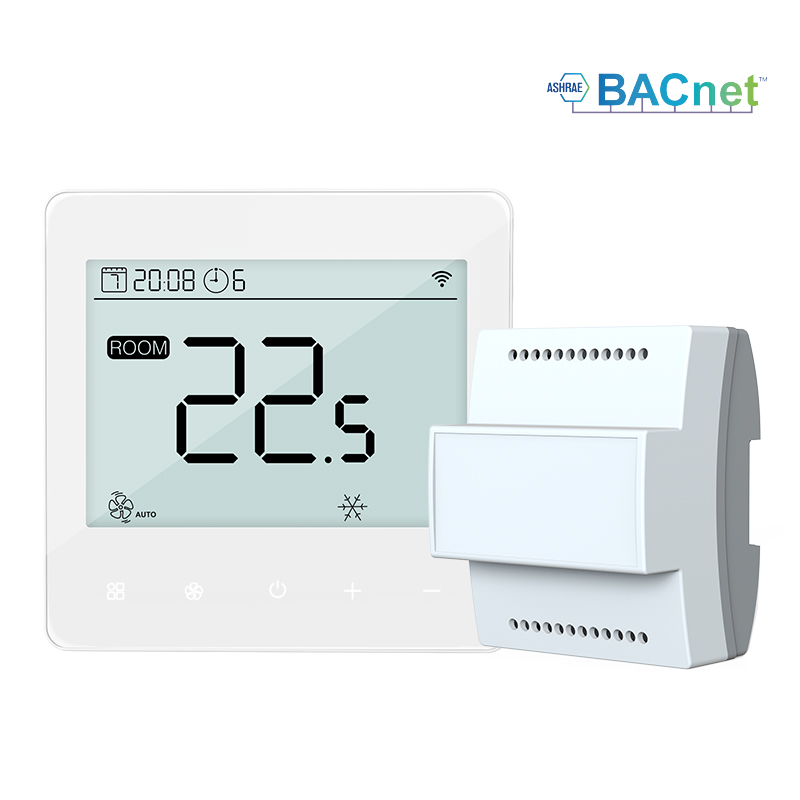
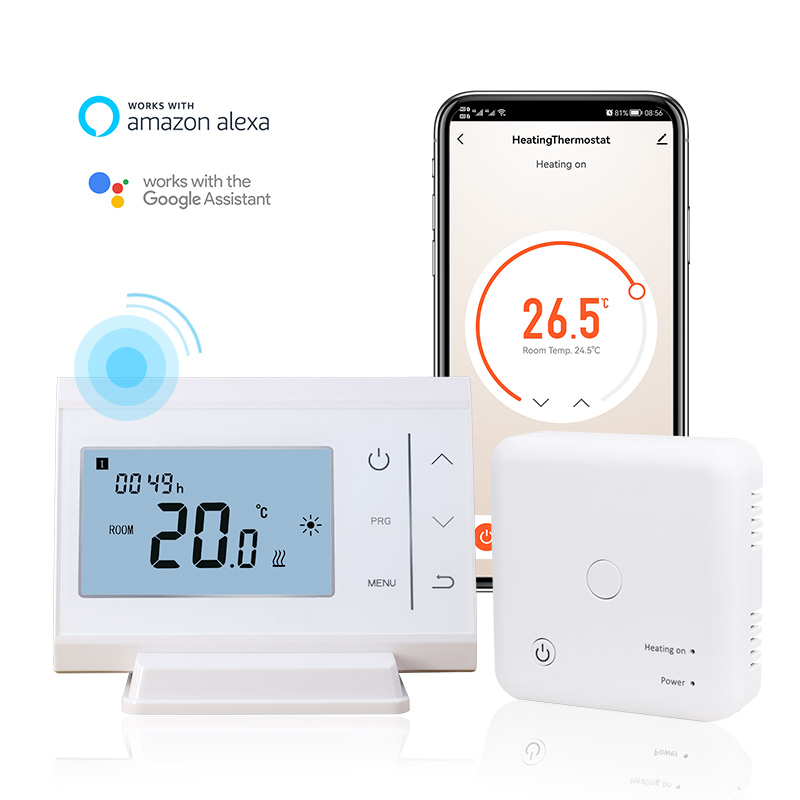
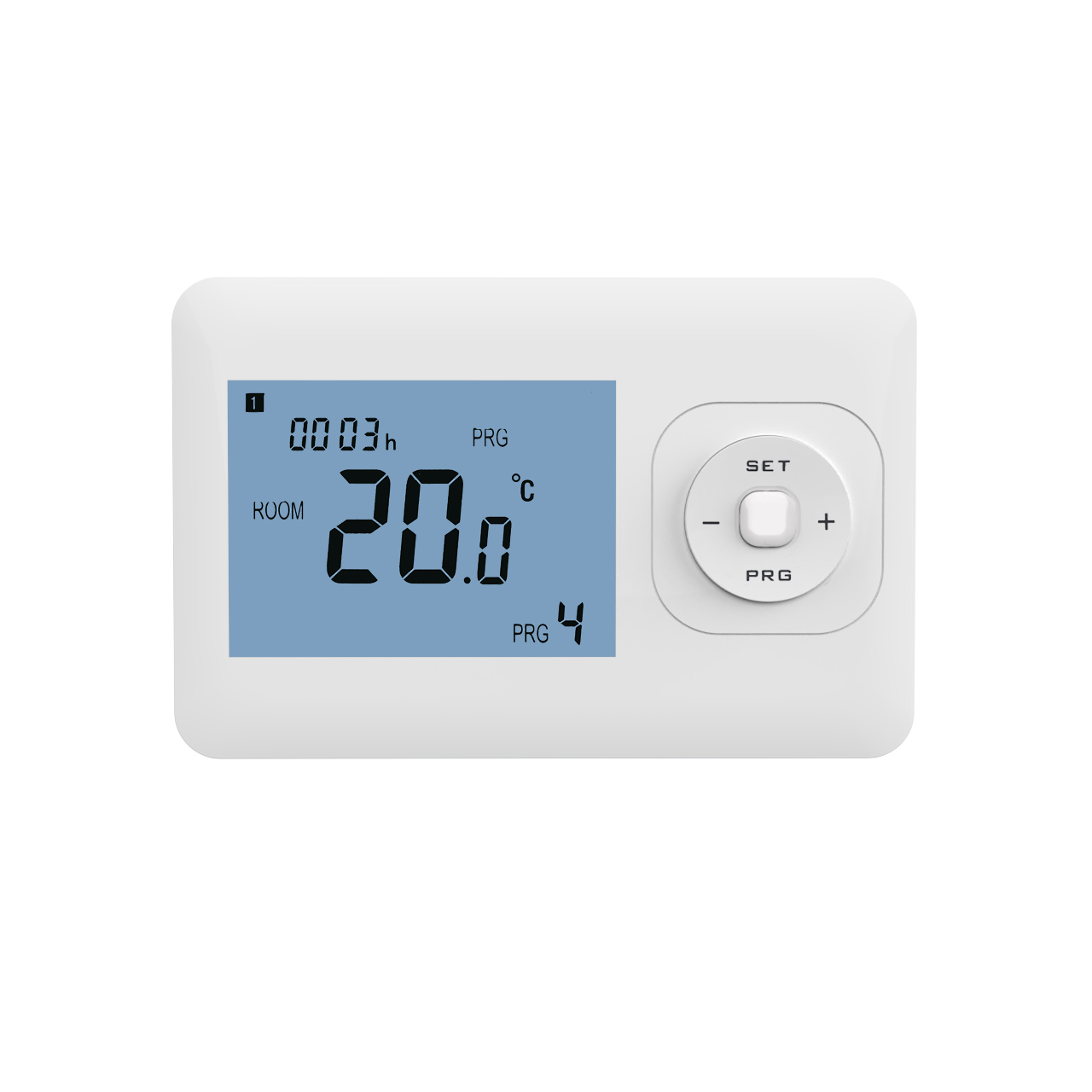
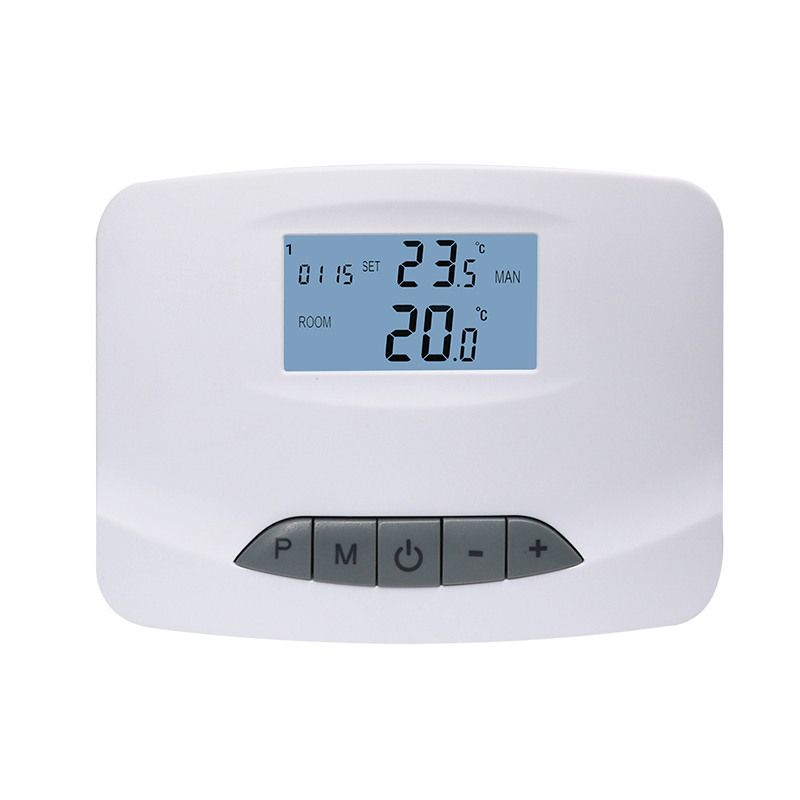
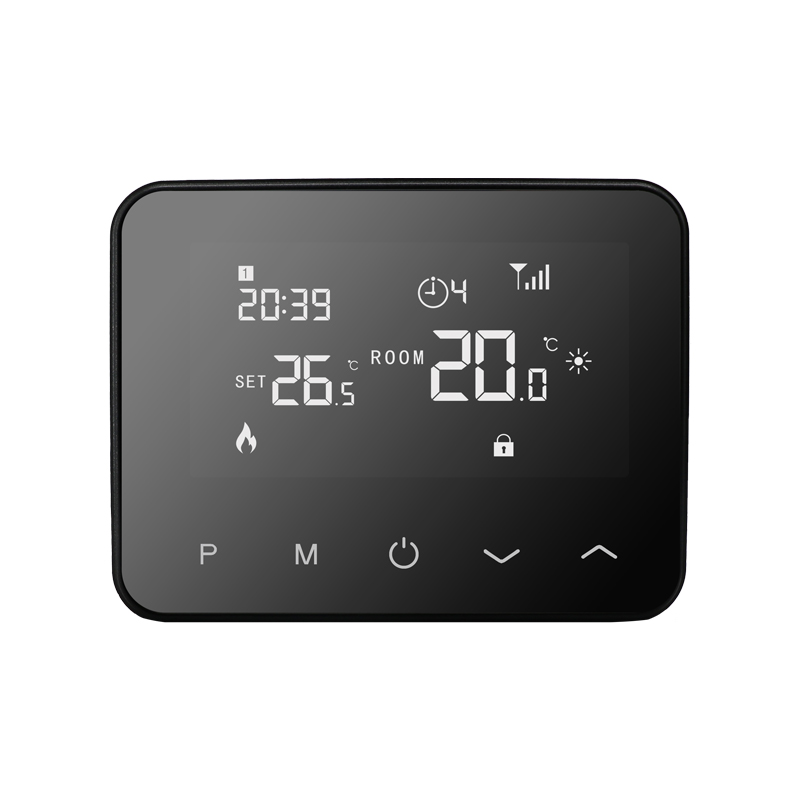
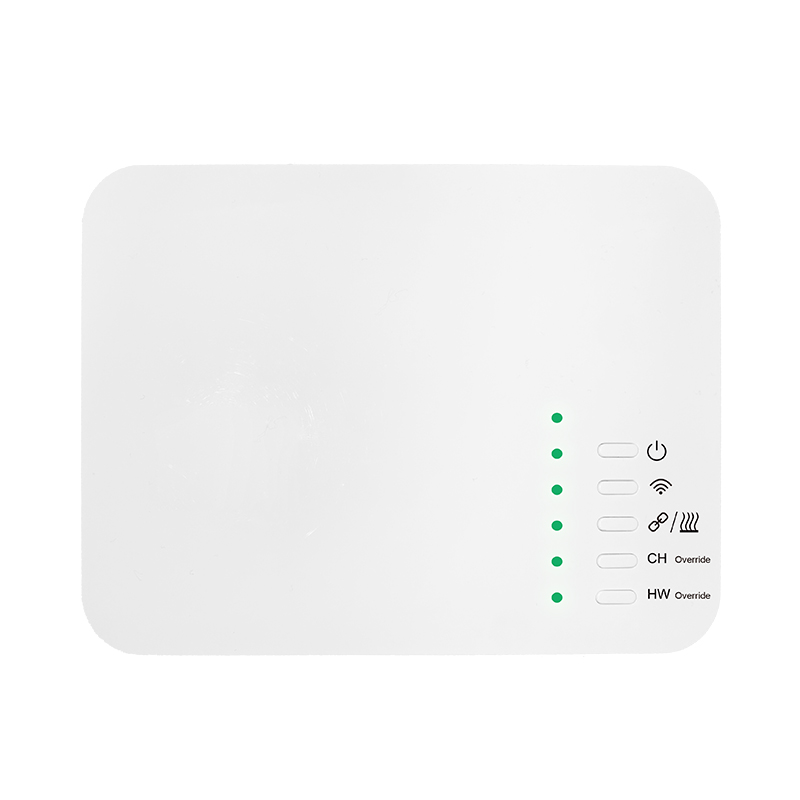
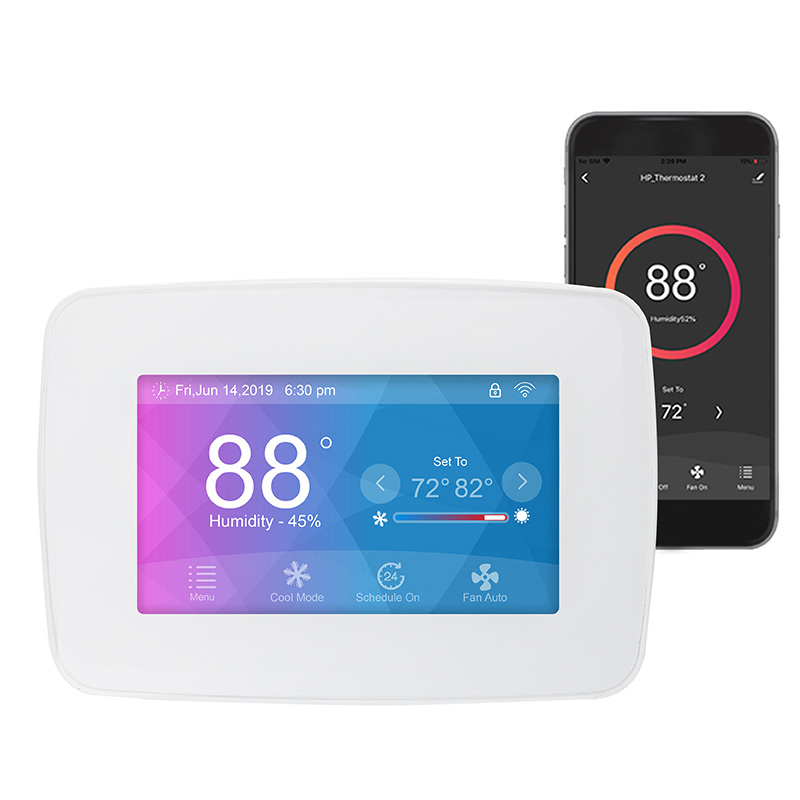
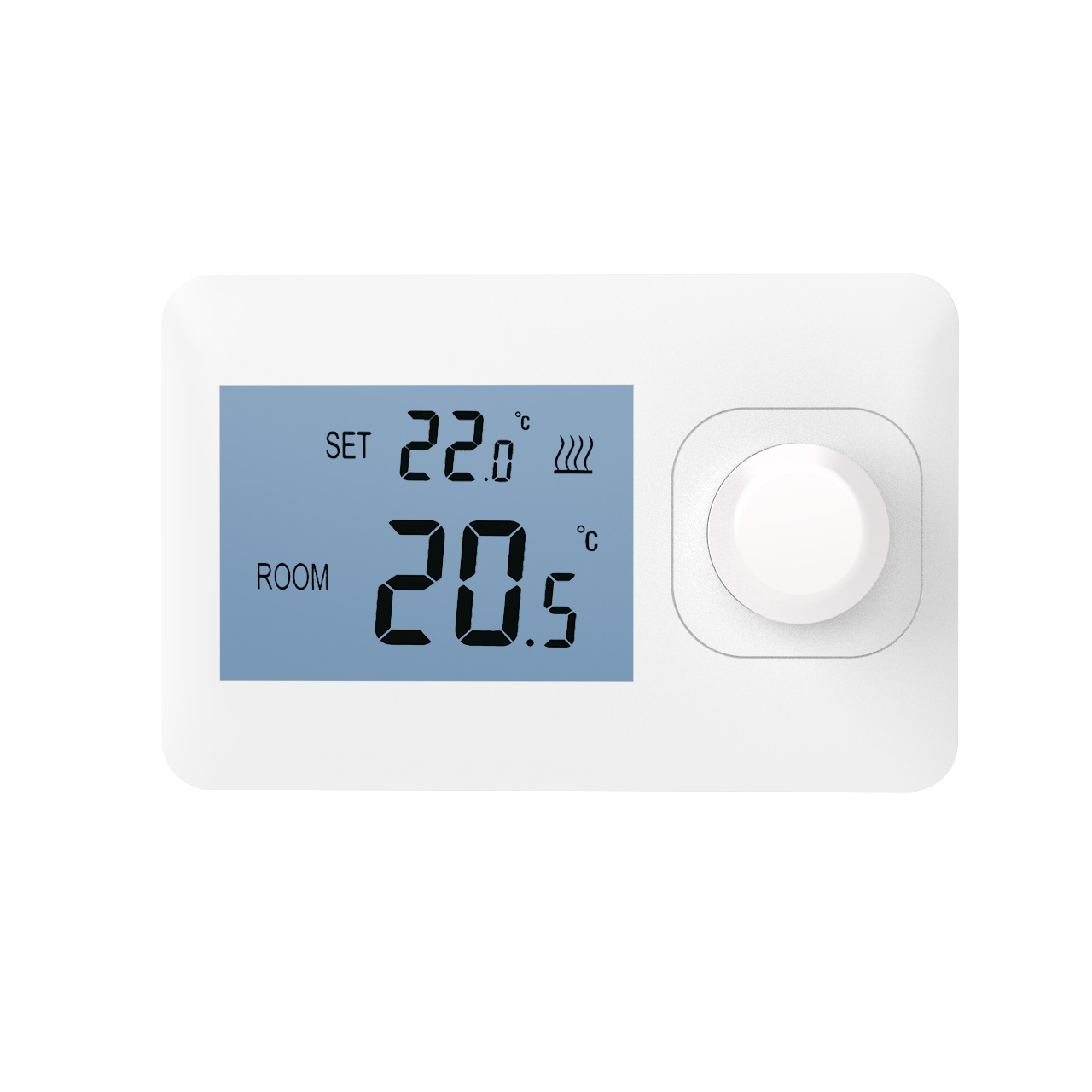
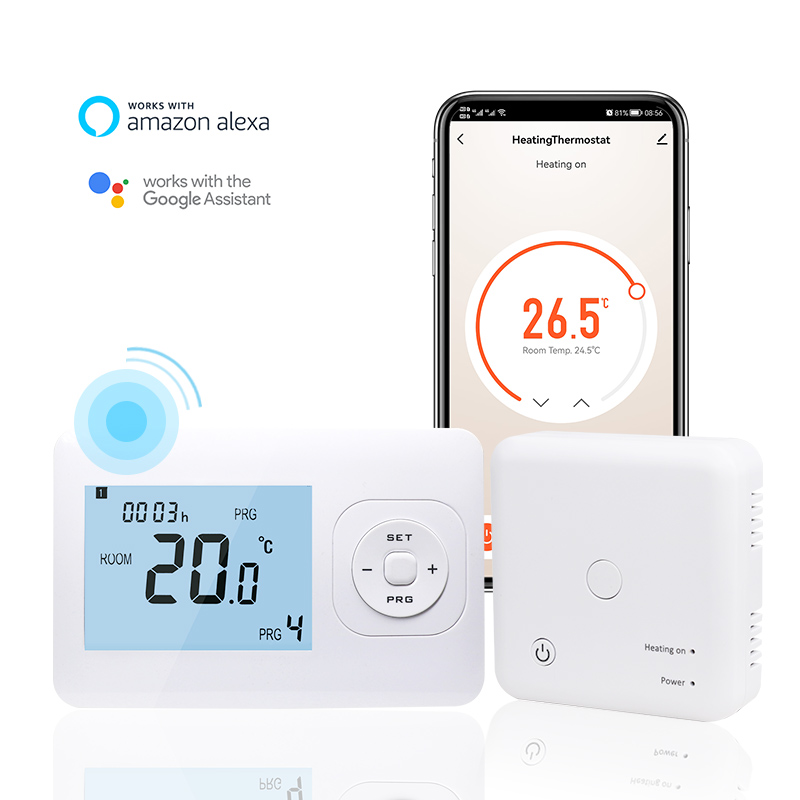
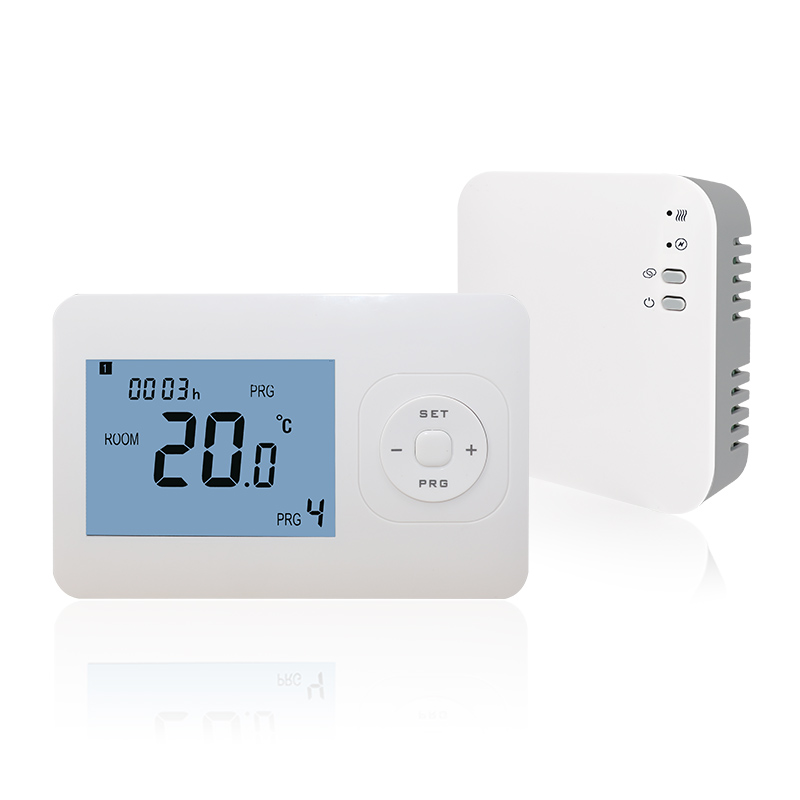
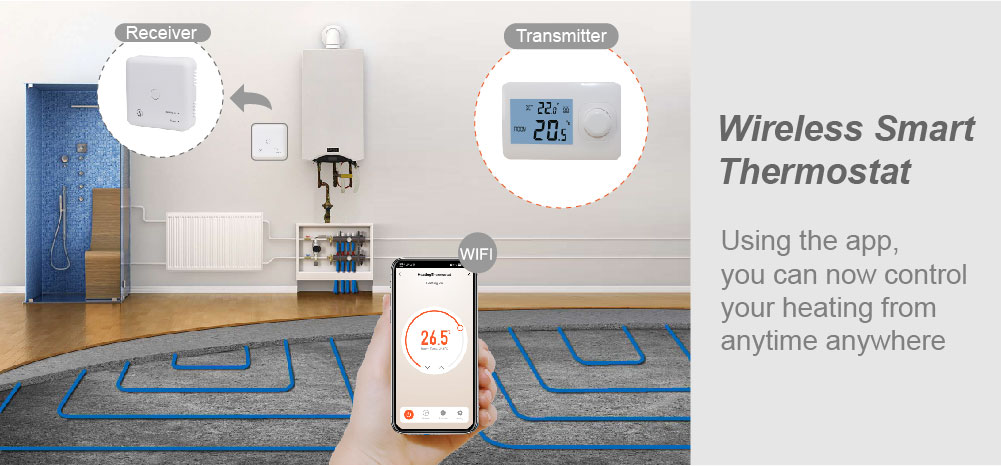
In modern buildings, fan coil unit thermostats (FCU thermostats) play a critical role in maintaining indoor comfort and precise temperature control. With the rise of smart buildings and IoT technology, more and more FCU thermostats now support multi-protocol communication, such as Modbus, BACnet, and KNX. This article explores the advantages of multi-protocol support in FCU thermostats, including system compatibility, engineering efficiency, energy savings, and intelligent management.
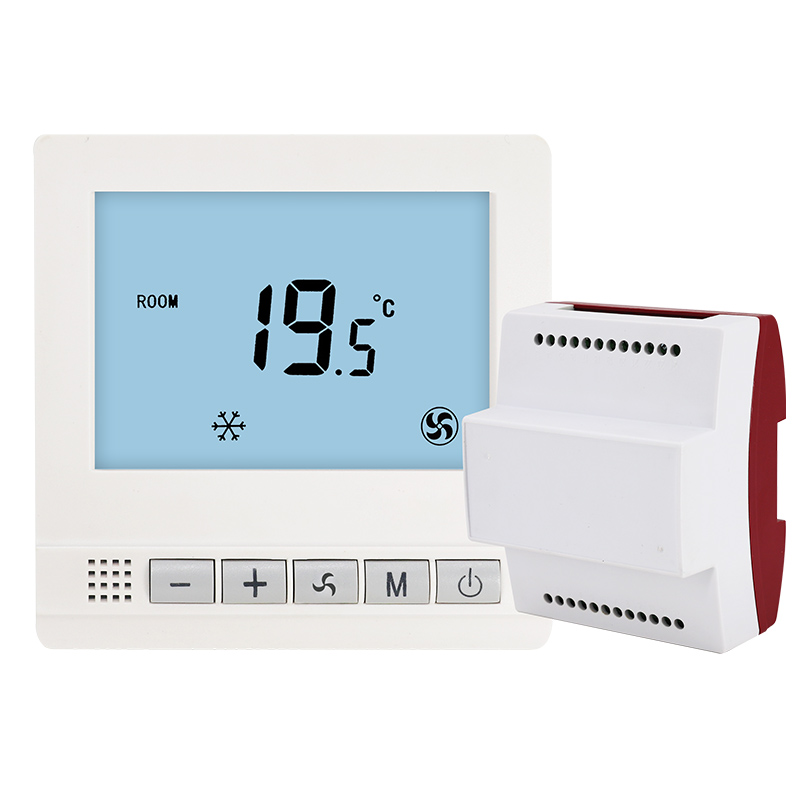
Enhanced System Compatibility
Traditional thermostats often support only a single communication protocol. This can lead to:
The need to replace control systems during renovations or new construction
Difficulty integrating devices from different brands
Multi-protocol FCU thermostats can seamlessly connect with various building automation systems (BAS), whether it’s Modbus for centralized control, BACnet for large-scale building networks, or KNX for smart home integration. This compatibility significantly reduces integration complexity and renovation costs.
Simplified Installation and Commissioning
Multi-protocol support provides greater flexibility during installation:
Engineers can select the appropriate protocol based on project requirements
The same thermostat model can be used across different BAS platforms
Reduces rework or device replacement due to protocol mismatches
In large commercial buildings or hotels, this flexibility improves installation efficiency and shortens project timelines.
Improved Data Monitoring and Intelligent Management
Thermostats with multi-protocol support enable centralized monitoring and intelligent building management:
Real-time monitoring of temperature, humidity, and fan speed
Remote adjustments, scheduling, and energy-saving strategies
Integration with HVAC, lighting, and energy monitoring systems
Multi-protocol communication provides a reliable data foundation for smart building management and optimized operations.
Increased Energy Efficiency
Through multi-protocol integration, FCU thermostats can participate in whole-building energy management:
Adjust fan speed and valve positions according to load and occupancy
Implement zone-based temperature control using intelligent algorithms
Minimize energy waste and improve overall HVAC efficiency
Studies show that intelligent management using multi-protocol FCU thermostats can reduce energy consumption by 10%–20% in large buildings.
Reduced Maintenance Costs and Complexity
Multi-protocol thermostats often support unified platform management:
A single system can monitor thermostats from different brands or models
Fault diagnostics, alarms, and remote maintenance become easier
Less manual intervention on-site, lowering long-term operational costs
For property managers, this translates to higher efficiency and reduced management risks.
Strong Future Upgrade and Expansion Potential
As building automation and IoT technologies evolve, multi-protocol thermostats can:
Adapt to emerging communication protocols and control platforms
Integrate with energy management systems (EMS) and smart home systems
Maintain long-term scalability and return on investment
This forward-looking design ensures flexibility for future upgrades and system expansions.
Conclusion
Multi-protocol support in fan coil unit thermostats enhances system compatibility, simplifies installation, improves data monitoring, and enables energy savings and intelligent management. Additionally, it reduces maintenance costs and provides strong future-proofing for building upgrades. Choosing multi-protocol FCU thermostats is a strategic approach to enhancing smart building performance and operational efficiency.