
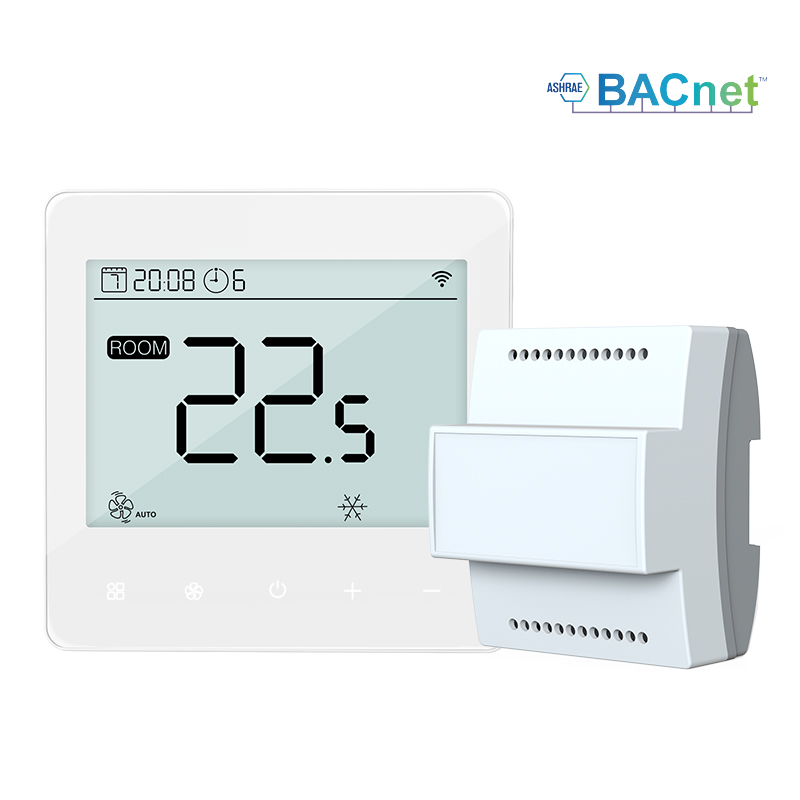
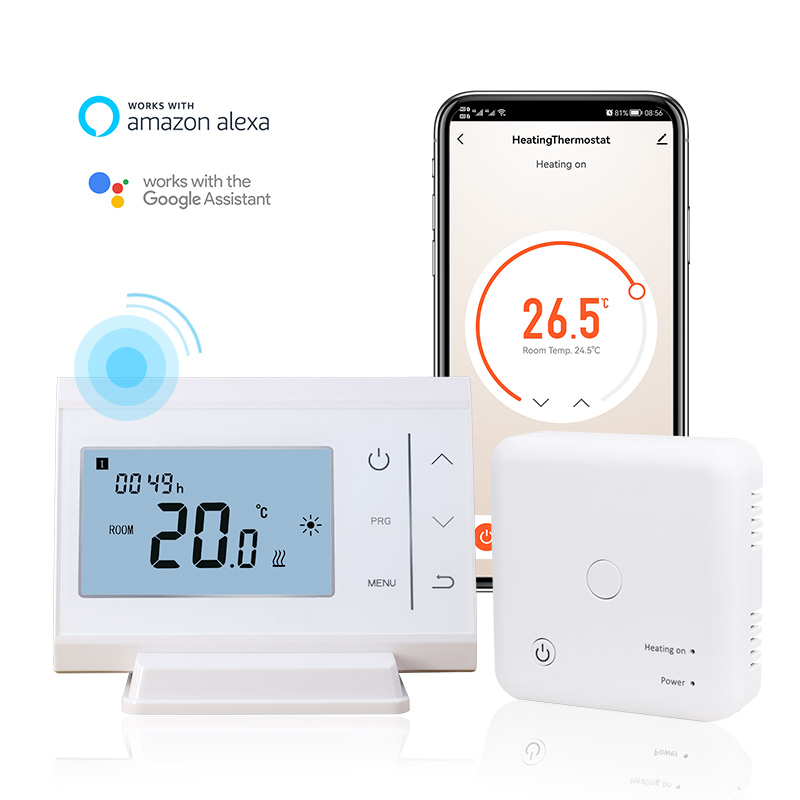
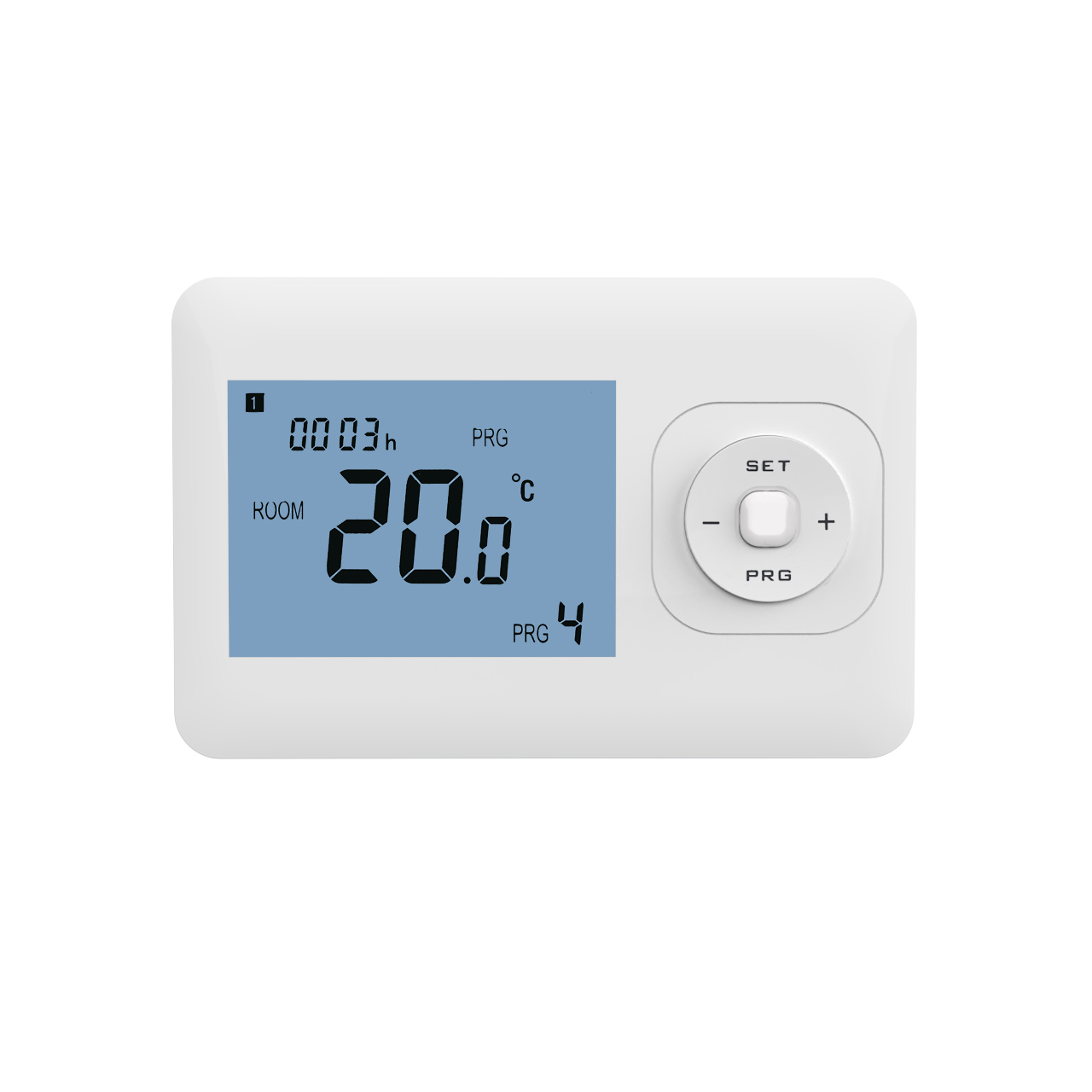
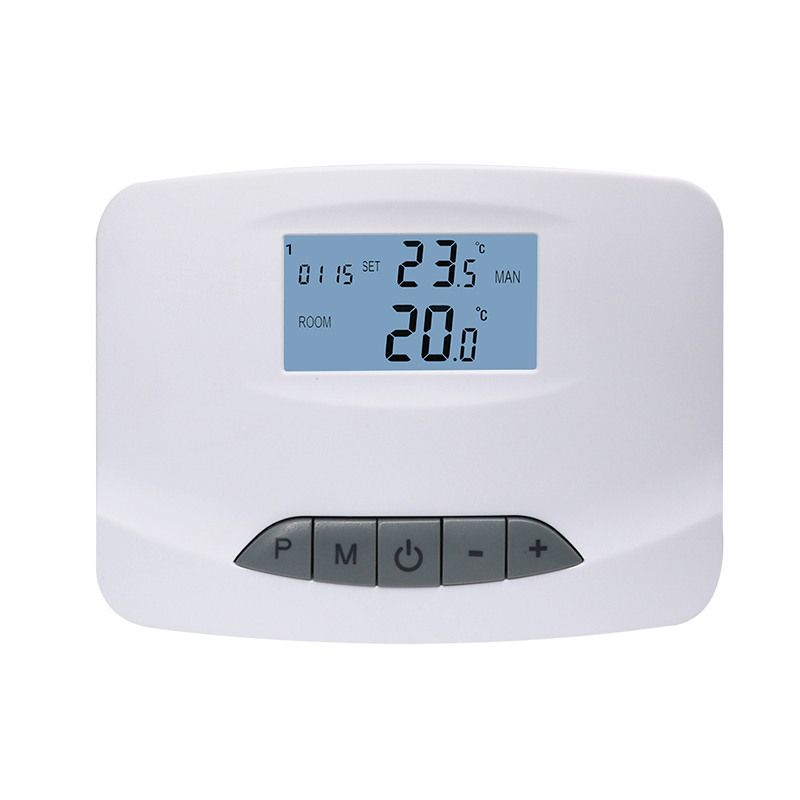
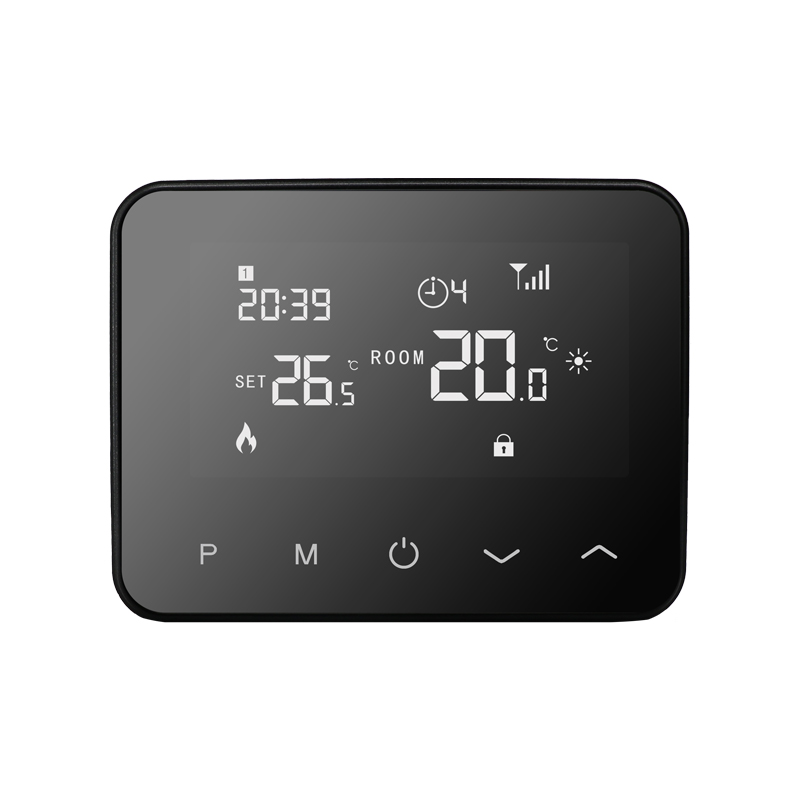
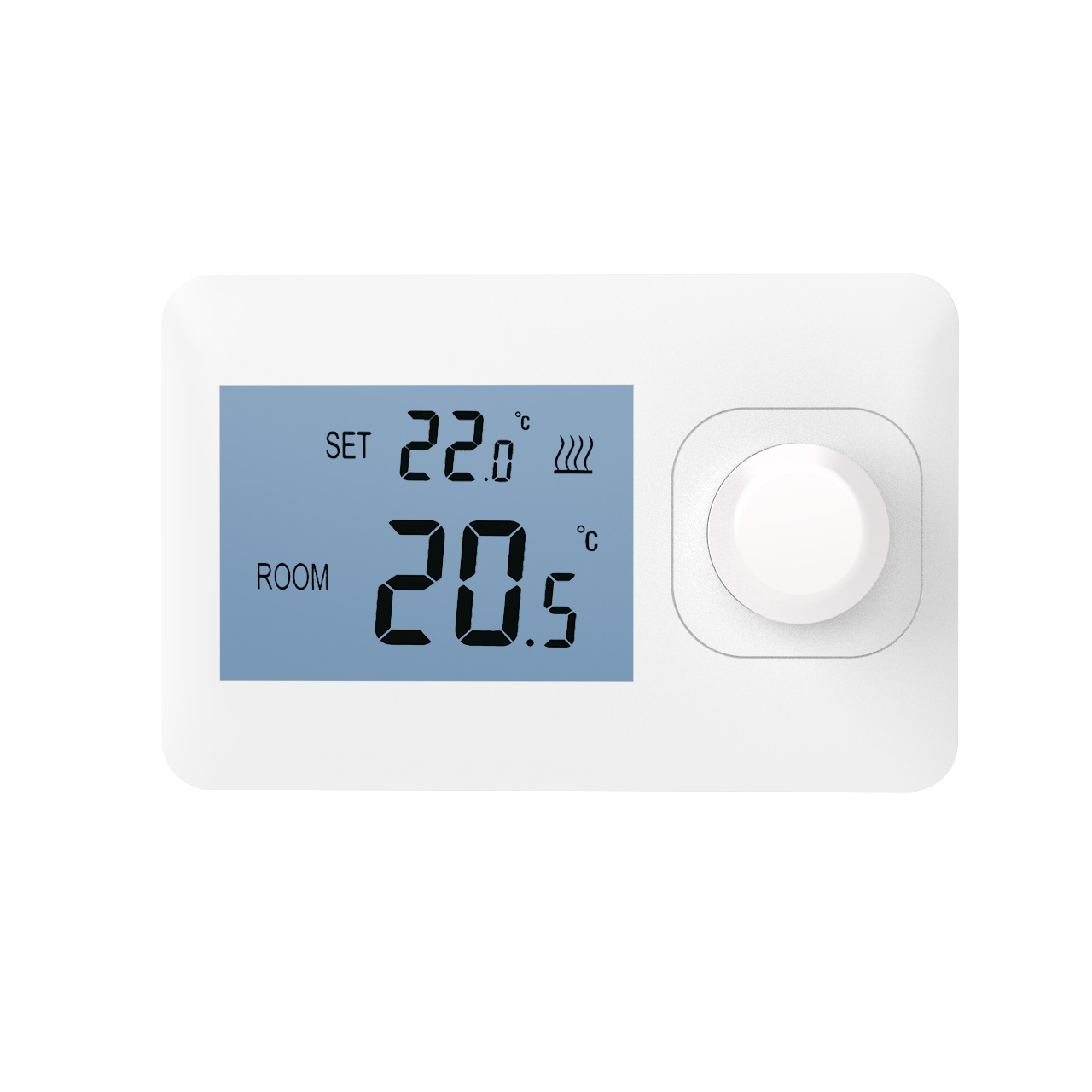
Temperature control in hospital air conditioning systems is not only a matter of comfort but also directly impacts patient recovery, medical staff efficiency, and the safety of the healthcare environment. The Fan Coil Unit (FCU) Thermostat, as a key component of the HVAC system, precisely regulates the operation of fan coil units to maintain stable indoor temperature and humidity, providing hospitals with a comfortable and healthy environment.
Special Requirements for Temperature Control in Hospitals
Compared to commercial or residential buildings, hospital air conditioning systems have unique requirements:
Precise temperature and humidity control: Operating rooms, patient wards, and ICUs require strict control; temperature fluctuations can affect patient recovery and medical procedures.
High indoor air quality: Thermostats work with the air conditioning system to maintain air circulation and cleanliness, reducing the risk of cross-contamination.
Zonal control: Different departments have varying temperature needs; thermostats allow independent zone management, improving both comfort and energy efficiency.
In this context, FCU thermostats play a critical role in maintaining a safe and comfortable environment.
Key Features of Fan Coil Unit Thermostats
Modern FCU thermostats provide intelligent functions that enhance efficiency and reliability in hospital HVAC systems:
Precise temperature control: Adjusts fan speed and valve opening to stabilize temperatures in wards and operating rooms.
Zonal management: Independently controls different areas, allowing personalized comfort for patients and staff.
Energy-saving mode: Optimizes fan operation and water flow, reducing energy consumption for continuous operation.
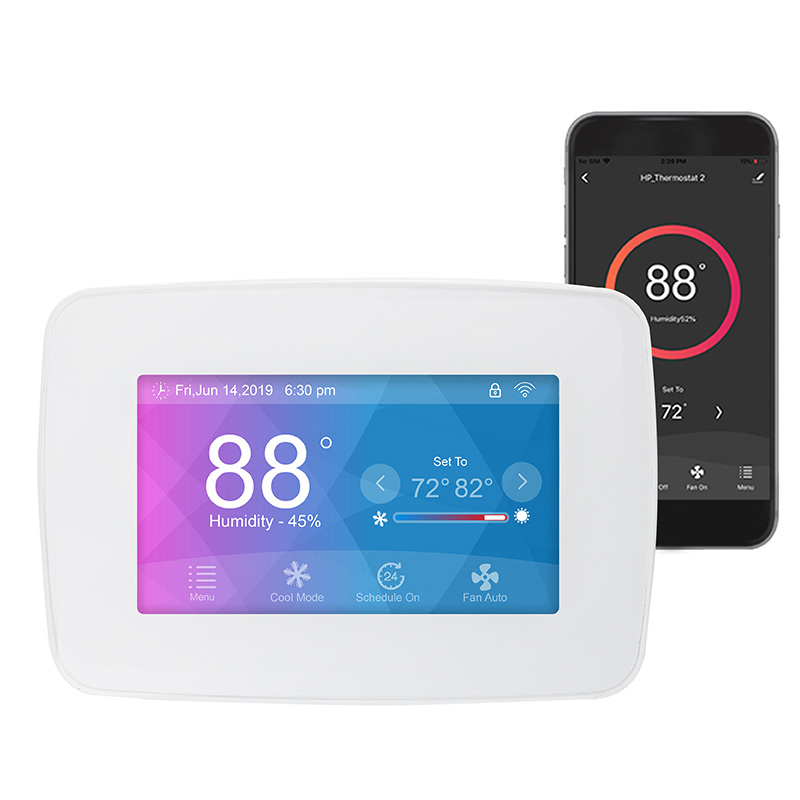
Remote monitoring and alarms: Some models support network connectivity to monitor real-time temperature changes and provide alerts, ensuring environmental safety.
These features help hospitals meet comfort requirements while improving energy efficiency and operational management.
Typical Applications in Hospitals
1. Patient Wards
Wards require a stable, comfortable environment. FCU thermostats automatically adjust fan speed and water valve position to maintain temperature fluctuations within ±1°C, ensuring a restful environment for patients.
2. Operating Rooms and ICUs
Operating rooms and intensive care units demand strict temperature and humidity control. Thermostats precisely regulate air conditioning output and coordinate with air purification systems to maintain safe and stable indoor conditions.
3. Public Areas
While public areas such as lobbies and corridors have lower comfort requirements, thermostats still provide zonal control to improve energy efficiency and prevent overcooling or overheating.
Advantages of Using FCU Thermostats in Hospitals
Enhanced temperature accuracy: Automatically adjusts fan and valve operation based on real-time temperature readings.
Energy efficiency: Intelligent zoning and load management reduce unnecessary energy consumption.
Improved facility management: Remote monitoring and network connectivity reduce manual inspections and maintenance efforts.
Ensured patient comfort and safety: Stable indoor conditions support recovery and reduce infection risks.
Conclusion
In hospital HVAC systems, fan coil unit thermostats precisely control fan and valve operations to meet the temperature and comfort needs of different zones. Their application enhances patient comfort, optimizes energy use, and improves system management. From patient wards and operating rooms to public areas, FCU thermostats provide hospitals with a stable, safe, and efficient air conditioning environment, making them an indispensable component of modern healthcare facilities.