
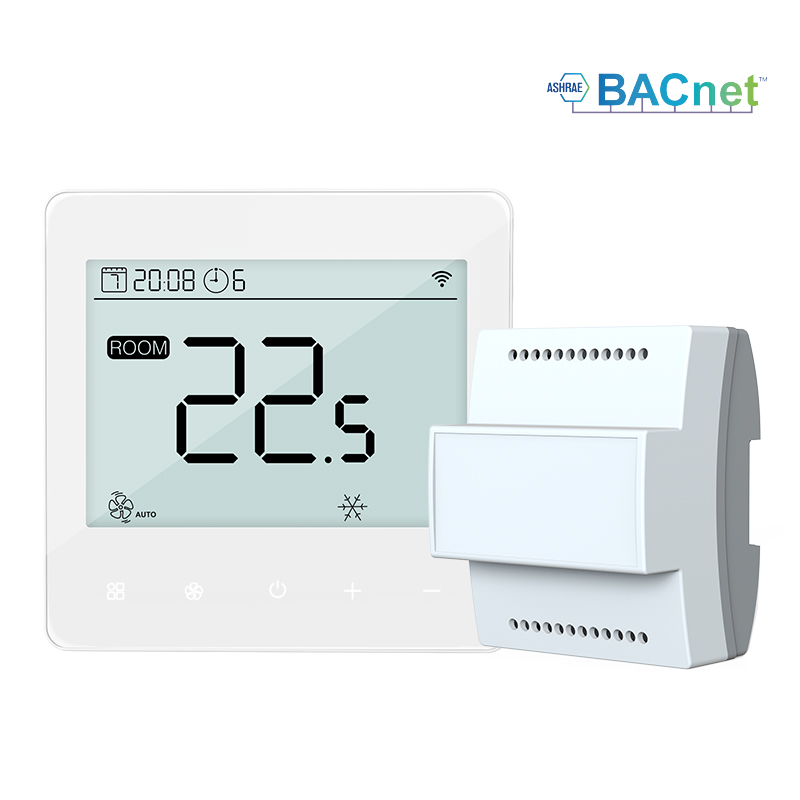
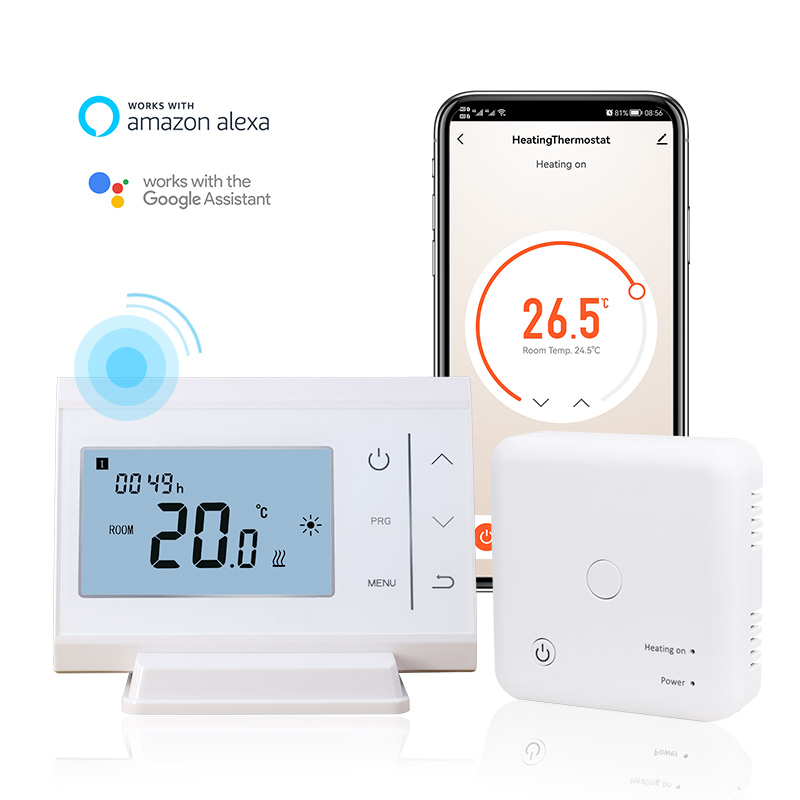
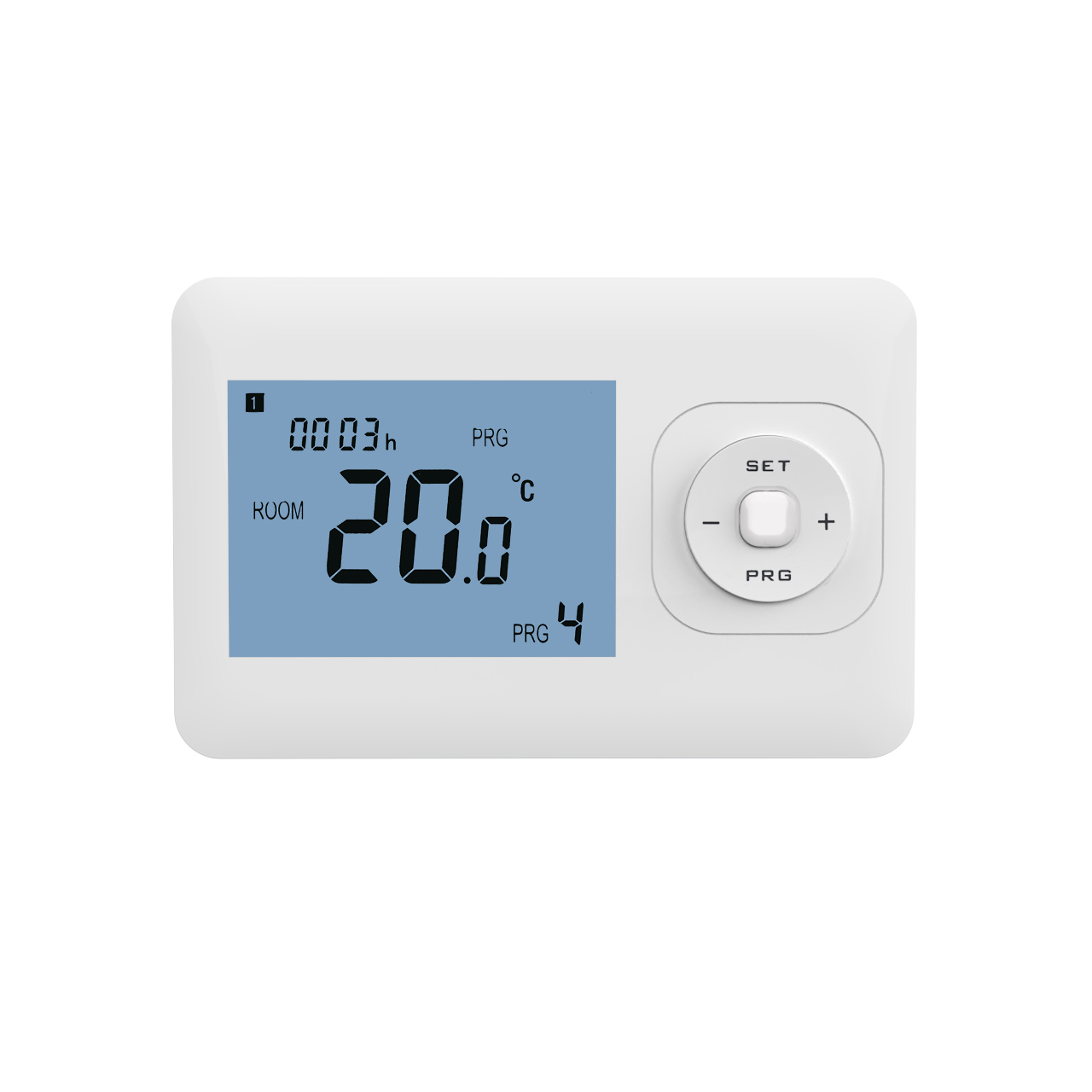
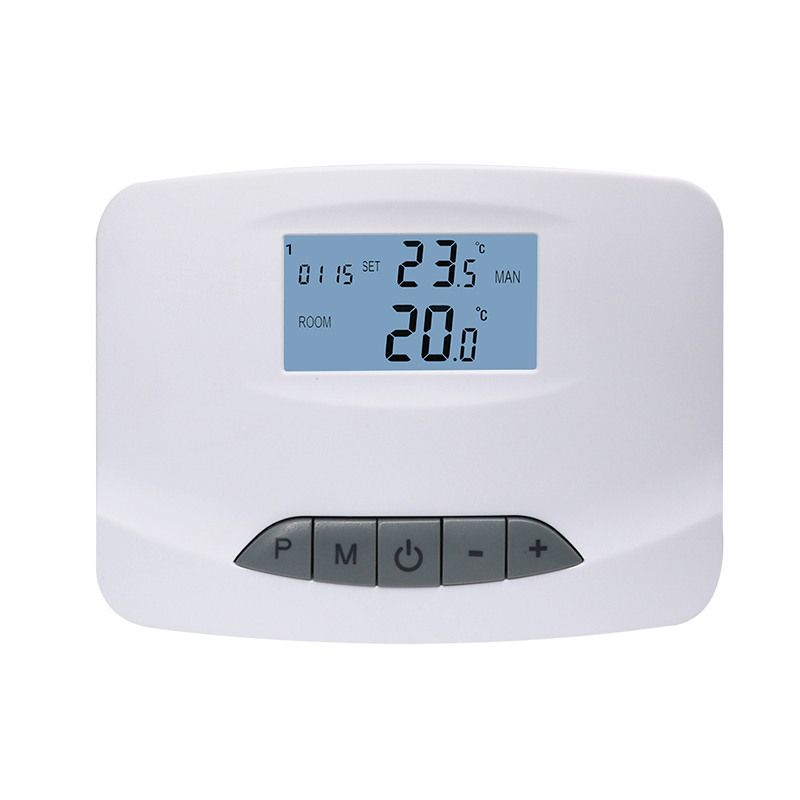
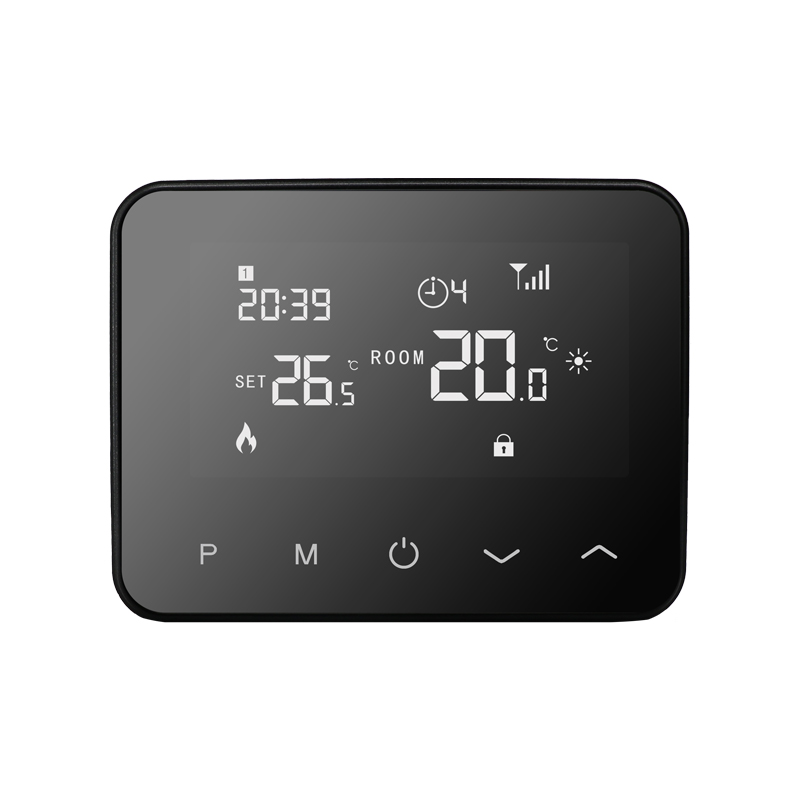
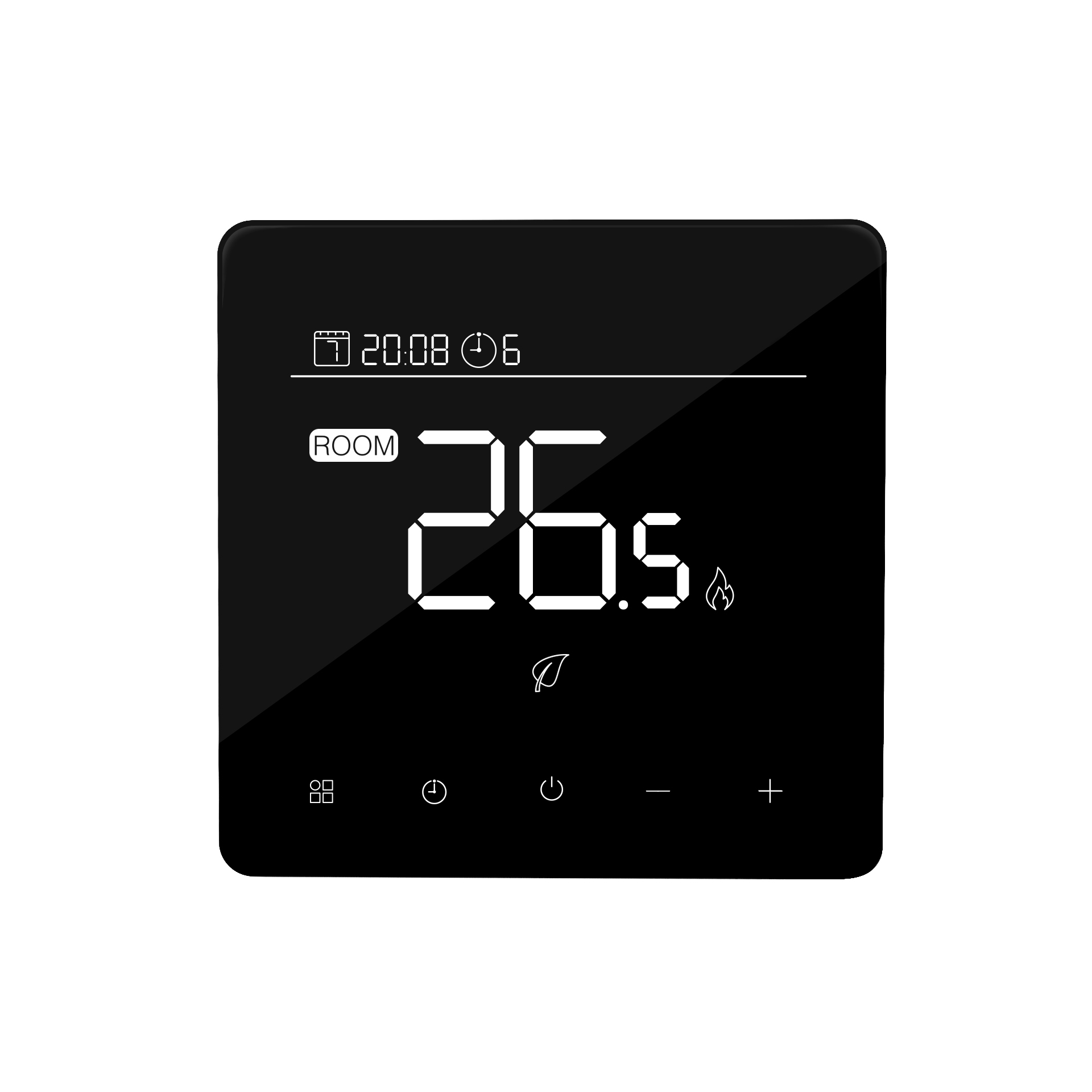

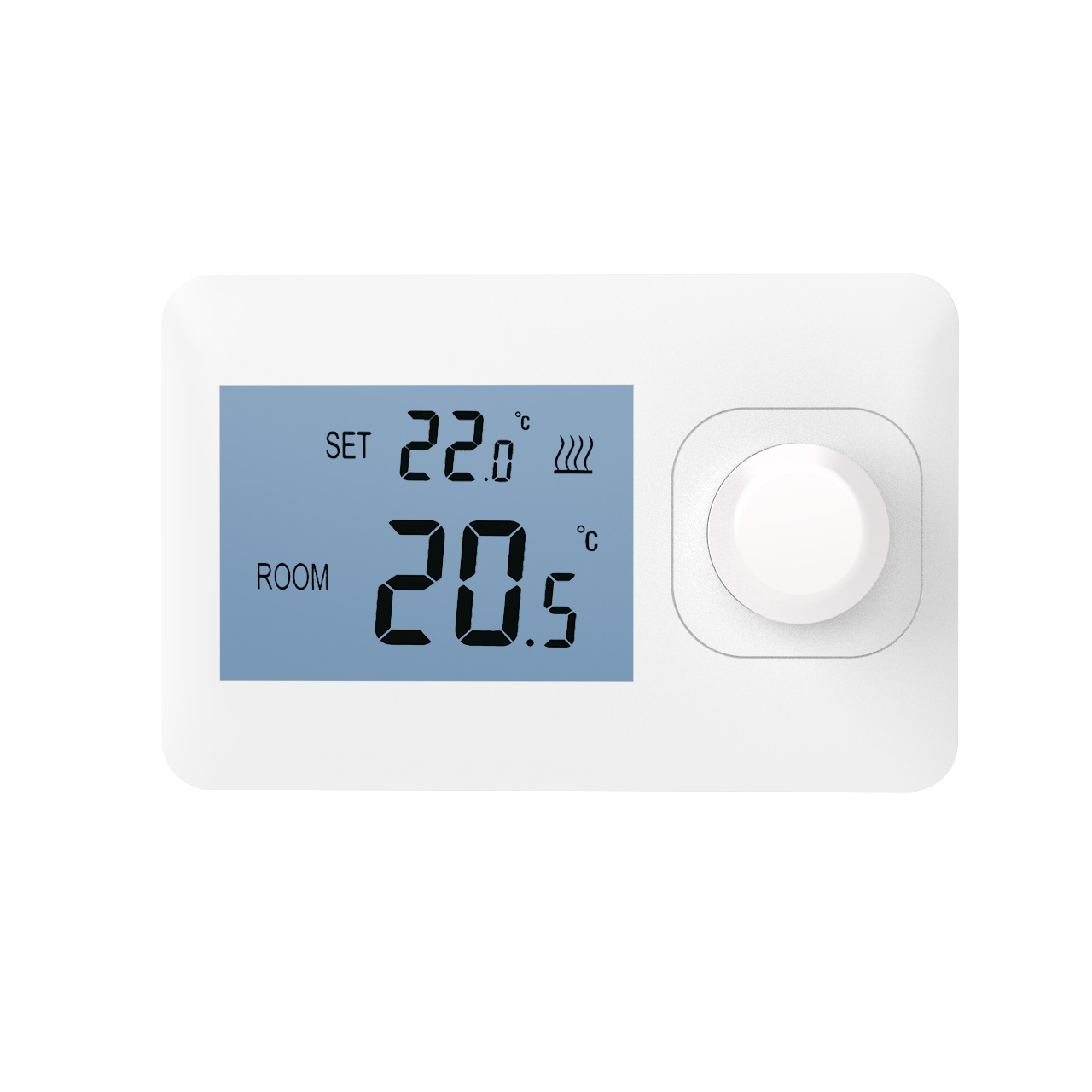
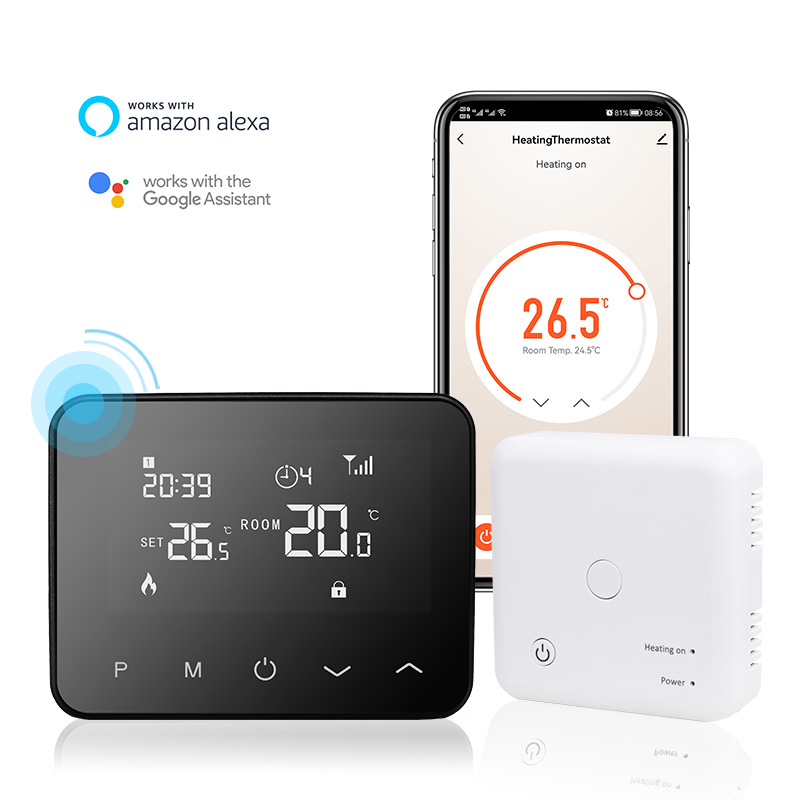
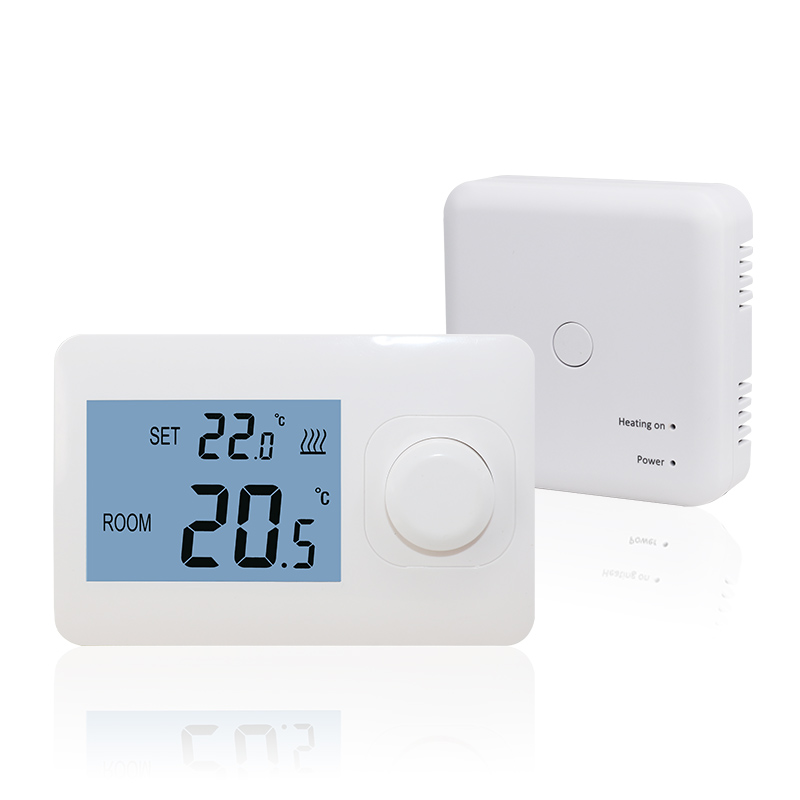
With the development of smart home technology, the application of wireless radio frequency thermostats in air conditioning systems is becoming increasingly widespread. Traditional air conditioners typically rely on remote controls or fixed panels for temperature adjustment, making independent control of multiple rooms or remote operation impossible. Wireless radio frequency thermostats, through wireless signal transmission, enable precise management of the air conditioning system, improving user experience and optimizing energy efficiency. Their convenient operation and intelligent functions make temperature control management in home and commercial environments more flexible and efficient.
Control Method and Operational Flexibility
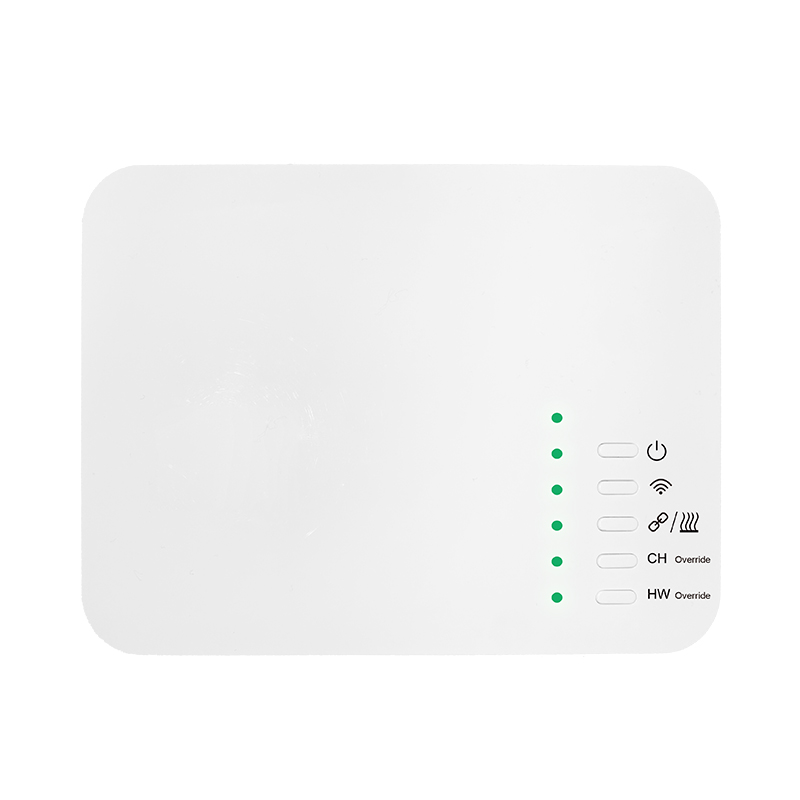
Wireless radio frequency thermostats connect to the air conditioning unit or smart gateway via wireless signals, allowing users to remotely adjust room temperature via handheld panels or smart devices. Compared to traditional panel or remote control operation, users do not need to walk near the air conditioner to set the temperature, making it particularly suitable for multi-room or complex layout spaces. Remote control not only improves operational convenience but also enables automatic adjustment, allowing the air conditioner to operate dynamically according to usage needs, reducing energy waste.
Advantages of Application in Air Conditioning Systems
The application of wireless radio frequency thermostats in air conditioning systems has significant advantages, improving system performance and comfort in various ways.
- Independent Temperature Control for Multiple Rooms: Temperature can be set independently for each room, achieving a comfortable and balanced experience.
- Timed Control: Automatically adjusts temperature based on daily routines or office hours, optimizing operating time.
- Energy-Saving Mode: Combines temperature sensors and intelligent algorithms to adjust power, reducing air conditioning energy consumption.
- Remote Monitoring: View indoor temperature status via mobile phone or tablet and adjust operating strategies at any time.
- Temperature Curve Setting: Customize temperature changes for different time periods for more personalized control.
These features enhance comfort while effectively reducing the energy burden of the air conditioning system.
Installation and Maintenance Convenience
The wireless radio frequency thermostat is easy to install, requiring no complex wiring. It only needs to be paired with the air conditioning receiver to be put into use. Compared to traditional thermostats that require wiring and fixed panels, the installation cycle is shorter and it is more suitable for existing building renovations. For maintenance, the wireless thermostat requires attention to battery status and signal stability; regular checks and timely battery replacement are usually sufficient to ensure normal operation. Low maintenance costs and ease of operation make air conditioning system management more efficient.
Intelligent Control and User Experience
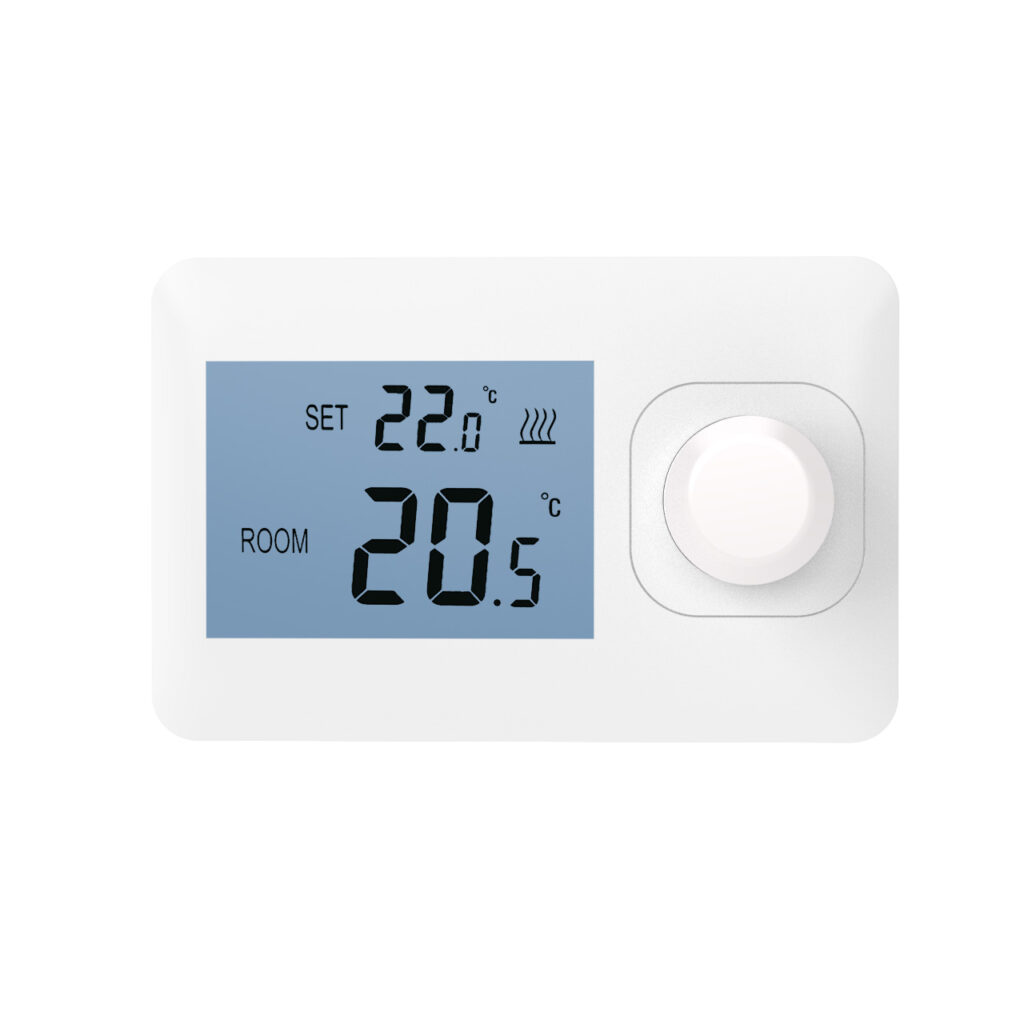
Wireless radio frequency (RF) thermostats can integrate with air conditioning systems for intelligent control. Sensors detect changes in room temperature and automatically adjust the air conditioner’s operation. The user interface typically features an LCD screen or touch panel, providing intuitive information display and timely feedback, enhancing the user experience. Remote and timer control functions allow users to flexibly schedule air conditioning operation according to their living or working scenarios, achieving a balance between comfort and energy saving. Compared to traditional thermostats, intelligent control significantly enhances the ease of operation and manageability of the air conditioning system.
Energy Saving and Environmental Adaptability
Wireless RF thermostats effectively reduce energy consumption by precisely adjusting air conditioning operating time and temperature. Independent management of multiple rooms ensures that the temperature needs of different areas are met, while avoiding prolonged operation of air conditioners in unoccupied rooms, saving on electricity costs. Some devices can also automatically optimize based on usage habits and environmental data, allowing the air conditioning system to adapt to changes in different seasons and environmental conditions. By using wireless RF thermostats appropriately, users can maximize energy savings while improving indoor comfort.