
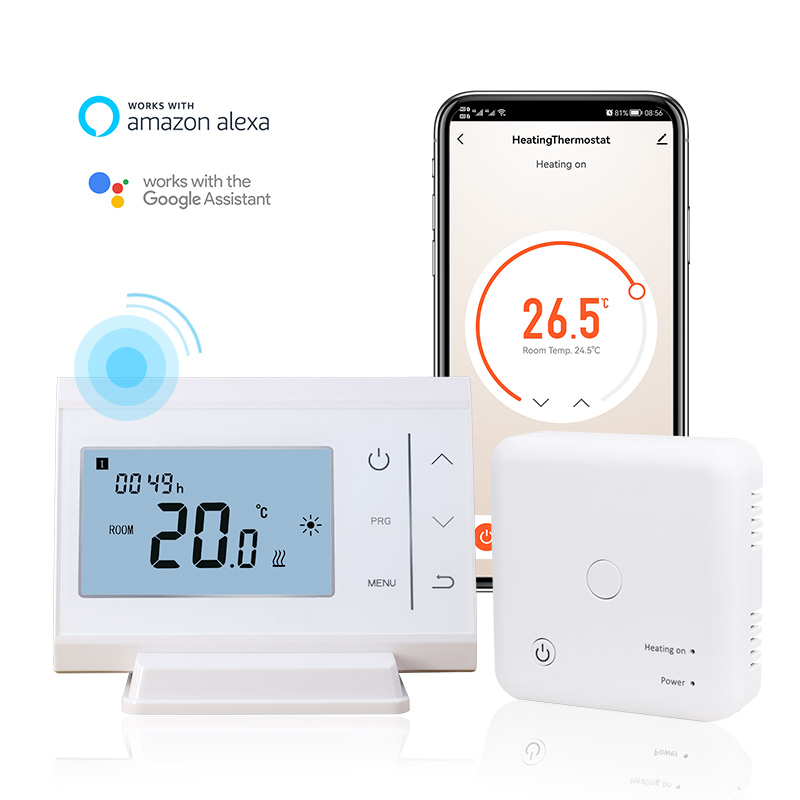
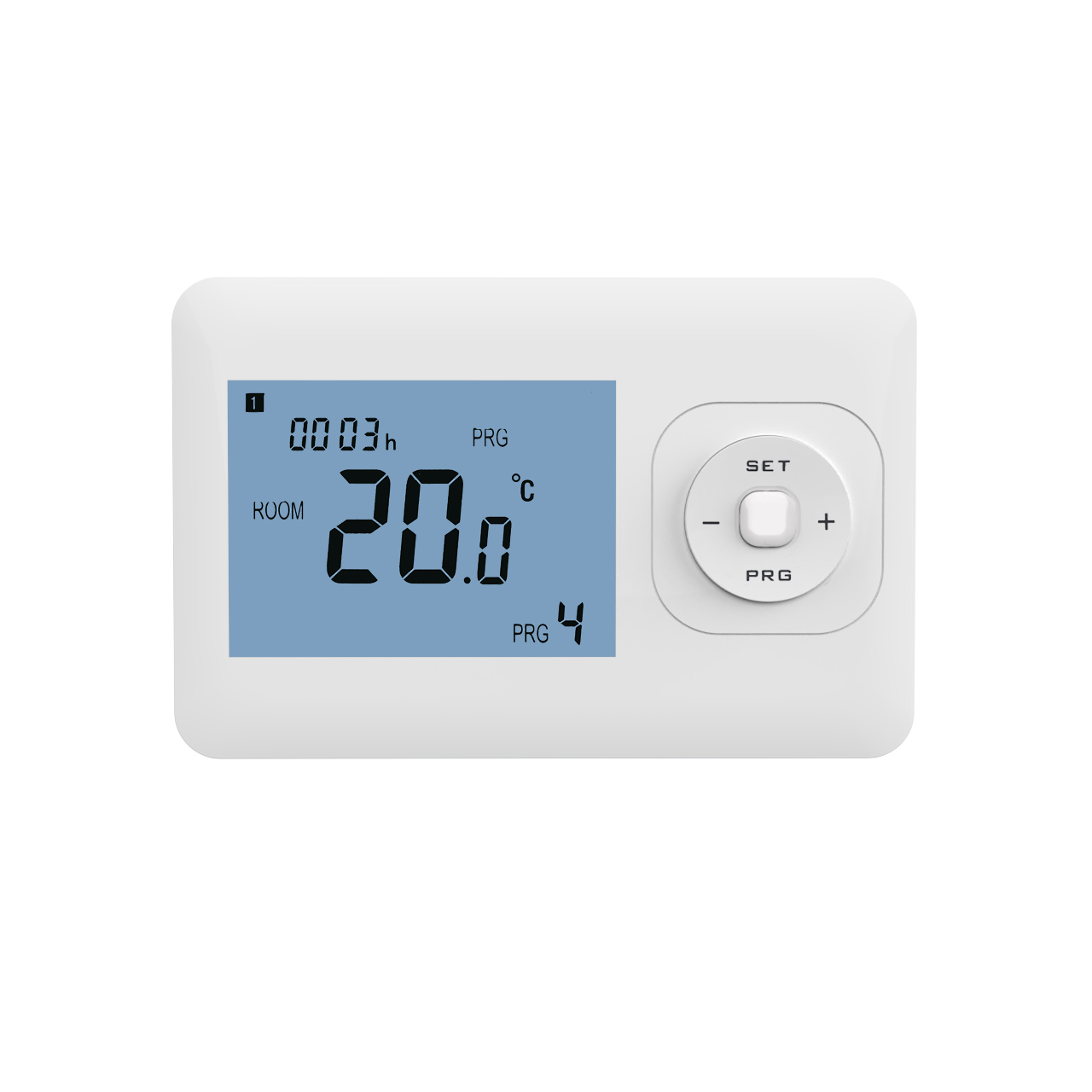
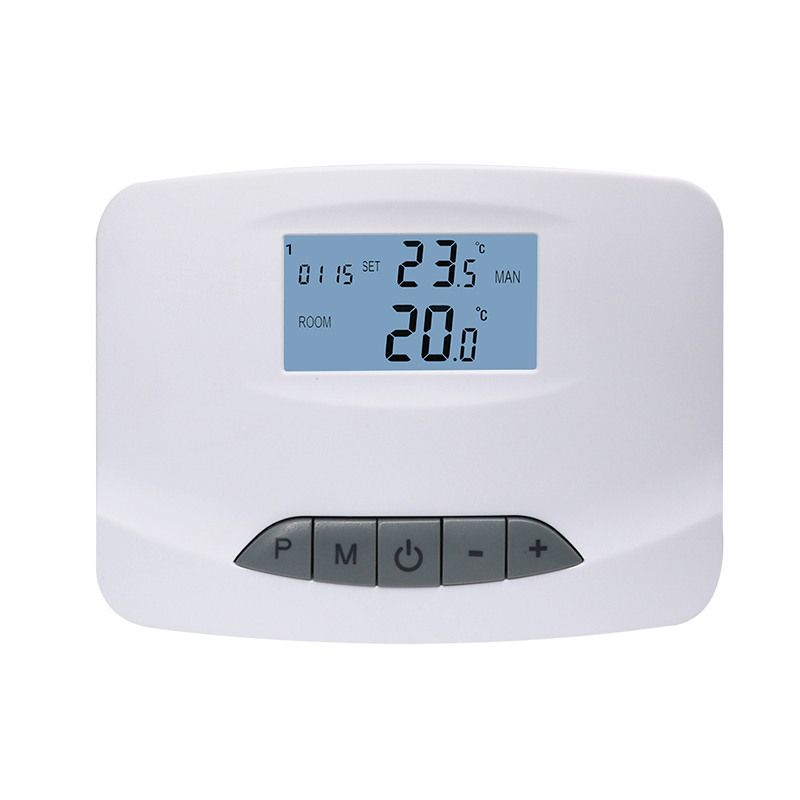
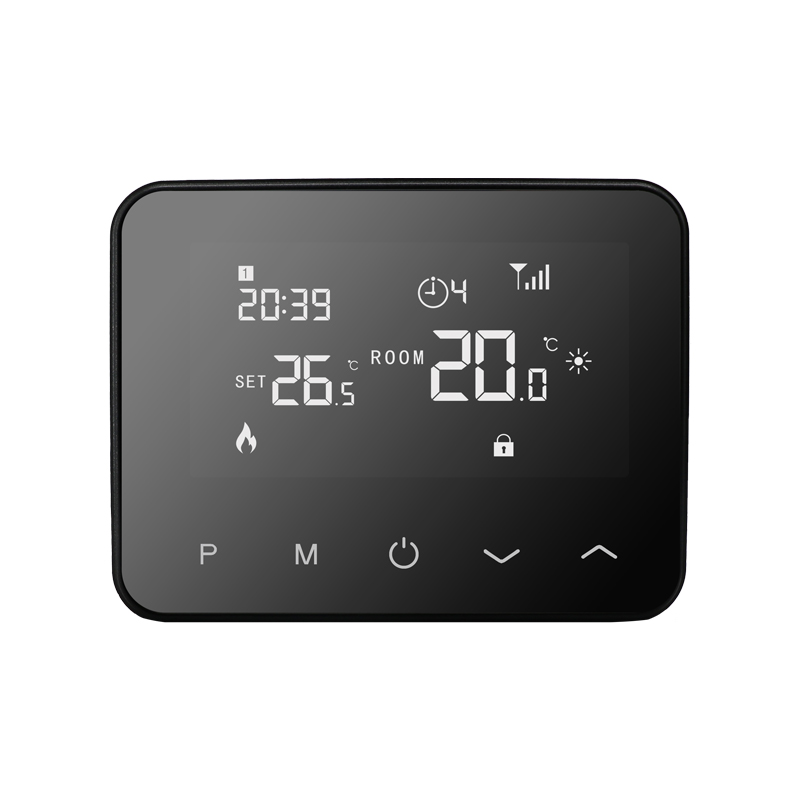
As home heating and cooling needs become more diverse, thermostats are increasingly valued for improving comfort. Among the available options, plug-in thermostats stand out for their simplicity and flexible installation. But are they really suitable for users who are new to smart temperature control? This article explores their usability, feature experience, application scenarios, and buying tips to help beginners make an informed choice.

Ease of Use for Beginners
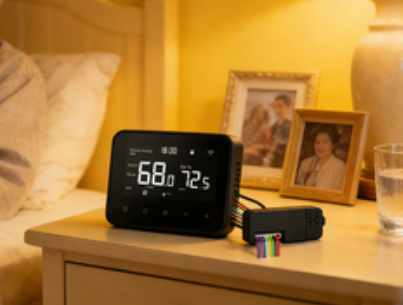
The main advantage of plug-in thermostats is their “plug-and-play” convenience. Users simply insert the thermostat into a wall outlet and plug a heater or fan into the thermostat. There is no need for complex wiring or adjustments to a central HVAC system, making them ideal for rented spaces or temporary temperature control.
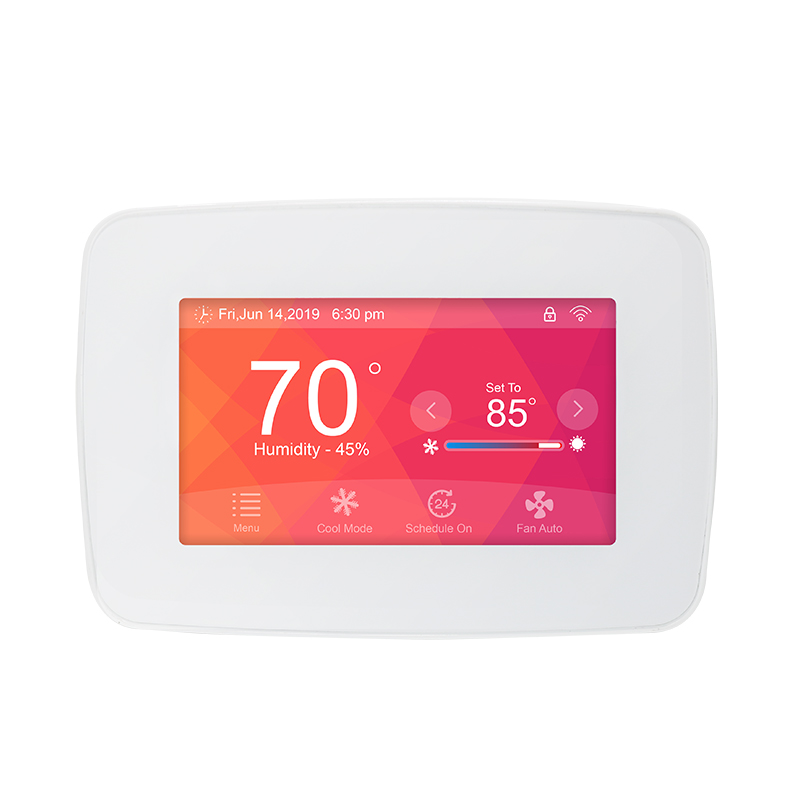
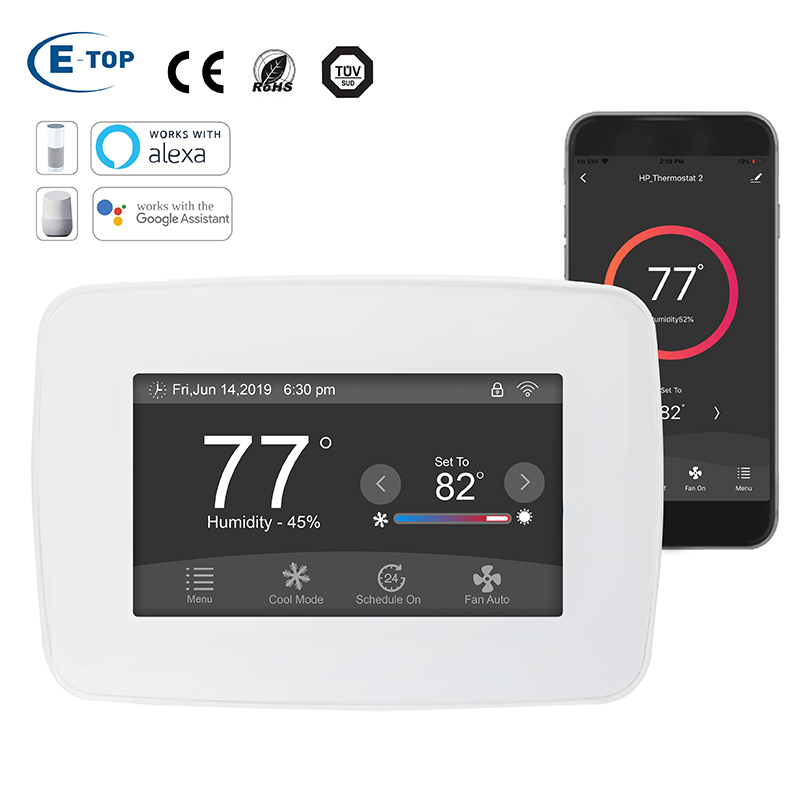
Most models feature intuitive interfaces, such as knobs, buttons, or basic LED displays, allowing users to quickly set target temperatures and schedules. This low barrier to entry significantly reduces the learning curve for beginners.
Feature Experience and Beginner Adaptability
While plug-in thermostats focus on essential functions—temperature measurement, automatic switching, and power control—these are sufficient for most household needs. Beginners do not need to worry about complex settings and can typically complete the setup within minutes.
Higher-end models may offer additional features like timers, energy-saving modes, or temperature hysteresis for smoother control. Beginners may not use all these functions initially, but they provide opportunities to explore more precise control once the basic operation is familiar.
Suitable Usage Scenarios
Plug-in thermostats are particularly useful in the following situations:
Single-room control: Bedrooms, study rooms, or small spaces where quick adjustments are needed.
Rental apartments: No need to modify wiring or structure; installation is simple.
Localized heating or cooling: Compatible with heaters, fans, oil-filled radiators, and similar devices.
Temporary or emergency temperature control: Ideal for occasional winter heating or summer cooling needs.
It is important to note that plug-in thermostats are not designed for whole-home control or integration with complex HVAC systems. Beginners should select a model based on the intended usage.
Tips for Beginner Users
To maximize the thermostat experience, beginners should consider:
Match power capacity: Ensure the thermostat supports the wattage of the connected heating or cooling device to prevent overload.
Choose an easy-to-read interface: LED displays or simple knob controls are intuitive and facilitate quick adjustments.
Prioritize safety features: Short-circuit protection and overheat cutoff enhance safety and peace of mind.
Proper placement: Position the thermostat in an area with good air circulation, away from direct heat sources or cold drafts to ensure accurate readings.
Following these simple steps helps beginners quickly master operation and enjoy stable temperature control.
Advantages and Limitations
The main benefits of plug-in thermostats are ease of use, simple installation, and suitability for small spaces or rental environments. Limitations include lower control precision and lack of system integration, making them less suitable for whole-home automation or situations demanding high-accuracy temperature control.
For beginners, the advantages far outweigh the limitations. The device allows new users to immediately experience improved comfort with minimal effort.
Conclusion
Overall, plug-in thermostats are highly suitable for beginners. Their low learning curve, simple operation, and focused features enable users to quickly enjoy the benefits of controlled temperatures. By choosing the correct power rating, prioritizing safety, and ensuring proper placement, beginners can achieve stable and reliable temperature control. For those looking to improve comfort in individual rooms while maintaining affordability and convenience, plug-in thermostats are an excellent choice.