
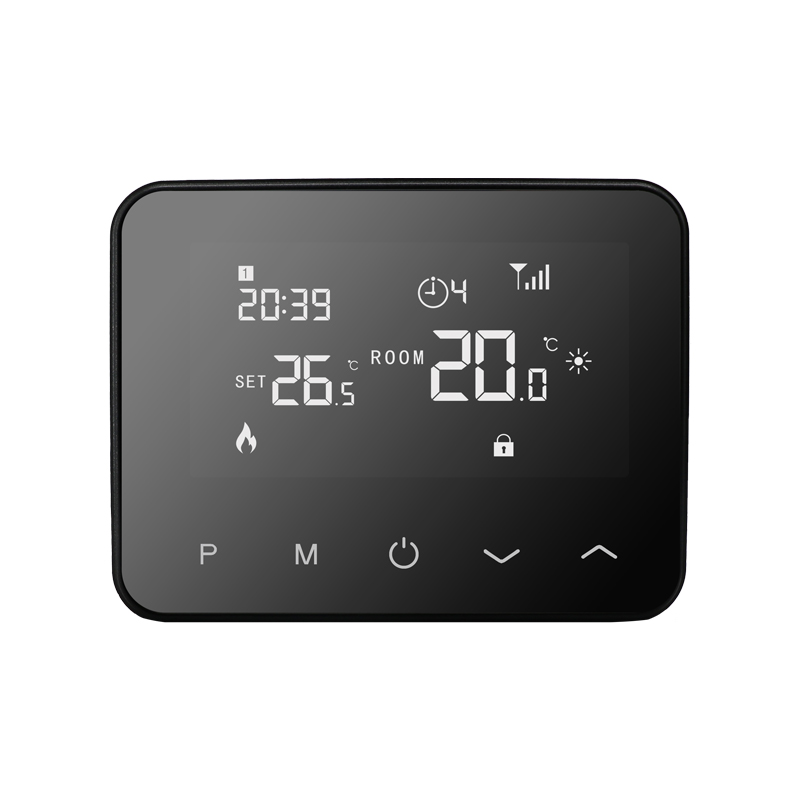
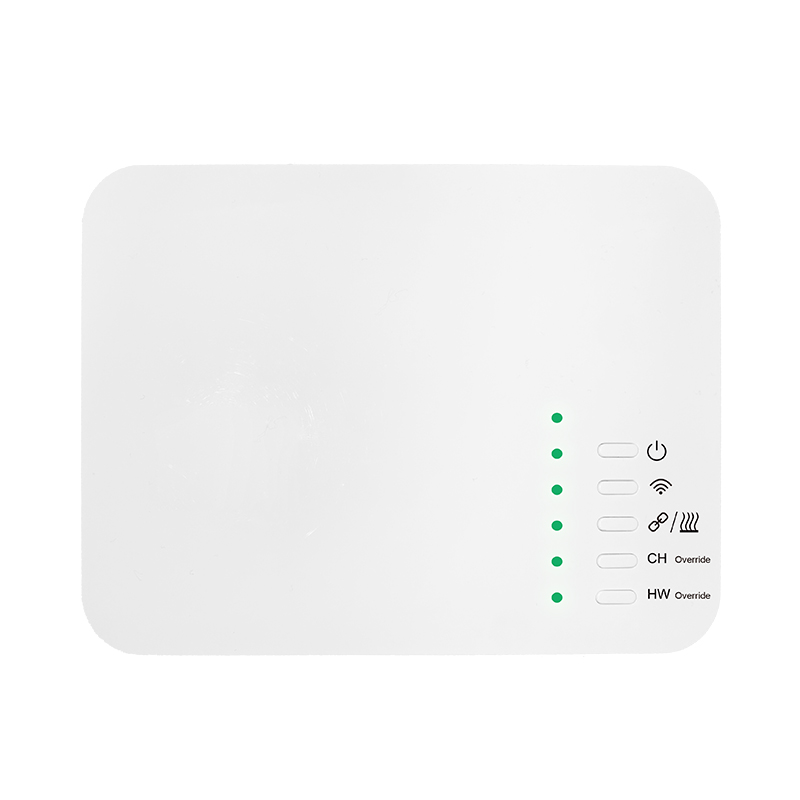
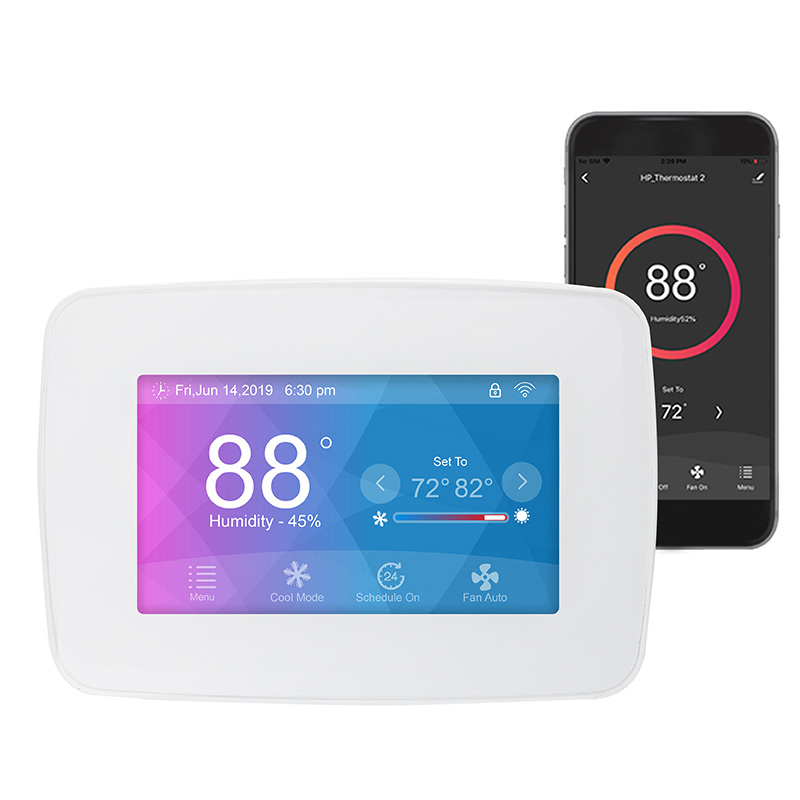
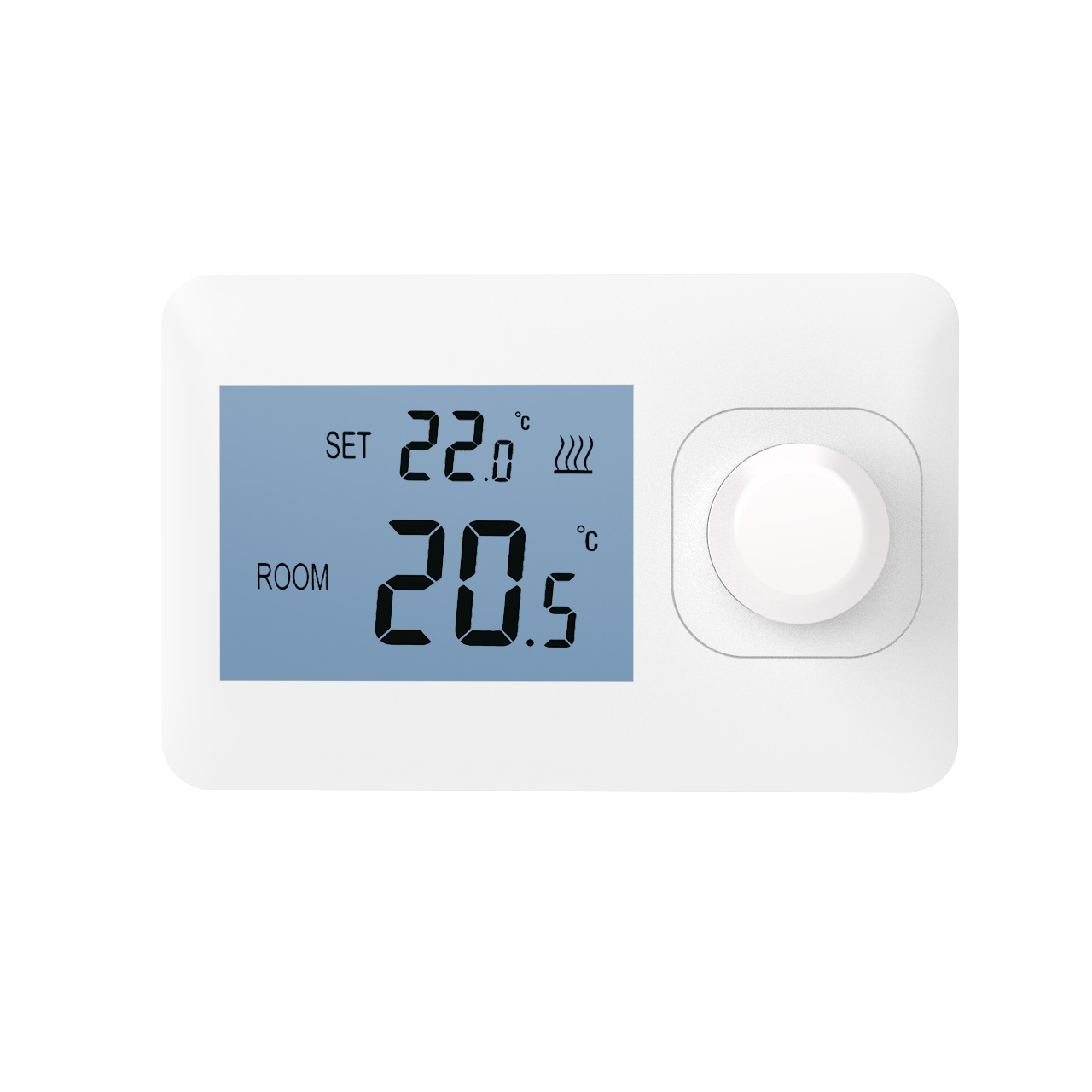
With the advancement of building intelligence and digitalization, touchscreen fan coil unit (FCU) thermostats are increasingly adopted in hotels, office buildings, and high-end residential projects. Compared with traditional button-type thermostats, touchscreen models offer noticeable changes in appearance, user interaction, and functional integration. This raises a common question: are touchscreen FCU thermostats really easy to use? The answer depends on functionality, user experience, and application scenarios.
More Intuitive User Operation
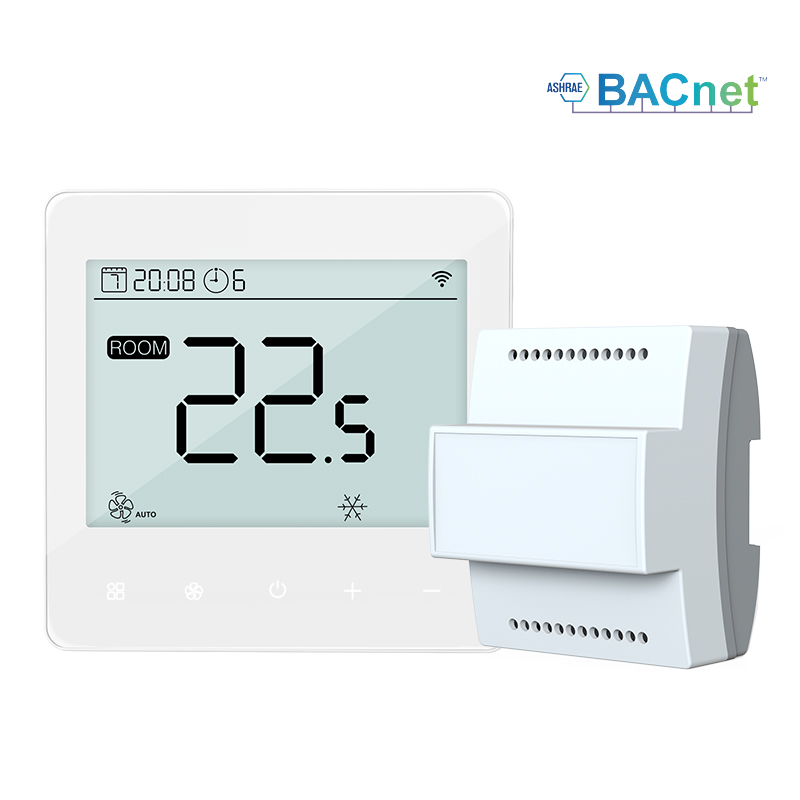
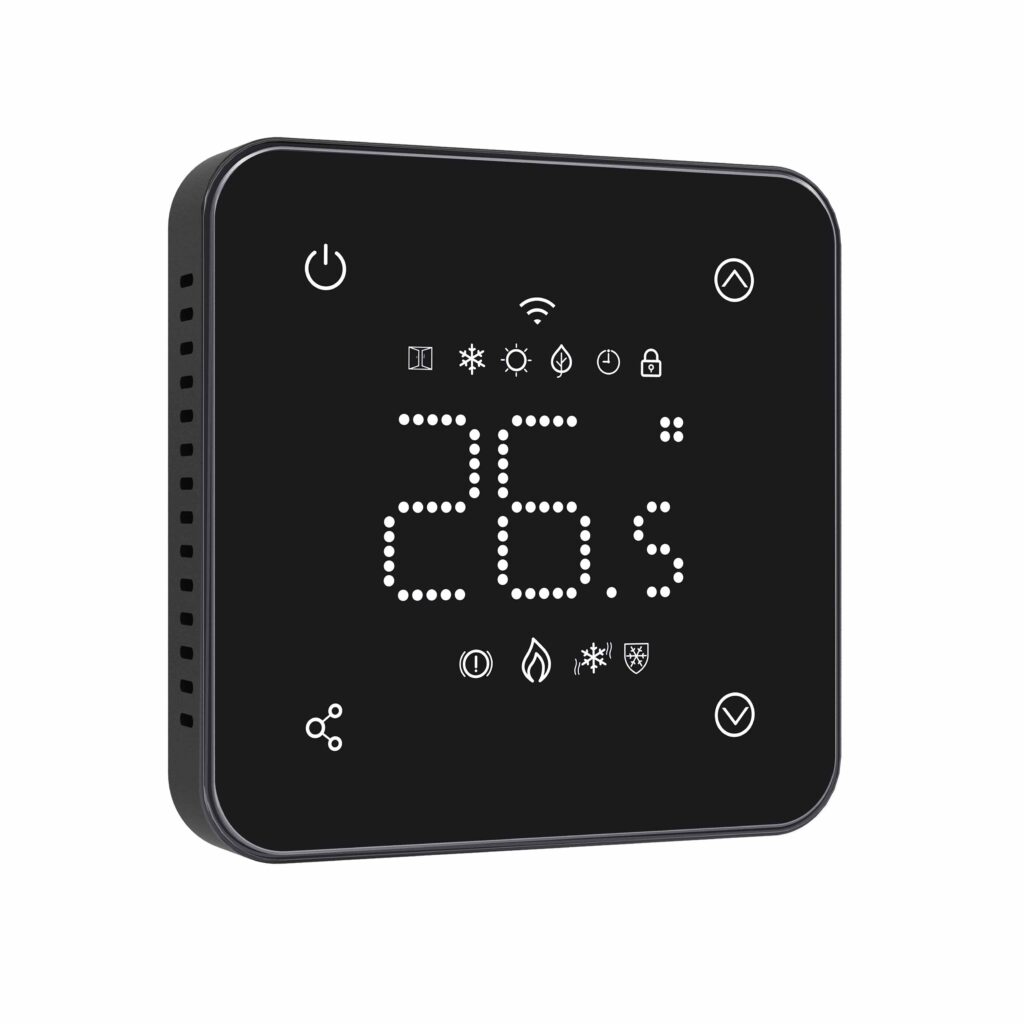
Touchscreen thermostats feature graphical user interfaces that clearly display temperature, operating mode, and fan speed. Users can complete settings with simple touch actions. Compared with traditional button-based devices, touchscreen models reduce the number of physical keys and offer cleaner layouts. Their operation logic is closer to that of smartphones, making them easier for first-time users.
In hotels and public buildings, intuitive interfaces help reduce misuse and improve overall user satisfaction.
Higher Level of Functional Integration
Touchscreen FCU thermostats generally support more advanced features beyond basic cooling, heating, and fan speed control. These may include scheduling, temperature trend display, energy-saving modes, and fault alerts.
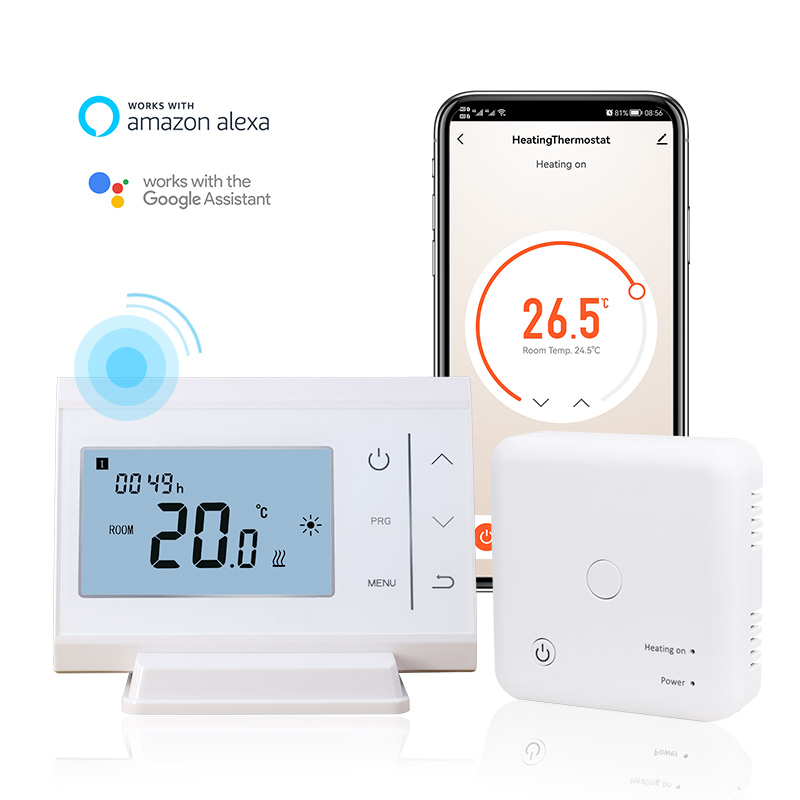
Many models also support communication protocols such as Modbus or BACnet, enabling integration with building management systems (BMS) for centralized monitoring and remote control. This high level of integration gives touchscreen thermostats a clear advantage in smart building applications.
Clearer Display and Feedback
Digital touchscreen displays provide clear and real-time feedback on room temperature, setpoint, and operating status. Some models allow multiple parameters to be shown simultaneously, enabling maintenance personnel to quickly assess system performance.
Clear visual feedback helps users and operators identify abnormalities such as temperature deviation, communication faults, or system alarms at an early stage.
Durability and Environmental Adaptability
Compared with mechanical buttons, touchscreens are more sensitive to environmental conditions. High humidity, dust, or oily environments may affect touch responsiveness and service life. In such cases, thermostats with protective designs against moisture and dust should be selected.
In typical commercial and residential environments, touchscreen FCU thermostats generally provide sufficient durability for long-term use.
5. Maintenance and Cost Considerations
Touchscreen FCU thermostats usually have higher manufacturing and purchase costs than traditional button-type models. Maintenance costs may also be higher, especially if the screen is damaged and requires replacement.
However, from a long-term perspective, improved user experience and higher management efficiency can offset the initial investment in many projects.
6. Suitable Application Scenarios
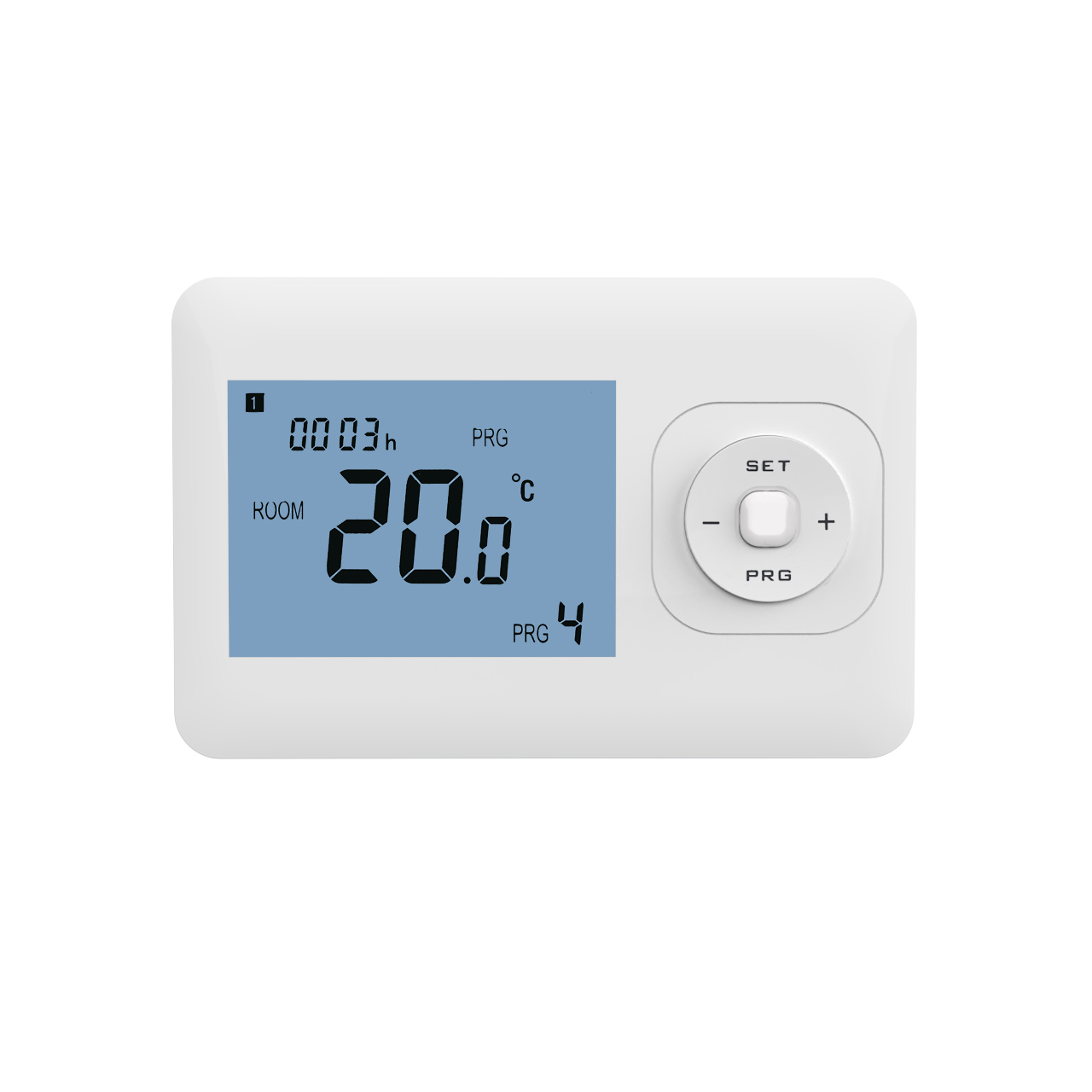
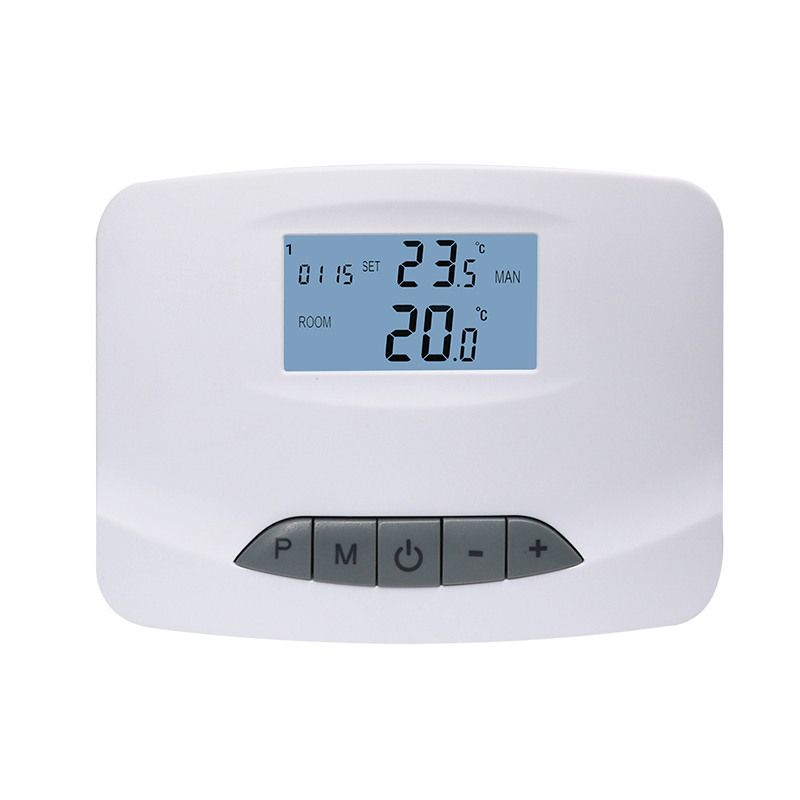
Touchscreen fan coil unit thermostats are particularly suitable for applications with high requirements for aesthetics, functionality, and intelligent control, such as star-rated hotels, premium office buildings, commercial complexes, and smart residential projects. In cost-sensitive projects or harsh environments, traditional button-type thermostats may remain the preferred choice.
Conclusion
Touchscreen fan coil unit thermostats perform well in terms of user interaction, functional integration, and information display, meeting the needs of modern intelligent buildings. At the same time, selection should consider environmental conditions, maintenance requirements, and project budget. Choosing the right thermostat based on actual application scenarios ensures optimal performance and achieves a balance between comfort, efficiency, and cost.