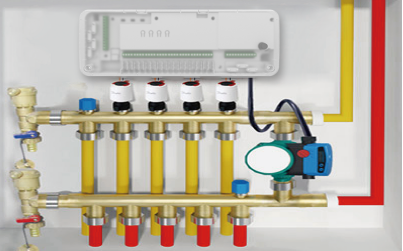
In modern homes and commercial buildings, heating systems have become an essential guarantee of living comfort. However, traditional heating system wiring is complex, with scattered lines, making installation difficult, time-consuming, labor-intensive, and prone to wiring errors, affecting the stable operation of the system. Many homes or small commercial establishments often experience extended construction periods and increased maintenance costs when installing underfloor heating or central heating due to unreasonable wiring layouts. This not only causes headaches for installers but also worries homeowners about potential malfunctions later on. In fact, through scientific planning and reasonable design of the wiring process, the entire installation process of the heating system can be greatly simplified, while improving the system's safety and stability, ensuring that the heating is truly instant and operates smoothly.
How to Simplify the Wiring Process of Heating Systems?

In modern homes and commercial buildings, heating systems have become an essential guarantee of living comfort. However, traditional heating system wiring is complex, with scattered lines, making installation difficult, time-consuming, labor-intensive, and prone to wiring errors, affecting the stable operation of the system. Many homes or small commercial establishments often experience extended construction periods and…

Read article
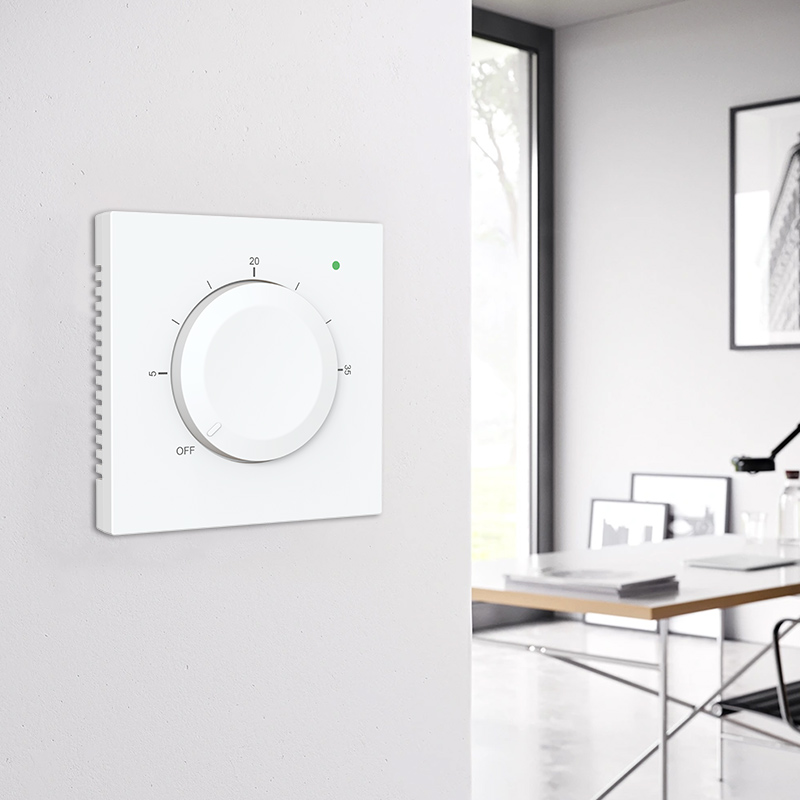
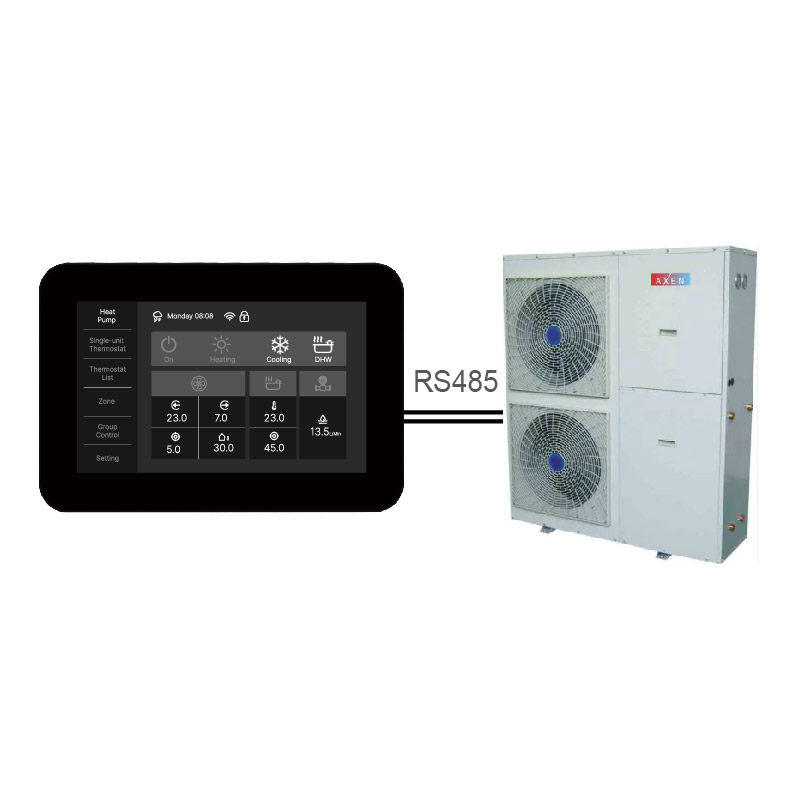
Key Fan Coil Unit Thermostat Performance Indicators Most Valued by Contractors

In commercial buildings, hotels, hospitals, and large residential projects, fan coil unit (FCU) systems are among the most widely used HVAC terminal solutions. During system selection and project implementation, the performance indicators of fan coil unit thermostats play a decisive role in system stability, installation efficiency, and long-term maintenance costs. For contractors, choosing the right…

Read article
Control Logic of Fan Coil Unit Thermostats Across Four-Season Operation

Fan coil unit (FCU) systems are widely used in commercial buildings and residential projects due to their flexible zoning and precise terminal control. Within these systems, the fan coil unit thermostat plays a central role by sensing room temperature, switching operating modes, and controlling equipment operation. As buildings experience changing thermal demands across spring, summer,…

Read article
Key Considerations When Upgrading Fan Coil Unit Thermostats in Retrofit Projects

In building renovation and HVAC retrofit projects, upgrading fan coil unit (FCU) thermostats is often one of the most cost-effective improvements. Compared with replacing the entire air-conditioning system, thermostat upgrades require less construction work and deliver quick results. However, improper selection or installation can lead to unstable control, comfort issues, or even increased energy consumption.…

Read article
What is the function of a thermostatic radiator valve?

On a cold winter’s day, when you step into a warm indoor space and enjoy the spring-like comfort, have you ever thought about the unsung hero behind it all—the thermostatic radiator valve? Though inconspicuous, it plays a crucial role in home heating systems, precisely regulating indoor temperature to create a comfortable and pleasant living environment.…

Read article
How to choose the right thermostatic valve model?

In home heating systems, radiator thermostatic valves, though small in size, play a crucial role. Like a smart “butler,” they precisely regulate indoor temperature, ensuring a warm and comfortable living environment even in the cold winter. However, faced with the dazzling array of thermostatic valve models on the market, many consumers often feel confused and…

Read article
How to Achieve Independent Temperatures in Each Room?

Temperature has always been a concern in many households, but it wasn’t always taken seriously. For example, the living room might be cool with the air conditioner on, but the bedroom might feel uncomfortable; the elderly might feel cold, while children might feel hot; a sunny room might be unbearably hot during the day, while…

Read article
Why should each room have its own independent temperature?

Many people, when using underfloor heating or air conditioning, habitually set the entire house to a fixed temperature, believing it to be the simplest and most convenient method. While this seems convenient on the surface, the actual experience is often unsatisfactory: the living room is warm and comfortable, but the bedroom is too cold; daytime…

Read article