
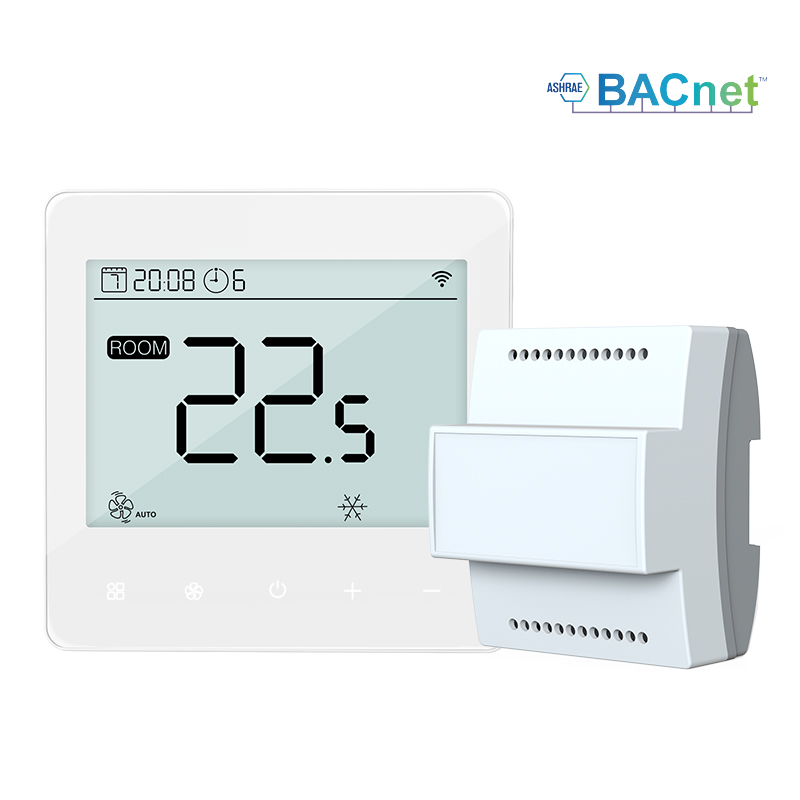
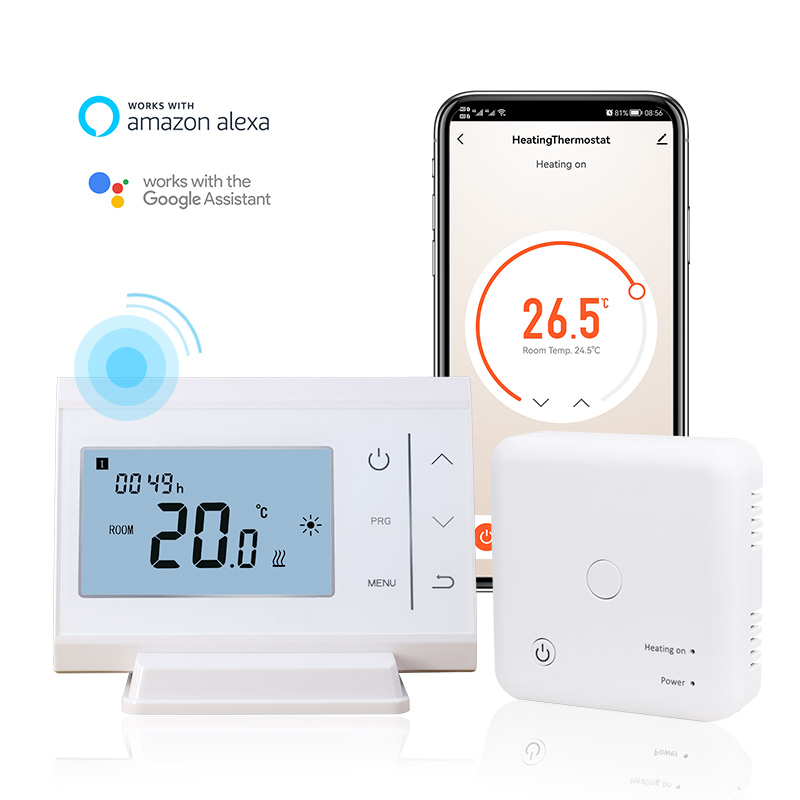
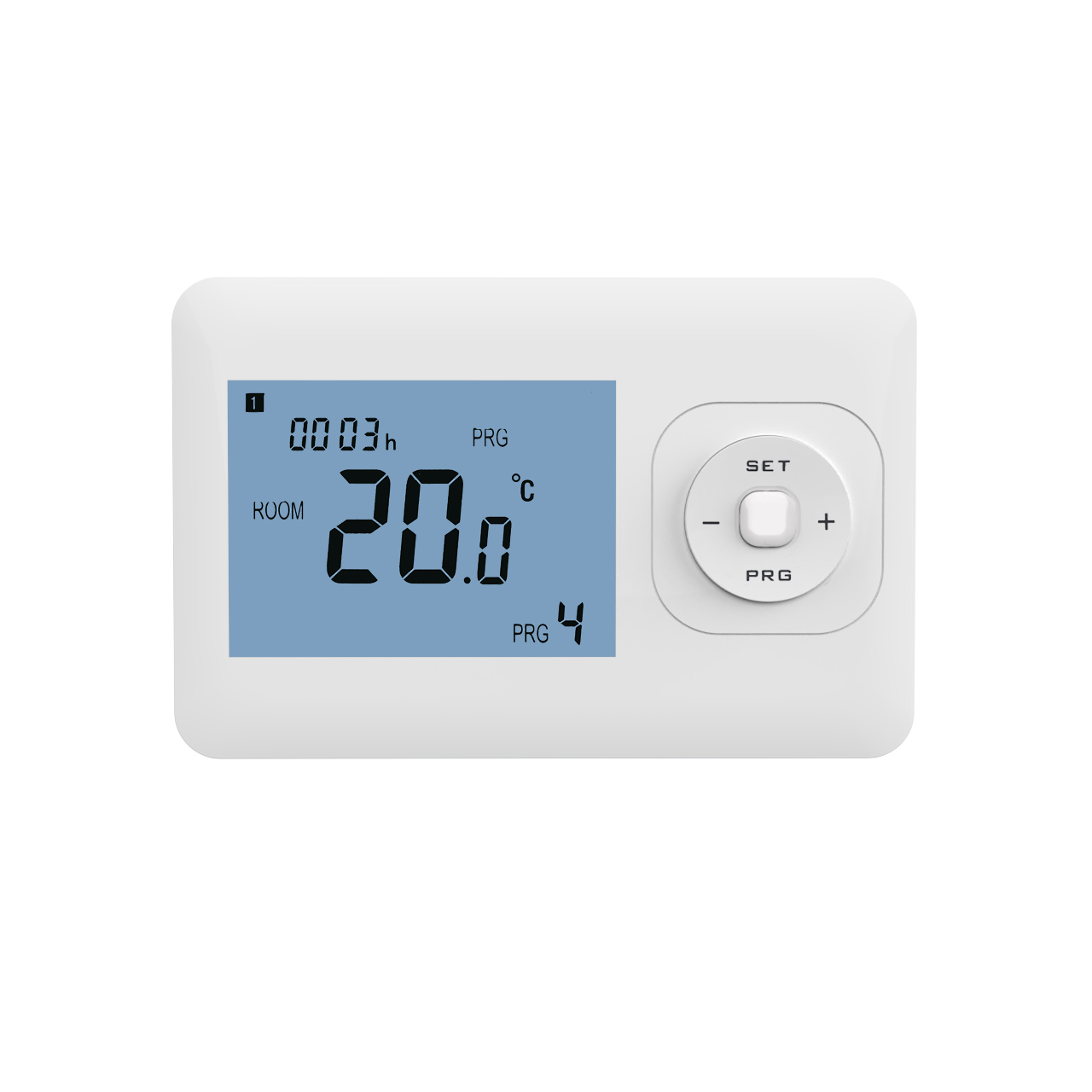
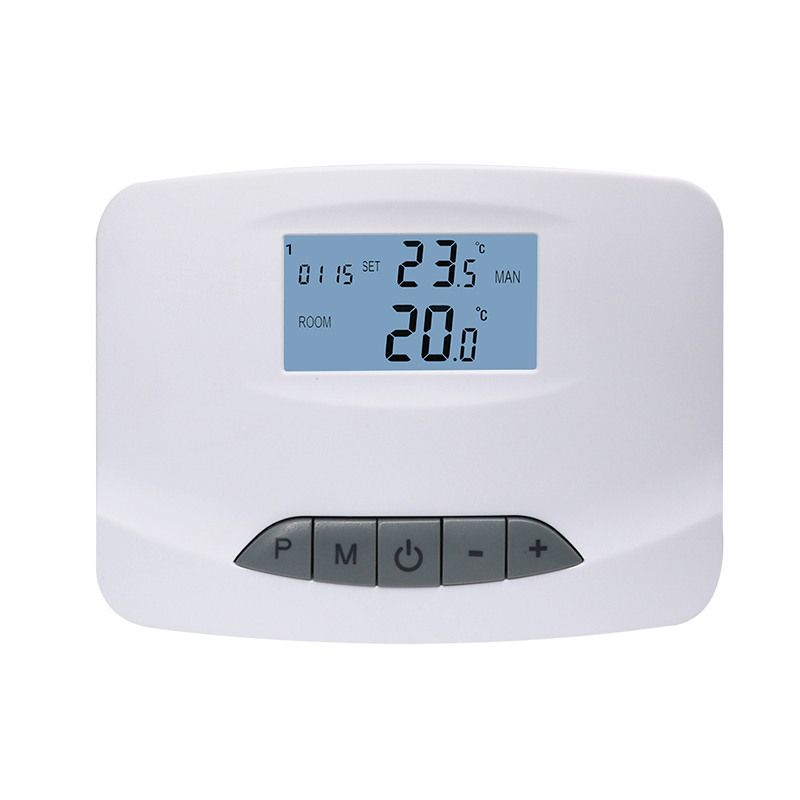
For users new to electric floor heating systems, the correct operation of the thermostat directly affects heating efficiency, comfort, and electricity consumption. Although modern thermostats are increasingly intelligent, first-time users may still face operational challenges. This guide covers basic functions, temperature adjustment, timer settings, mode selection, and maintenance tips to provide beginners with a comprehensive overview.
1. Understand the Thermostat’s Basic Functions
The core role of an electric floor heating thermostat is to adjust and maintain indoor temperature. Most thermostats include the following features:
Temperature Adjustment: Set the desired temperature; the thermostat automatically controls heating power based on actual room temperature.
Timer Function: Schedule heating on a daily or weekly basis for on-demand operation.
Mode Selection: Offers energy-saving, comfort, and manual modes to meet different needs.
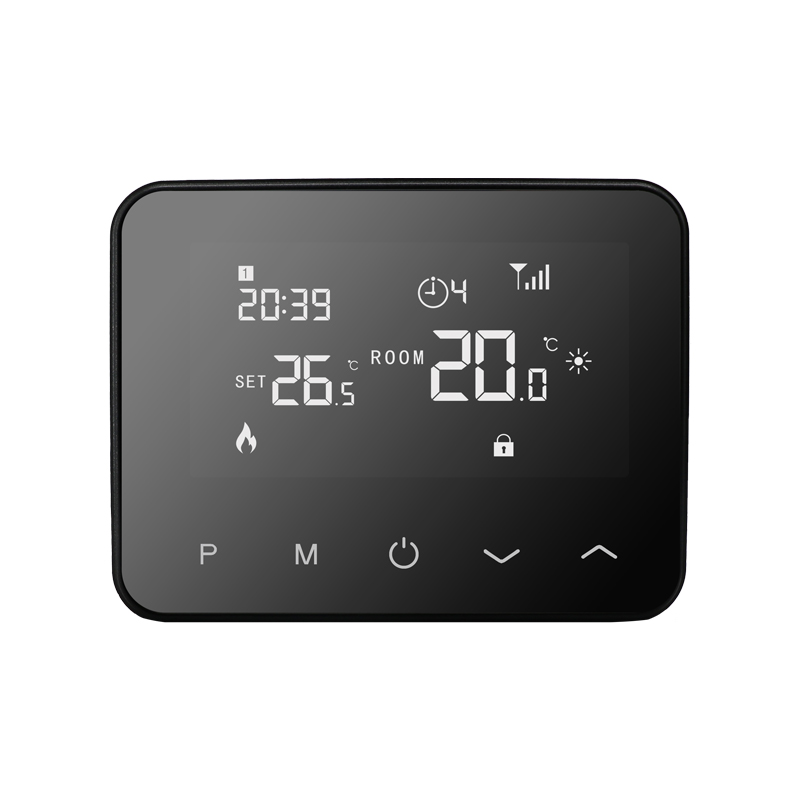
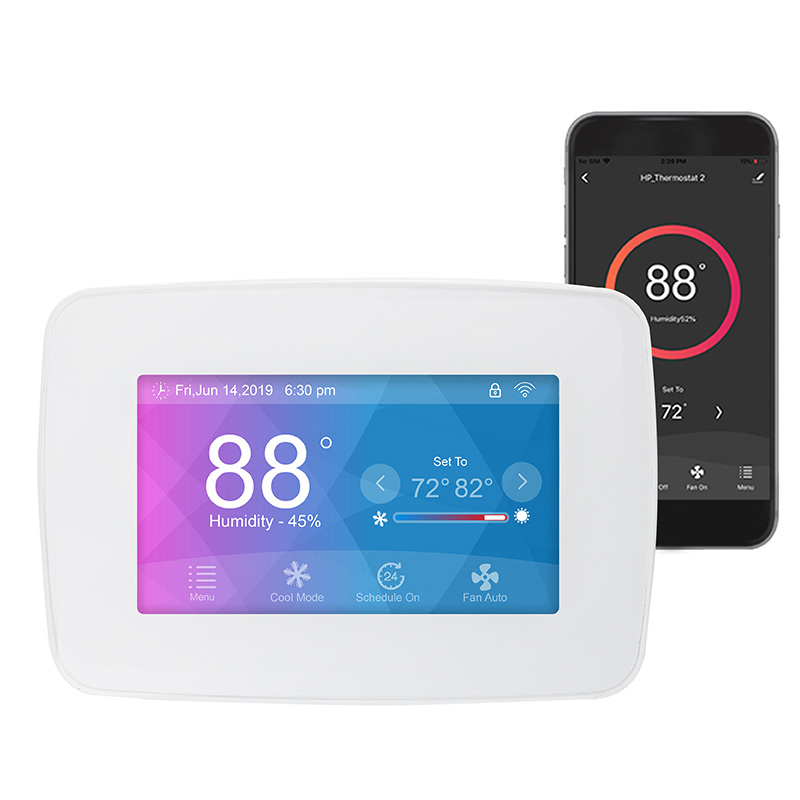
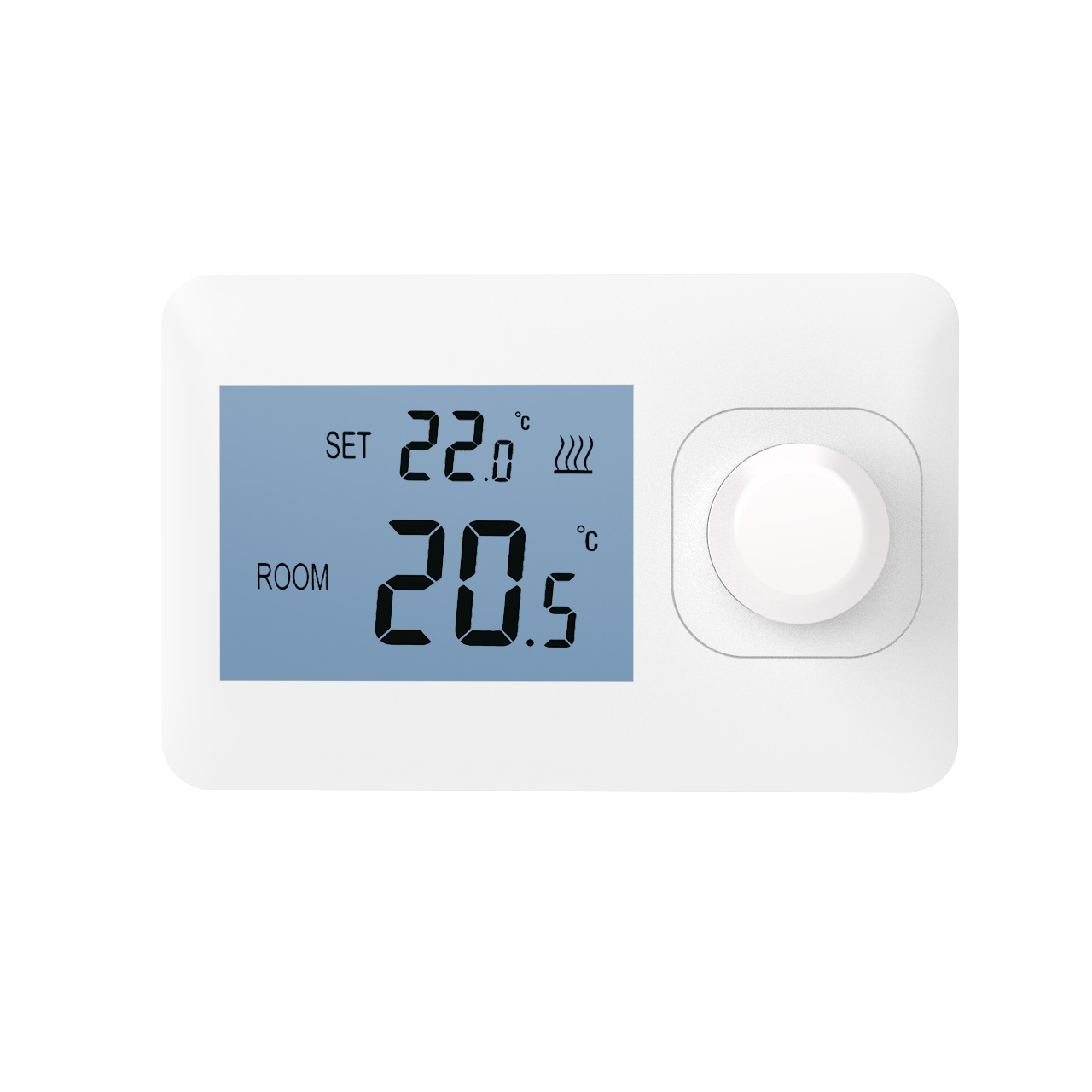
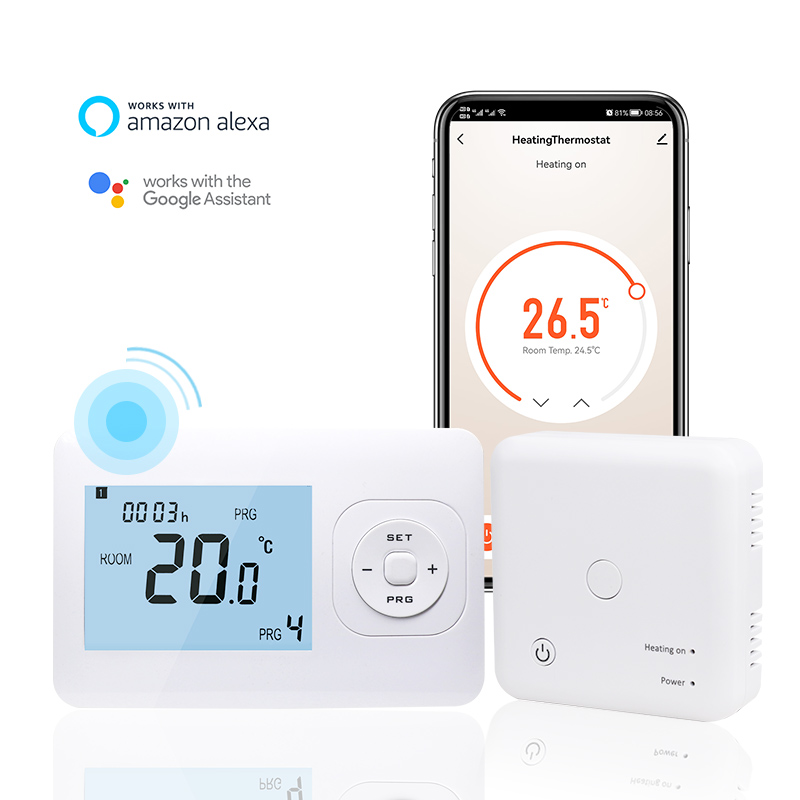
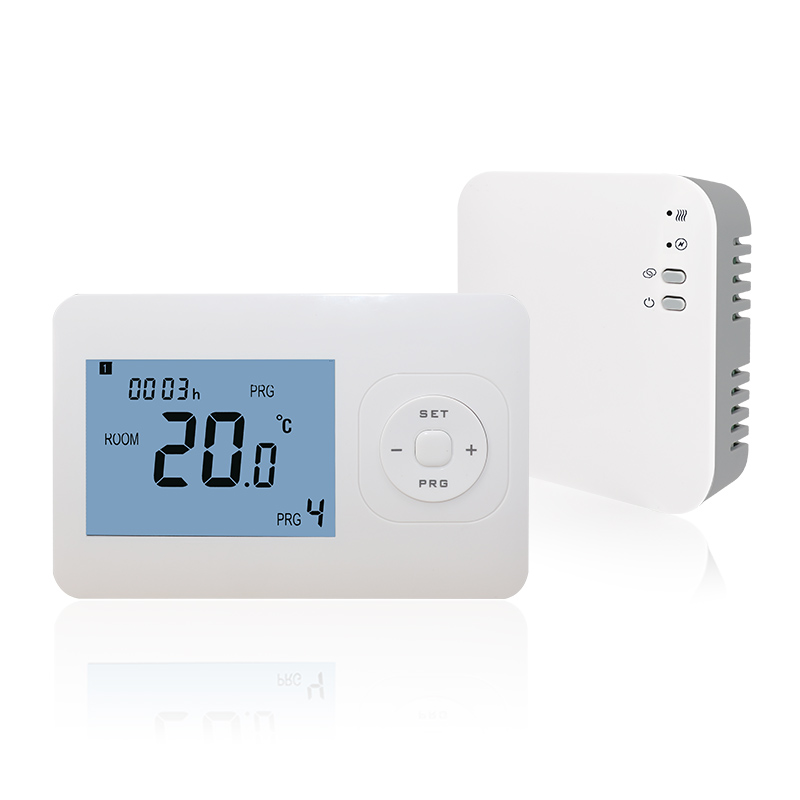
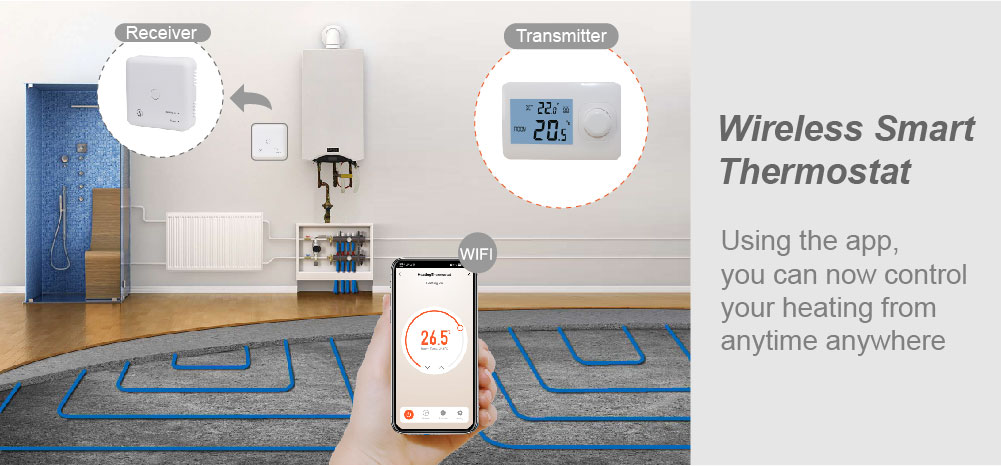
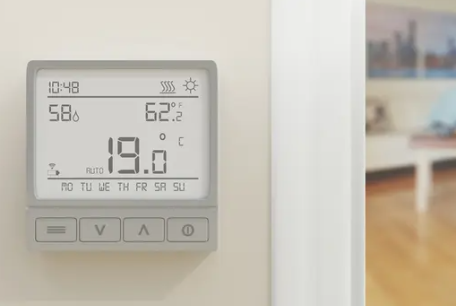
Display and Alerts: The thermostat panel usually shows current temperature, set temperature, and operating status; some smart thermostats can be monitored and controlled via mobile apps.
Beginners should familiarize themselves with the panel buttons and display information to avoid confusion during use.
2. How to Adjust Temperature
Proper temperature settings are key to comfort and energy savings. Beginners can follow these guidelines:
Set an appropriate room temperature: In winter, 18°C–22°C is recommended to maintain comfort without wasting energy.
Zone control: If the system supports multiple zones, set different temperatures for each room—for example, slightly lower in bedrooms and moderate in living areas.
Adjust gradually: Thermostats respond with some delay; avoid frequent changes to prevent increased system load and energy consumption.
Reasonable temperature adjustment balances comfort and efficiency.
3. Using Timers and Smart Controls
Make full use of timer functions to optimize heating schedules:
Schedule settings: Lower temperatures at night and raise them before returning home for on-demand heating.
Smart modes: Some thermostats support app or voice control for remote adjustments and automated scenes.
Energy-saving mode: Use this mode when away or at night to reduce unnecessary power consumption.
Timers and smart controls improve convenience while helping save energy.
4. Mode Selection and Operational Tips
Different modes suit different situations:
Comfort Mode: Maintains a stable temperature, ideal for daytime home use.
Energy-Saving Mode: Reduces power output, suitable for nighttime or when away.
Manual Mode: Allows full control over temperature and timing for special needs.
Beginners should start with comfort mode to get familiar with the thermostat, then gradually explore other modes according to actual needs.
5. Maintenance and Precautions
Routine maintenance ensures thermostat performance and longevity:
Clean the panel and sensors regularly: Dust can affect temperature detection and heating accuracy.
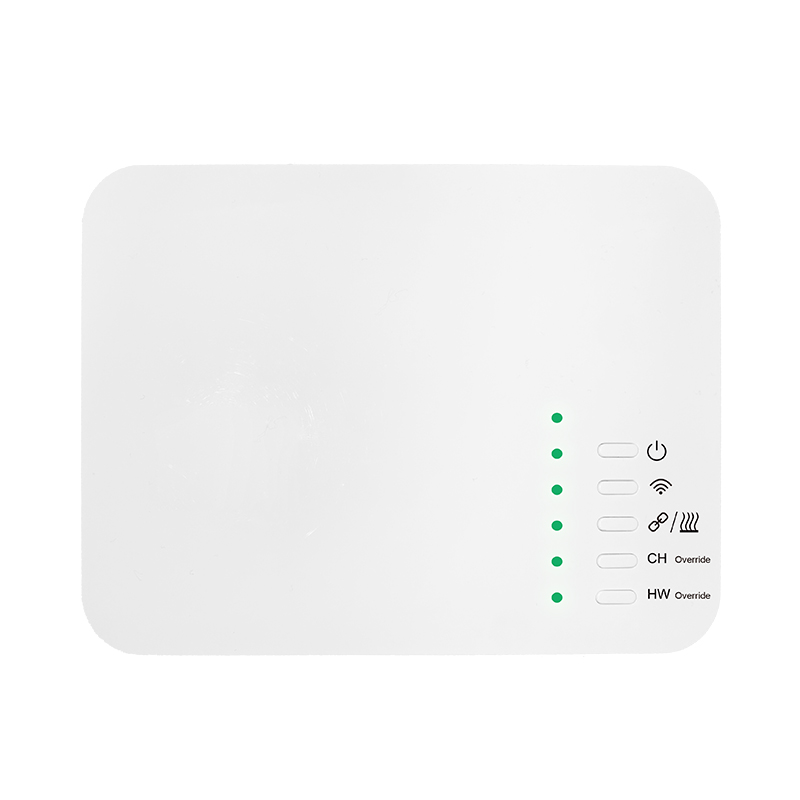
Check wiring and connections: Ensure power connections are secure to prevent loosening or aging-related issues.
Maintain a stable indoor environment: Properly sealed doors and windows reduce heat loss, improving thermostat efficiency.
Follow the user manual: Avoid disassembling or modifying the thermostat to ensure safe operation.
Conclusion
In summary, the key for beginners to operate an electric floor heating thermostat is to understand its functions, adjust temperatures reasonably, use timers and modes wisely, and maintain the system regularly. Mastering these basics ensures stable, comfortable heating while effectively reducing electricity consumption, providing an efficient and energy-saving home heating experience.