
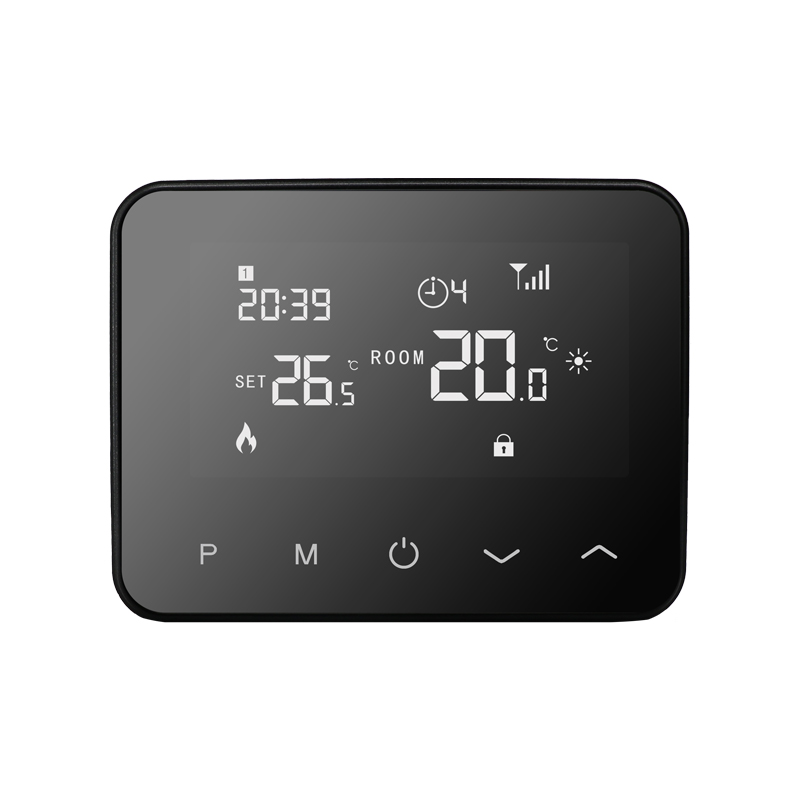
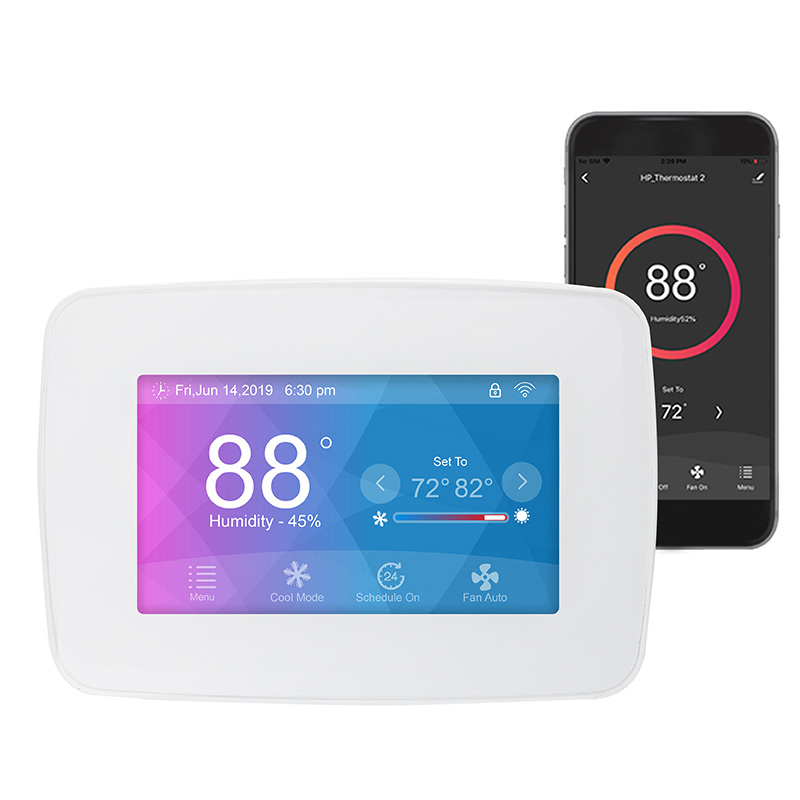
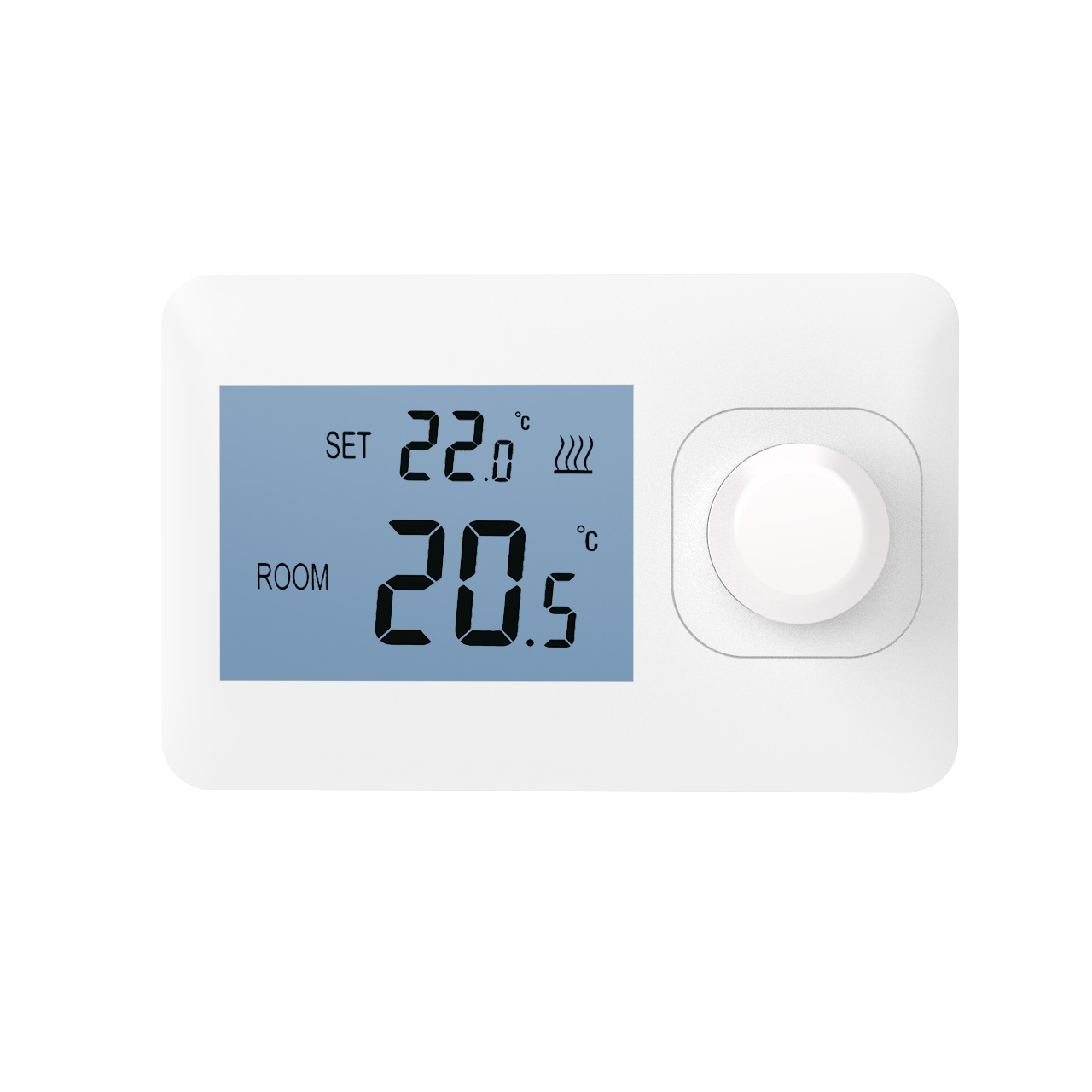
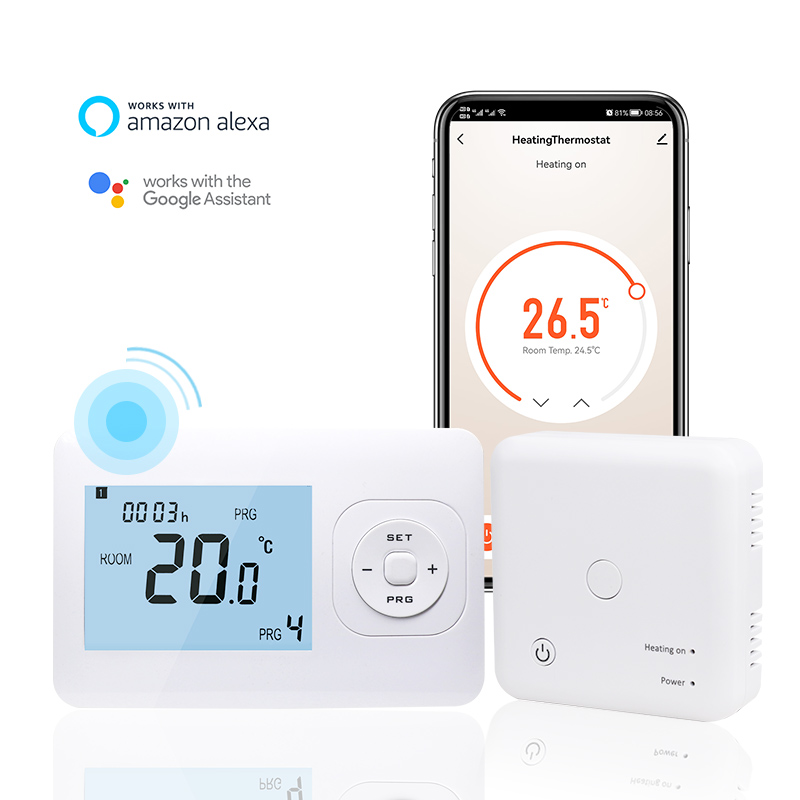
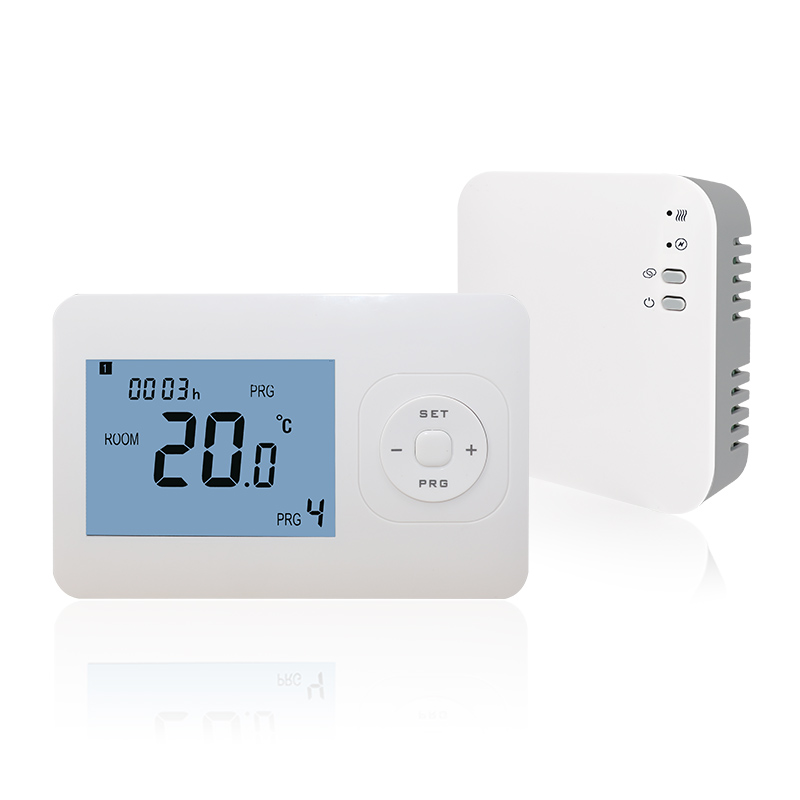
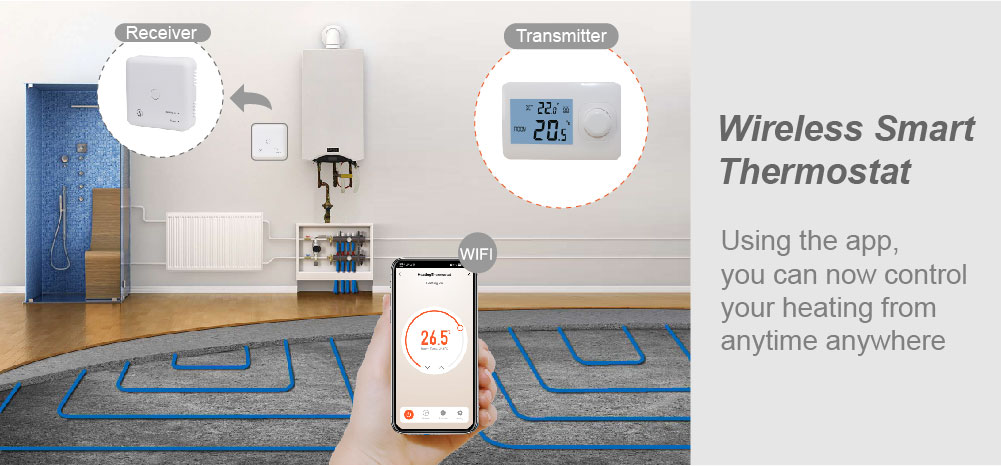
Boiler thermostats are the core equipment for regulating the temperature of heating systems, and their operational accuracy directly affects indoor comfort and energy consumption. A heating company conducted a follow-up survey of 1,000 households and found that users who used thermostats properly consumed 23% less gas in winter than those who adjusted them arbitrarily, while the indoor temperature fluctuation range was reduced to ±1.5℃. This data reveals the importance of thermostat usage techniques—scientific settings and daily maintenance can improve the living experience and achieve significant energy savings.
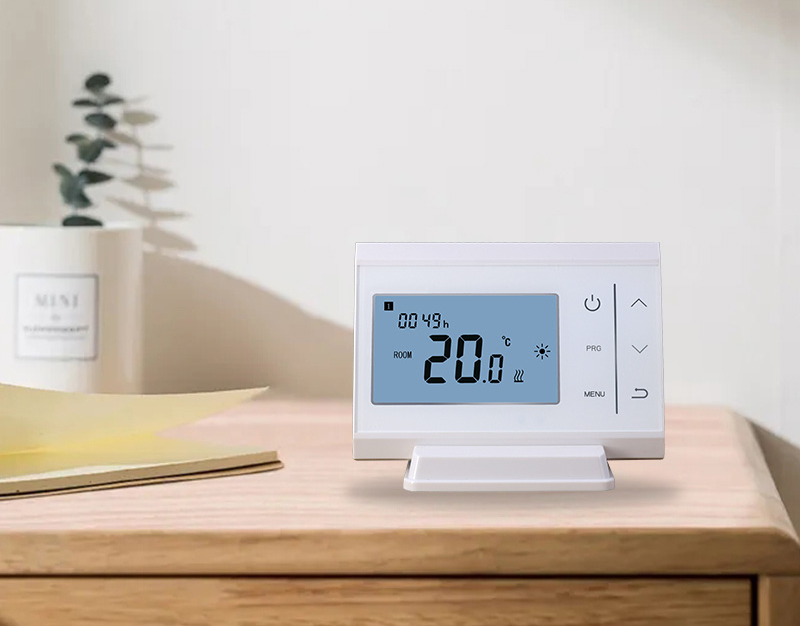
The Golden Rule of Temperature Setting: Balancing Comfort and Energy Consumption
Thermostat temperature settings must consider both human comfort and energy efficiency. During winter heating, it is recommended to set the temperature in daytime activity areas at 20-22℃ and lower it to 18-20℃ in nighttime sleeping areas. A laboratory simulation experiment showed that when the room temperature drops from 22℃ to 20℃, the difference in human thermal perception is only 0.3 (using the ASHRAE seven-level thermal perception scale), but the heating energy consumption per square meter per hour can be reduced by 12%. For rooms unused for extended periods (such as storage rooms), the temperature can be set below 15℃ to avoid ineffective heating. In summer cooling scenarios, the thermostat in an air conditioning and boiler linkage system should be set between 26-28℃ to prevent condensation damage and reduce condensate production.
Smart Mode Selection: Adapting to Different Needs
Modern thermostats typically feature multiple operating modes; choosing the right mode can significantly improve the user experience. For example, the “programmable mode” allows users to set different temperatures for weekdays/weekends and day/nighttimes. Real-world testing data from a certain brand of thermostat shows that using the programming mode reduced the average number of temperature adjustments per day from 5 to 1, and shortened the time to reach the target temperature by 40%. The “away mode” is suitable for short-term trips away from home. By setting the temperature between 12-15℃, it prevents pipes from freezing and avoids energy waste—a household test showed that using the away mode reduced gas consumption by 65% during an 8-hour absence. For underfloor heating systems, it is recommended to select the “underfloor heating dedicated mode,” which extends the heating cycle and reduces the intensity of each heating cycle, preventing floor deformation due to sudden temperature increases.
Hidden Considerations for Installation Location: Impact on Data Acquisition Accuracy
The installation location of a thermostat directly affects its measurement accuracy. Avoid installing thermostats in direct sunlight, near doors and windows, or above heating equipment, as temperature fluctuations in these locations can be more than three times the actual room temperature. On-site testing by a heating company found that moving the thermostat from near a window to the center of the room reduced boiler start-up and shutdown frequency by 30%, and narrowed temperature fluctuations from ±3℃ to ±1℃. For multi-story buildings, it is recommended to install a thermostat independently on each floor to avoid temperature control imbalances caused by differences in floor height—actual data from a villa user showed that single-floor thermostat control saves 18% more energy than global control.
Simple Routine Maintenance: Extending Equipment Lifespan
Regular maintenance is key to maintaining thermostat performance. Wipe the sensor probe monthly with a soft cloth to remove dust and oil, preventing measurement deviations; check battery power quarterly (for wireless models), as low battery can cause signal transmission interruptions; contact a professional annually to calibrate the temperature sensor to ensure its measurement error does not exceed ±1℃. Statistics from a repair company show that 70% of thermostat malfunctions stem from long-term lack of maintenance—sensor aging leading to control failure, or battery leakage corroding the circuit board. Furthermore, avoid using highly interfering devices such as induction cookers and microwave ovens near the thermostat to prevent signal interference and malfunctions.
The usage techniques for boiler thermostats cover four dimensions: temperature setting, mode selection, installation location, and daily maintenance. From a comfortable 20°C temperature to intelligent adjustment in programmable modes, from precise installation in a central location to simple maintenance like wiping with a soft cloth, every detail affects the efficiency and stability of the heating system. By mastering these techniques, users can not only enjoy a consistently comfortable indoor environment but also achieve 15%-25% annual energy cost savings, making the thermostat a true “smart manager” for improving quality of life.