
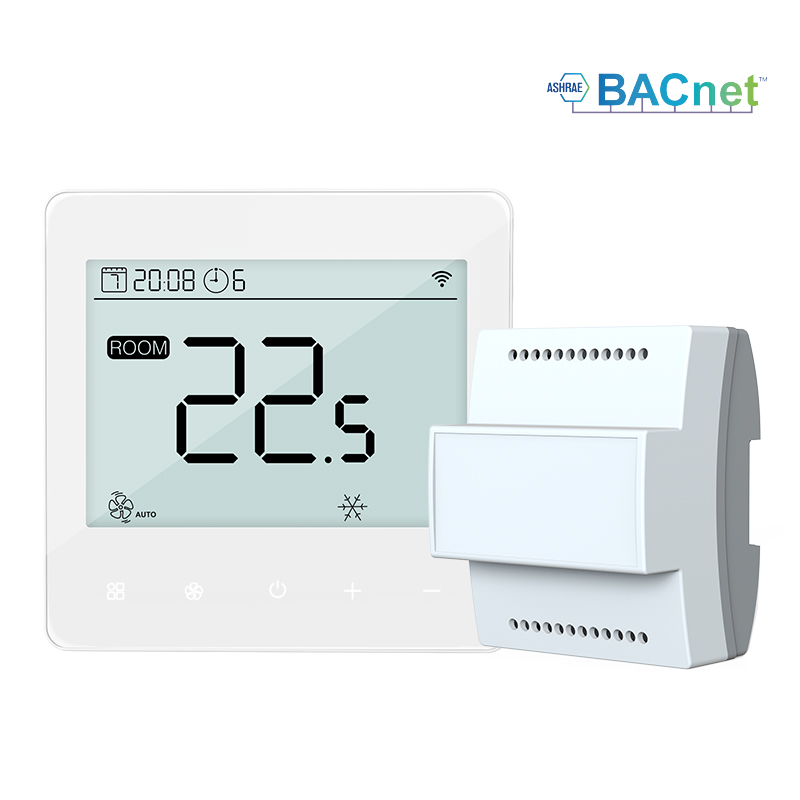
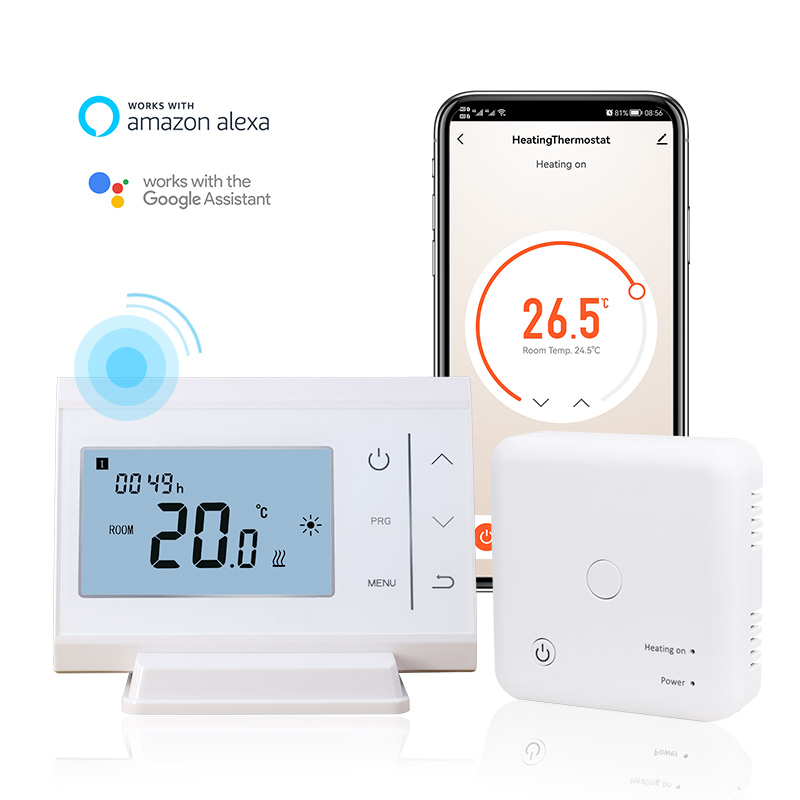
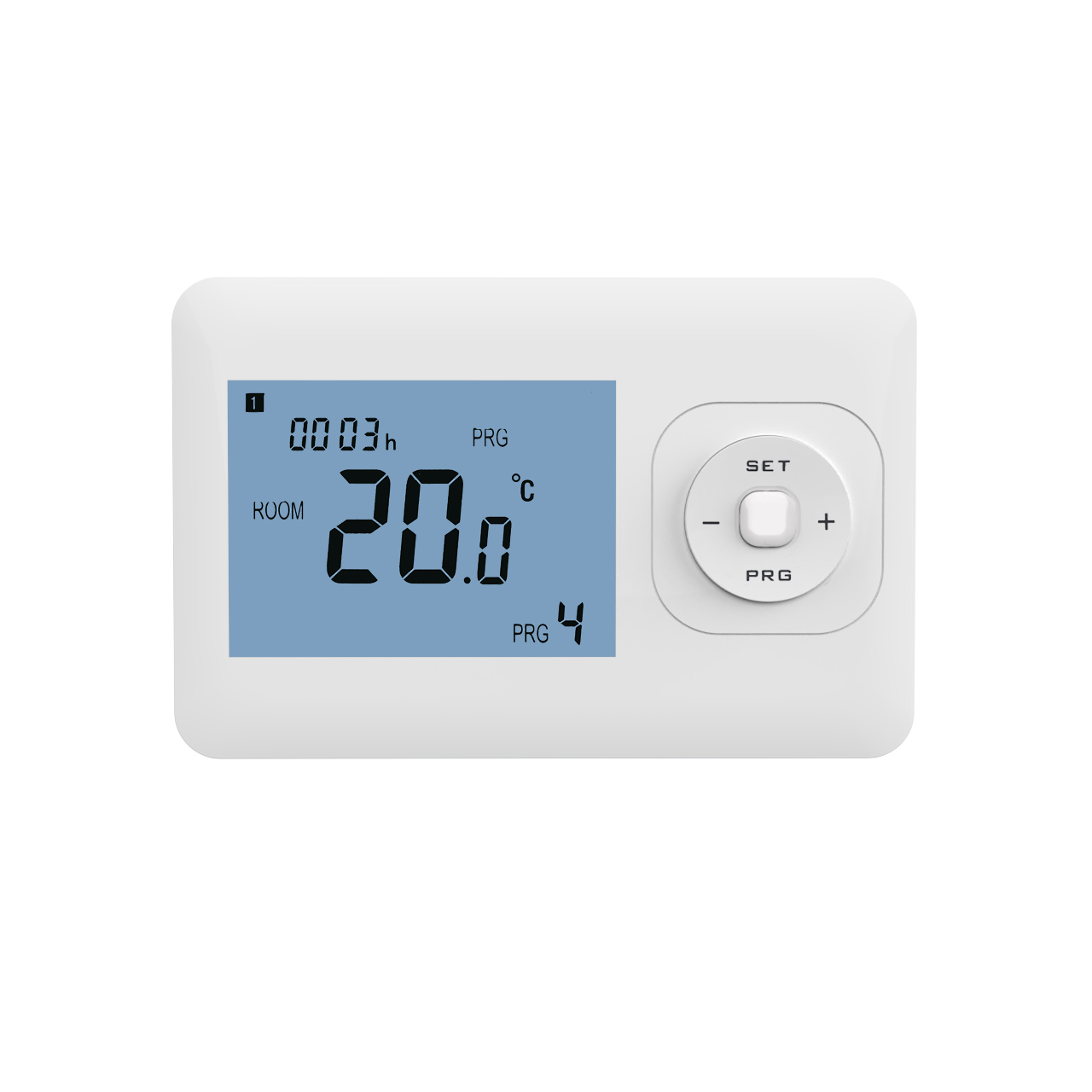
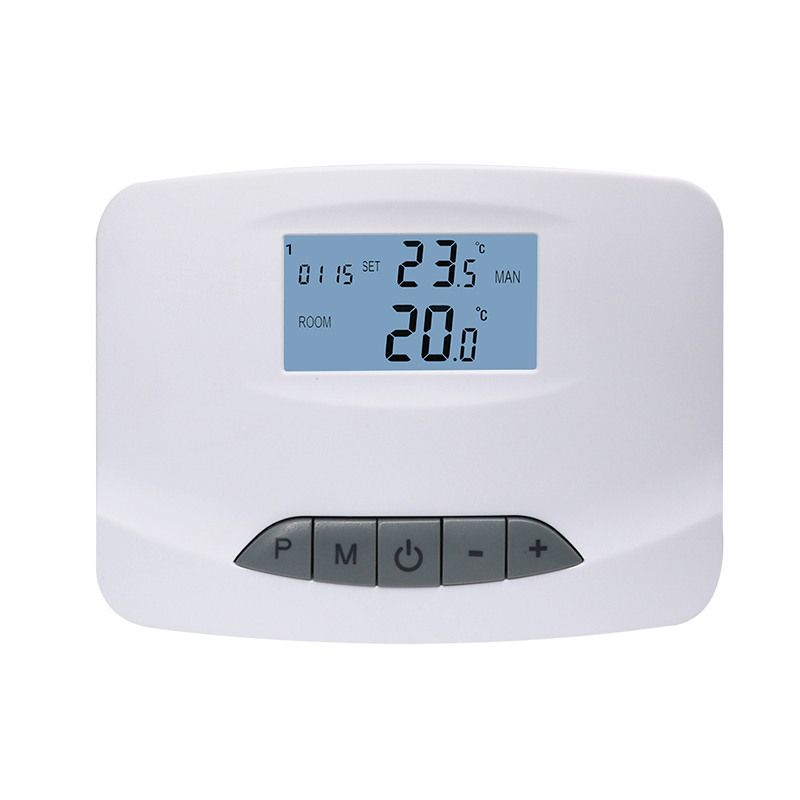
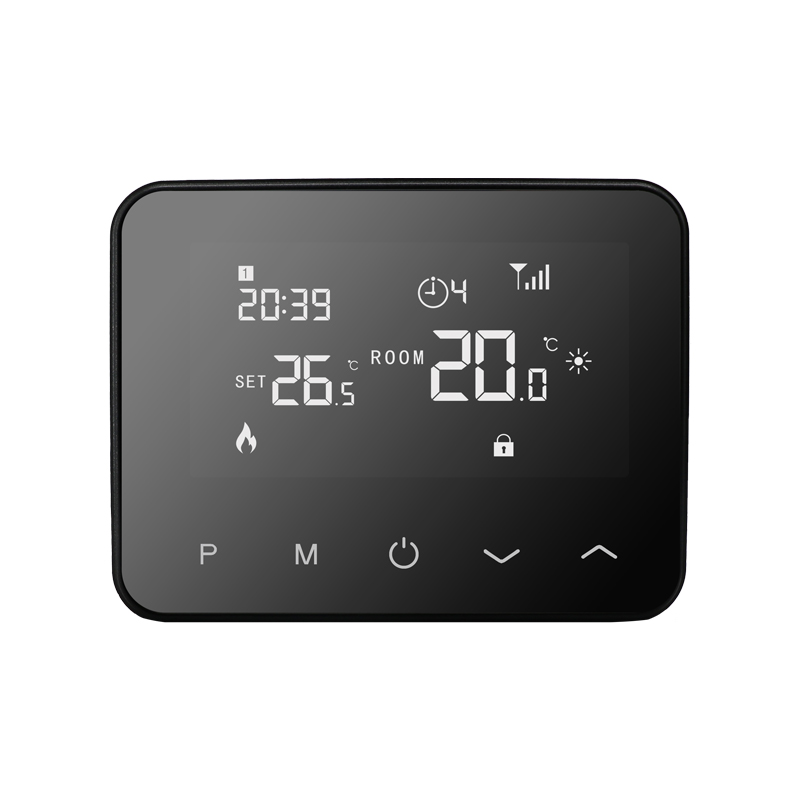
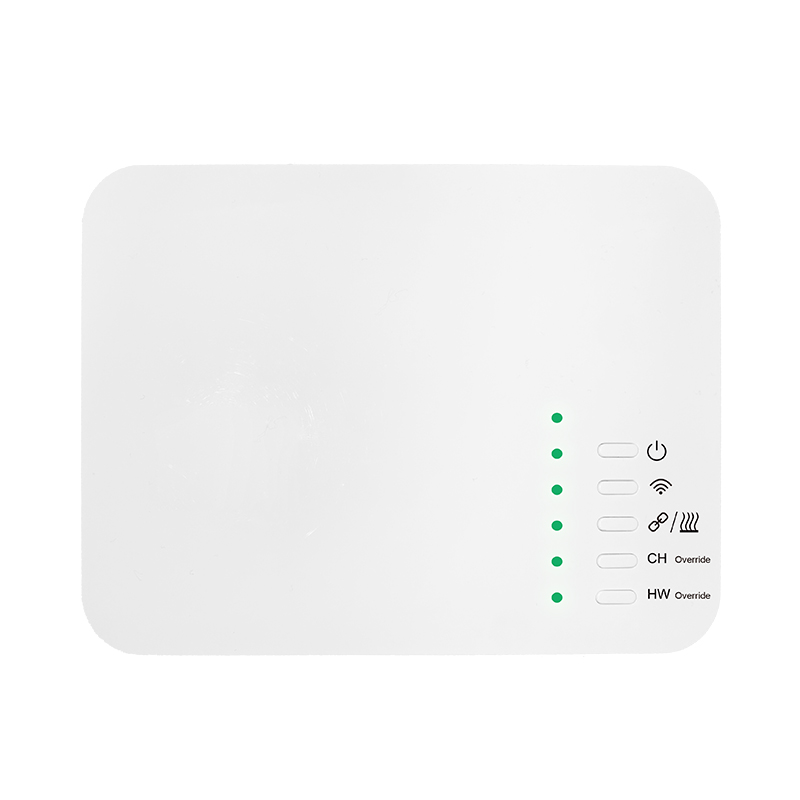
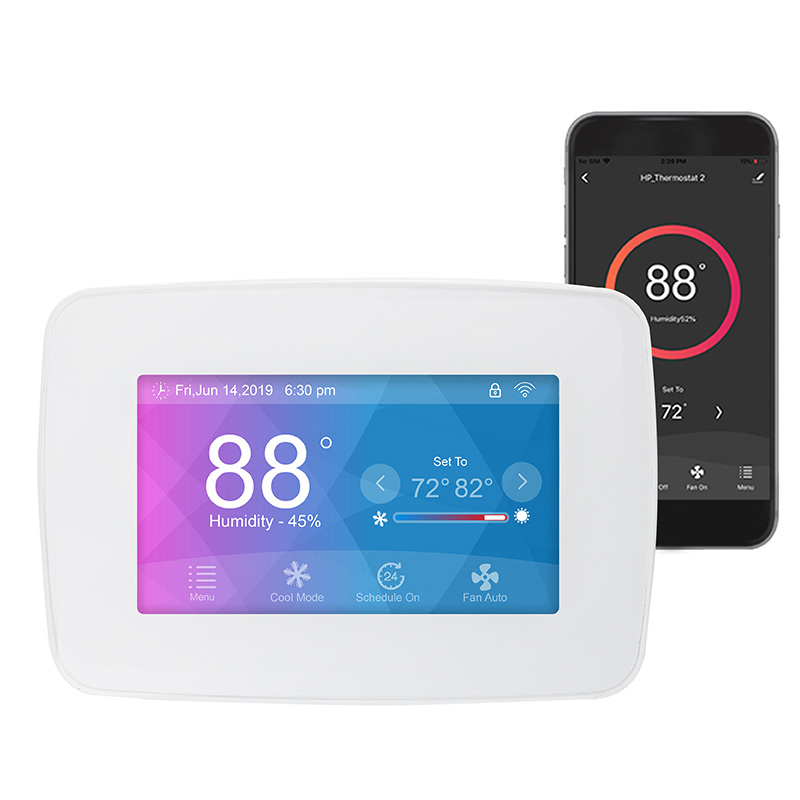
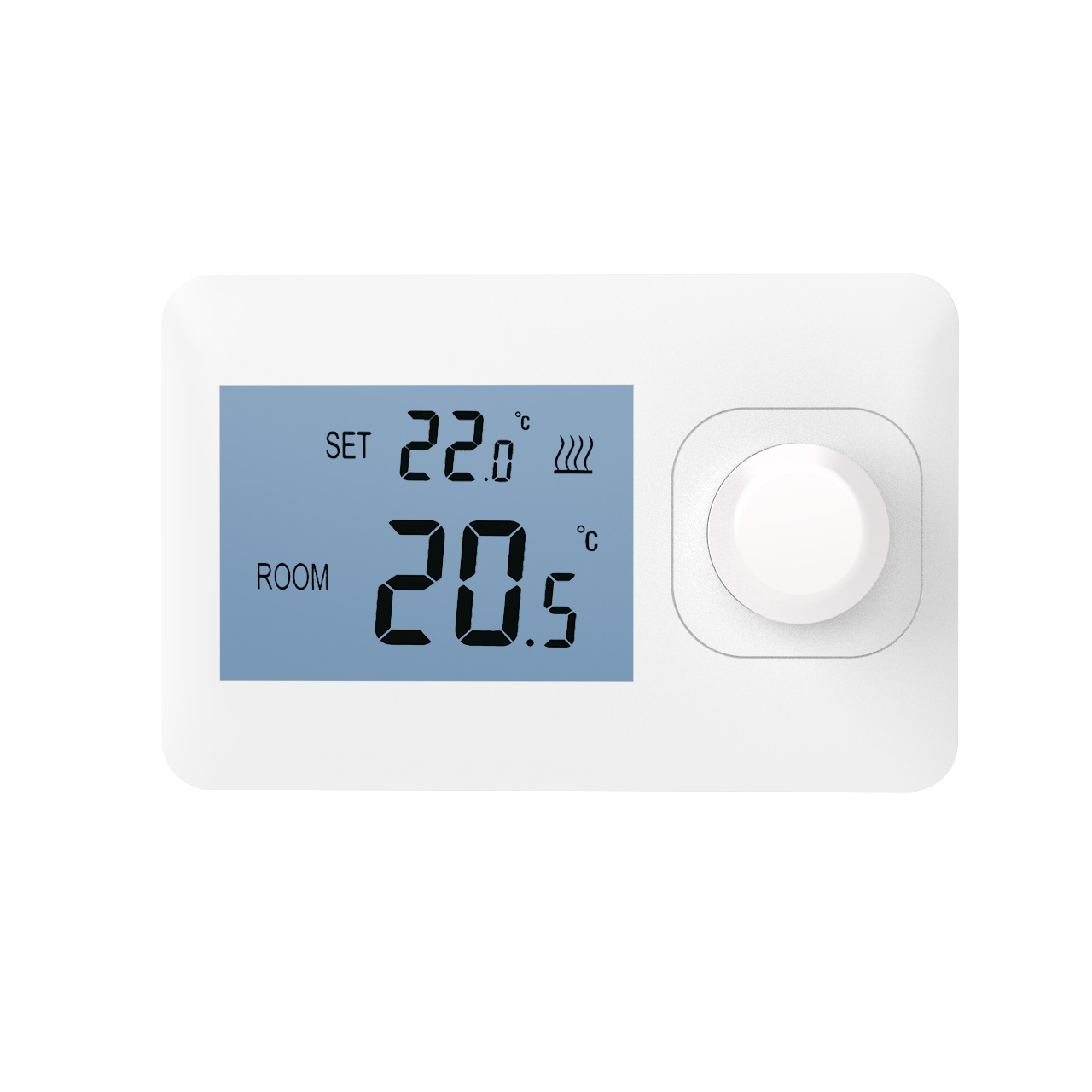
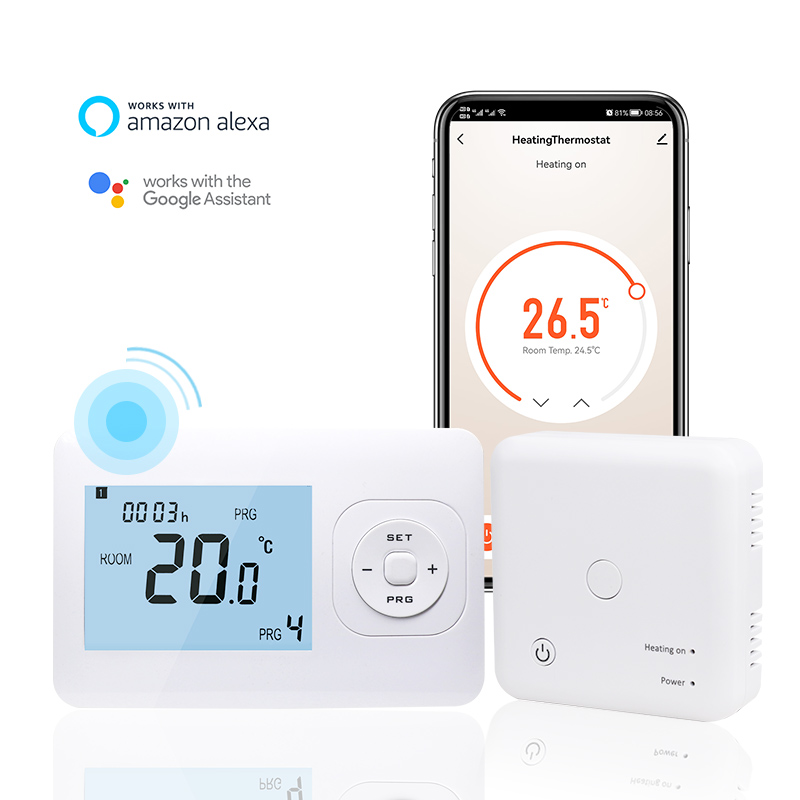
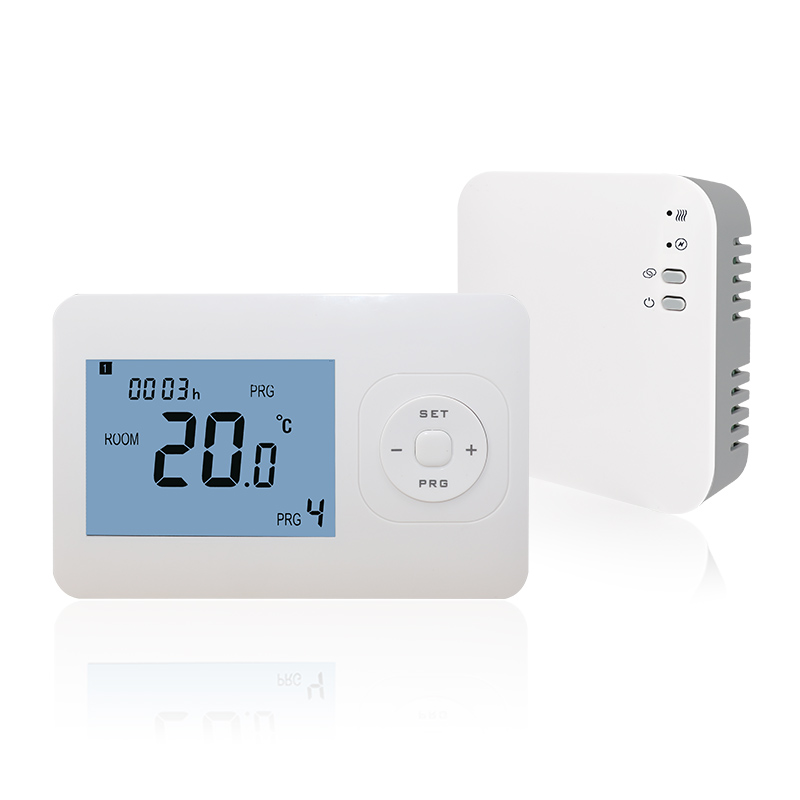
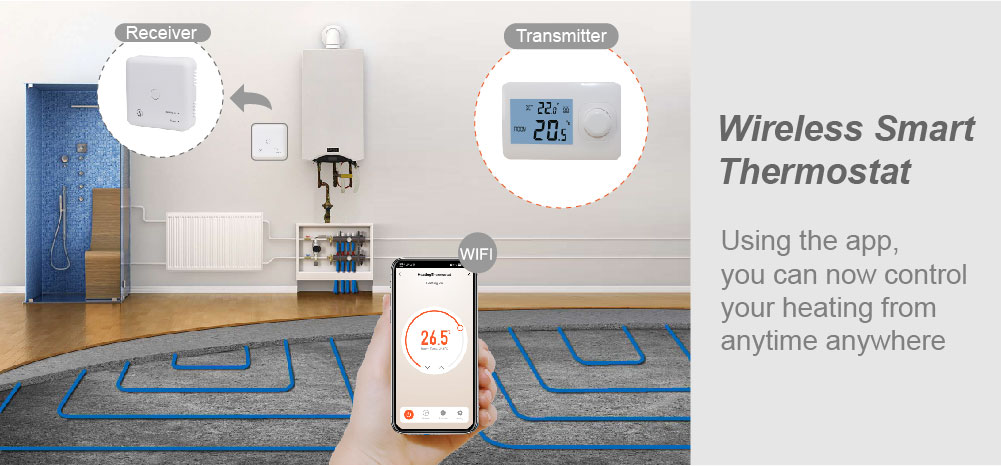
In residential heating and cooling systems, the 24V thermostat has become one of the most commonly used temperature control devices. After installation, many users wonder whether it can regulate temperature on its own and reduce the need for frequent manual operation. In fact, 24V thermostats are designed with automatic control in mind. When installed and configured properly, they can operate intelligently and help maintain a more comfortable indoor environment.
Basic Working Principle of a 24V Thermostat
A 24V thermostat uses a low-voltage control system to communicate with HVAC equipment. It connects to heating or cooling devices through control wiring and relies on internal sensors to detect ambient temperature in real time.
Once the system is running, the thermostat continuously compares the measured temperature with the user-defined setpoint. When a deviation is detected, it sends control signals to start or stop the heating or cooling equipment. This adjustment process runs in the background and does not require constant user input.
Temperature Sensing and Feedback Mechanism
The built-in temperature sensor continuously monitors indoor air conditions. When the room temperature moves outside the preset range, the thermostat’s control logic responds accordingly. For users, this means the indoor climate can remain stable even without frequent interaction with the device.
Stability Enabled by Low-Voltage Control
The 24V low-voltage design offers advantages in safety and compatibility. It supports a wide range of HVAC systems and provides reliable signal transmission, which helps the thermostat perform automatic adjustments with minimal delay or error.
Automatic Adjustment After Installation
After installation and initial setup, most 24V thermostats are capable of operating in an automatic adjustment mode. Users only need to set the desired temperature or operating mode, and the thermostat will manage the system based on those parameters.
Automatic Regulation in Daily Use
In everyday operation, a 24V thermostat demonstrates its self-adjusting capability mainly through temperature maintenance. Regardless of outdoor weather changes, the thermostat responds to indoor temperature variations and keeps the environment within a comfortable range.
Automatically starts or stops heating and cooling equipment
Manages operating time to avoid unnecessary energy use
Reduces the need for repeated manual temperature adjustments
Convenience of Programmable Features
Some 24V thermostats include programmable scheduling functions. Users can set different temperature levels for various times of the day, such as work hours, rest periods, or nighttime. The thermostat then adjusts settings according to the schedule, aligning temperature control with daily routines and improving overall convenience.
Differences in Adjustment Across System Types
24V thermostats are widely used with fan coil units and underfloor heating systems. Although these systems operate differently, the thermostat can still provide effective automatic control in each application.
Use With Fan Coil Systems
Fan coil units respond quickly to temperature changes, so thermostats in these systems focus on fast detection and timely control. Once appropriate temperature settings are in place, the thermostat can flexibly manage system operation based on real-time conditions.
Use With Underfloor Heating Systems
Underfloor heating systems have higher thermal inertia and respond more gradually. In this case, the 24V thermostat emphasizes stable temperature regulation, using continuous adjustments to avoid large fluctuations and maintain evenly distributed heat.
User Experience and Product Selection Considerations
Over long-term use, many users find that a well-designed 24V thermostat significantly reduces operational effort. Apart from occasional adjustments during seasonal transitions, the system generally runs without requiring close attention.
Impact of Stability on Automatic Control
The effectiveness of automatic adjustment depends heavily on product quality. Reliable control logic, clear interface design, and solid hardware construction all contribute to a smoother user experience. For this reason, product reliability and market reputation are important factors when choosing a thermostat.
Added Value Through Proper Selection
Some well-established 24V thermostat models on the market offer strong compatibility and precise automatic control. Selecting such products can enhance indoor comfort and simplify temperature management, making the thermostat a practical and valuable component of any HVAC system.