
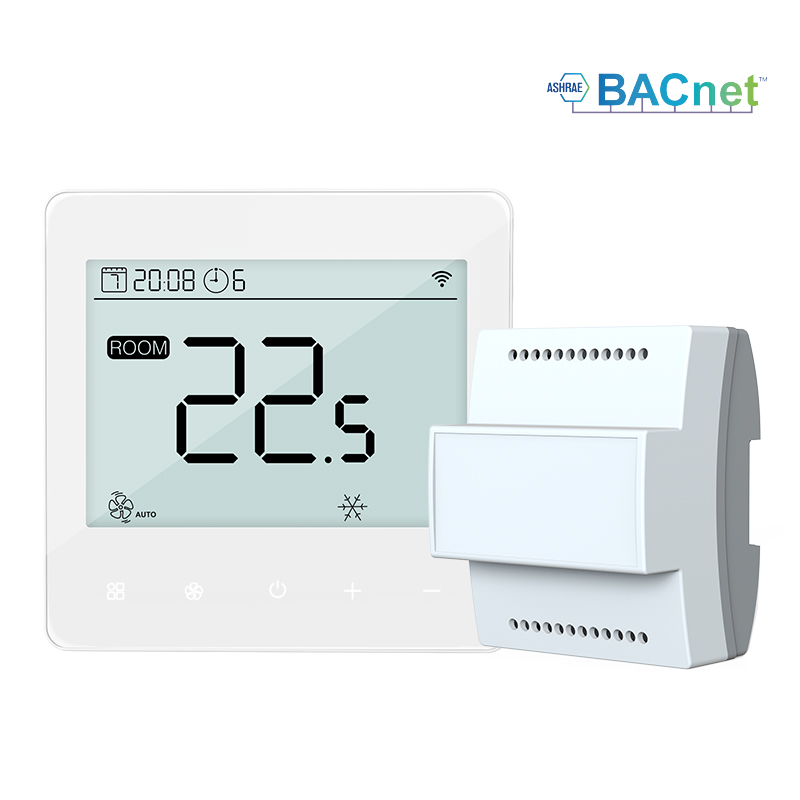
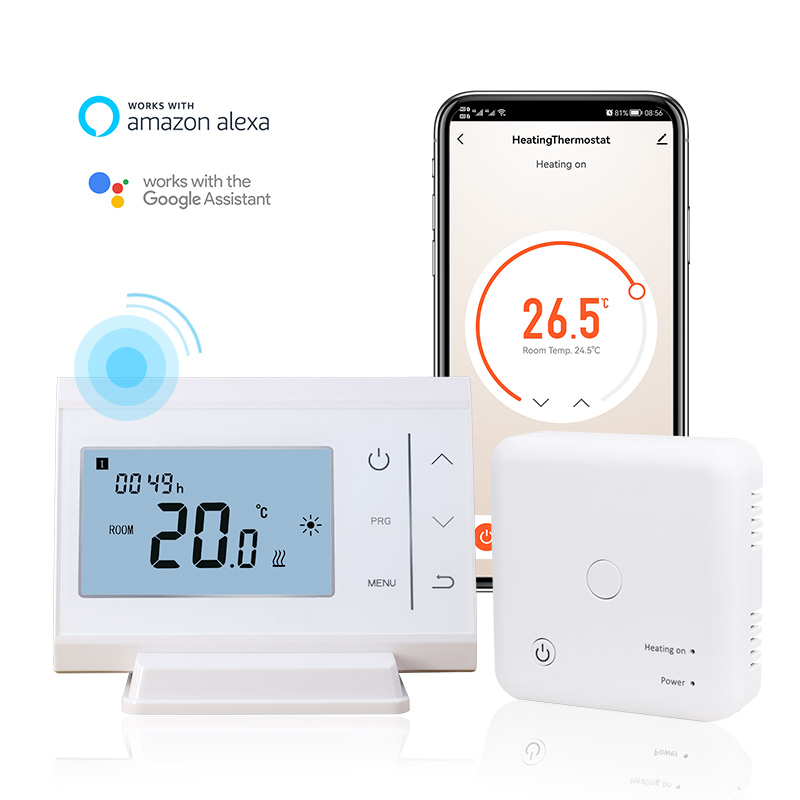
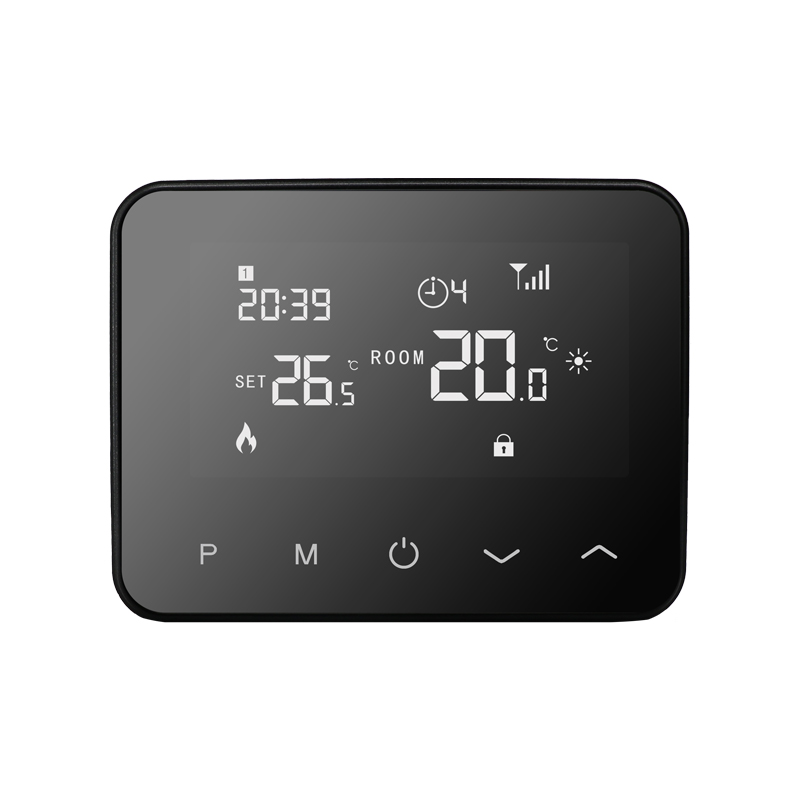
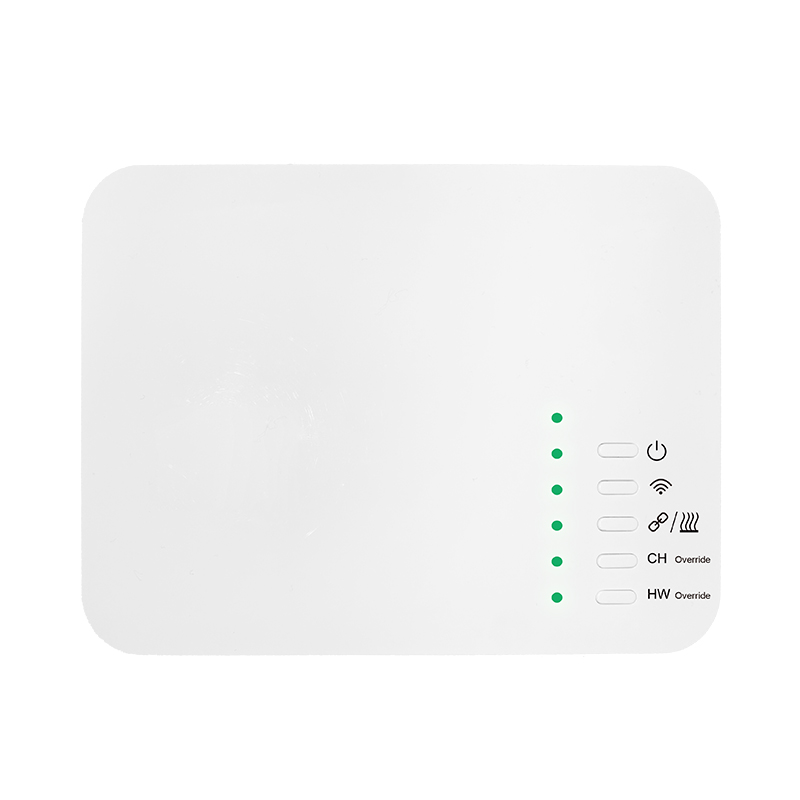
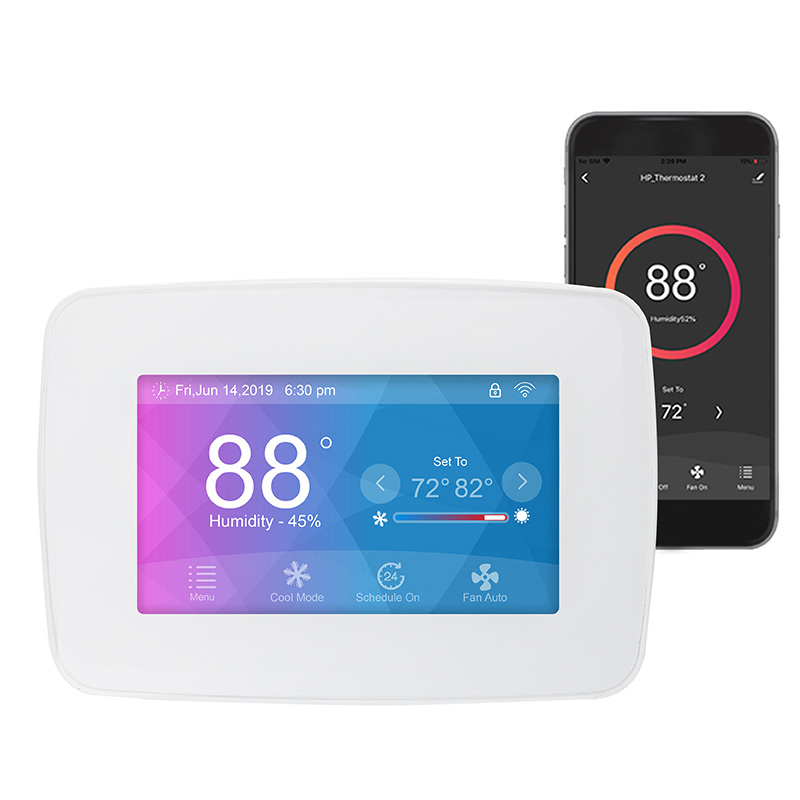
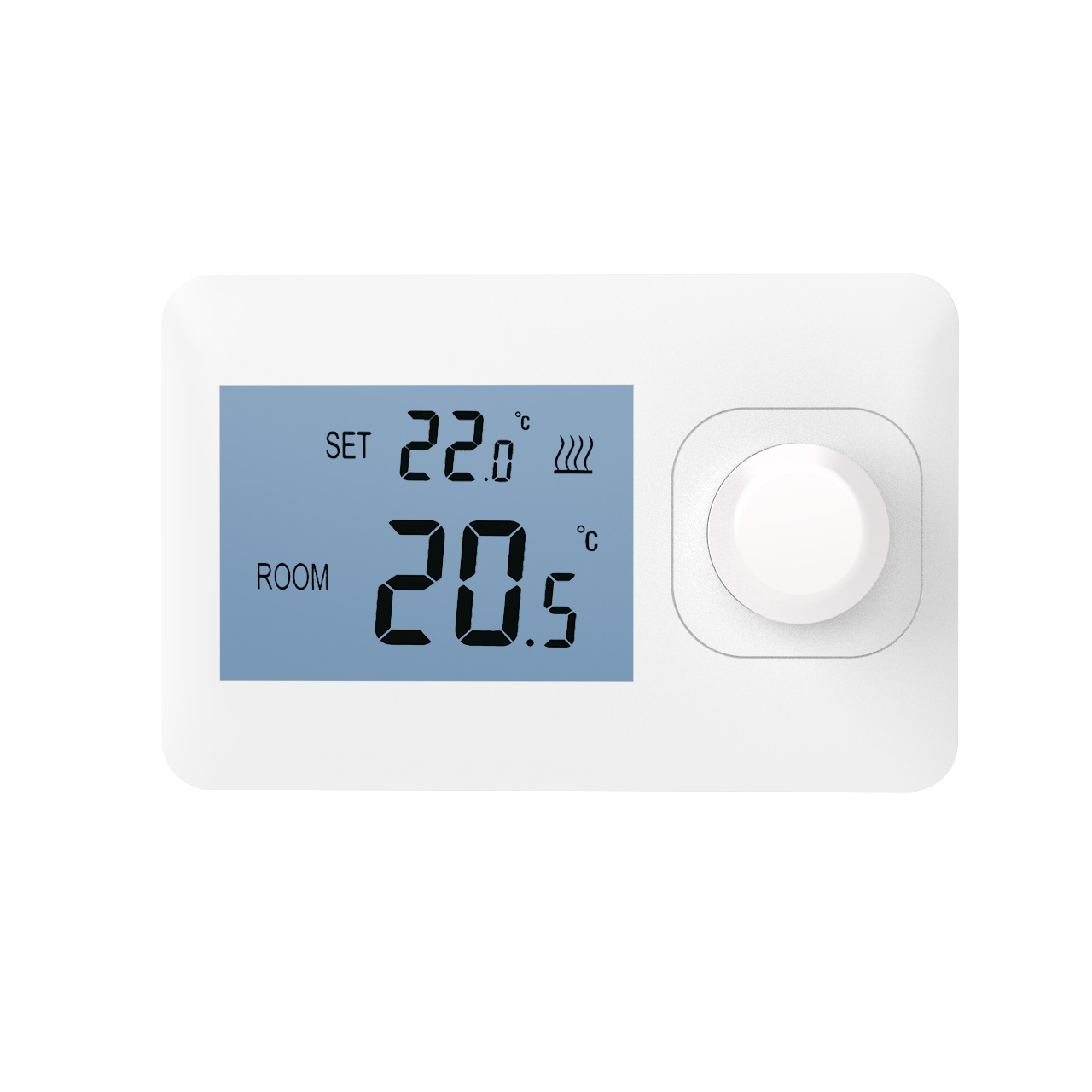
With the increasing prevalence of underfloor heating systems in residential and commercial spaces, users have higher demands for the control methods of these systems. Whether it’s comfort, energy management, or system stability, the design of the control layer is becoming increasingly important. Against this backdrop, the underfloor heating control box, as the core device connecting thermostats, actuators, circulating pumps, and boilers, often becomes a focus of user attention regarding its applicability. One frequently asked question is: can the same control box control both electric and water-based underfloor heating? Electric and water-based underfloor heating differ significantly in heating methods, system structure, and operation, leading many to believe that their control methods are completely different and require separate control devices. The HR-0ZC wired control center, for example, is designed for seamless integration with various models of wired thermostats and is primarily used in water-based underfloor heating systems, but its control philosophy shares commonalities with that of electric underfloor heating systems.
The Difference of Control Demand from the Type of Floor Heating
Control Characteristics of Electric Underfloor Heating
Electric underfloor heating uses cables or electric heating films as the main heating element. Its core control objective is to switch the power supply on and off or adjust the operating status. The control logic is relatively straightforward, typically using a thermostat to control the on/off state of the circuit to achieve temperature regulation.
Control Characteristics of Water-Based Underfloor Heating
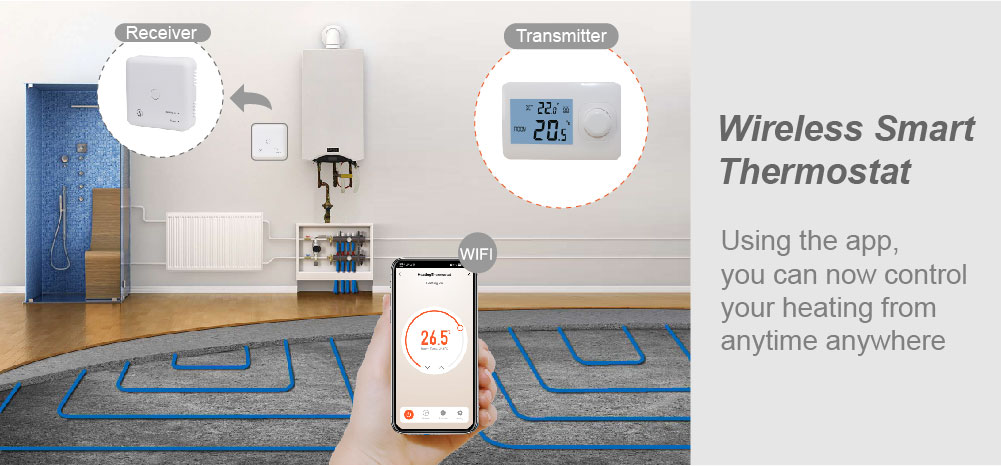
Water-based underfloor heating relies on hot water circulation, with a manifold, thermal actuator, circulation pump, and boiler working in concert. The control box not only receives signals from the thermostat but also coordinates with the actuator, water pump, and boiler, making the control logic more complex.
The Core Function of the Control Box Determines Its Applicable Boundaries
Centralized Processing of Control Signals
Regardless of whether it’s electric or water-based underfloor heating, the core function of the control box is to centrally process the thermostat signals and output corresponding control commands. This basic “signal-execution” logic is common to both types of underfloor heating systems.
Different Execution Objects
The difference lies in the execution object. In electric underfloor heating, the execution object is usually the electric heating circuit, while in water-based underfloor heating, the execution object is the thermal actuator, water pump, and boiler. Whether the control box supports this type of equipment determines its primary application.
The HR-0ZC Control Center is More Suitable for Water-Based Underfloor Heating Systems
Clear Positioning for Water-Based Underfloor Heating Systems
The HR-0ZC wired control center is specifically designed for water-based underfloor heating systems. It can efficiently control up to 8 zones, each supporting up to 5 thermal actuators, and provides dedicated control outputs for the circulation pump and boiler. These functions are essential for water-based underfloor heating systems.
Outstanding Zoning Control Capabilities
By working with wired thermostats such as HT-08, HT-07, HT-09, HT-22, and HT-23, the HR-0ZC can achieve precise zoning control across multiple rooms and zones, fully meeting the needs of water-based underfloor heating systems for refined management.
Does Electric Underfloor Heating Require a Similar Control Box?
Electric Underfloor Heating Typically Doesn’t Rely on Centralized Control Boxes
In most electric underfloor heating systems, the thermostat can directly control the heating circuit, resulting in a relatively simple system structure that may not require a centralized control box like that used in water-based underfloor heating systems.
Centralized Management Needs for Multi-Area Electric Underfloor Heating
In multi-room or large-area application scenarios, electric underfloor heating may also incorporate a centralized control module, but its structure and output form differ significantly from those of water-based underfloor heating control boxes.
Criteria for Judging the “Universality” of a Control Box
Output Type Matching
The key to determining whether a control box can be used for electric or water-based underfloor heating lies in whether its output method matches the system’s actuators. The HR-0ZC’s output is clearly more geared towards thermal actuators, water pumps, and boiler management.
Control System Compatibility
Whether the internal system of the control box supports direct control of the electric heating circuit is also an important factor in determining its suitability for electric underfloor heating.
Control Approach in Hybrid Systems
Coexistence of Electric and Water-based Underfloor Heating
In some buildings, electric and water-based underfloor heating may coexist. These systems typically require separate control devices tailored to their respective characteristics, rather than sharing a single control box.
Unified Management Does Not Equal Unified Control
Even with a unified interface management system, the underlying control devices still need to be configured differently for different types of underfloor heating.
The Importance of Correctly Selecting a Control Box
Avoiding Wasted or Insufficient Functionality
Using a control box primarily designed for water-based underfloor heating for electric underfloor heating may result in functional redundancy; conversely, it may fail to meet system requirements.
Enhancing System Stability and User Experience
Matching the correct control box is crucial to fully realizing the comfort, stability, and energy-saving potential of the underfloor heating system.
Taking the HR-0ZC wired control center as an example, its design and functional configuration are clearly focused on water-based underfloor heating systems. By supporting multi-zone thermostat access, thermal actuator control, and linkage between the circulating pump and boiler, it achieves precise and efficient heating management. This type of control box has irreplaceable advantages in water-based underfloor heating applications. Electric underfloor heating, due to its relatively simplified system structure, typically does not rely on such a centralized control box; its control method relies more on thermostats directly managing the heating circuit.